Marcus, who works as a procurement manager for a mid-sized automotive parts manufacturer located in Detroit, discovered what he believed to be an exceptional deal. The new supplier brought him polypropylene pellets which they sold at 12% lower than his existing price. He placed a 20-ton order in March 2024.
The production line reached its shutdown point by April. The pellets showed unpredictable melting behavior. The molding process produced defects which affected 18% of the manufactured parts. The supposed “savings” resulted in his company incurring $47,000 worth of scrap materials and shipment delays.
Your experience with plastic pellet sourcing for injection molding makes Marcus’s story relevant to you. Your organization requires materials which maintain perfect performance throughout multiple production cycles. Your organization must maintain its financial limits without exceeding them.
The procurement and engineering teams face their main challenge of selecting proper resin materials which will maintain supplier performance standards during their production process.
This guide contains complete information about plastic pellets which you need to know for their use in injection molding. The different pellet types will be explained through this educational material which shows their practical applications. The selection process will reveal which criteria should be ranked as most important.
This document functions as your guide for selecting materials used in injection molding. We will guide you through the process of assessing product quality before it enters your manufacturing area. The upcoming section will show current sustainability patterns which will transform the industry operations of 2026 together with essential characteristics of dependable pellet partners. The complete plastic pellets for injection molding guide will enable you to make your upcoming material selection through a structured framework.
What Are Plastic Pellets for Injection Molding?
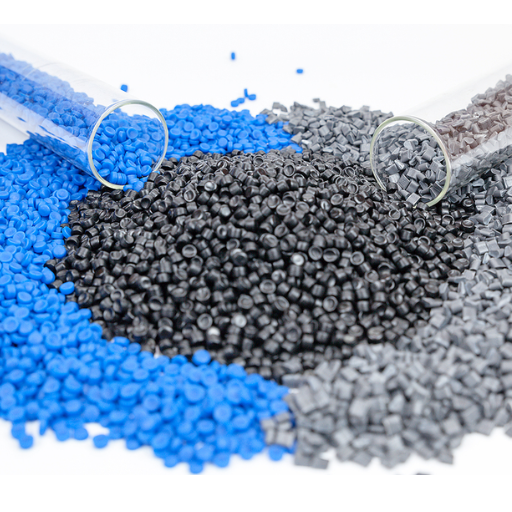
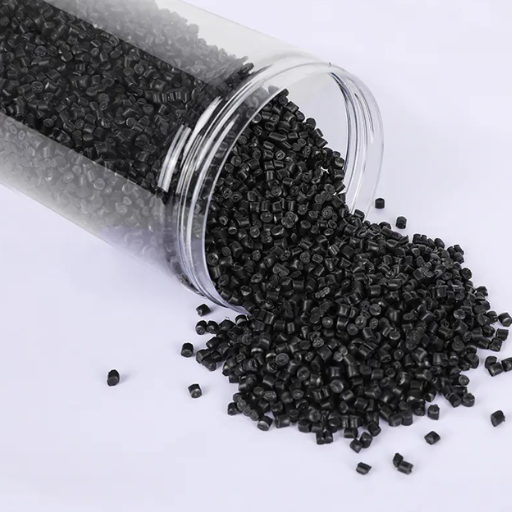
Plastic pellets for injection molding are small, cylindrical pieces of thermoplastic polymer. The pellets function as the primary material used to create molded components. Manufacturers refer to the material by the names resin granules and “nurdles.”
These pellets feed into an injection molding machine, where heat and pressure transform moldable plastic pellets into finished parts with precise dimensions.
Why pellet quality matters: Batch-to-batch consistency directly impacts defect rates, cycle times, and the mechanical performance of your final product. Even slight variations in melt flow index (MFI) or moisture content can cause sink marks, warping, or incomplete fills.
The global plastic pellets market reached approximately $9.1 billion in 2025. That figure is projected to climb to $12.98 billion by 2032. Meanwhile, the downstream injection molded plastics market exceeds $340 billion annually. The pellets you choose are the foundation of a massive global manufacturing pipeline.
Want to make sure you’re specifying the right resin for your next project? Our engineering team reviews technical requirements daily and can recommend the exact pellet grade for your application.
Types of Plastic Pellets for Injection Molding
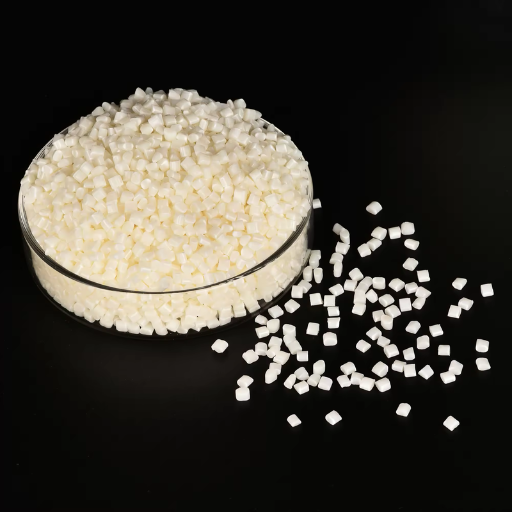
Understanding the types of plastic pellets for injection molding is the first step in matching material to application. Manufacturers classify these pellets into three main injection molding resin types: commodity resins, engineering resins, and high-performance polymers—each a subset of the 7 main types of plastic used across industries today. Each category serves different cost, performance, and processing requirements.
Commodity Resins
High-volume production operations utilize commodity resins as their primary material. The material costs are low and processing the material requires minimal effort. Polypropylene (PP) stands as the largest single plastic category which accounts for 36% to 45% of total global injection molding resin consumption.
- Polypropylene (PP) presents three main attributes which include its lightweight nature and chemical resistance and ability to withstand fatigue. Polypropylene pellets for injection molding maintain their integrity during sterilization processes while they absorb negligible moisture. The material finds common use in food containers and automotive interior components and medical syringes and packaging lids.
- Polyethylene (PE) exists in two forms which are high-density (HDPE) and low-density (LDPE) variations. HDPE maintains its structural integrity because of its rigid design while providing exceptional protection against chemical exposure for temperatures exceeding 100°C which makes it suitable for use in industrial containers and pipes. LDPE delivers both flexible properties and strong impact resistance at cold temperatures which makes it suitable for use in squeeze bottles and plastic bags.
- Polystyrene (PS) consists of general-purpose PS (GPPS) which displays transparent and rigid characteristics but lacks strength. High-impact PS (HIPS) adds toughness. PS appears in disposable cutlery products and CD cases and food packaging materials.
Engineering Resins
The introduction of engineering resin pellets for injection molding creates materials that exhibit better mechanical properties and thermal resistance and maintained physical shape through time. They serve as the most suitable material solution when components need to substitute metal or endure mechanical pressure.
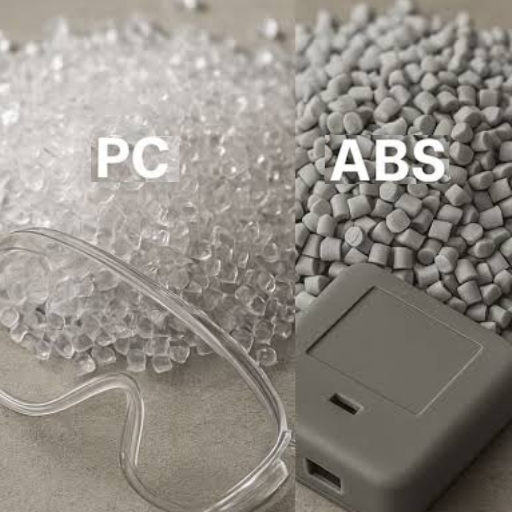
- Acrylonitrile Butadiene Styrene (ABS): Tough, impact-resistant, and easy to mold with an excellent surface finish. ABS pellets for injection molding appear in LEGO bricks, electronic housings, and automotive interior trim.
- Polycarbonate (PC) provides exceptional impact strength together with optical clarity. The Makrolon 2805 polycarbonate pellets used for injection molding deliver high mechanical strength and thermal resistance which automotive lighting and eyewear lenses and medical device housings require.
- Nylon (PA66) demonstrates its capacity to provide strong materials which exhibit minimal friction and exceptional resistance to wear. Glass-filled PA66 significantly increases stiffness and thermal resistance for load-bearing assemblies like gears and bearings.
- The material Polyoxymethylene (POM/Acetal) provides low friction together with high stiffness and excellent ability to maintain its dimensions. POM excels in precision gears, bearings, and hard-to-fill molds.
- Polyethylene Terephthalate (PET) creates a strong transparent material which functions as an effective barrier against moisture. The recycling process of PET leads to high recycling rates while post-consumer recycled PET composites receive increasing acceptance among automotive and consumer goods industries.
- Thermoplastic Elastomers (TPE/TPO) create materials that provide rubber-like flexibility and can be processed like plastics. They appear in products such as seals and gaskets and soft-touch grips and automotive exterior parts.
High-Performance Polymers
High-performance polymers handle extreme temperatures, chemicals, and mechanical stress because their performance limits exceed those of standard resins.
- PEEK (Polyether Ether Ketone): The material sustains its structural integrity through continuous stress and extreme temperature conditions. The material serves as a component in aerospace brackets, turbine parts, and medical devices used for implantation.
- PEI (Polyetherimide): The material delivers exceptional heat resistance and strength properties which make it a budget-friendly substitute for PEEK in electronic and automotive industries.
- Liquid Crystal Polymer (LCP): The material enables micro-molding of parts which weigh 0.03g and maintain tolerances of ±5μm. This technology proves essential for the development of miniaturized electronics and medical components. For less extreme applications, PEI offers a more cost-effective alternative to PEEK.
Sustainable Alternatives
Sustainability has become an essential requirement that all industries must address. The market for recycled plastic pellets used in injection molding shows a growth rate of 9.1% compound annual growth rate from 2026 until 2035 which exceeds the 5.2% growth rate of virgin pellets.
- Recycled resins: Post-consumer PET and PCR blends containing 25% to 50% recycled content maintain quality while reducing waste.
- Bio-based plastics: PLA plastic pellets and PHA offer biodegradable options for packaging and consumer goods. New algae-derived bioplastics are achieving HDPE-grade tensile strength of ~28 MPa with marine degradability within 18 months.
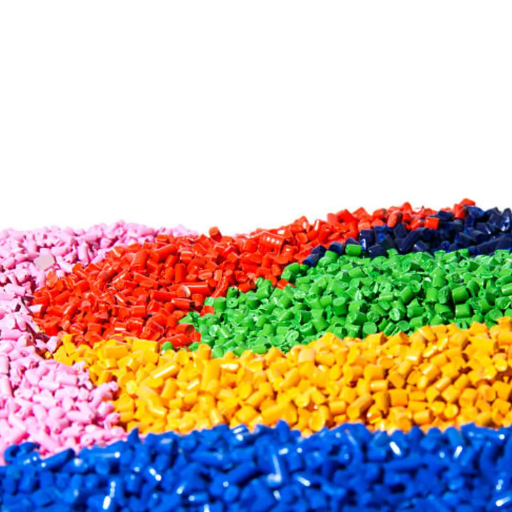
- Masterbatches: Concentrated pellets of pigments or additives used to color virgin or recycled resins and impart specific properties like UV resistance or flame retardancy.
Lisa, a product engineer at an electronics firm in Shenzhen, learned about resin selection the hard way. She selected standard ABS material for battery housing requirements in January 2025. The part needed to withstand 85°C operating temperatures.
After three months, the housings showed signs of deformation during actual field testing. The problem got solved through a switch to PC/ABS blend solution. The company faced a $120,000 financial loss because of the recall, which also harmed their main customer connection.
Choosing the correct resin for a project extends beyond technical considerations. Choosing the correct resin for a project impacts both technical details and financial outcomes.
How to Choose Plastic Pellets for Injection Molding
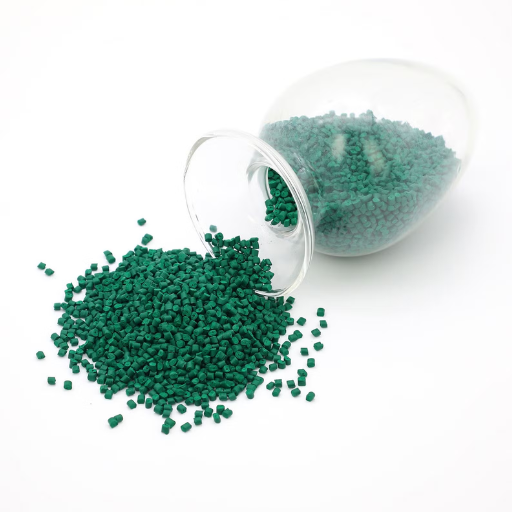
Selecting the optimal plastic pellet for injection molding needs to take into account three factors which include performance and cost and compliance. Our company provides a practical framework which we use to assist manufacturing partners in selecting plastic pellets for their injection molding processes.
Step 1: Define Mechanical Requirements
The first question to ask is what functions the component needs to perform. The component requires three different types of flexibility and rigidity and extreme strength capabilities.
- Flexibility demands: LDPE, TPE, or TPO
- Rigid structural parts: HDPE, PP, or POM
- High-impact applications: ABS or PC
- Extreme load-bearing: Glass-filled PA66 or PEEK
Step 2: Assess Thermal Environment
Will the part face sterilization, hot-fill conditions, or extreme cold? The material PP retains its steam sterilization capabilities for temperatures up to 121°C. PEEK maintains its performance capabilities when used at temperatures above 250°C. Standard ABS starts to lose its structural integrity when exposed to temperatures above 80°C. The material requires modifications to become suitable for applications that involve high temperatures.
Step 3: Evaluate Chemical Exposure
Different resins display different chemical reactions to different chemicals. Both HDPE and PEEK show strong resistance against acid and solvent attacks. PP, however, degrades when exposed to aromatics or chlorinated solvents. Polycarbonate withstands oils and greases but can be attacked by strong alkalis.
Step 4: Confirm Regulatory Compliance
The FDA has authorized materials which can be used for food contact and medical device applications. The following materials receive FDA approval for food contact and medical device use:
- PP plastic material: Syringes and disposable devices and food containers
- PC material: Diagnostic equipment and surgical instruments
- Medical-grade ABS: Enclosures and handles
- PEEK material: Implantable devices and reusable surgical tools
- PE material: Tubing and packaging products
Always verify that your supplier provides certified compliance documentation for regulated applications. The FDA maintains a database of approved plastics for food contact and medical use.
Step 5: Check Processing Characteristics
The Melt Flow Index (MFI) measures the flow characteristics of melted resin.
- Higher MFI: The material moves more easily through intricate mold designs and through narrow wall sections.
- Lower MFI: Most materials show increased strength but need more force for injection molding.
For example, a thin-walled electronics housing might need an MFI of 20-30 g/10min. A thick structural automotive part performs better with an MFI of 5-10 g/10min.
Step 6: Balance Cost and Performance
An engineering resin is not essential for every application. The use of commodity resin materials such as PP and HDPE will enable you to maintain product specifications while reducing your expenses. The application of PEEK and PEI premium resins should only occur in situations where their specific characteristics become essential. The most suitable plastic pellets for injection molding processes are those which achieve performance objectives while maintaining minimal overall expenses.
Need help matching a resin to your exact specifications? Send us your part requirements and we’ll recommend the most cost-effective pellet that meets your performance targets.
Quality Verification for Bulk Plastic Pellets for Injection Molding
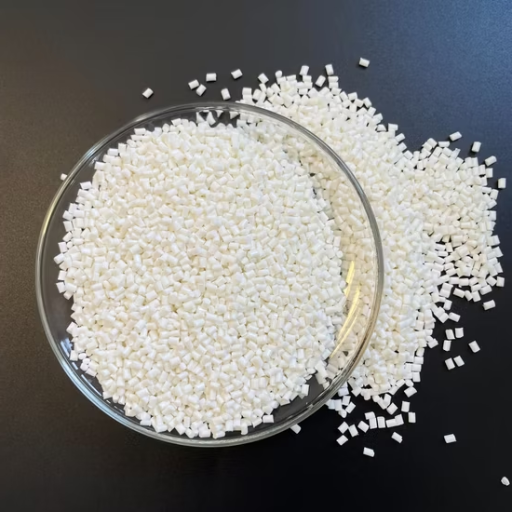
The second risk point for injection molding operations occurs after you choose a resin because of plastic pellet quality. The use of inconsistent pellets results in production of inconsistent parts. The following methods will help you safeguard your manufacturing operation.
Require Certified Test Reports
Each batch of plastic pellets used for injection molding must arrive with documentation that verifies
- Melt Flow Index (MFI): Verifies flow behavior
- Density: Confirms material identity and consistency
- Ash content: Indicates filler levels
- Tensile strength and elongation at break: Validates mechanical properties
Perform Incoming Inspection
The following methods provide quality check solutions for incoming materials used in critical applications:
- Differential Scanning Calorimetry (DSC): Confirms melting points and detects contamination
- Fourier-Transform Infrared Spectroscopy (FTIR): Verifies polymer identification
- Visual inspection: Checks for pellet size uniformity, color consistency, and foreign particles
- Moisture analysis: Excessive moisture causes splay and voids during molding
Watch for Red Flags
Suppliers who fail to deliver these items should raise concerns about their business practices:
- Consistent pellet size and shape
- Batch-specific test reports
- Clear traceability to raw material sources
- Proper packaging that prevents moisture absorption
At Suzhou Yifuhui New Material Co., Ltd., we test every batch of polycarbonate, ABS, PA66, POM, and other engineering resins before shipment. Our quality control protocols ensure you receive materials that perform predictably from the first shot to the last.
Sustainability Trends in Plastic Pellets for Injection Molding
Manufacturers are changing their methods of plastic pellet procurement because of government environmental mandates and their corporate sustainability objectives. The following factors will produce alterations which will occur during the year 2025.
Regulatory Pressure
Manufacturers must use recycled-content pellets because the EU Packaging and Packaging Waste Regulation and extended producer responsibility (EPR) requirements demand this. North America and Asia both implement similar laws which extend their reach throughout these regions.
Recycled Resin Growth
Packaging and consumer products now use post-consumer recycled (PCR) blends that contain 25% to 50% recycled material as their standard. Recycled pellets now achieve quality standards through advanced sorting and purification technologies which did not exist five years ago.
Bio-Based Innovations
Algae-derived bioplastics now match the performance standards of traditional HDPE. The marine environment contains certain formulations which break down completely within 18 months, which provides a solution to combat plastic waste in oceans.
Performance Limits
That said, sustainability isn’t always the right choice—high-stress or medical applications may still require virgin plastic to ensure safety and performance. The key is specifying sustainable materials where performance allows. Don’t compromise safety or durability.
Working with a Reliable Pellet Supplier
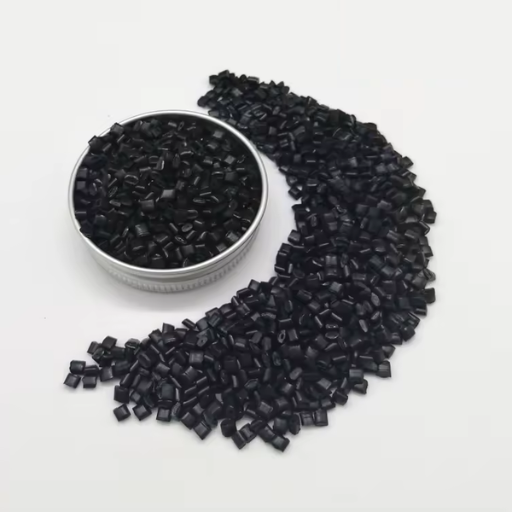
Your choice of plastic pellet supplier for injection molding holds equal importance to your choice of plastic resin. The factors which determine trustworthy partners from untrustworthy vendors include.
Technical Support
Can your supplier help you select the right resin? Do they understand melt flow rates, filler content, and application-specific requirements? The supplier who possesses engineering staff within their company can shorten your testing period which includes testing various products.
Consistent Availability
Supply chain interruptions cause production to stop. The suppliers you need to choose should keep standard grade products in their stock while providing accurate predictions about upcoming delivery times. Inquire about their methods for obtaining rare resins which they cannot find in their current sources.
Sampling and Validation
Most established suppliers offer 1-2 kg samples for evaluation. The samples should be used to create trial shots which will test your actual molds before you proceed with the total order. The preparation time for custom formulations which requires sample preparation needs between 3 to 10 business days.
Transparent Pricing and Logistics
The system requires you to comprehend both minimum order quantities and volume pricing tiers and shipping schedules. Budgeting gets destroyed by unforeseen expenses together with unexpected price increases. The process of purchasing resin materials becomes easier and less expensive when you choose one supplier who provides different resin options.
Chen Wei managed four resin suppliers at his medical device plant in Suzhou. The suppliers all provided different delivery times together with their unique testing methods and pricing models. He decided to purchase from one company in 2024 which would be his sole partner. The partner provided all three resin types including PP PC and PEEK from one central location.
The total delivery time decreased by 22%. The number of products which failed incoming inspection decreased by 35%. His inventory management team dedicated their time to developing long-term strategies instead of handling immediate supply shortages.
Conclusion
Your completed product depends on plastic pellets that you use for injection molding. The selected resin determines the material’s mechanical properties and thermal resistance and its ability to meet regulations and its manufacturing expenses. Resin selection represents only one portion of the process. The production process requires you to select a supplier who offers stable product quality together with technical support that enables your operations to proceed without hindrance.
Remember these points:
- You should select a resin category that fits your specific needs which include using commodity resins for economical purposes and engineering resins for their superior capabilities and high-performance polymers for demanding applications.
- The process of verifying quality requires both certified test reports and incoming inspection protocols.
- Recycled materials and bio-based materials should be considered when performance standards permit their use.
- Choose a supplier who provides technical assistance and dependable delivery services and clear pricing information.
At Suzhou Yifuhui New Material Co., Ltd., we supply a comprehensive range of plastic pellets and engineering resins, from standard PP to specialized PEEK and PEI. We conduct tests on all incoming batches of material. Our team provides answers to all technical inquiries. We maintain on-time deliveries which enable your production to operate continuously.
Ready to source the right plastic pellets for your next project? Contact our engineering team today for a custom quote based on your volume and performance requirements.