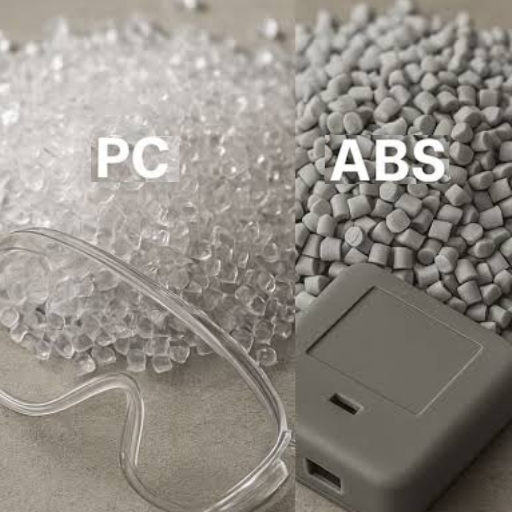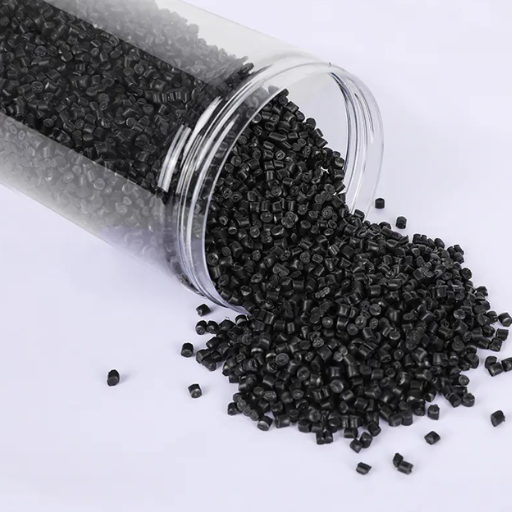
Maria observed the damage between her third weekly production run. The amethyst stones required her to polish them for a jewelry client but their edges started to chip while the ceramic media she used proved too strong for her final polishing work. She switched to rock tumbling plastic pellets for her polish cycle which resulted in complete breakage prevention. She achieved better finishing results, and her rework time reduced by 50 percent.
People who face problems with damaged stones and their polishing results and media selection process experience common difficulties. The correct tumbling material selection holds equal importance to the appropriate grit selection. The guide provides detailed information about rock tumbling plastic pellets which describes their composition and operational behavior inside the barrel and the distinguishing quality signals that help identify acceptable media from inferior filling material.
The study will examine all aspects of rock tumbling plastic pellets while comparing them to ceramic materials. The study will describe all usage instructions from beginning to end while showing material specifications which experienced tumblers tend to miss. The upcoming details will assist you in making an informed decision about your small lapidary business or your home tumbler which you want to use for better results.
What Are Rock Tumbling Plastic Pellets?
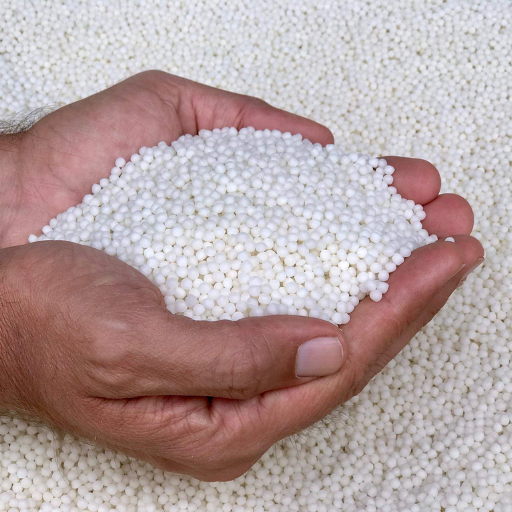
Rock tumbling plastic pellets are small polymer granules. Most are made from polypropylene and serve as filler media inside a rotary or vibratory tumbler barrel. Manufacturers produce uniform cylindrical and bead-shaped pellets through the extrusion process using virgin polypropylene which creates pellets that measure 3 to 5 millimeters in diameter. Their primary role is not to grind the stone, but to cushion it, fill empty barrel space, and carry polishing compound evenly across every surface. The primary purpose of rock tumbling plastic pellets in the finishing process serves as their fundamental job function.
Material science explains why these pellets float because it shows their floating capability. Polypropylene has a density of approximately 0.90 grams per cubic centimeter which is lower than water. The process of separating objects becomes quick and easy because of their buoyancy. After a tumbling cycle ends, you can rinse the barrel and the rock tumbling plastic pellets rise to the surface, leaving the heavier rocks behind. This behavior explains why hobbyists choose to use plastic tumbling media as their preferred option.
In practical terms, this means three things for the user. First, the pellets prevent stones from banging against one another with excessive force. Second, they ensure the barrel maintains the fill level required for smooth, continuous rolling action. Third, they act as a vehicle for polish and soap during burnishing cycles. Want to understand how pellet composition affects performance across different applications? Read our guide to moldable plastic pellets and their benefits.
Why Rock Tumbling Plastic Pellets Still Matter in Modern Tumbling
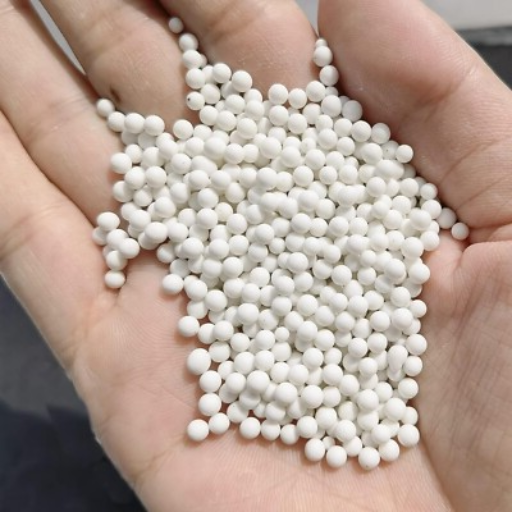
Ceramic media dominates the rock tumbling market today. According to RockTumbler.com, ceramic cylinders now outsell rock tumbling plastic pellets by roughly ten to one. That statistic leads some beginners to assume plastic media is obsolete. It is not.
Rock tumbling plastic pellets perform best when they need to provide protection against impacts instead of handling abrasive materials. The polish and burnish stages demand gentle contact. The hard ceramic cylinders will cause soft stones to suffer bruising damage while they also break delicate crystalline structures. Polypropylene pellets absorb impact and create a softer tumbling environment that protects the stone’s edges while still distributing compound effectively.
Cost also remains a practical advantage. A one-pound bag of rock tumbling plastic pellets typically costs less than an equivalent weight of ceramic cylinders. For beginners testing the hobby, that lower entry price makes sense. People tend to forget about noise reduction as an extra benefit. The rock tumbling plastic pellets reduce indoor noise from a rotary tumbler which proves important for people who operate their equipment in areas close to their home.
The small stones need extra work because both plastic media and plastic media provide special advantages. The gaps in ceramic cylinders will either hold back small fragments or their weight will cause total blockage. The lightweight rock tumbling plastic pellets enable small materials to move freely through the space without being broken down into smaller parts.
Rock Tumbling Plastic Pellets vs Ceramic Media: Which Should You Choose?
The six-month period of tumbling practice ended for James when he destroyed his best agate specimen. He decided to save money by reusing the same rock tumbling plastic pellets from his coarse-grit stage straight into the polish stage. The stone suffered damage due to trapped silicon carbide particles which resulted in the destruction of his work that took weeks to complete. The error did not originate from the use of pellets. The problem stemmed from the incorrect understanding of how each media type functions.
The story shows how people need to choose between two different options that exist between plastic and ceramic materials. Ceramic media does not absorb grit. Users can wash ceramic cylinders to achieve complete cleanliness which enables reuse throughout all processes that include coarse and polish stages. Rock tumbling plastic pellets, by contrast, have a porous surface that traps abrasive particles. The plastic tumbling media needs to maintain its dedication to coarse grit after it has processed coarse grit. The process of cleaning equipment to prepare for a finer stage becomes extremely difficult to accomplish.
Ceramic cylinders also weigh more. The additional weight during shaping and smoothing processes helps enhance grinding performance. The material removal rate through ceramic system delivers superior results to your needs. The weight of the system creates operational challenges during the polish stage. Hard ceramic materials can create chips which damage delicate stones while producing micro-fractures that become visible through magnification.
Rock tumbling plastic pellets deliver their best performance in situations where they need to protect items while keeping them apart from each other. The materials float which enables operators to complete cleanup work within a short period after the cycle ends. The materials protect delicate stones from damage. The materials transport polishing compound and soap during burnishing. Many experienced tumblers keep both media types on hand and switch based on the stage.
Here is a quick comparison of ceramic vs plastic tumbling media:
|
Feature |
Rock Tumbling Plastic Pellets |
Ceramic Media |
|---|---|---|
|
Weight |
Lightweight |
Heavy |
|
Best Stage |
Polish / Burnish |
All stages |
|
Grit Retention |
Traps grit; dedicate by stage |
Rinses clean; reusable across stages |
|
Separation |
Floats in water |
Sinks; harder to separate |
|
Cost |
Lower per pound |
Higher per pound |
|
Lifespan |
Degrades over months |
Lasts indefinitely with care |
If your operation needs consistent pellet quality at volume, contact our team for specifications and bulk pricing.
How to Use Rock Tumbling Plastic Pellets in Your Tumbler
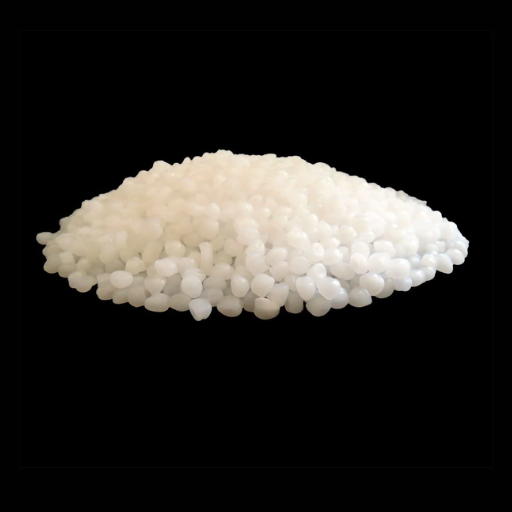
Proper technique separates smooth, mirror-finished stones from disappointing results. The first rule requires barrels to have a specific fill ratio. A correctly filled rock tumbler barrel needs to maintain a capacity between 50 percent and 66 percent which includes rocks media and water. The tumbling process requires rock tumbling plastic pellets to make up 25 to 33 percent of their total volume during the polish and burnish stages.
Load your stones first, then add the rock tumbling plastic pellets, then pour water until the level reaches just below the top of the stones. These rock tumbler filler beads create the cushioning layer that protects delicate stones during the polish cycle. Add your polishing compound according to the manufacturer’s instructions. The operator should close the barrel and execute the cycle for the specified duration. The polishing process requires four to seven days to complete because stone hardness determines the duration of the process.
Rock tumbling plastic pellets require dedicated use at all times. Create separate storage spaces which will hold coarse medium fine and polish pellets according to their respective stages. Combining different grit levels will result in stone surface damage and unnecessary material waste. The operator should perform a complete rinse of the barrel after every operational cycle. The contents need to be disposed of into a colander or mesh strainer. The rock tumbling plastic pellets will float to the surface when you add water, making them easy to scoop out and store.
Burnishing is the final step many beginners skip. After the polish cycle, run the barrel for a few hours with clean water, rock tumbling plastic pellets, and a small drop of liquid hand soap. This removes any remaining polish residue and brings out an extra level of shine. Polly Plastics recommends this step specifically for achieving a glassy finish on softer stones.
Replace your rock tumbling plastic pellets when you notice degradation. Signs include uneven sizing, rough edges, or cloudy rinse water that never clears. Most hobbyists replace plastic media every six to twelve months depending on use frequency.
Material Quality: What to Look for in Rock Tumbling Plastic Pellets
Not all rock tumbling plastic pellets perform the same way. Manufacturing quality varies significantly between suppliers of plastic tumbling media, and those differences show up in your finished stones. Understanding what to look for in poly pellets for rock tumbling will save you time, money, and frustration.
Start with polymer grade. Virgin polypropylene offers the most consistent density, shape retention, and chemical stability. Recycled blends may contain impurities that affect buoyancy or introduce contaminants into your tumbler. If you are tumbling stones for jewelry or resale, virgin material is the safer choice. You can learn more about material purity standards in our article on what virgin plastic means for sustainability and recycling.
Pellet uniformity matters just as much. High-quality rock tumbling plastic pellets should be consistently sized and shaped. Pellets that have irregular shapes with flash and voids and jagged edges will produce scratches on stones while creating unpredictable tumbling behavior. You need to spread a handful of media onto a flat surface to examine its quality before adding a new bag to your barrel. Good pellets look clean, round, and identical.
The quality of materials used for rock tumbling plastic pellets determines both their density and buoyancy. The correct polypropylene density value should be approximately 0.90 grams per cubic centimeter. Pellets that sink may contain fillers or different polymers that change their behavior in water. The ability to float serves as more than a useful function for rock tumbling plastic pellets. The material confirms that you have selected the correct base material.
You should conduct a final inspection to detect both odors and off-gassing emissions. Quality polypropylene should have little to no smell. Strong chemical odors suggest residual solvents, low-grade recyclates, or improper curing during manufacturing. The volatiles will leave behind a residue that affects your stones while producing an unpleasant working environment.
Sourcing Rock Tumbling Plastic Pellets for Commercial Operations
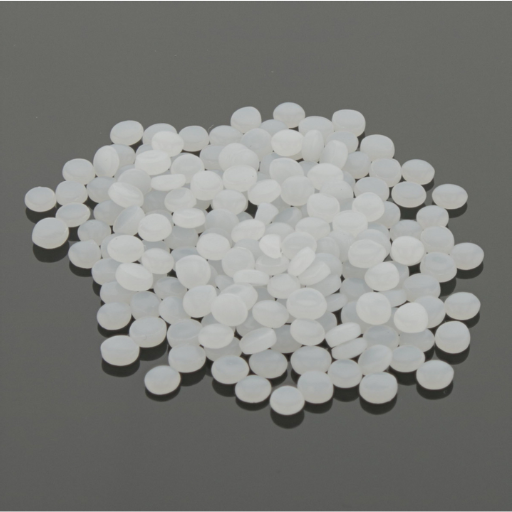
The one-pound rock tumbling plastic pellet bags used by hobbyists work well for beginner users but become costly and unpredictable when used by professional lapidary businesses. Chen’s Lapidary, a small jewelry manufacturing operation in Shenzhen, learned this lesson after scaling from ten barrels to forty. The different pellet sizes that hobby packs used during their various orders created inconsistent results throughout their production runs. The company achieved both cost savings and product consistency through their decision to partner with one supplier who enforced strict batch testing measures.
Small businesses require specific minimum order amounts and standard product specifications for rock tumbling plastic pellets as their primary need because they do not need any extra decorative packaging elements. Suppliers who provide material data sheets should demonstrate their capability to confirm the polymer grade and melt flow index and density of their products. Customers need to know about the size limits that their products will be manufactured at. A trustworthy rock tumbling plastic pellet supplier needs to provide two assurances which include building pellets that stay within a specific size limit and maintaining the same quality standards throughout different production runs.
Packaging materials control how long products remain fresh. The delivery of bulk polypropylene pellets needs to be packaged inside bags that remain sealed while protecting against moisture. The dust and dampness of storage areas create conditions that enable contaminants to enter because polypropylene plastics do not behave like water-absorbing materials. You need to keep unused media protected from sunlight exposure by storing it in a location that maintains cool and dry conditions.
A business which uses multiple tumblers during their daily operations needs to establish direct sourcing contracts to guarantee that they will maintain media availability throughout their most active production periods. The system provides you with power to demand tailored pellet dimensions based on your operational requirements.
Conclusion
Rock tumbling plastic pellets serve as an affordable effective solution which protects stones while delivering polished surfaces. The material serves as an additional resource which helps achieve optimal results during the polish and burnish processes.
The key takeaways are simple. Media selection should correspond with the current phase of work. The rock tumbling plastic pellets should be used for one specific grit level because it will result in contamination problems. You should examine the pellet uniformity and polymer grade before making your purchase. Businesses should choose bulk purchasing because it enables them to maintain product quality while managing expenses.
The first step of your lapidary process requires you to maintain high standards of material quality from your initial stone polishing to your entire lapidary operations. Your business will benefit from using proper plastic tumbling media which protects assets while decreasing the need for rework and creating the requested mirror finish.
Do you want to achieve better tumbling outcomes through the use of trustworthy polypropylene media? The team at Suzhou Yifuhui is available for you to contact today about your operation requirements which include specifications and minimum order quantities and custom material options.