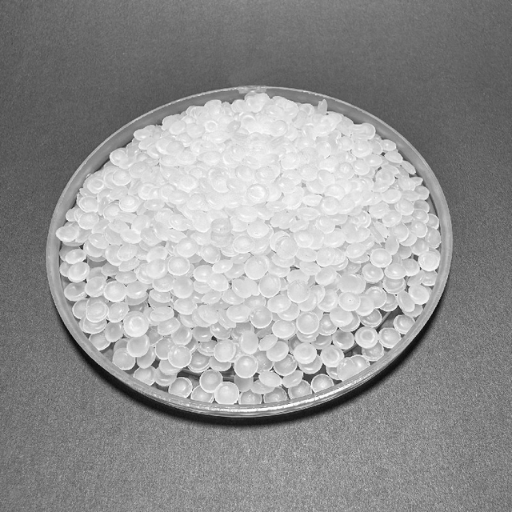
Your sustainability team just asked you to increase recycled content in next quarter’s production run. Now you are staring at two quotes: one for rHDPE pellets and one for rLDPE pellets. The supplier mentions a “mixed polyethylene stream” at a lower price, and you need a straight answer to one question before you approve anything: can HDPE and LDPE be recycled together?
The short answer is no, not in standard mechanical recycling. HDPE (High-Density Polyethylene, RIC #2) and LDPE (Low-Density Polyethylene, RIC #4) are both polyethylene, but their different densities, melting points, and molecular structures make them incompatible in the same recycling batch. Mixed streams contaminate each other, reduce pellet quality, and create processing problems downstream.
In this guide, you will learn why HDPE and LDPE must stay separated, what happens when they are mixed, how modern recycling facilities sort them, and how to specify quality rHDPE or rLDPE pellets for your manufacturing process.
Can HDPE and LDPE Be Recycled Together? The Direct Answer
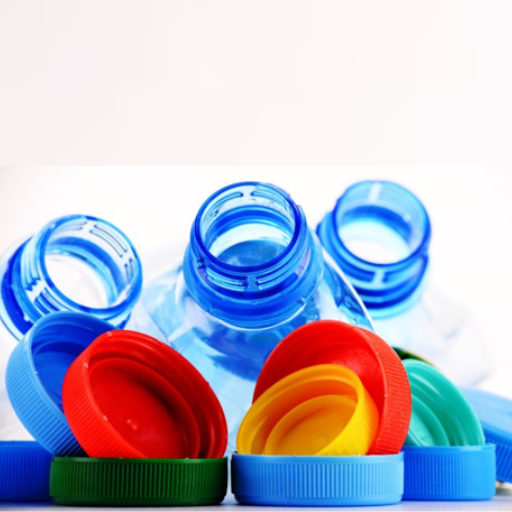
HDPE and LDPE are generally not recycled together in conventional mechanical recycling. Although both resins are polyethylene, their physical properties differ enough that combining them produces inconsistent recycled pellets.
When recyclers process HDPE, they want rigid, durable pellets with predictable density and melt flow. LDPE introduces flexibility, lower density, and a lower melting point into that stream. Even small amounts of LDPE contamination in an HDPE batch can soften the final product, reduce tensile strength, and cause surface defects. The same problem happens in reverse: HDPE contamination makes LDPE films stiff and brittle.
This is why recycling facilities separate the two resins at the sorting stage. HDPE bottles and containers go through one processing line, while LDPE films and bags go through another. The result is two distinct recycled pellet streams: rHDPE for rigid applications and rLDPE for film and flexible packaging.
Key takeaway: Both HDPE and LDPE are recyclable, but they require separate recycling streams to maintain material quality and end-use performance.
Why HDPE and LDPE Need Different Recycling Streams
The separation requirement comes down to three core differences: density, melting point, and molecular structure.
Density Differences
HDPE has a density range of 0.941–0.970 g/cm³, while LDPE falls between 0.910–0.940 g/cm³. That gap matters because recycling facilities use sink-float separation tanks to divide polymers by density. HDPE floats in water while PET and PVC sink, but LDPE floats even more readily due to its lower density. When the two resins are mixed, density-based sorting becomes less reliable and contamination slips through.
Melting Point Differences
HDPE melts at 125–137°C, while LDPE melts at 105–115°C. In a combined recycling extruder, LDPE reaches its melting point first and can degrade before HDPE fully melts. This temperature mismatch creates inconsistent melt flow, color variations, and weak spots in the finished pellets.
Molecular Structure
HDPE has a linear molecular structure with minimal branching. That linearity makes it rigid, strong, and crystalline. LDPE has extensive branching, which makes it flexible, soft, and less dense. These structural differences do not disappear during recycling. Once the resins are melted and re-pelletized, the mixed blend ends up with poor interfacial bonding and unpredictable mechanical properties.
| Property | HDPE | LDPE |
|---|---|---|
| Resin Identification Code | #2 | #4 |
| Density | 0.941–0.970 g/cm³ | 0.910–0.940 g/cm³ |
| Melting Point | 125–137°C | 105–115°C |
| Molecular Structure | Linear, minimal branching | Highly branched |
| Flexibility | Rigid and stiff | Soft and flexible |
| Common Recycling Stream | Curbside rigid containers | Store drop-off film programs |
Want the full material comparison? Read our complete HDPE vs LDPE comparison to understand how these differences affect manufacturing, not just recycling.
What Happens When HDPE and LDPE Are Recycled Together
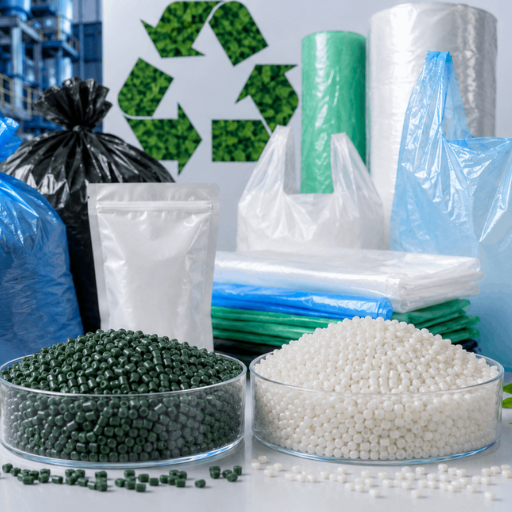
Mixing HDPE and LDPE might seem harmless because both are polyethylene, but the consequences show up quickly in pellet quality and finished parts.
Reduced Mechanical Strength
HDPE contamination in an LDPE film batch reduces elongation and tear resistance. LDPE contamination in an HDPE batch lowers tensile strength and impact resistance. The blended material often ends up weaker than either pure resin.
Inconsistent Melt Flow
Melt flow index (MFI) is one of the first specifications a processor checks. Mixed HDPE/LDPE pellets show wide MFI variation from batch to batch, causing inconsistent filling in injection molds or uneven film gauges in extrusion.
Surface Defects and Poor Appearance
The two resins do not blend into a homogeneous melt. The result can be streaking, gels, or phase-separated domains visible in molded parts or extruded film. These defects lead to higher scrap rates and rejected shipments.
Downcycling to Lower-Value Applications
When a mixed batch cannot meet specifications for high-value applications, recyclers often sell it for lower-grade uses such as composite lumber, drainage pipes, or non-structural fillers. That reduces the economic value of the recovered material and limits the range of products it can become.
Procurement insight: A “mixed polyethylene” pellet quote may look cheaper per kilogram, but the hidden costs include higher scrap rates, slower cycle times, and limited end-use options. Specify separated rHDPE or rLDPE unless your application can tolerate a compatibilized blend.
Understanding RIC #2 and RIC #4
The Resin Identification Code (RIC) system helps recyclers sort plastics by resin type. Under ASTM D7611/D7611M, the code identifies the material, not whether a specific item is recyclable in your local program.
What Is #2 Plastic? (HDPE)
RIC #2 covers High-Density Polyethylene. You will find it in:
- Milk jugs and detergent bottles
- Shampoo and household cleaner bottles
- Rigid food containers
- Pipes and fittings
- Crates and pallets
HDPE is one of the most widely accepted plastics in curbside recycling programs. It has a strong end-market because recycled HDPE can be turned into new bottles, pipes, decking, and durable packaging.
What Is #4 Plastic? (LDPE)
RIC #4 covers Low-Density Polyethylene. Common sources include:
- Grocery bags and bread bags
- Bubble wrap and stretch film
- Squeeze bottles
- Plastic wraps and liners
LDPE film is generally not accepted in curbside bins because it jams sorting machinery and has lower recycling value per pound. Most LDPE film recycling happens through retailer store drop-off programs or specialized film collection streams.
Why the Codes Matter for Buyers
If your procurement team sources recycled pellets, the RIC tells you which stream the material came from. rHDPE pellets from RIC #2 streams behave differently than rLDPE pellets from RIC #4 streams. Specifying the correct resin code helps you avoid contamination and match the pellet to your process.
How HDPE and LDPE Are Recycled Separately
Separate recycling streams mean separate process lines. Understanding the differences helps you evaluate supplier capabilities and pellet quality.
HDPE Recycling Process
- Collection and sorting: Curbside recyclables arrive at a materials recovery facility (MRF). NIR (near-infrared) optical sorters separate HDPE bottles from PET, PP, and other resins.
- Shredding and grinding: Rigid HDPE is ground into flakes.
- Hot washing: Flakes are washed at 60–85°C to remove labels, adhesives, and residues.
- Sink-float separation: HDPE flakes float while heavier contaminants sink.
- Drying: Moisture is reduced to below 1% before extrusion.
- Extrusion and pelletizing: The melt is filtered, degassed, and cut into pellets.
- Quality control: MFI, density, contamination, and color are tested before shipment.
LDPE Recycling Process
- Film collection: LDPE film is collected through store drop-off programs, warehouse baling, or post-industrial scrap.
- Pre-sorting: Film is screened for contaminants such as paper labels, tape, and other plastics.
- Wet granulation: Film is shredded into 20–40 mm flakes.
- Hot washing: Alkaline wash removes inks, adhesives, and odors.
- Squeeze drying: LDPE film holds more moisture than rigid plastics, so squeeze drying is critical.
- Low-shear extrusion: A longer screw design prevents polymer degradation.
- Pelletizing and classification: Pellets are cut and checked for quality.
The equipment, energy use, and quality risks differ between the two lines. A supplier that handles both resins needs separate washing, sorting, and extrusion systems to avoid cross-contamination.
When HDPE/LDPE Blending Can Work
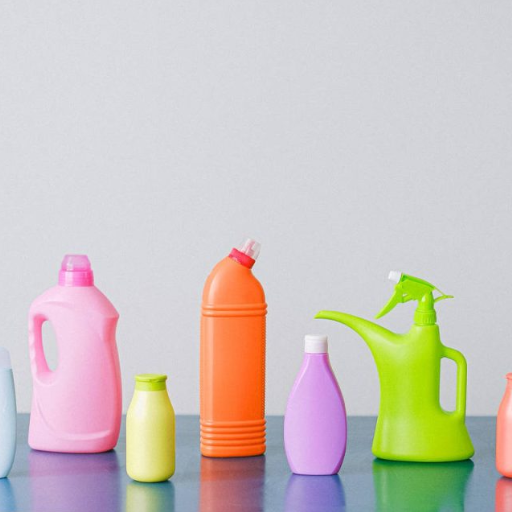
There are exceptions to the separation rule. In some cases, manufacturers intentionally blend HDPE and LDPE to achieve specific properties.
Intentional Compatibilized Blends
Recyclers and compounders can add compatibilizers to improve adhesion between HDPE and LDPE phases. Common options include:
- Maleic anhydride grafted polyolefins
- Ethylene-octene block copolymers
- Functionalized polyolefin masterbatches
These additives reduce domain size, improve impact strength, and create a more homogeneous blend. However, they add cost and require precise formulation. Intentional blends are not the same as accidental contamination from mixed waste streams.
Chemical Recycling Pathways
Chemical recycling technologies such as pyrolysis can process mixed polyethylene streams by breaking polymers down into monomers or feedstock oils. These pathways bypass the mechanical-property problems of mixed mechanical recycling, but they currently operate at smaller scale and higher cost.
Buyer Considerations for Blended Recycled Pellets
If you are evaluating a blended rHDPE/rLDPE pellet, request:
- MFI range and batch-to-batch tolerance
- Density and tensile test data
- Compatibilizer type and loading level
- End-use application limits
- Certificate of Analysis (COA) for every lot
Blended pellets can work for applications such as drainage pipes, non-structural profiles, or low-stress molded parts. They are usually not suitable for high-performance packaging, automotive components, or precision parts.
Sourcing Recycled HDPE and LDPE Pellets: Buyer Checklist
Whether you need rHDPE for rigid containers or rLDPE for film extrusion, the same sourcing discipline applies. Use this checklist to evaluate suppliers and avoid mixed-stream surprises.
Specify the Material Stream
- Ask for rHDPE or rLDPE specifically, not generic “recycled polyethylene.”
- Define post-consumer recycled (PCR) vs post-industrial recycled (PIR) content requirements.
- Confirm the supplier does not blend the two streams without disclosure.
Require Quality Specifications
- Melt flow index (MFI): Specify target range and acceptable tolerance.
- Density: Confirm the pellet falls within HDPE or LDPE density windows.
- Moisture content: Require below 1% to prevent processing defects.
- Contamination limits: Define acceptable levels of foreign polymers, paper, or metal.
- Color consistency: Specify visual standards and allowable color variation.
Request Documentation
- Certificate of Analysis (COA) for each batch
- ISO 14021 or equivalent environmental claims verification
- REACH, FDA, or food-contact compliance where applicable
- Chain-of-custody documentation for PCR content claims
Evaluate Supplier Capabilities
- Separate sorting and extrusion lines for HDPE and LDPE
- Incoming inspection and optical sorting equipment
- Batch consistency track record
- Technical support for processing issues
At Suzhou Yifuhui, we supply quality-controlled HDPE pellets and LDPE pellets for manufacturing applications. We also help buyers identify the right recycled or virgin polyethylene grade for their process, with clear specifications and reliable batch consistency.
Conclusion: Separate Streams, Better Pellets
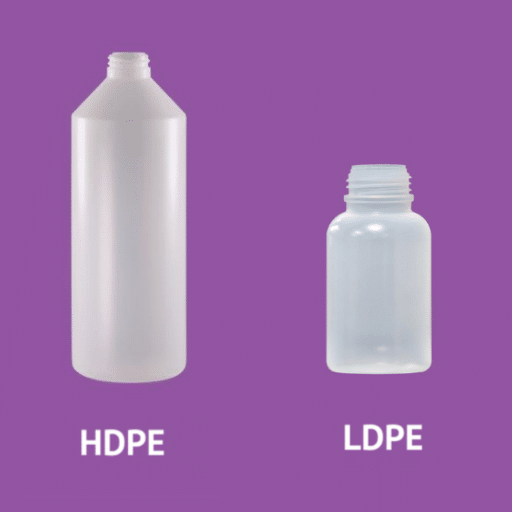
So, can HDPE and LDPE be recycled together? In standard mechanical recycling, the answer is no. Their differences in density, melting point, and molecular structure make separation essential for producing consistent, high-quality recycled pellets.
For manufacturing buyers, this means three things:
- Specify the resin clearly. Ask for rHDPE or rLDPE, not generic mixed polyethylene.
- Check supplier capabilities. Separate sorting and extrusion lines prevent cross-contamination.
- Request documentation. COAs, density data, and MFI tolerances protect your production line from off-spec material.
Mixed streams may look cheaper on paper, but the hidden costs show up as scrap, slower cycles, and limited applications. Separated streams deliver the consistency your process needs. To gain a deeper understanding of rHDPE vs rLDPE Pellets: How to Choose the Right Recycled Polyethylene, please click to refer to our accompanying guide.
Ready to source reliable polyethylene pellets? Contact our team today for rHDPE, rLDPE, or virgin polyethylene specifications, samples, and a competitive quote based on your volume requirements.