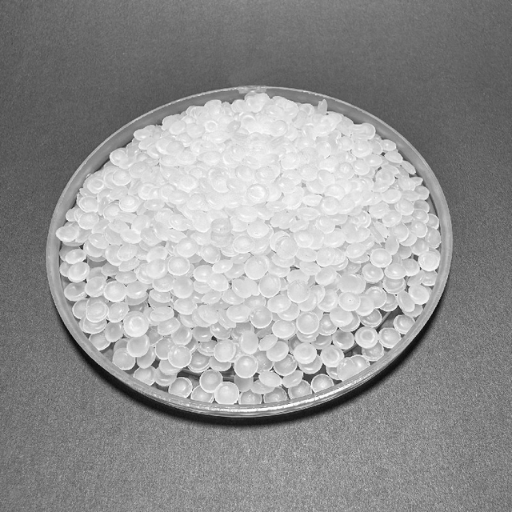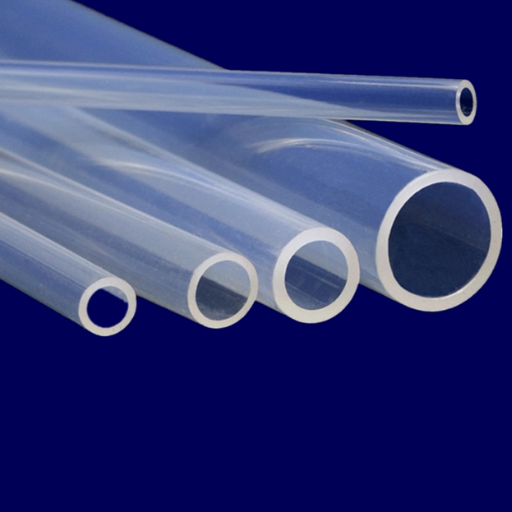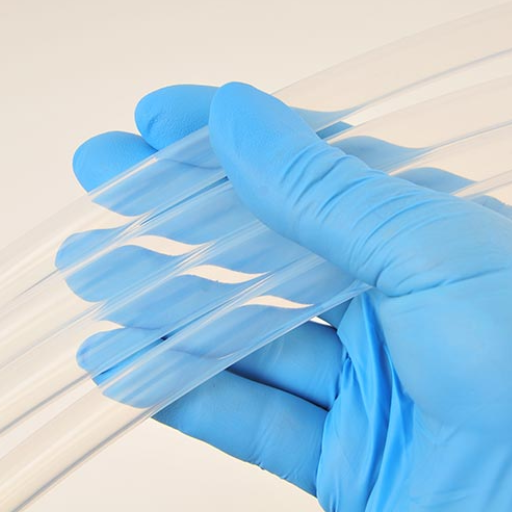
A film extruder once ordered HDPE pellets for a flexible food-wrap line. The film tore during winding. HDPE lacks the elongation and heat-sealability the application required. The resin was correct in isolation. The application match was wrong.
If you source polyethylene resins, you have probably faced a similar decision. HDPE and LDPE share the same base chemistry, yet one produces rigid bottles and pipes while the other wraps sandwiches and insulates cables. Understanding hdpe vs ldpe applications is not an academic exercise. It directly affects scrap rates, field failures, and total production cost.
This guide maps each material to real manufacturing use cases. By the end, you will know which polyethylene fits packaging, construction, automotive, medical, agriculture, and industrial applications. You will also understand how to match pellet grade, processing method, and certification to your end-use requirements.
Need help selecting the right polyethylene pellets for your application? Contact our materials team for a tailored recommendation and quote →
HDPE vs LDPE Applications at a Glance
HDPE stands for High-Density Polyethylene. Its polymer chains are mostly linear with very little branching. The chains pack tightly, giving the material higher density, rigidity, and tensile strength. LDPE stands for Low-Density Polyethylene. Its highly branched chains cannot pack tightly, so the material stays flexible, soft, and more translucent.
These molecular differences explain why hdpe vs ldpe applications rarely overlap. The two materials are built for different jobs. The table below summarizes the properties that drive selection. To gain a deeper understanding of HDPE vs LDPE Packaging: Which Polyethylene Fits Your Application?, please click to refer to our accompanying guide.
| Property | HDPE | LDPE |
|---|---|---|
| Density | 0.941–0.970 g/cm³ | 0.910–0.940 g/cm³ |
| Tensile strength | ~26–38 MPa | ~8–25 MPa |
| Flexibility | Rigid and stiff | Soft and flexible |
| Melting point | 120–137°C | 105–115°C |
| Chemical resistance | Excellent | Good |
| Transparency | Opaque to translucent | More translucent |
| Heat sealability | Lower | Better |
| Recycling code | #2 | #4 |
For a deeper comparison of chemistry, processing, and cost, see our complete HDPE vs LDPE material guide.
HDPE Applications by Industry
When buyers evaluate hdpe vs ldpe applications, HDPE dominates use cases that demand rigidity, strength, chemical resistance, or long-term durability. According to Grand View Research, the global polyethylene market exceeded $166 billion in 2025. HDPE accounts for the largest share of that demand, with packaging, pipes, and construction leading consumption.
Packaging: Bottles, Containers, and Closures
HDPE is the standard resin for rigid packaging. Milk jugs, detergent bottles, shampoo bottles, motor oil containers, and food tubs commonly use HDPE because it resists impact, holds shape under stacking loads, and forms a strong moisture barrier. Caps and closures also use HDPE for stiffness and consistent thread performance.
Procurement tip: Request blow-molding grades with the melt flow index matched to your bottle weight and wall thickness.
Construction: Pipes, Fittings, and Geomembranes
HDPE pressure pipes serve water distribution, gas distribution, and irrigation systems for 50 years or more. The material resists corrosion, chemicals, and soil stress better than metal alternatives. HDPE geomembranes line landfills, ponds, and mining heaps because they combine chemical resistance with flexibility in sheet form.
Automotive: Fuel Tanks and Fluid Reservoirs
Automotive manufacturers specify HDPE for fuel tanks, windshield washer reservoirs, coolant expansion tanks, and air ducts. The material withstands hydrocarbon exposure, vibration, and temperature cycling under the hood.
Medical and Pharmaceutical
HDPE appears in medical waste containers, tablet bottles, syrup bottles, labware, and diagnostic device housings. It accepts gamma sterilization and autoclaving in many grades, though verification against the specific standard is essential.
Industrial and Consumer Goods
Crates, pallets, storage bins, toys, outdoor furniture, and recycling containers often use HDPE. The material survives rough handling, UV exposure, and repeated washing better than LDPE.
Sourcing HDPE for a rigid application? View our HDPE pellet specifications and request a quote →
LDPE Applications by Industry
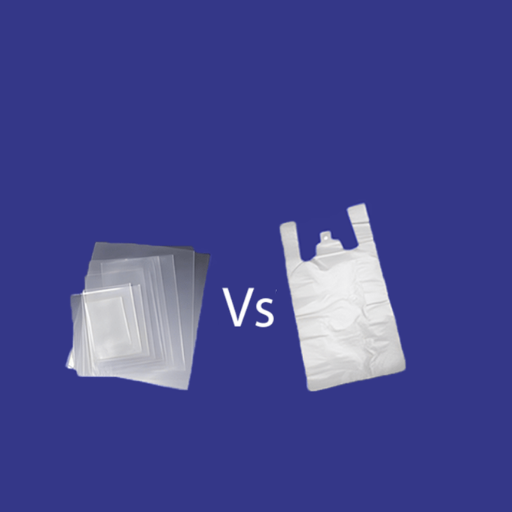
On the LDPE side of hdpe vs ldpe applications, flexibility, heat sealability, clarity, and low-temperature performance matter most. Film applications alone account for roughly 61% of LDPE consumption.
Packaging: Films, Bags, and Flexible Packaging
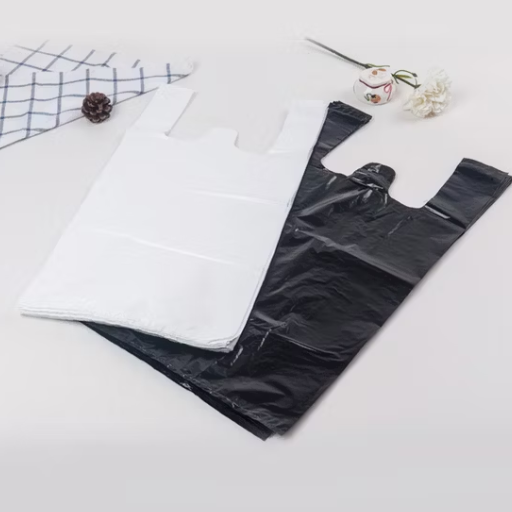
LDPE is the workhorse of flexible packaging. Grocery bags, produce bags, bread bags, shrink wrap, stretch film, and bubble wrap all rely on LDPE for tear resistance, softness, and easy sealing. Squeeze bottles for condiments, shampoo, and eye drops use LDPE because it rebounds after compression and forms leak-proof seals.
When you compare hdpe vs ldpe packaging directly, HDPE wins on rigidity and stack strength. LDPE wins on flexibility and seal performance.
Agriculture: Films and Irrigation
Agricultural film producers choose LDPE for greenhouse covers, mulch film, silage wrap, and drip irrigation tubing. The material remains flexible in cold weather, transmits light adequately, and accepts UV stabilizers for seasonal longevity.
Wire and Cable Insulation
LDPE insulates low-voltage wires and cables where flexibility and dielectric strength matter more than mechanical load. Indoor wiring, appliance cords, and telecommunications cables frequently use LDPE or LDPE blends.
Construction: Vapor Barriers and Protective Sheeting
LDPE sheeting serves as vapor barriers under concrete slabs, floor underlayment, and temporary protective covers. It is lighter and more conformable than HDPE sheeting, making it easier to install in irregular spaces.
Medical and Consumer Goods
Disposable gloves, medical tubing, specimen bags, and flexible sterile packaging use LDPE grades that meet biocompatibility and sterilization requirements. Consumer items such as toys, squeeze bottles, and storage containers also use LDPE when a softer feel is desired.
Looking for flexible LDPE pellets for film or packaging? Explore our LDPE pellet options →
Application Selection: HDPE or LDPE?
The right choice depends on what the part must do in service, not just material cost. Use the decision matrix below to guide specification.
| Application Requirement | Recommended Material | Why |
|---|---|---|
| Rigid container or bottle | HDPE | Holds shape, resists impact, lower material cost |
| Flexible film or bag | LDPE | High elongation, excellent heat sealability |
| Pressure pipe or conduit | HDPE | Long-term strength and chemical resistance |
| Wire or cable insulation | LDPE | Flexibility and dielectric performance |
| Outdoor or load-bearing part | HDPE | UV resistance, rigidity, durability |
| Squeeze bottle or soft closure | LDPE | Rebounds after compression, seals easily |
| Medical waste container | HDPE | Impact and chemical resistance |
| Flexible medical packaging | LDPE | Softness, clarity, heat sealing |
When Marcus, a procurement manager at a Midwest packaging company, switched his detergent bottle line from LDPE to HDPE, stacking strength improved by 30% and wall thickness dropped 15%. The line used less resin per bottle and reduced transit damage. His film division, however, kept LDPE for bread bags because HDPE could not deliver the required elongation and seal integrity.
Processing Methods That Shape HDPE vs LDPE Applications
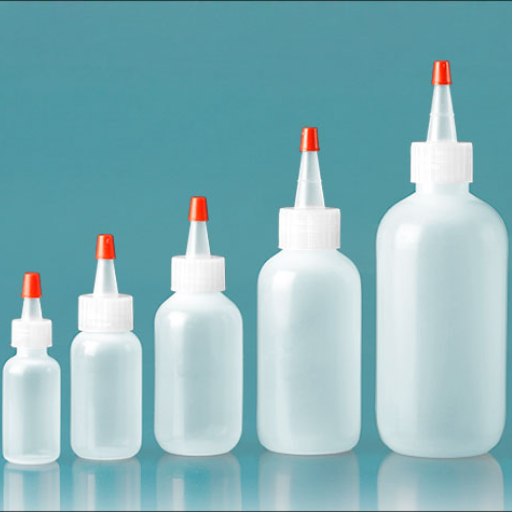
Processing method also determines which side of hdpe vs ldpe applications a pellet grade serves. Match the resin grade to the conversion method.
Injection Molding
HDPE injection molding produces rigid caps, crates, bins, and automotive parts. LDPE injection molding produces flexible components such as lids, gaskets, and soft-touch parts. HDPE shrinks more than LDPE, so mold design and cooling must account for higher warpage risk.
Blow Molding
HDPE blow molding dominates rigid bottles and jerrycans. LDPE blow molding suits squeeze bottles and small flexible containers. Bottle weight, parison programming, and die design differ significantly between the two.
Film Extrusion
LDPE film extrusion produces the bulk of flexible packaging films. HDPE film extrusion produces stronger, thinner films for industrial liners and heavy-duty bags where toughness matters more than clarity. Blown film lines for HDPE run at different temperature profiles and blow-up ratios than LDPE lines.
Pipe Extrusion
HDPE pipe extrusion creates water, gas, and drainage pipes. LDPE pipe extrusion is limited to low-pressure tubing and irrigation lines where flexibility is the priority.
For guidance on matching pellet grade to processing method, read our plastic pellets for injection molding guide.
Cost, Sustainability, and Recycling Considerations
Material cost is only part of the equation. Total cost of ownership includes processing yield, part performance, and end-of-life handling.
Cost Comparison by Application
HDPE typically costs less per kilogram than LDPE in commodity grades. However, LDPE films can be produced at very thin gauges, so the cost per part or package can be competitive. HDPE rigid parts often win on total cost because they use less resin for the same strength.
Recycling and Circular Economy
HDPE carries recycling code #2 and is widely accepted in curbside programs. The U. S. recovery rate for natural HDPE bottles is approximately 26%, and recycled HDPE retains 90–95% of virgin properties in many applications. For buyers evaluating recycled content, our recycled HDPE pellets guide explains how to source rHDPE with confidence.
LDPE carries recycling code #4. Thin LDPE films tangle in municipal sorting equipment, so real-world recovery rates for film are below 1%. Most LDPE film recycling happens through store drop-off programs or commercial film-collection streams.
2025 Regulatory Context
Regulation is pushing both materials toward higher recycled content. The EU Packaging and Packaging Waste Regulation requires 55% recycled plastic packaging by 2030. In the U. S., California, Colorado, Maine, and Oregon have extended producer responsibility laws, and Washington state mandates 50% recycled content in plastic containers by 2031.
Sourcing HDPE and LDPE Pellets for Your Application
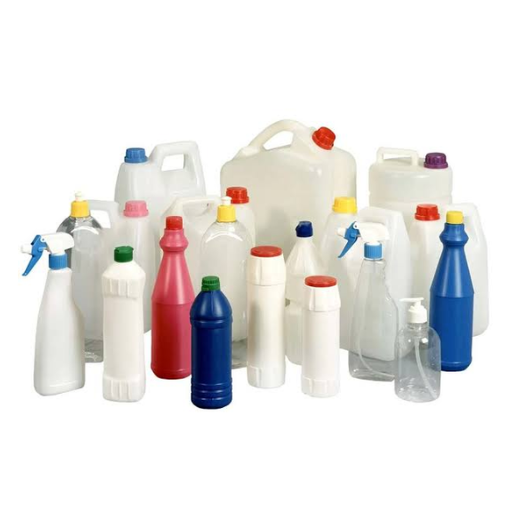
Selecting the right resin from all hdpe vs ldpe applications is step one. Sourcing the right pellet grade is step two.
Matching Pellet Grade to Application
Check the technical data sheet for density, melt flow index, tensile strength, and additive package. A pipe-grade HDPE pellet will not run well in a thin-wall injection molding application. A film-grade LDPE pellet will not deliver the rigidity a bottle manufacturer needs.
Certifications to Require
Common certifications include FDA compliance for food contact, REACH and RoHS for European markets, and ISO standards for quality systems. Medical applications may require USP Class VI or gamma-sterilization validation.
Supplier Evaluation Checklist
- Confirm batch-to-batch consistency and certificate of analysis availability
- Verify lead times, minimum order quantities, and packaging options
- Ask for sample quantities for production trials
- Review technical support availability for grade selection
- Check quality control protocols for density and melt flow testing
When the team at Acme Components needed a reliable HDPE supply for automotive fuel tanks, they prioritized suppliers who provided COAs with every lot and held ISO 9001 certification. Consistent melt flow and density prevented the warpage issues they had experienced with inconsistent commodity grades.
Frequently Asked Questions About HDPE vs LDPE Applications
What is the main difference between HDPE and LDPE applications?
HDPE applications need rigidity, strength, and durability. LDPE applications need flexibility, heat sealability, and clarity. The same polyethylene family serves opposite ends of the manufacturing spectrum.
Which is better for packaging, HDPE or LDPE?
It depends on the package type. HDPE vs LDPE packaging choices usually come down to rigidity versus flexibility. HDPE works for rigid bottles and containers. LDPE works for films, bags, and squeeze bottles.
Can HDPE and LDPE be recycled together?
No. They have different recycling codes (#2 and #4) and different melting points. Mixed recycling reduces material strength, so they must be separated.
Which is more expensive, HDPE or LDPE?
HDPE usually costs less per kilogram in commodity grades. LDPE can be cheaper per package when produced as very thin film. Total cost depends on part design and processing yield.
Where are HDPE vs LDPE uses most similar?
Both materials appear in packaging, medical, and consumer goods. However, they rarely serve the same function within those industries. One handles load and stress; the other handles flex and seal.
Conclusion
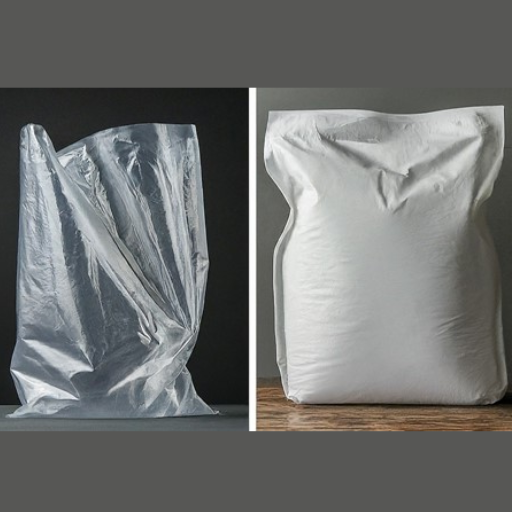
In summary, hdpe vs ldpe applications span opposite ends of the manufacturing spectrum. HDPE delivers rigidity, strength, chemical resistance, and recyclability for bottles, pipes, automotive parts, and industrial containers. LDPE delivers flexibility, heat sealability, and clarity for films, bags, cables, and agricultural covers.
The best specification starts with the end-use requirement, then maps to the right resin grade, processing method, and supplier quality controls. Cost per kilogram matters, but application fit matters more.
Key takeaways:
- HDPE suits rigid, load-bearing, and chemically exposed applications.
- LDPE suits flexible films, squeeze bottles, and cable insulation.
- Processing method strongly influences which grade performs best.
- HDPE is easier to recycle in standard municipal streams.
- Always match pellet grade, certifications, and COA requirements to the application.
Ready to match hdpe vs ldpe applications to the right pellets for your next production run? Contact our team for a custom quote and material recommendation →