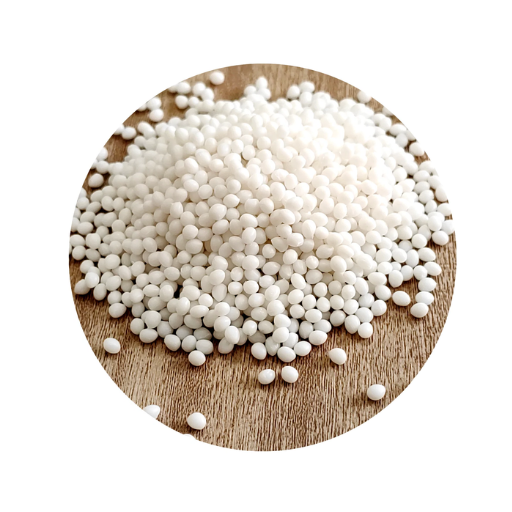
Polypropylene can be suitable for food storage when the finished container meets food-contact requirements for its intended use. The number 5 or letters PP identify the plastic; they do not establish that every container is food grade, microwave safe, or suitable for repeated use.
If you are asking, “Is 5 PP plastic food safe?”, start with three checks: Was this item made for food contact? Which storage and heating conditions does its manufacturer allow? Is it still in suitable condition? These checks are more useful than relying on the resin code alone.
The FDA’s food-contact overview explains that safety assessment considers the intended use, substances migrating into food, and resulting exposure. A claim that all PP containers never release any substances goes beyond that evidence.
What does 5 PP mean on a food container?

PP stands for polypropylene. The number 5 is its resin identification code, as shown in Oregon DEQ’s material definitions. It answers a material-identification question, rather than approving a particular use.
ASTM’s resin-identification practice also distinguishes resin identification from recyclability. A code does not guarantee that a local collection service accepts the item. It is neither a food-safety rating nor a ranking against other plastics.
Read different markings separately:
| Marking or information | What to check |
|---|---|
| 5 or PP | Identifies the resin; seek separate food-use information. |
| Food-contact wording, symbol, or product description | Establishes the stated food-contact purpose; read any limitations. |
| Microwave-use instructions | Confirm the permitted heating method, duration, and lid position. |
| Freezer or dishwasher instructions | Confirm each use separately, including restrictions on lids and seals. |
| Reuse instructions | Establish whether the item is intended for repeated use. |
For a fuller explanation of the marking, see our guide to the number 5 resin code. Use the container’s instructions to make the food-storage decision.
When is a PP container suitable for food storage?
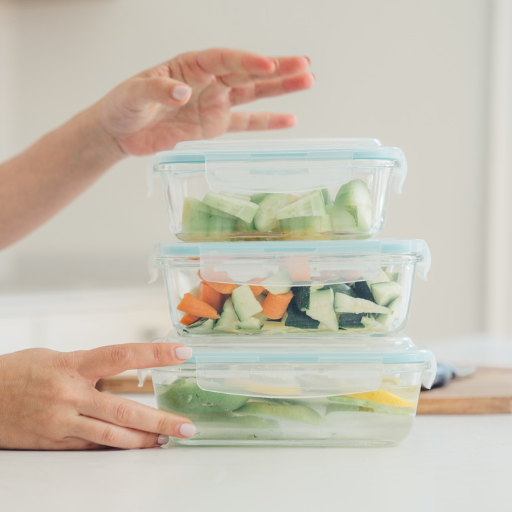
Food-contact suitability applies to a particular material or article under particular conditions. A PP marking by itself cannot tell you whether a container is appropriate for an acidic sauce, oily food, hot filling, or prolonged storage.
The FDA’s food types and conditions of use distinguish food categories and uses such as room-temperature, refrigerated, and frozen storage. Storage followed by reheating is also treated separately. This is why “food grade” should lead to a question about the intended use, rather than end the inquiry.
For household use, work through this checklist:
- Identify the purpose. Look for the original packaging, product listing, or manufacturer’s instructions showing that the item is intended for food contact. Do not repurpose an unidentified utility container just because it says PP.
- Match the conditions. Check whether the instructions cover the food, storage duration, and temperature you plan to use. Permission for cold storage does not establish permission for hot filling.
- Check the whole container. Read the instructions for the body, lid, and any seal. Do not assume every component has the same permitted uses.
- Resolve missing information. Ask the manufacturer about the specific item. If its food-contact purpose or intended conditions remain unclear, choose a container with clear instructions.
For example, a takeaway tub arriving with cold food does not, by that fact alone, establish suitability for repeated reheating. Treat this as a label-and-instructions decision rather than a judgment based on its appearance or thickness.
Container suitability also does not establish how long the food itself can be stored. Keep the food’s storage directions separate from the container’s use limits.
Does food-safe PP also mean microwave-safe?
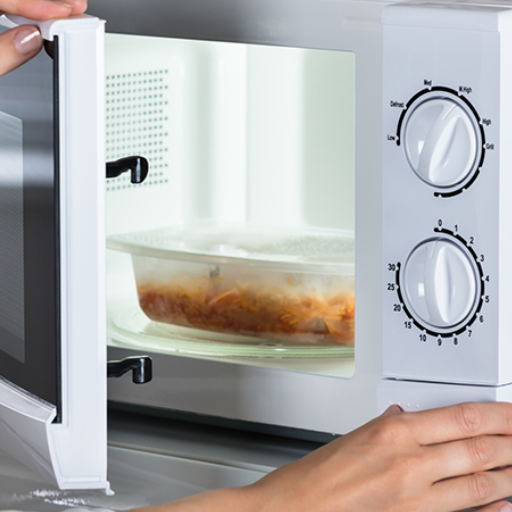
Food-storage suitability does not automatically permit microwave heating. Use a PP container in a microwave only when its instructions allow that use, and follow the appliance instructions too. Check whether the lid should be removed, loosened, or vented as directed for that product.
The FDA’s microwave guidance explains that some plastic containers can melt from the heat of the food inside. A polymer’s melting point therefore cannot serve as a general food-contact compliance certificate or a universal reheating limit.
If a tub has only a 5 PP mark and no clear microwave permission, transfer the food to an appropriately labelled microwave-safe glass or ceramic vessel. Do not infer a heating time, power setting, or temperature limit from the code.
Freezing and dishwashing need their own checks. A microwave-safe label does not establish freezer suitability, and food-contact wording does not establish dishwasher suitability. Follow the specific care instructions rather than a general “top rack is always safe” rule.
For more on heating labels and use decisions, see our PP container microwave-use guide. The decision for your particular item still rests on its instructions.
How does PP compare with other storage materials?
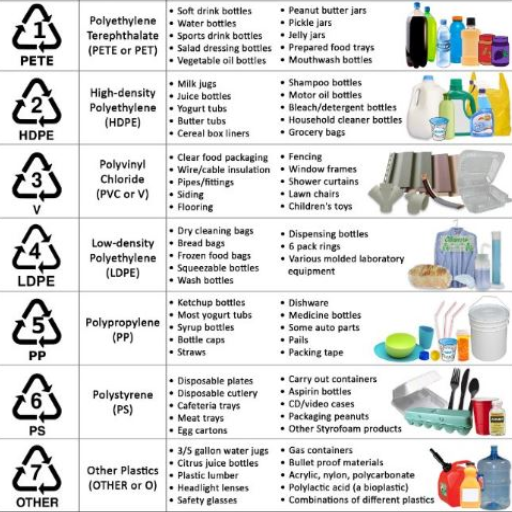
Compare finished containers by the job they need to do. A resin code cannot establish which of two products is safer for a particular food or heating process.
If you are choosing between PP and a container made from HDPE, compare their stated food-contact purpose, storage conditions, cleaning method, and reusable design. Apply the same checks to other plastics. Avoid a chart that ranks safety simply by the number stamped underneath.
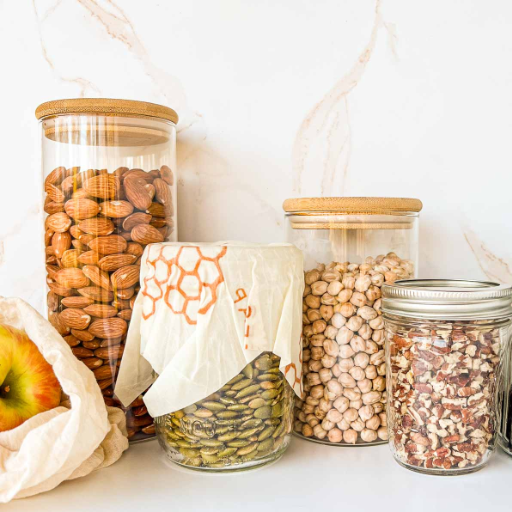
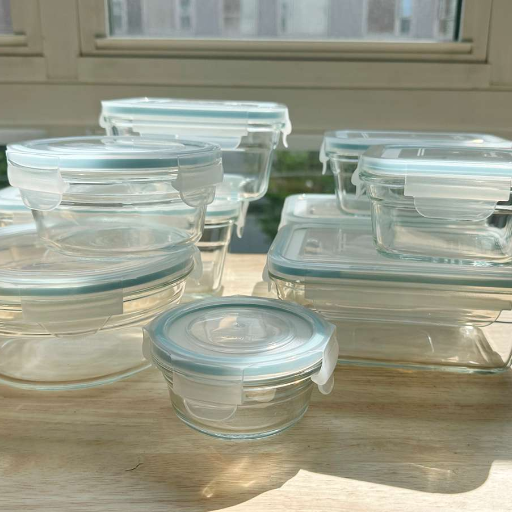
For an alternative to PP, begin with the same intended-use questions. Check a glass, ceramic, steel, or silicone product’s own food-contact and care instructions. For microwave heating, choose an appropriately labelled microwave-safe vessel and follow the appliance guidance linked above. A microwave label does not, by itself, establish conventional-oven suitability.
Also consider practical needs such as lid fit, ease of cleaning, carrying weight, and the available storage space. These are useful buying criteria, but they are separate from evidence of food-contact compliance. A different material name or an environmental marketing label does not remove the need to check the exact product.
Reuse, cleaning, and when to stop using a container
Start by checking whether the item is intended for repeated use. Neither a code 5 marking nor a successful first use establishes an unlimited reuse life. Follow any manufacturer’s limits on repeated washing, heating, or storage.
As a practical care routine:
- Follow the container’s cleaning instructions, including the specified washing method and any restrictions for the lid or seal.
- Before reuse, inspect for cracks, distortion, a poorly fitting lid, or surfaces that you cannot clean properly. Stop using damaged items for food and seek the manufacturer’s replacement guidance.
- Do not assume that an item which still looks intact is suitable for an unlisted use.
- If sanitizing is required, follow both the container instructions and the directions on a sanitizer labelled for the relevant food-contact use. Do not improvise a chemical recipe.
These are inspection and handling recommendations, not a chemical safety test. There is no universal replacement calendar or reuse count that can be established from the PP code. If an item’s history or instructions are unknown, select a clearly specified replacement instead of guessing.
What should food-packaging buyers request?
For packaging procurement, ask for documentation tied to the exact resin grade or finished article and the intended market. A technical data sheet can describe processing or physical properties, but those properties alone do not establish food-contact compliance.
Before approving a material or container, request:
- Exact identification: the resin grade or finished-article reference covered by the documents.
- Intended food contact: the food types and contact conditions covered, including time and temperature.
- Use pattern: single or repeated use, with relevant limitations on reheating, freezing, and cleaning.
- Regulatory basis: the applicable food-contact authorization or compliance statement for the destination market.
- Supporting information: migration assessment or other compliance support appropriate to the article and intended conditions.
For the EU, the European Commission’s food-contact legislation overview explains the framework under Regulation (EC) No 1935/2004 and the specific plastics rules under Regulation (EU) No 10/2011. It describes migration testing under representative contact conditions and the Declaration of Compliance used in the supply chain before the retail stage. This is more specific than a generic “EU approved” claim.
The Commission also lists Regulation (EU) 2025/351 as an amendment concerning quality control and manufacturing of plastic food-contact materials. Ask suppliers to identify the applicable current requirements in their documentation, rather than relying on an undated declaration or the name of the base polymer.
Keep resin documentation and finished-container suitability distinct. Before acceptance, confirm that the documentation covers the supplied item and proposed use; a document about a starting resin does not by itself answer every question about the finished container.
EU packaging update: a separate purchasing check
In its 11 August 2026 packaging update, the European Commission reported phased application of the Packaging and Packaging Waste Regulation from 12 August 2026, including restrictions on PFAS in food-contact packaging. EU-market buyers should check applicable packaging requirements alongside food-contact documentation. This development is not a general ban on PP and does not mean a household must discard every PP container.
Frequently asked questions
Is code 5 proof that a container is food grade?
No. It identifies polypropylene. Confirm that the finished item is intended for food contact and that its instructions cover your use. The code alone supplies neither of those answers.
Can I reheat or reuse a PP takeaway tub?
Only when the manufacturer’s instructions allow the relevant use. Microwave permission and repeated-use permission are separate checks. If that information is unavailable, use a container with clear instructions for the task.
Does BPA-free mean microwave-safe?
No. A BPA-free claim addresses a particular substance; it does not establish permitted heating conditions or every aspect of food-contact suitability. Look for explicit microwave-use instructions for the container and lid.
Is there one safe temperature for all PP containers?
No universal limit follows from the resin code. Use the limits stated for the exact container and the intended process. Do not substitute a general polymer property for those instructions.
Does the FDA approve every polypropylene container?
No blanket approval follows from the material name. The FDA describes authorization and safety assessment in relation to intended uses of food-contact substances. A PP stamp does not prove compliance for an individual finished product.
For a container already in your kitchen, check its food-contact purpose, permitted conditions, and condition before use. For resin or packaging procurement, use our food-grade resin procurement checklist to organize the intended-use information and documents you need before selecting a material.