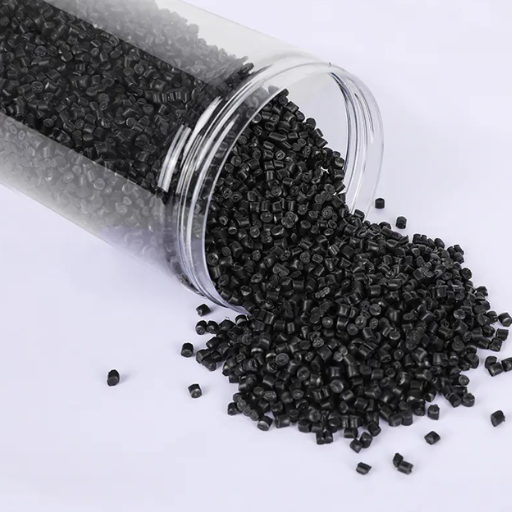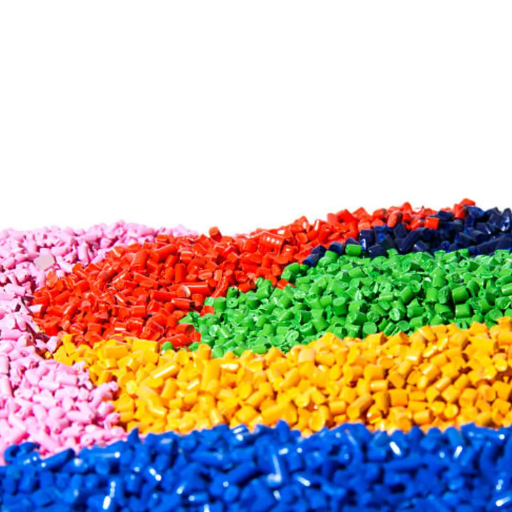
In 2023, global plastic production reached more than 400 million metric tons. Yet for all that volume, one fact surprises even seasoned procurement managers: the difference between a smooth production run and a costly shutdown often comes down to a single decision made before the first pellet ever reaches the hopper.
You already know that plastic resin pellets are the raw material foundation of modern manufacturing. The entire production line will experience halts because of the wrong choice that was made between grade selection and moisture content determination and polymer type selection. This guide delivers exactly what you need to evaluate, select, and source plastic resin pellets with confidence. The course will teach you about major polymer categories and technical data sheet reading and defect prevention through drying and handling requirements and total cost of ownership pricing factors.
Not sure which plastic resin pellets match your application? Contact our materials engineers for tailored guidance based on your process and performance requirements.
What Are Plastic Resin Pellets?
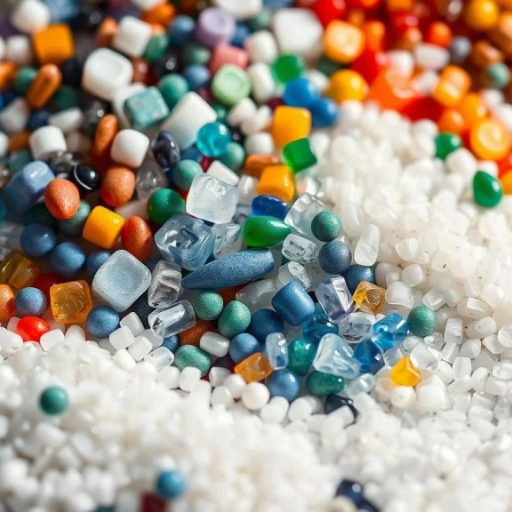
Plastic resin pellets consist of small, standardized polymer resin particles which manufacturers use as the basic material for various thermoplastic processing techniques including injection molding and extrusion and blow molding. The pellet form matters more than most buyers realize. Pellets feed continuously through automated hoppers. The system delivers exact weight measurements. The system creates less dust emissions compared to powder materials. The system enables efficient storage and transportation through bulk bags and gaylord boxes and silos.
The industry uses the term “resin” to describe unprocessed polymer material while “plastic” refers to materials that have undergone processing into their ultimate form. When you buy plastic resin pellets, you are purchasing the intermediate state: pure polymer, often compounded with additives, colorants, or reinforcements, shaped into granules ready for your production equipment.
Manufacturers start their production process with polymerization, which creates long polymer chains through the chemical bonding of monomers. The base polymer undergoes mixing with stabilizers and flame retardants and glass fibers through compounders. An extruder melts and homogenizes the blend. The pelletizer transforms the extruded strands into identical cylinder and sphere shapes. The quality control team conducts tests on melt flow properties and color and mechanical characteristics before they release the product.
Plastic resin pellets are small, uniform granules of polymer resin produced as the standard raw material for injection molding, extrusion, and other thermoplastic processing. The system enables automated manufacturing processes through its ability to deliver materials at a constant rate while maintaining precise weight measurements and enabling secure storage and transportation of materials.precise dosing, and efficient handling in automated manufacturing environments.
Major Types of Plastic Resin Pellets
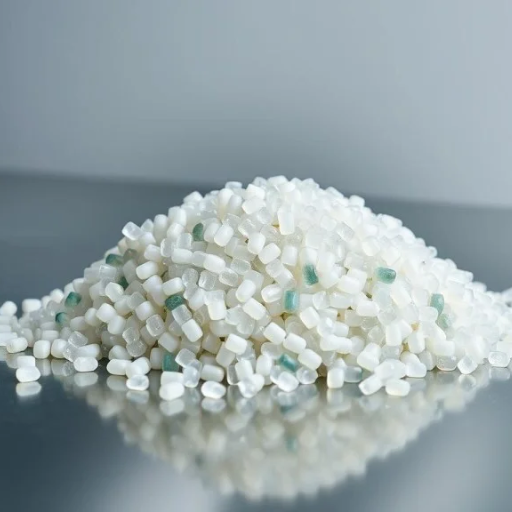
Manufacturers classify plastic resin pellets into two broad categories: commodity resins and engineering resins. Commodity resins make up the largest portion of production. Engineering resins command higher prices due to specialized performance.
Commodity Resins
Polyethylene (PE) Pellets
PE represents the most commonly used plastic material which exists throughout the entire world. HDPE provides bottles and pipes and containers with its durable and chemicalproof properties. LDPE enables films and packaging to maintain their flexible characteristics. LLDPE delivers both strength and processing capabilities which manufacturers use to produce stretch wrap and industrial liners.
Polypropylene (PP) Pellets
PP exhibits outstanding chemical resistance while maintaining a low density and providing sufficient impact protection. Homopolymer PP suits rigid applications like automotive battery housings and appliance parts. Copolymer PP includes two types known as random and block which provide enhanced toughness and transparency for food containers and medical devices.
Polyvinyl Chloride (PVC) Pellets
Rigid PVC serves as the main material used in construction projects which need piping and window profiles and siding. Flexible PVC exists as a plasticized material that uses additives to create cables and flooring materials and medical tubing. PVC requires careful temperature control during processing to prevent degradation.
Polystyrene (PS) Pellets
General-purpose PS (GPPS) provides transparent plastic material which displays strong rigidity to make disposable cutlery and CD cases and laboratoryware. High-impact PS (HIPS) adds rubber content for improved toughness in appliance housings and toy manufacturing.
Polyethylene Terephthalate (PET) Pellets
Bottle-grade PET dominates beverage packaging. Fiber-grade PET supplies the textile industry. PET provides exceptional visual clarity together with protective features and recyclable capabilities. The material requires strict drying procedures before it can undergo processing because of its high hygroscopic nature.
Engineering Resins
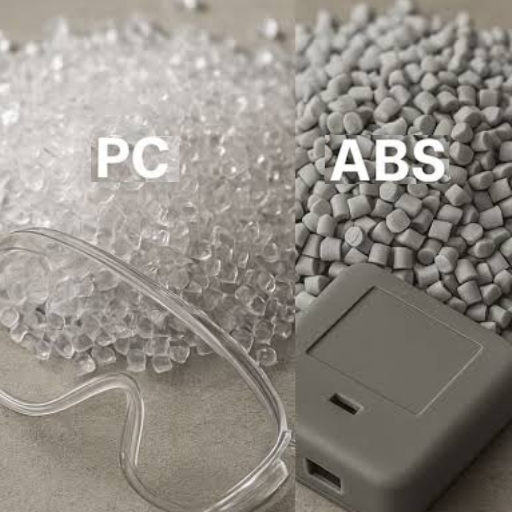
ABS (Acrylonitrile Butadiene Styrene) Pellets
ABS combines the strength of acrylonitrile, the toughness of butadiene, and the processability of styrene. It delivers high impact resistance, excellent surface finish, and easy platability. Automotive interiors, electronics housings, and appliance panels rely heavily on ABS. For a deeper look at selecting and sourcing this material, see our ABS plastic pellets procurement guide.
Polycarbonate (PC) Pellets
PC provides exceptional optical clarity because it can withstand high temperatures and endure extreme physical force. The material is used in automotive lighting systems and electronic display technologies and medical equipment and protective gear. The cost of PC pellets comes at 2-3 times the price of basic materials yet their performance justifies the higher expense.
Polyamide (PA / Nylon) Pellets
The two most common grades of the material are PA6 and PA66. The materials offer high mechanical strength and wear resistance and thermal stability. Polyamide serves as the base material for automotive under-hood parts and industrial gear systems and textile fibers. The material PA requires drying before molding because it exhibits strong hygroscopic properties which are similar to PET.
Specialty Engineering Resins
POM (acetal) provides low friction characteristics together with dimensional stability which makes it suitable for use in precision gears and bearings. PMMA (acrylic) produces display and lighting materials that have glass-like clarity. PBT provides electronic components with both electrical properties and heat resistance capabilities for connectors and switches. PPO and its blends create electrical housings which can withstand high temperatures until the materials begin to distort.
|
Resin Type |
Density (g/cm3) |
Melt Temp (°C) |
Key Properties |
Primary Applications |
|---|---|---|---|---|
|
HDPE |
0.94-0.97 |
130-137 |
Chemical resistance, rigidity |
Bottles, pipes, containers |
|
PP |
0.90-0.91 |
160-171 |
Low density, chemical resistance |
Automotive, packaging, medical |
|
PVC |
1.16-1.58 |
100-260 |
Versatile, flame resistant |
Construction, cables, flooring |
|
PS |
1.04-1.05 |
180-260 |
Clarity, stiffness |
Packaging, appliances, toys |
|
PET |
1.38-1.40 |
250-260 |
Clarity, barrier properties |
Bottles, textiles, films |
|
ABS |
1.03-1.06 |
200-280 |
Impact resistance, surface finish |
Automotive, electronics |
|
PC |
1.20-1.22 |
225-250 |
Optical clarity, heat resistance |
Lighting, medical, safety |
|
PA66 |
1.13-1.15 |
260-265 |
Wear resistance, strength |
Gears, automotive, textiles |
How Plastic Resin Pellets Are Manufactured
The evaluation of supplier performance through pellet production knowledge enables you to identify discrepancies which would otherwise go undetected until they arrived at your production area.
Polymerization
The process begins with raw monomers. Addition polymerization, used for PE, PP, and PVC, links monomers through catalyst-driven reactions without byproducts. In condensation polymerization PA PET and PC production processes produce small molecule byproducts which include water during chain development and need accurate stoichiometric management.
Compounding
Your facility receives base polymer materials in less than complete unadulterated form. The process of color masterbatch and UV stabilizer and flame retardant and impact modifier and reinforcing fiber blending produces compound material. The goal is a homogeneous melt with predictable properties. The product of poor compounding results in three defects which include color streaks and weak spots and inconsistent melt flow.
Extrusion and Pelletizing
The twin-screw extruder performs two functions which involve both melting and shearing of the compound material. Strand pelletizers use a water bath to pull extruded strands through their system before their operators cut them into cylindrical pellets. Underwater pelletizers cut the melt directly at the die face which produces spherical pellets with excellent flow characteristics. Hot-face cutting offers an advantage of increased production rates for polymers which maintain their stability at high temperatures.
Quality Control
Every shipment from trustworthy suppliers undergoes testing. The team evaluates melt flow index to establish product capability for processing. The team evaluates color properties according to established master standards. The team verifies tensile strength and impact resistance against technical data sheet specifications. The team keeps samples for future identification needs.
The procurement manager Marcus at a Guangdong electronics manufacturer switched to an economical ABS vendor during early 2024 and discovered the new material matched his previous shipment. Three weeks into production, silver streaking appeared on monitor housings. The analysis of root causes identified two problems which included inconsistent butadiene content and the supplier’s failure to provide proper drying. The defective batch forced a line shutdown which resulted in 8000 scrapped parts and the delay of a major client delivery. Marcus returned to his original supplier and added incoming moisture testing
Choosing the Right Plastic Resin Pellets for Your Application
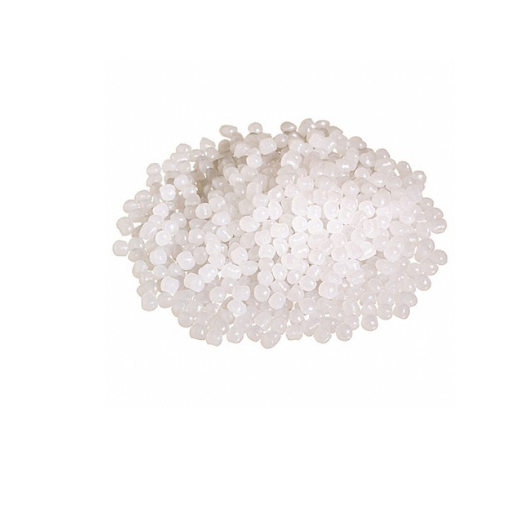
The process of choosing resin pellets demands three specific elements which include the manufacturing method, the final product use and the legal regulations.
Match the Resin to the Manufacturing Process
The requirements of injection molding demand pellets which provide constant melt flow properties through their entire thermal degradation process. Extrusion needs materials which maintain their viscosity characteristics throughout extended operational periods. The blow molding process requires materials which exhibit strong melt resistance to prevent parison sagging. Compression molding accepts a broad range of viscosity values but requires identical pellet dimensions to achieve proper heat distribution.
Match the Resin to the Application
The evaluation begins with the mechanical requirements. Does the part need high tensile strength or flexibility? Will it face impact loads or static pressure? The evaluation process now moves to thermal requirements which need assessment. What is the maximum service temperature? Will the part encounter thermal cycling? The next step is to evaluate how different substances will react with the materials. Oils, solvents, and acids attack some polymers aggressively while leaving others unaffected.
How to Read a Technical Data Sheet
The technical data sheet (TDS) serves as your primary document for sourcing purposes. The essential elements which need your attention include these specific parameters:
- Melt Flow Index (MFI or MFR): Measures how easily the polymer flows when melted. The melt becomes more liquid when the MFI value increases from its base. The lower MFI value enables better performance for parts which have thicker wall sections.
- Tensile Strength: The maximum stress the material withstands while being stretched. The unit of measurement exists in two forms which are MPa and psi.
- Flexural Modulus: The material shows its stiffness through this measurement. The material exhibits better strength because of higher material value.
- Heat Deflection Temperature (HDT): The temperature at which the material deforms under a standard load. This aspect holds critical importance for parts which exist in proximity to heat sources.
- Impact Strength (Izod or Charpy): The test evaluates material toughness. The material exhibits better resistance to cracking when it faces sudden impact according to higher test results.
Verify Certifications and Compliance
Different industries demand different certifications. The FDA and EU 10/2011 regulations establish requirements for food-contact applications. Medical devices require ISO 10993 biocompatibility. IATF 16949 traceability is a standard requirement for automotive suppliers. Electronics housings may require UL94 flame ratings. Electrical components need appropriate dielectric strength certifications.
You should ask for specific test certificates that apply to each lot instead of accepting general product data sheets. A certificate of analysis (COA) proves the batch you received matches the specifications you ordered.
Ready to source high-quality plastic resin pellets? Request a competitive quote from Yifuhui today and receive a detailed material recommendation within 24 hours.
Handling, Storage, and Processing Best Practices
Even the highest-quality plastic resin pellets fail if mishandled. Moisture, contamination, and improper storage degrade properties before the material ever reaches your mold.
Moisture Sensitivity by Resin Type
Hygroscopic resins absorb moisture from ambient air. PA6 can reach 3% moisture content after 24 hours in humid conditions. PET and PC also absorb significant water. The moisture content of the material boils during processing which results in splay and bubbles and weak points in the finished parts.
Non-hygroscopic resins like PE, PP, and PS absorb minimal moisture. The materials require only brief warm-air drying or they can skip the drying process entirely.
Recommended Drying Parameters
|
Resin |
Drying Temperature (°C) |
Drying Time (hours) |
Target Moisture (%) |
|---|---|---|---|
|
PET |
130-160 |
4-6 |
<0.02 |
|
PA6 |
80-100 |
4-6 |
<0.15 |
|
PA66 |
80-100 |
4-6 |
<0.10 |
|
PC |
120-130 |
3-4 |
<0.02 |
|
ABS |
80-85 |
2-4 |
<0.10 |
|
PBT |
120-140 |
3-4 |
<0.04 |
|
PP/PE/PS |
60-70 |
1-2 |
<0.05 |
Desiccant dryers with -40°C dew point air outperform hot-air dryers for hygroscopic materials. The investment pays for itself in reduced defect rates and scrap.
Storage Conditions
Pellets require storage in a cool and dry space which needs protection from direct sunlight. UV exposure degrades most polymers over time. Oxidation proceeds at an increased rate when temperatures exceed 40°C. Sealed bags become penetrable because of high humidity conditions.
Different resin types need to remain physically separated from each other. Cross-contamination between grades, even in small quantities, alters melt behavior and mechanical properties. The label on every container needs to show resin type and grade and lot number and date received information.
Common Processing Defects and Prevention
The first step requires you to investigate the drying conditions.
The production process suffers from short shots and incomplete filling because of two main problems which include either insufficient melt temperature or low injection pressure or inadequate venting.
The warpage of the product occurs because of three factors which include uneven cooling and excessive shrinkage and incorrect gate placement. The team must examine both the mold design and the cooling channel flow rates used in the process.
The presence of color inconsistencies shows that the mixing process was poor and the masterbatch material degraded and the product received outside contamination. The team needs to verify compound homogeneity while they examine the hopper for any foreign material.
Sarah started her job as factory manager at a Jiangsu automotive parts plant during the last months of 2024. The factory operated with a 22 percent defect rate for its PA66 connector housings at the time. The previous manager had skipped drying to save time. Sarah established a desiccant dryer system she implemented the 4-hour drying requirement and she trained her staff to perform moisture testing. The defect rates experienced a decline which reached 4 percent within the first six weeks. The company saved more than $180000 from reduced annual scrap expenses.
Virgin vs. Recycled vs. Bio-Based Plastic Pellets
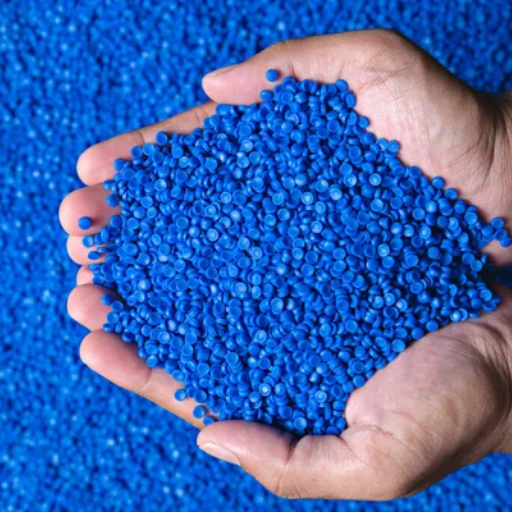
Sustainability pressures are reshaping resin sourcing decisions. The understanding of virgin and recycled and bio-based pellet trade-offs enables you to choose materials which meet performance requirements while staying within budget and achieving environmental targets.
Virgin Resin Pellets Virgin pellets
The most reliable quality is provided by virgin pellets. The material shows complete mechanical properties and known processing characteristics and it meets all required industry standards. Virgin resin serves as the standard material for medical devices and aerospace components and food contact items.
The drawbacks of the system include increased expenses and a higher environmental impact. The market prices of virgin resin follow the fluctuations of crude oil and natural gas prices. Supply disruptions which occurred between 2021 and 2022 resulted in abrupt price increases.
Recycled Plastic Pellets
Factories produce post-industrial recycled pellets from their scrap materials and sprues and their defective components. The materials deliver high-quality results because the source material stays pure with known characteristics. Post-consumer recycled pellets come from used packaging and products. The materials need extensive separation work and thorough cleaning processes, yet they help achieve circular economy targets.
Different types of polymers retain different properties. Recycled PET typically retains 85-95% of its original strength before recycling. Recycled PP maintains 80-90% of its original strength. Recycled ABS protects 75-85% of its original strength. The minor strength reductions that occur in these materials do not affect their performance in non-structural applications, which include packaging, consumer goods, and interior automotive components.
The cost savings range between 15% to 40% based on the specific polymer used and the percentage of recycled content and the particular certification needs. GRS (Global Recycled Standard) and UL 2809 certifications verify recycled content claims for ESG reporting.
Bio-Based and Biodegradable Pellets
PLA (polylactic acid) dominates the bio-based pellet market. PLA which comes from corn starch or sugarcane provides clear material that industrial composting facilities can process. The material has a low heat deflection temperature around 55C, which restricts its use. PBS and PBAT deliver superior flexible materials that stack better than conventional packaging films.
The current cost of bio-based pellets exceeds traditional options by 20-50%. The particular material and processing method requirements lead to performance trade-offs that create restrictions, which limit usage to specific fields, which include food packaging and single-use components.
|
Type |
Quality Consistency |
Property Retention |
Cost vs. Virgin |
Best Applications |
|---|---|---|---|---|
|
Virgin |
Excellent |
100% |
Baseline |
Medical, aerospace, critical structural |
|
Post-industrial recycled |
Very good |
90-95% |
15-30% lower |
Packaging, consumer goods, non-structural |
|
Post-consumer recycled |
Good |
75-90% |
20-40% lower |
Packaging, textiles, interior parts |
|
Bio-based |
Variable |
70-90% |
20-50% higher |
Food packaging, disposables, branding |
David who works as the sustainability director at a Zhejiang appliance manufacturing company received an order to achieve 30% recycled materials by 2025. He examined the performance of post-industrial recycled PP pellets through testing their use in dishwasher rack parts. The recycled material proved to meet all mechanical standards after a simple adjustment of mold temperature. The material substitution led to a 22% reduction of costs while the company achieved its environmental social governance objectives and maintained product quality.
Pricing and Sourcing Considerations
Resin pricing is complex. The sticker price per kilogram tells only part of the story.
Commodity Resin Pricing Drivers
PE and PP prices track ethylene and propylene monomer costs, which follow crude oil and natural gas trends. Regional supply imbalances, refinery maintenance schedules, and geopolitical events cause short-term volatility. Volume matters enormously: buyers purchasing full truckloads or container loads negotiate significantly better pricing than those buying pallet quantities.
Engineering Resin Premium Factors
Engineering resins command premiums for three reasons. First, raw materials cost more: bisphenol A for PC, acrylonitrile for ABS, adipic acid for PA66. Second, production volumes are lower, reducing economies of scale. Third, additives like flame retardants and glass fibers add material and compounding costs.
Total Cost of Ownership
The purchase price is just the starting point. Factor in drying energy, defect rates, scrap rates, cycle times, and tooling wear. A cheaper pellet that runs 10% slower or produces 5% more scrap may cost more overall than a premium alternative.
China Sourcing Context
China produces approximately 32% of global plastic resins and an even larger share of processed compounds. Chinese suppliers offer competitive pricing, large production capacity, and growing technical sophistication. However, quality varies enormously. Evaluate Chinese suppliers on ISO 9001 certification, in-house testing capability, lot traceability, and export experience. Request sample batches for incoming quality testing before committing to large orders.
Sustainability in Plastic Resin Sourcing
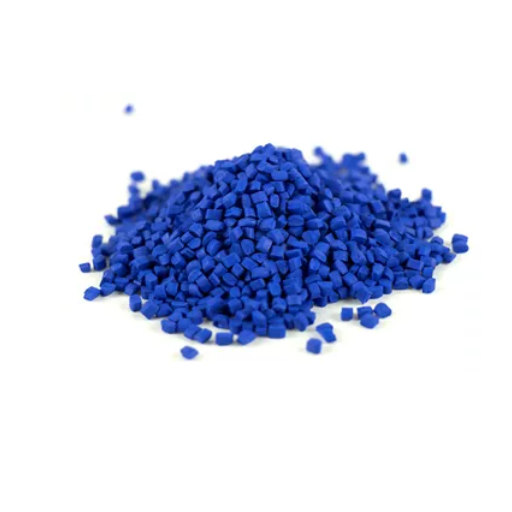
The goal of achieving sustainability for plastics requires more than just total plastic elimination. The process requires selecting appropriate materials which must be sourced correctly and used in proper amounts for their designated functions.
The use of lightweight plastic components in vehicles leads to decreased fuel consumption and lower emissions output. The infrastructure system employs durable plastic pipes which remain operational for more than 50 years without needing extensive repairs. The use of insulating plastics in buildings results in decreased energy requirements for heating and cooling systems. The production costs for environmentally friendly benefits which occur throughout a product’s lifespan exceed its environmental production costs.
Industries today are increasing their targets for using recycled materials. Automotive equipment manufacturers provide specifications which require parts to contain a specific minimum amount of recycled materials. Consumer brands demand GRS certification for packaging. ESG investors examine Scope 3 emissions which involve materials that companies purchase.
The most effective sustainability strategy is source reduction combined with circular sourcing. Design parts for material efficiency. The performance requirements need to specify which recycled grades should be used. The factory scrap requires implementation of closed-loop recycling system. The company should collaborate with suppliers who provide certified recycled materials and maintain open supply chain tracking.
Conclusion
Every major industry depends on plastic resin pellets as their main power source for manufacturing operations. The successful outcome depends on selecting the correct polymer together with its specific grade and appropriate supplier, which needs to match your particular application together with its associated process requirements.
Maintain these five principles as your reference point:
- Your resin selection needs to begin after you understand the requirements of your operational process. The ability to process materials successfully depends on three factors: melt flow and moisture sensitivity and thermal stability properties of the materials.
- The verification of technical specifications requires certificates of analysis for each batch instead of relying on standard data sheets.
- The evaluation of supplier consistency requires three methods: testing of incoming quality and tracking of product batches and verification through certification audits.
- Total cost of ownership needs to include all expenses, which means you must consider drying costs together with scrap during cycle time and logistics operations, instead of evaluating only price per kilogram.
- Organizations should study recycled materials and sustainable solutions whenever performance standards permit. The use of post-industrial recycled pellets results in products that match original quality standards while costing less to produce.
The automotive industry develops lightweight components, electronics manufacturers create smaller devices, packaging companies introduce new products, and infrastructure projects create steel demand, which drives the global plastics market expansion. Manufacturers who master material selection and sourcing will capture competitive advantages in quality, cost, and sustainability.
Partner with Yifuhui for your plastic resin pellet requirements. We supply premium virgin and recycled pellets across PC, PA66, POM, PMMA, HDPE, ABS, PFA, PPS, PEI, TPE, TPV, PP, and PTFE grades. Our engineering team provides material selection support, technical data sheet review, and custom compounding services. Contact us today for a detailed quotation and material recommendation tailored to your production needs.