A beverage brand in Guangdong redesigned its bottle for sustainability. The team swapped HDPE for a lighter LDPE grade to cut material use. The bottles looked identical on the shelf. But when warehouse staff stacked the pallets three high, the lower layers began to sag. By morning, 12,000 units were rejected.
The resin was not defective. It was the wrong polyethylene for a rigid container.
If you source plastic pellets for packaging, you have probably faced this decision. HDPE and LDPE share the same base chemistry, yet one is built for rigidity and the other for flexibility. The wrong choice shows up as leaks, line stoppages, or excess scrap.
This guide will show you how hdpe vs ldpe packaging compares across bottles, films, bags, caps, and trays. You will learn which polyethylene fits your converting process, your budget, and your sustainability targets. You will also get a procurement checklist to ensure your pellet supplier delivers consistent, packaging-grade materials.
What you’ll learn:
- The molecular reason HDPE is rigid and LDPE is flexible
- Side-by-side packaging property comparisons
- A packaging format decision matrix
- Food contact, safety, and compliance requirements
- How to source packaging-grade polyethylene pellets
The Quick Verdict: HDPE or LDPE for Packaging?
Choose HDPE packaging when you need:
- Rigid bottles, jugs, caps, and closures
- Stack strength and top-load resistance
- Excellent moisture and chemical resistance
- Lower resin cost per kilogram
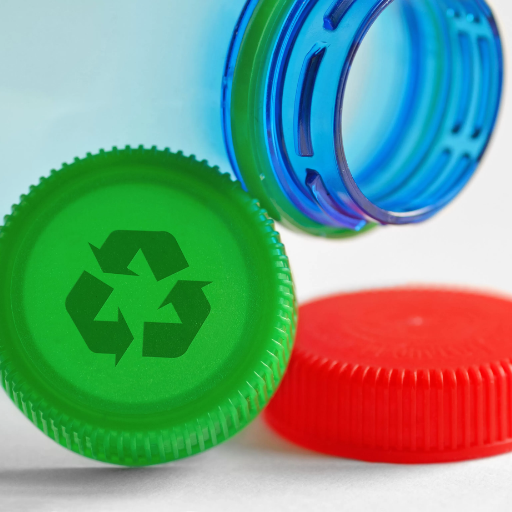
- Curbside recyclability (#2)
Choose LDPE packaging when you need:
- Flexible films, bags, pouches, and liners
- Heat sealability and easy sealing
- Squeeze bottles and conformable packaging
- Semi-transparent or glossy appearance
- Tear resistance and low-temperature flexibility
Both materials are polyethylene, but their molecular structures create opposite performance profiles. HDPE has linear chains with minimal branching. The chains pack tightly, so the material becomes stiff and dense. LDPE has long branches that prevent tight packing, so it stays soft and flexible.
What Is HDPE Packaging?
High-density polyethylene (HDPE) is a thermoplastic polymer made from ethylene monomers. These monomers form mostly linear chains. Those chains line up closely, giving HDPE its characteristic stiffness. Its density range is 0.941–0.970 g/cm³.
HDPE Packaging Properties
HDPE’s linear structure lets the polymer chains crystallize into ordered regions. More crystallinity means more strength. It also raises the melting point and improves chemical resistance. Typical HDPE properties include:
- Density: 0.941–0.970 g/cm³
- Tensile strength: 25–45 MPa
- Melting point: 125–137°C
- Flexural modulus: High (stiff feel)
- Chemical resistance: Excellent against acids, bases, and solvents
- Moisture barrier: Very low water absorption
- Transparency: Opaque to translucent
Common HDPE Packaging Formats
HDPE dominates formats where rigidity and durability matter:
- Rigid bottles and jugs for milk, detergent, shampoo, and chemicals
- Caps, closures, screw tops, and snap-fit lids
- Drums, pails, and industrial containers
- Crates, trays, tote boxes, and returnable packaging
- Thin-wall containers and food tubs
HDPE Converting Considerations
HDPE processes well by blow molding, injection molding, and thermoforming. However, it requires higher melt temperatures than LDPE.
Typical processing ranges are:
- Melt temperature: 180–260°C depending on grade
- Mold temperature: 20–80°C
- Shrinkage: 1.5–4%, which must be accounted for in tooling design
Because HDPE is stiffer, it also needs appropriate screw geometry and die design. Running HDPE on equipment optimized for LDPE film extrusion will cause poor melt quality, surface defects, and output issues. To learn more about Is HDPE Food Safe? A Manufacturer’s Guide to Food-Grade HDPE Resins, please click to view our accompanying guide.
Sourcing rigid HDPE pellets for bottles or containers? View our LDPE Pellets: A Complete Procurement and Application Guide for Manufacturers →
What Is LDPE Packaging?
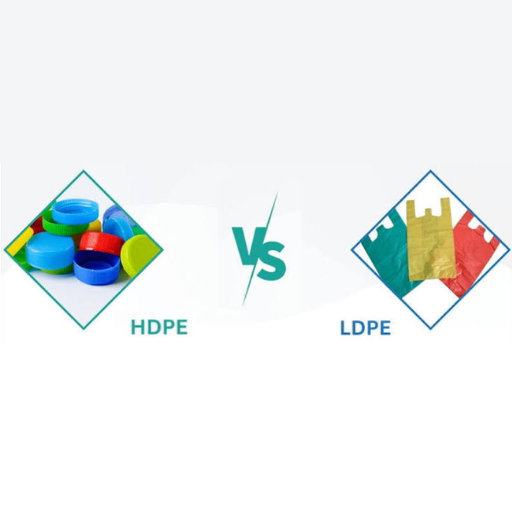
Low-density polyethylene (LDPE) is also made from ethylene. Its polymer chains contain long-chain branching. Those branches prevent the chains from packing together. That lowers density and increases flexibility.
LDPE Packaging Properties
LDPE’s branched structure reduces crystallinity compared with HDPE. The result is a softer, more flexible material.
Typical LDPE properties include:
- Density: 0.910–0.940 g/cm³
- Tensile strength: 8–25 MPa
- Melting point: 105–115°C
- Flexibility: Soft and pliable
- Chemical resistance: Good, though less than HDPE
- Moisture barrier: Good
- Heat sealability: Excellent
- Transparency: Semi-transparent or glossy
Common LDPE Packaging Formats
LDPE excels wherever flexibility, clarity, or sealing performance is required:
- Plastic films, shrink wrap, and stretch film
- Poly bags, pouches, and liners
- Squeeze bottles and flexible tubes
- Protective packaging and bubble wrap
- Gaskets, seals, and flexible lids
LDPE Converting Considerations
LDPE is most commonly processed by film extrusion and blow molding. It runs at lower temperatures than HDPE and seals easily.
Typical processing ranges are:
- Melt temperature: 150–230°C depending on grade
- Film blow-up ratio: 2:1 to 4:1 for balanced properties
- Heat seal temperature: 120–180°C
LDPE’s excellent heat sealability makes it ideal for bag and pouch production. Its softness also means it conforms to irregular shapes without cracking.
Looking for flexible LDPE pellets for film or packaging? Explore our HDPE Pellets: Complete Procurement and Application Guide for Manufacturers →
HDPE vs LDPE Packaging: Head-to-Head Comparison
When you compare hdpe vs ldpe packaging, the choice usually comes down to one question: does the package need to hold its shape, or does it need to flex?
Packaging Property Comparison Table
| Property | HDPE | LDPE | Packaging Implication |
|---|---|---|---|
| Density | 0.941–0.970 g/cm³ | 0.910–0.940 g/cm³ | HDPE uses less material by volume for rigid parts |
| Rigidity | High | Low | HDPE holds shape; LDPE conforms |
| Tensile strength | 25–45 MPa | 8–25 MPa | HDPE resists puncture and top-load |
| Flexibility | Low | High | LDPE folds and flexes without cracking |
| Moisture barrier | Excellent | Good | HDPE better for liquid containment |
| Oxygen barrier | Moderate | Low | Both may need barrier layers for sensitive products |
| Clarity | Opaque/translucent | Semi-transparent/glossy | LDPE preferred for visible products |
| Heat sealability | Lower | Better | LDPE ideal for bag and pouch sealing |
| Drop impact | Good | Moderate | HDPE handles rough distribution |
| Cost | Lower per kg | Slightly higher | HDPE often lowers unit cost for rigid formats |
| Recycling code | #2 | #4 | HDPE more widely curbside recycled |
Rigid Packaging Performance
HDPE is the default choice for rigid packaging. It resists top-load forces, survives drop tests, and forms a strong moisture barrier. That is why milk jugs, detergent bottles, and chemical drums use HDPE.
A dairy processor in Jiangsu switched from a thinner LDPE bottle to an HDPE jug. The HDPE jug used 18% less material by weight but passed a 1.2-meter drop test that the LDPE version failed. The switch also cut unit cost because HDPE resin was cheaper per kilogram.
Flexible Packaging Performance
LDPE dominates flexible packaging. It stretches, folds, and seals at lower temperatures than HDPE. Grocery bags, bread bags, and shrink wrap all rely on LDPE for tear resistance and seal integrity.
A food brand in Zhejiang chose LDPE for its stand-up pouches. The material sealed cleanly at 140°C and remained puncture-resistant during vacuum packing. HDPE would have cracked at the folds and required higher sealing temperatures.
Barrier Properties in Packaging
Both HDPE and LDPE provide good moisture barriers. But neither blocks oxygen well. For oxygen-sensitive foods, pharmaceuticals, or chemicals, you may need multilayer structures. Common barrier layers include EVOH, PA, or metallized films.
Cost Per Unit and Yield
HDPE resin usually costs less per kilogram than LDPE. For rigid formats, HDPE can also be downgauged because it is stronger. However, LDPE can be thinner in film applications without losing flexibility. Always calculate cost per part or cost per square meter, not just cost per kilogram.
Packaging Format Decision Matrix
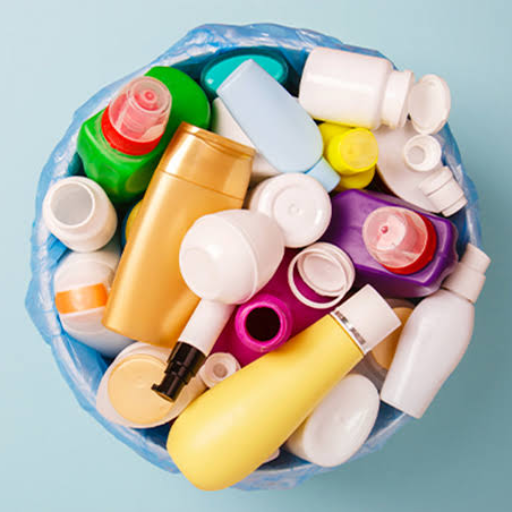
The best way to settle hdpe vs ldpe packaging is to map each material to the format you are producing.
Bottles and Jugs
HDPE is the standard for rigid bottles. Milk jugs, detergent bottles, and chemical containers use HDPE because it resists stacking loads and impact. LDPE is used for squeeze bottles and dispensers where flexibility helps the consumer extract the product.
Films and Sheets
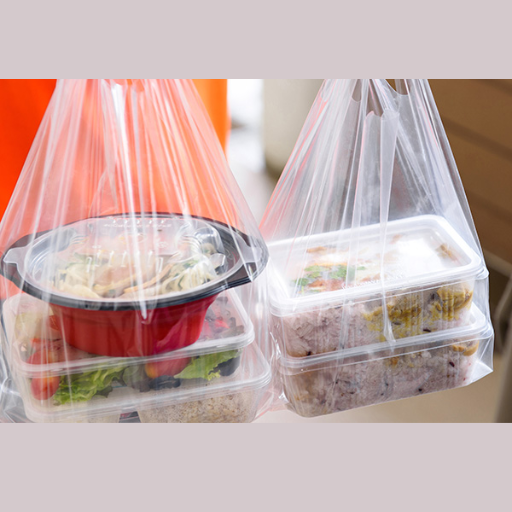
LDPE is the workhorse of flexible films. It produces grocery bags, shrink wrap, stretch film, and protective sheeting. HDPE film is stiffer and is used for downgauged applications such as thin grocery bags or stiff packaging sheets.
Caps and Closures
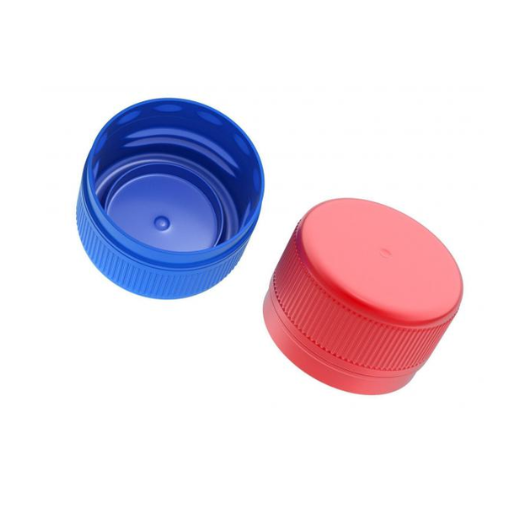
HDPE dominates threaded caps and closures because it holds thread dimensions and resists torque. LDPE appears in snap-fit lids, flexible seals, and gasket rings where compression recovery matters.
Trays, Tubs, and Pails
HDPE is preferred for stackable trays, food tubs, and industrial pails. LDPE is used for flexible liners, gaskets, and inserts that need to conform to the contents.
Shrink Wrap and Stretch Film
LDPE is widely used for shrink film because it shrinks evenly and seals well. Stretch film more commonly uses linear low-density polyethylene (LLDPE), which blends some HDPE-like strength with LDPE-like flexibility.
Want a deeper comparison of all polyethylene types? Read our complete HDPE vs LDPE material guide →
Food Contact, Safety, and Compliance
Packaging that touches food, pharmaceuticals, or cosmetics must meet strict regulatory requirements. The resin grade matters as much as the material type.
FDA and EU Food Contact Requirements
Both HDPE and LDPE are approved for food contact in the United States under FDA regulations. They are also approved in the European Union under EU 10/2011. However, approval applies to the specific grade, additive package, and intended use. Always verify that your pellet supplier provides a food contact compliance letter for the exact grade you purchase.
Food-Grade Pellet Certifications to Request
When sourcing packaging-grade polyethylene, request:
- Certificate of Analysis (COA) for each batch
- Food contact compliance declaration
- Heavy metal and migration test data
- Additive and slip agent disclosure
- Regulatory compliance for your target market (FDA, EU, GB standards)
Migration Limits and Additive Packages
Additives such as slip agents, anti-block agents, UV stabilizers, and colorants can affect migration limits. For sensitive applications such as infant food, pharmaceuticals, or high-fat foods, specify low-migration or additive-free grades.
Virgin vs Recycled PE for Food Packaging
Virgin HDPE and LDPE are generally preferred for direct food contact. Batch consistency and compliance documentation are easier with virgin grades. Recycled HDPE and LDPE can be used in food packaging under specific conditions. Examples include FDA letters of no objection or EFSA safety evaluations. Many brands use recycled PE in non-food layers or secondary packaging first.
Sustainability and Recyclability in Packaging
Sustainability is now a packaging specification, not an afterthought. The choice between HDPE and LDPE affects recyclability, collection rates, and carbon footprint.
Recycling Codes and Collection Rates
HDPE carries recycling code #2. LDPE carries recycling code #4. HDPE bottles are widely accepted in curbside recycling programs. LDPE films and bags are harder to recycle because they clog sorting equipment. According to the Plastics Industry Association, HDPE bottle recycling rates are roughly 28–30% in the United States. LDPE film recycling remains around 5–6%.
rHDPE and rLDPE in Packaging Applications
Recycled HDPE (rHDPE) is commonly used in non-food bottles, drainage pipes, and outdoor furniture. Recycled LDPE (rLDPE) appears in refuse sacks, agricultural film, and composite lumber. Brands with sustainability commitments increasingly specify recycled content. Common uses include secondary packaging, pallets, and shipping materials.
Design for Recycling Considerations
To improve recyclability, packaging designers should:
- Use single-resin structures where possible
- Avoid mixed-material laminates
- Choose compatible closures and labels
- Specify pigments and additives that do not contaminate recycle streams
How Pellet Quality Affects Recycled Packaging Performance
Recycled polyethylene pellets vary more than virgin grades. Moisture, contamination, and inconsistent melt flow can cause processing problems. A reliable supplier tests every batch. Typical tests cover density, melt flow index, and contamination. This protects your line from unplanned downtime.
Interested in recycled polyethylene for sustainable packaging? Compare rHDPE vs rLDPE pellets →
Sourcing Packaging-Grade Polyethylene Pellets: Procurement Checklist
Choosing between HDPE and LDPE is only the first step. The pellet grade, supplier, and quality control process determine whether your packaging line runs smoothly.
Material Specifications to Define
Before requesting a quote, document:
- Resin type: HDPE or LDPE
- Density grade and melt flow index (MFI)
- Additive requirements: slip, anti-block, UV, color, anti-static
- Food contact or regulatory compliance needs
- Packaging format: bottle, film, bag, cap, tray, or liner
- Mechanical requirements: tensile strength, seal strength, drop test
Quality Certifications and Testing
Require these documents from your supplier:
- COA for every batch
- Density and MFI consistency data
- Contamination screening results
- Regulatory compliance letters
- Technical data sheet matching your application
Supplier Evaluation Criteria
Evaluate pellet suppliers on:
- Breadth of HDPE and LDPE inventory
- Batch-to-batch consistency
- Lead times and minimum order quantities
- Technical support and application expertise
- Sustainable resin options such as rHDPE and rLDPE
A procurement manager in Shandong told us she reduced scrap by 40%. She switched to a supplier that provided COA-backed pellets with consistent MFI. Her previous supplier’s material varied enough to cause seal-strength failures. The failures happened two or three times per month.
Conclusion
The hdpe vs ldpe packaging decision comes down to one question: does your package need to hold its shape or flex? HDPE delivers rigidity, strength, moisture resistance, and lower resin cost for bottles, caps, drums, and trays. LDPE delivers flexibility, heat sealability, clarity, and tear resistance for films, bags, pouches, and squeeze bottles.
Keep these five points in mind:
- Match the material to the format. Rigid packages need HDPE. Flexible packages need LDPE.
- Check converting compatibility. HDPE needs higher temperatures and stiffer tooling than LDPE.
- Verify compliance. Food, pharmaceutical, and cosmetic packaging need documented food-grade certification.
- Calculate total cost. Compare cost per part or cost per square meter, not just cost per kilogram.
- Evaluate suppliers carefully. Consistent pellet quality, COA documentation, and reliable logistics protect your production line.
At Suzhou Yifuhui New Material Co., Ltd., we supply both HDPE and LDPE pellets for packaging converters worldwide. Our team tests every batch for density, melt flow, and consistency. We also offer recycled polyethylene options for brands with sustainability targets.