Your production line just rejected 2,000 parts. The quality control team found the defect because they traced it back to one specific raw material batch. The supplier delivered plastic poly pellets which had a melt flow index that exceeded the quoted specification by 40 percent and your injection molding parameters lacked any capacity to handle the difference. Marcus worked as a procurement manager for a mid-sized automotive supplier when he experienced that specific situation during the previous year. His vendor change resulted in an 8 percent reduction of his material expenses. The total of scrap materials and reworked products consumed 23 percent of his financial resources for the three month period.
Many factories perform that procedure even though procurement teams prefer to keep it hidden from others. Your hopper needs you to use a specific pellet which will create all the necessary qualities for your products which you will deliver to customers. Companies still treat pellet selection as a basic choice which people make based on the cost of each kilogram.
The truth becomes apparent when you have investigated production defects through your entire tooling system and through temperature profiles and operator training until you found that material defects caused all issues. Plastic poly pellets exist as distinct materials which cannot be used interchangeably. The purchase order price becomes less important than maintaining batch consistency and supplier quality protocols and selecting exact polymer grades.
The guide provides a complete explanation of polymer chemistry and supplier assessment processes. The training will show you how to select plastic poly pellets for your manufacturing needs while creating specifications to receive from suppliers and building protection systems against hidden production costs which result from material inconsistencies.
Need help matching a pellet to your application? Our engineers review part designs, process parameters, and end-use requirements to recommend the exact resin grade you need. Contact our team for a free material consultation.
What Are Plastic Poly Pellets?
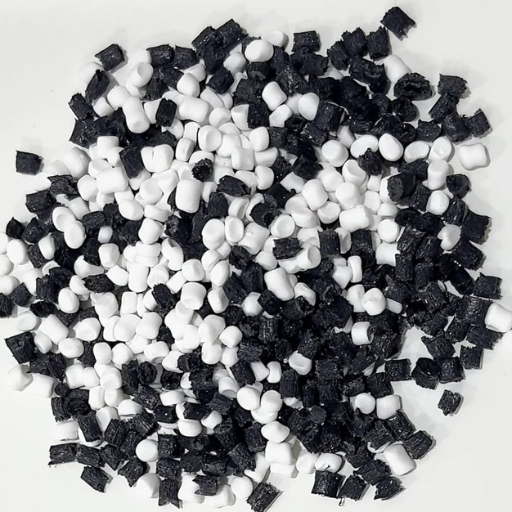
Plastic poly pellets are small cylindrical or spherical granules that serve as the raw material feedstock for virtually all thermoplastic manufacturing. Their typical diameter ranges from 2 millimeters to 5 millimeters. Manufacturers also call them resin pellets, polymer granules, or (in industry slang) nurdles. The “poly” in the name most commonly refers to polyethylene (PE) and polypropylene (PP), the two most widely produced thermoplastics on earth.
The pellet form matters for reasons beyond transport convenience. The injection barrels and extruders achieve consistent melting through their uniform size and shape. The pellets move through conveying systems with predictable flow patterns while they dry in hopper dryers and they provide accurate measurements in gravimetric feeders. A reliable pellet delivers the same melt viscosity, the same shrinkage rate, and the same mechanical properties from batch to batch.
Not all plastic poly pellets come from the same source. Virgin pellets are synthesized directly from petrochemical feedstocks. Recycled pellets come from reprocessed post-industrial or post-consumer plastic waste. Compounded pellets blend a base polymer with additives, colorants, or reinforcing fibers to achieve specific properties. Each category carries different cost structures, performance characteristics, and certification requirements. For a broader overview of the full range of materials available, see our complete guide to plastic pellets.
Types of Plastic Poly Pellets by Polymer
The polymer you choose defines the mechanical, thermal, and chemical properties of your finished part. Here is how the major categories break down for manufacturing buyers. If you are new to polymer selection, our overview of the seven main types of plastic offers a useful starting point.
Polyethylene (PE) Pellets
Plastic production worldwide depends on PE pellets as the primary material. The material properties of high-density polyethylene (HDPE) make it suitable for use in piping systems and fuel storage tanks and strong containers because it provides both stiffness and chemical protection and outstanding strength-to-weight performance. Low-density polyethylene (LDPE) and linear low-density polyethylene (LLDPE) deliver two essential properties which enable their use in producing flexible transparent film products and packaging bags and stretch wrap products.
The melting point of PE grades starts at 105°C and reaches 130°C based on the specific material composition. The melting point of HDPE exceeds that of LDPE. The material exhibits density values between 0.91 to 0.97 grams per cubic centimeter. The numerical values determine the temperatures used for your barrels and the rates at which molds cool and the durations of production cycles.
Polypropylene (PP) Pellets
The PP pellets show better performance than PE because they can endure higher temperatures and maintain their shape. The material homopolymer PP maintains its structural integrity through heat exposure up to 100°C during continuous usage. Random copolymer PP provides better visibility and resistance against impacts in food containers and medical trays. Impact copolymer PP adds rubber content for automotive bumpers and appliance housings where toughness matters more than stiffness.
PP has a lower density than PE at 0.90 grams per cubic centimeter which enables manufacturers to produce lighter components that maintain the same dimensions. The material demonstrates both impact resistance and fatigue resistance which makes it suitable for use in living hinge designs that manufacturers use for their cap and closure products.
Engineering Poly Pellets
Standard PE and PP cannot survive under-the-hood automotive temperatures, precision electronics tolerances, or medical sterilization cycles. The solution emerges through engineering plastics.
PA66 (nylon) pellets deliver high tensile strength, abrasion resistance, and chemical stability. They excel in gears, bearings, and structural automotive components. Moisture absorption requires pre-drying before processing. View our PA66 plastic pellets for engineering-grade options.
POM (acetal) pellets provide low friction and high stiffness along with outstanding dimensional stability which makes them suitable for manufacturing precision mechanical components such as gears and fasteners.
PPS (polyphenylene sulfide) protects against harsh chemical attacks while maintaining its structural integrity up to 220°C in automotive and electrical settings where ordinary plastics lose their strength.
PEI (polyetherimide) delivers flame resistance and structural strength and optical clarity for aerospace and medical materials which need to meet stringent regulatory requirements.
Pellet Properties at a Glance
|
Polymer |
Density (g/cm³) |
Melt Temp (°C) |
Tensile Strength (MPa) |
Best Process |
Common Applications |
|---|---|---|---|---|---|
|
HDPE |
0.94-0.97 |
130 |
25-35 |
Injection, blow, extrusion |
Bottles, pipes, containers |
|
LDPE |
0.91-0.94 |
105-115 |
8-12 |
Extrusion, blow molding |
Film, bags, coatings |
|
PP (homo) |
0.90-0.91 |
160-170 |
30-35 |
Injection, extrusion |
Caps, containers, textiles |
|
PA66 |
1.13-1.15 |
260-265 |
80-85 |
Injection molding |
Gears, bearings, automotive |
|
POM |
1.41-1.42 |
165-175 |
60-70 |
Injection, extrusion |
Precision gears, fasteners |
|
PPS |
1.35 |
280-290 |
80-90 |
Injection molding |
Electrical, automotive under-hood |
|
PEI |
1.27 |
340-360 |
100-110 |
Injection molding |
Aerospace, medical, electrical |
How Plastic Poly Pellets Are Manufactured
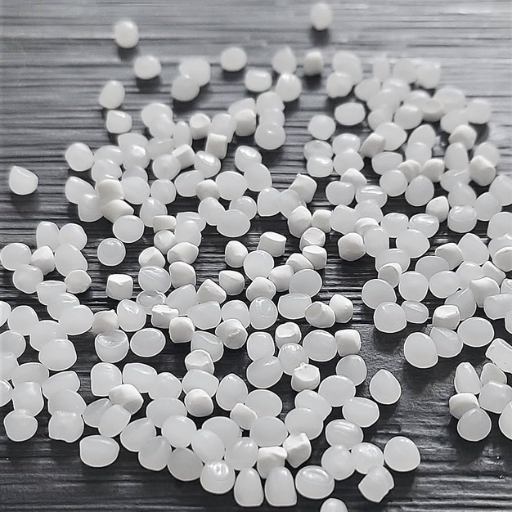
Supplier evaluation through plastic poly pellet production knowledge enables you to identify potential problems before they impact your manufacturing process.
Virgin Pellet Production
The process starts with polymerization. The transformation process begins when ethylene or propylene monomers encounter heat together with pressure and catalysts which lead to the creation of long polymer chains. The reactor produces molten polymer which moves through an extruder die to create continuous strands. The strands undergo cooling through a water bath or air stream process which ends with a rotary cutter creating identical pellets.
Final drying removes surface moisture, and screening separates out fines, tails, and oversized pieces that could clog your feed system. The pellets then go into bulk storage or packaging. Virgin production delivers the precise control required to manage molecular weight distribution and additive loading and color consistency.
Recycled Pellet Production
The process of recycling pellets requires longer transportation times. The process of plastic collection begins with the sorting of materials according to their polymer type and their color and their physical shape. The process involves the elimination of metals and all other non-metal materials. Shredders produce flakes from material which they process into pieces that range between 5 millimeters and 12 millimeters in size. Washers eliminate all labels together with adhesives and oils.
Dryers achieve the necessary moisture reduction which is essential for PET and nylon recycling. The process starts with cleaning the flakes which then proceed to melt inside an extruder before passing through screen packs that eliminate any remaining contamination and finally reaching the pellet cutting stage. The final product quality depends on two factors which are the purity of input feedstock materials and the advanced capabilities of the sorting machines.
Quality Control Checkpoints
The trusted supplier conducts tests on all product shipments before they become available for distribution. The melt flow index (MFI) measures how easily the polymer flows when melted. The particular specification functions as the primary standard required for process compatibility. The majority of hygroscopic resins require moisture levels to remain under 0.02% moisture content. Bulk density determines both the hopper capacity to hold materials and the rate at which materials flow from the hopper. Contamination screening detects metal pieces and the unintentional mixing of different polymers and color defects.
We test every batch of plastic poly pellets for MFI, moisture, and bulk density before release. Request a certificate of analysis with your next order. Get a custom quote.
Applications by Manufacturing Process
The process used to create the same polymer products results in different material characteristics. The correct pellet selection for your equipment and production cycle specifications enables you to avoid wasteful testing procedures.
Injection Molding
The injection molding process requires pellets which have both consistent MFI values and their moisture content at minimal levels. The screw component of the machine functions by melting the polymer material which gets injected into a mold through high-pressure operation. The pellets which have narrow MFI tolerance enable complete filling of thin-wall sections while maintaining precise dimensional specifications. The drying process requires hygroscopic materials to reach a moisture content of 0.02% or less because this prevents splay marks and hydrolytic degradation that happens during melt processing.
Extrusion
The extrusion process moves molten polymer material through a die to form products with continuous dimensions. The film extrusion process needs materials which have high melt strength to avoid two specific problems during production. Pipe extrusion requires pellets with uniform viscosity to maintain wall thickness consistency. The film industry uses LDPE and LLDPE as their main materials. The HDPE and PP materials serve as primary components for pipe and profile extrusion activities.
Blow Molding
Blow molding uses a molten polymer tube which inflates inside a mold cavity to make hollow parts. The material needs sufficient strain-hardening behavior to resist thinning in the parison wall. HDPE rules the bottle market because of its processability and chemical resistance. PP copolymers work for containers requiring higher heat resistance, such as hot-fill applications.
Rotational Molding
Rotational molding heats powdered or pelletized plastic inside a rotating mold. The production process creates large tanks and kayaks and outdoor furniture items. A specific group of rotomolders uses pulverized pellets while traditional powder remains the standard material for this method. The pellet material needs to grind easily whereas it should melt uniformly at processing temperatures which are lower than those used in injection molding.
Choosing the Right Plastic Poly Pellets for Your Application
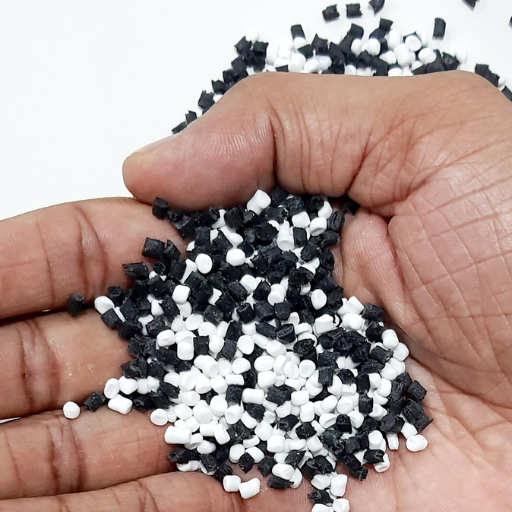
Lin Wei operates his 24-hour injection molding facility which is based in Suzhou. His team changed from using branded ABS to a less expensive material which showed identical data sheet numbers six months ago. The sink marks and weld-line failures increased by 18% within three weeks. The less expensive pellets had identical MFI values but their molecular weight distribution showed different characteristics when subjected to shear forces. Lin returned to his original supplier and the defects disappeared. The 8% material savings had cost him 23% in scrap and rework.
The principle which all buyers need to learn is demonstrated through his experience. The data sheet is the starting point, not the finish line.
Decision Framework
Start with your end-use requirements. The part needs to withstand 120°C temperatures which occur in a car engine operation. The solution requires PA66 or PPS or heat-stabilized PP. The material must endure 100000 flexing cycles without developing cracks. The answer requires TPE or TPV. The material must meet drinking water regulations. The solution requires NSF-certified HDPE or PP materials which provide complete traceability.
Next you need to determine your manufacturing process. Thin-wall injection molding requires high-flow grades which exhibit increased MFI. The manufacturing process for thick-wall structural parts requires lower MFI values to maintain melt integrity. Extruded film needs high melt strength. Blow-molded containers need strain-hardening behavior.
After that the specific grade needs to be chosen. Two HDPE resins from the same supplier can differ in density, melt index, and additive package. One works for dairy bottles. The other works for chemical drums. The three components which create the difference between the two products are molecular weight distribution and antioxidant content and UV stabilizer loading.
Virgin, Recycled, or Compounded?
Virgin pellets deliver the tightest spec tolerances and full certification traceability. The product costs more for each kilogram but it helps decrease waste material and protection costs during warranty periods. The medical devices and food contact materials and high-precision electronics require the use of virgin material.
The price of recycled pellets is 20% to 40% cheaper than their virgin counterparts. The contemporary reprocessing technology creates recycled materials which fulfill strict requirements for non-food packaging and industrial pallets and construction uses. Before making volume commitments business partners must request a certificate of analysis and conduct a production trial.
The process of creating compounded pellets begins with virgin base resin which combines with additives to generate specific properties that the base polymer cannot provide. The process of compounding allows materials such as glass fiber reinforcement and flame retardants and UV stabilizers and conductive fillers to enter production. This route makes sense when off-the-shelf grades cannot hit your performance targets.
For a deeper comparison of sourcing options, read our guide to virgin plastic and its role in sustainability.
B2B Sourcing: How to Evaluate Plastic Pellet Suppliers
Not every supplier operates at the same standard. A low quote means nothing if batch variability shuts down your line.
Certifications to Verify
ISO 9001 certification shows that the supplier complies with established quality management standards. RoHS compliance confirms the material contains no restricted heavy metals. REACH registration matters for products entering the European market. FDA or EU 10/2011 compliance is mandatory for all food-contact applications. For recycled materials, look for GRS (Global Recycled Standard) or Ocean Bound Plastic certification.
Quality Assurance Questions
Ask these questions before placing your first order:
- Do you provide a certificate of analysis with every batch?
- What is your MFI tolerance range for this grade?
- How do you prevent cross-contamination between different polymer materials?
- What is your procedure for handling materials that do not meet specification requirements?
- Do you have production samples available which match the specific manufacturing batch that will be delivered to customers?
A supplier who cannot answer these questions clearly is a supplier who cannot guarantee your production schedule.
Logistics and Packaging
Minimum order quantities range from 25-kilogram bags for specialty resins to full truckloads of 20,000 kilograms or more for commodity grades. High-volume operations can choose between 1,000-kilogram bulk bags and gaylord boxes and silo deliveries as their bulk packaging solution. Stocked commodity grades require 2 weeks of lead time while custom-compounded engineering resins need 8 weeks to fulfill orders.
Warning Signs
The following signs indicate problems which should be investigated:
- No certificate of analysis available
- Prices 30% or more below market without explanation
- The company shows resistance to sharing sample batches.
- The company shows different packaging and labeling systems between customer orders.
- The organization does not have technical support personnel to help with processing inquiries.
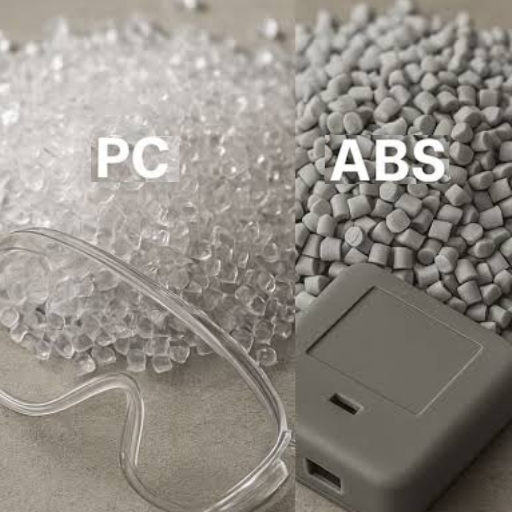
Yifuhui stocks PC, PA66, POM, PMMA, HDPE, ABS, PFA, PPS, PEI, TPE, TPV, PP, and PTFE plastic poly pellets with batch-tested consistency and transparent pricing. Request a quote tailored to your volume and specifications.
Storage and Handling Best Practices
The storage of perfect pellets needs to follow correct procedures because improper storage causes them to degrade. Most engineering plastics face their biggest threat from moisture. The materials PA66, PET, and PBT require water absorption from humid environments. A pellet that leaves the supplier at 0.01% moisture can reach 0.3% after 48 hours in an uncontrolled warehouse. The processing of materials at that level will experience hydrolysis during melt processing, which will destroy polymer chains and decrease material strength.
The climate-controlled storage area needs to maintain humidity levels below 50 percent relative humidity for plastic poly pellets. The bags need to remain sealed until they become necessary for use. The hopper dryers need to operate at temperatures and dew points which the manufacturer specifies as required. The processing of highly hygroscopic materials requires desiccant drying to reach minus 40 degrees Celsius dew point before their actual processing starts.
UV radiation causes unstabilized PE and PP to lose their structural integrity throughout their lifespan. Pellets need to stay protected from all forms of direct sunlight exposure. Pellets will start to form blocked or clumped materials inside bulk containers when temperatures exceed 40 degrees Celsius. The clean transfer equipment needs to remain dedicated for use to prevent cross-contamination between different polymer types.
The shelf life of a polymer depends on its specific type. Under proper storage conditions, Virgin PE and PP maintain their stability for multiple years. The recycled pellets have shorter usage periods because their previous heat treatment has affected them. The nylon and PET materials need to undergo processing within days after package opening, depending on the current humidity conditions.
Sustainability: Recycled and Bio-Based Poly Pellets
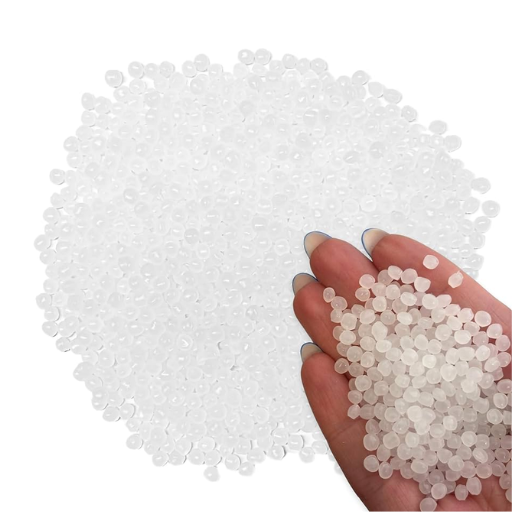
Sarah, a sustainability director at a consumer goods company, faced a mandate to include 30% recycled content in all packaging by 2027. She tested three recycled PP pellet sources. Two sources failed her drop-test requirements because their molecular weight showed variability as a result of using mixed feedstock. The third passed because the recycler sorted by color and polymer before reprocessing and maintained tight extrusion filter specifications. Sarah established a 12-month contract which required her to pay 15% above the market price for recycled materials. The brand maintained its reputation because of consistent quality which enabled production to continue without operational changes.
The case demonstrates the current condition of recycled pellet markets according to data from 2026. Vendor performance shows extreme differences into two separate quality levels which suppliers provide. The industry has developed post-consumer recycled (PCR) pellets into substantial products. The advanced sorting technology employs near-infrared detection together with AI-powered separation methods to generate cleaner feedstock materials. Chemical recycling consumes polymers to produce monomers which then enter the repolymerization process that results in recycled pellets possessing virgin-equivalent characteristics. The technology experiences rapid growth throughout Asian and European markets.
Companies still prefer virgin material when regulations require complete traceability or when performance limits become critical. Virgin resin remains essential for medical devices aerospace parts and food-contact items in nearly all situations. Suppliers can use recycled content for all materials except those which require consistent performance proof.
Bio-based PE and PP derived from sugarcane or other renewable feedstocks offer a middle path. These pellets deliver identical performance to petrochemical equivalents with a lower carbon footprint. Braskem and a growing number of Asian producers now offer commercial volumes.
Conclusion
Your final product depends on plastic poly pellets as its fundamental element. The correct selection ensures protection for your profit margins and your product quality assessments and your manufacturing timeline. The incorrect selection leads to product defects which will require multiple weeks to resolve.
Here are the five principles to take back to your team:
- The polymer selection needs to match both the processing requirements and the environmental conditions where it will be used. Chemical resistance requires HDPE material. PP material provides protection against heat. When standard polymers fail PA66 or PPS serves as the backup solution.
- Demand batch certificates with MFI, moisture, and density data. Do not rely on data sheet averages.
- Evaluate suppliers on consistency, not just price. A 5% material savings can cost 20% in scrap.
- You need to store and dry hygroscopic pellets in the correct way. Excess moisture leads to more production failures than contamination.
- Test recycled and bio-based options where your application allows. Quality has reached commercial viability for non-critical parts.
You make an engineering decision when you select materials because it should not be considered a purchasing decision. You must handle your material selection process with the same level of precision that you dedicate to designing molds and optimizing cycle times and implementing quality control measures.
Do you want to purchase plastic poly pellets which ensure consistent batch quality? Our engineering team will help you select materials for your project needs or create a custom quote that matches your volume requirements.