Line Wei, during March at an electronics factory located in Guangdong, was arguing polycarbonate versus acrylic for a luminaire diffuser. She opted for polycarbonate granules, which produced suitable articles that got approved during assessment.
But when reporting on her quarterly material spend, she learned that indeed the per-kilogram cost allowance had overrun by 28% over the predicted budget. PMMA would have sufficed for the project, a small mistake in the specification that had gone unseen by the quality-control people, so her margin came crashing down.
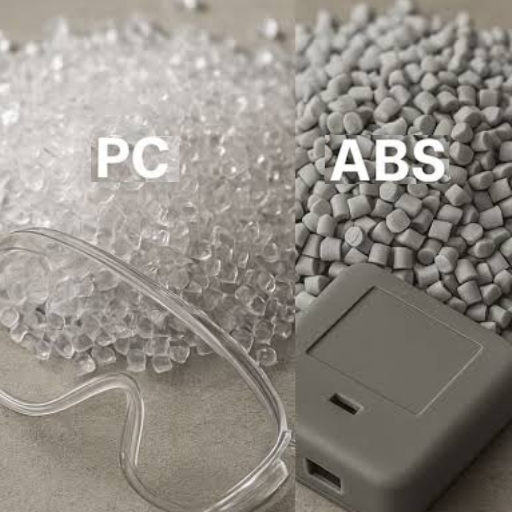
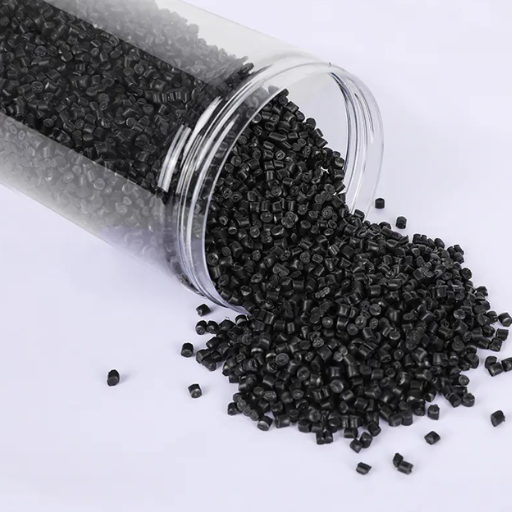
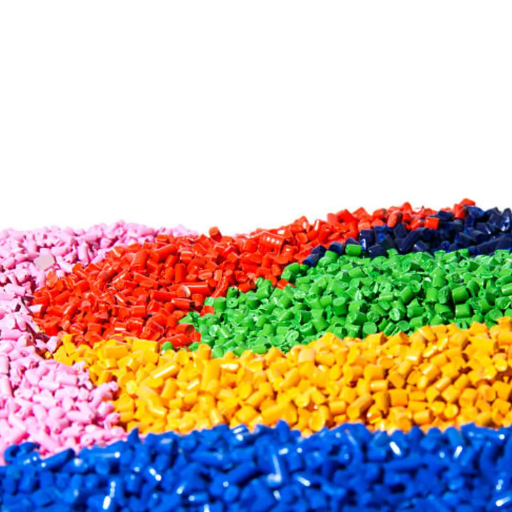
Deciding between two transparent engineering resins is not always as straightforward as it may seem. At first blush, they both come to you in nondescript little gray, blue-green or whatever pellets, that melt long and slow at the plunger tip and then alike, faint, in the cavity of an injection mould to yield some mostly clear articles, although they are subtly different, resistance being the largest, next on the line of differences temperature, and finally comes the-democratic-issue-money.
In the next part, we will lay the specifics that tell these two general classifications apart. Understanding how two chemicals interact to manifest two completely different basic materials that give two completely different handling peculiarities will be covered. Another relevant discussion is of how various mechanical properties fit into what’s out there as a material and eventually with the application need channeled along. The last would be an exhibit of what specifications a client must demand from its supplier of pellets to ensure that the production line runs unswervingly smoothly all the time.
Whether you are a procurement manager looking to optimize the material spend or an engineer tasked with realizing and selecting the ideal resin for a recently designed mold, this comparison provides it all, giving results in black on a white sheet. No gray talk and no suspected steel analogies. All gluey fact about the pellets goes into making your facility work-super work!
The Quick Verdict: Polycarbonate vs Acrylic for Your Project
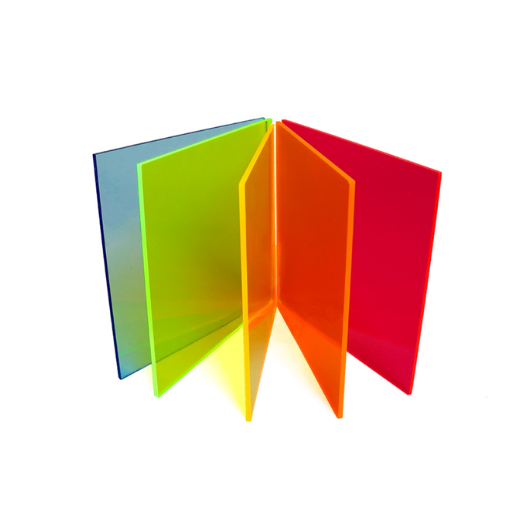
If it is resilience, heat resistance, or structural durability you require, then choose polycarbonate (PC) pellets. If it is optical clarity, scratch resistance, or cost, then go with acrylic (PMMA) pellets. This is the crux of the explanation. Everything else depends upon your input, methodology, and procurement strategy.
Polycarbonate-pellet applications are recommended when:
- Impact strength is paramount (PC supports some 250 times more impact resistance than glass)
- Working temperatures are beyond mere 85°C
- Items are expected to endure a fair number of drops, vibrations, or blunt blows
- Flame resistance ratings of UL 94 V-2 or V-0 must be met (the rating for PC)
- Materials must tolerate aggressive thermoforming or cold bending
Acrylic-pellet applications are recommended when:
- Optical clarity needs to be preserved (PMMA permits 92-93% visible-light transmission)
- Materials must provide scratch resistance without adding hard top coats
- Materials must be UV-stable for outdoor conditions
- Unit-cost perceptions significantly drive the selection.
- Calorimetric stress value is almost non-existent
The issue of Polycarbonate vs. Acrylic arises at least two times per year to the majority of manufacturing teams. It may be raised in new product development, vendor consolidation, or cost reduction programs. The wrong choice does not always directly result in a part failure in the field. The biggest failure really happens silently in your material budget, erasing the margins locked in by your pricing team.
Before specifying one resin or the other, be aware that they may act in different ways in every stage; they require different set-up procedures to be treated. The list goes on… You get the point; they also have differences in their mechanics performance in the final part. These sections will dissect how these differences potentially apply to your facility.
Need help selecting the right grade for your mold? Explore our polycarbonate pellet selection and PMMA resin range to compare specifications side by side.
What You Are Actually Comparing: PC vs PMMA Chemistry
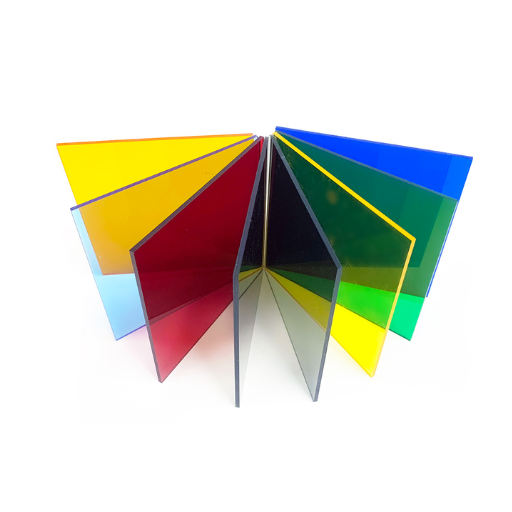
Polycarbonate is a copolymer composed of bisphenol A and carbonic acid. Its manufacture involves the linking of rigid benzene rings with the ruthlessly branched carboxyl group. The final product is an amorphous thermoplastic with good strength and heat resistance. Stabilization against aggresive ultraviolet radiation and solvents is also needed because of the same chemical structure.
Acrylic, which is formally known as polymethyl methacrylate (PMMA), is formed from rounds of methyl methacrylate monomers. The resulting polymer chains are linear and much more regular than those of polycarbonates. This regularity can result in excellent optical clarity and surface hardness for PMMA. It unfortunately also means brittleness upon impact, due to the absence of the flexible chain arrangement and energy absorption that gives polycarbonate its impact strength.
An interesting session in chemistry-how important is that for a procurer? The molecular constitution determines its property. PC melts with high viscosity and as a result, goes through hot mold barrels, thus increasing filling pressures. PMMA, on the other hand, less viscous as its capability of filling molds easily, putting a black mark on that power-poor temperature control against thermal decomposition.
Know the difference in both apart from saving you a heavy price in trial and error on the shop floor.
Common Trade Names and Grades
You will rarely see raw material orders labeled simply as “polycarbonate” or “acrylic.” Suppliers and molders reference established trade names that signal quality and consistency. Polycarbonate pellets commonly carry designations like Makrolon (Covestro), Lexan (SABIC), or Apec (Covestro high-heat grades). Acrylic pellets typically reference Plexiglas (Röhm), Perspex (Lucite International), or Acrylite (Mitsubishi Chemical).
More than one grade is covered by each trade name for specific processing. Makrolon 2805 can generate good injection molding performance. Meanwhile, Makrolon 2405 provides a better flow owing to its low viscosity against thin-wall applications. Plexiglas V045 features excellent flow for complicated molds, and Plexiglas V825 is better in heat resistance for automotive lighting.
Your supplier will help to associate the grades with your definite application requirements.
We organize supply through Suzhou Yifuhui, which flexibly relates to international standards. Our engineering team pairs the actual mold specifications with those of the data sheets on the grades to ascertain that melt flow index, heat deflection temperature, and impact strength conform to your eventual use specifications—thus avoiding the sort of mismatch that cost Lin Wei three months worth of margin.
Head-to-Head: Polycarbonate vs Acrylic Properties Compared
The following table provides a comparison of the main points of variation between the two materials in engineering resins. It will serve as a quick pointer for you to compare polycarbonate with acrylic, but the detail-oriented below will give you some insight as to how these properties would affect your manufacturing operation.
|
Property |
Polycarbonate (PC) |
Acrylic (PMMA) |
Advantage |
|---|---|---|---|
|
Impact Strength (Charpy, notched) |
65-90 kJ/m² |
15-20 kJ/m² |
PC |
|
Light Transmission |
88-91% |
92-93% |
PMMA |
|
Scratch Hardness (Rockwell M) |
70-75 |
85-95 |
PMMA |
|
UV Resistance (unstabilized) |
Poor (yellows over time) |
Excellent (10-20 years) |
PMMA |
|
Heat Deflection Temp (1.8 MPa) |
130-140°C |
85-95°C |
PC |
|
Density |
1.20 g/cm³ |
1.19 g/cm³ |
Tie |
|
Chemical Resistance (solvents) |
Moderate |
Good |
PMMA |
|
Raw Material Cost |
Higher |
Lower (~20-35% less) |
PMMA |
Impact Resistance and Durability
Role in impact resistance is actually in favor of polycarbonate. Standard PC grades absorb about 65 to 90 kJ/m² in Charpy notched tests while PMMA is hit at only 15-20 kJ/m². Comparatively, PC always resists shock about 250 times better than glass.
Here, PMMA is some 17 times better than glass. Therefore, in the case of falling, hitting or vibration, specifications should focus on polycarbonate.
But there is still something further to be answered with reference to impact resistance. Concerning static load, PMMA, in essence, achieves a greater value. Its flexural strength is around 90-110 MPa as opposed to PC’s 90-95 MPa. One of the benefits of PMMA is its greater resistance to scratching and surface abrasion. If the use of PMMA is intended for gentle handling in the form of display cover, lenses, and exterior panels, the material’s surface wear resistance will be more important to consider than its safety design point.
Optical Clarity and Light Transmission
PMMA wins in terms of optical clarity as far as any PMMA-shaped detail passes 92-93% of visible light, reaching optical glasses and almost the light transmittance. Polycarbonate transfers 88 to 91 percentages depending upon the rank and thickness. The distinction becomes more apparent in thick-walled segments or precision optics.
PMMA is the material choice for light diffusors, display window panels, or any other medical devices that must maintain clear visual lines throughout its use. PC becomes cloudy in sections exceeding 6 mm in thickness. If your application requires absolute transparency and abstains from second polishing, choose acrylic pellets and plan for lower impact resistance.
Scratch and Surface Hardness
With the hardness range of 85-95 Rockwell M, Acrylic, in terms of scratch and surface hardness performance, suits better in comparison to polycarbonate, having a range of 70-75. In other words, for every purpose of the assembly and shipping damage, end-use optical activity will show resistance to scratch. PC is easily scratched and usually requires hard coating if for cosmetic use. Hard coating adds cost and process complexity.
The hard-coat provision ought to be taken into account when evaluating overall costs, especially when surfaces are likely to be exposed to frequent physical wear, abrasion, or cleaning. Many times the “cheaper” PC pellets end up being the more costly finished part if surface protection is added.
Resistance Against UV Rays and Weathering
Acrylic exhibits natural resistance against UV light. PMMA has been known to absorb UV lights being present in the 300 to 400 nm region for a lifespan of about 10 to 20 years out in the open. Polycarbonates are relatively UV-labile, leading to yellowing and brittleness on prolonged exposure unless they are made UV-stable by some form of stabilizer or coating.
Some current grades of polycarbonates get an aid through their UV-stabilizing properties to decrease this gap. Lexan SLX-type grades, catalystically, are co-extruded with an extra UV exposure protection at hefty prices, although finally reasonable. For instances of greenhouse longevity, lighting, or aquatic environments, extrinsic ultraviolet resistance are generally given to acrylic rather than PC yet for cost.
Heat Resistance and Thermal Stability
Polycarbonate contains some much higher processing temperatures. Depending on whether or not a particular grade is in a load of 1.8 MPa to function under a heavy stress, its HDT ranges from 130°C to 140°C. PMMA can take just 85 to 95°C under the same stress. PC would be the only functional alternative for under-hood vehicle components or electronic housings near heat sinks or sterilisable medical devices.
Processing temperatures follow the same pattern. PC pellets require barrel temperatures of 260 °C to 300 °C. PMMA remains within 200°C to 240°C. This 60-degree difference would influence energy costs, cycle times, and mold cooling requirements.
PC is much spendy, given the larger energy consumption and normal cooling cost.
Chemical Resistance
PMMA resists dilute acids, alkalis, and solvents much better than uncoated PC. Polycarbonate is at risk of stress cracking from some organic solvents introduced of ketones, esters, and aromatic hydrocarbons. The latter may even occur when the acetone wipe is distributed to the PC parts in a mechanical load.
If the use of the part involves, or is in contact with cleaning agents, fuels, industrial chemicals at any time, ensure the compatibility is checked using the latest compatibility charts, before deciding on the usage of any chemical in any manner in the part. In general, PMMA would be a better choice if a part needs to come into chemical exposure. For PC applications, design with the exposure risk in mind or offer alternatives with improved solvent tolerance in exchange for reduced transparency as chemical-resistant grades.
Density and Weight Considerations
The specific gravity of polycarbonate roughly reaches 1.20 g/cm(_. The PMMA value in this respect is about 1.19 g/cm. The difference is small, and for the most part, it is not of importance. In this situation, the industrial idea about the usefulness of both resins as materials suitable half as heavy as glass is purposeful.
If the concept of satisfaction by saving the greatest possible weight were the priority, either resin would serve OR be chosen based on other qualities.
Price per Kilogram and The Whole Cost of the Ownership
Crude PMMA material is somewhat cheaper than polycarbonate, at least 20-35 percent, in terms of cost per kilogram. Well, this difference is more pronounced because polycarbonate is more demanding on the processing side. It pre-requires drying before processing, a higher barrel temperature, and maybe one is supposed to anneal where most often most seriously crack in the thicker sections and produce undesirable internal stress which may destroy the product from the outside. This is not the case with the PMMA. Processability for them is so forgiving that the molder typically gets another “cost cut” making them more desirable.
So, the Holistic cost depends on much more than the material price. Rejection rates, cycle times, incoming quality of raw materials, secondary operations, and warranty claims are open to consideration. The cost of a product, rejected out in the field because you were too keen in saving on the material itself, might very well exceed the material saving infinitely. Before you allow your procurement department to dictate the material selection, do the total cost calculation.
Processing Polycarbonate vs Acrylic on Your Shop Floor
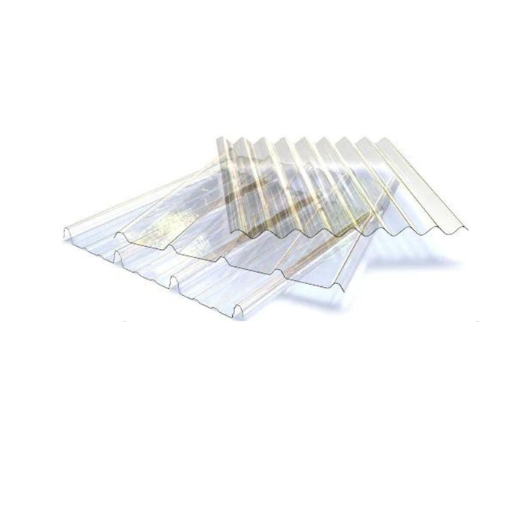
One could not help but observe the differences between polycarbonate and PMMA in his or her production spot. These molding resins require different handling, different machine set-up, and thus a different quality control system. Ignoring these differences could take expensive minerals to the furnace.
Injection Molding Parameters
The barrel temperatures for PC should lie between 260°C to 300°C. Give the mould 2 temperatures of 80°C to 120°C. High injection pressures are kind of unavoidable due to PC melt viscosity, and hence the machine must run with high clamping force while simultaneously showing great temperature control in all injector zones.
On the other hand, the PMMA doesn’t require such high temperatures. The barrel zones need to be around 200°C to 240°C. You should make your mould run generally at about 60°C to 80°C. Low mold temperatures reduce energy demand per cycle.
Also, They can be handled in smaller machines that permit larger shot sizes, therefore saving you money on your hourly machine rate.
Melt Flow Index varies enormously with grade. For instance, general-purpose PC pellets may carry an MFI 300°C 10-20 g/10min. High flow grades may reach 25-35 g/10min. PMMA at 230°C generally ranges between 2 and 25 g/10min (depending on the molecular weight). Match the MFI to your wall thickness and flow length. Thin walls require high flow. Thick sections can afford low flow, allowing for better mechanical properties.
Drying Requirements: The Critical Difference
Here is the point where many molders stumble in the polycarbonates versus acrylic processing debate. Polycarbonate is a hygroscopic material in that it absorbs moisture from the ambient air. Should you mold it with a moisture content greater than 0.02%, you get silver streaking, hydrolysis breakdown, and brittle parts.
You are required to pre-dry the PC pellets at 120 degrees Celsius for 3-4 hours prior to processing. Desiccant dryers are necessary and can never be optional.
PMMA has a larger latitude for errors. While PMMA also absorbs moisture, it has a wider tolerance towards such an occurrence. Most of the time, it needs 2-3 hours of drying at 80°C. A few processors seem to manage PMMA right from the sealed bags with no adverse effects if any.
In less drying time, the production can be scheduled better with less energy consumption.
When Chen Ran changed his factory from PMMA to PC for safety visors, he thought the molding parameters would also be the same. His batches one through three displayed serious silver streaking and sink marks. Finally, a technician identified the problem: the PC pellets had taken on moisture during storage.
The parts came out flawless ater a proper drying system was installed by Chen and pre-dried to below 0.02% moisture content. This ordeal cost Chen two weeks of production and reminded him well enough that polycarbonate processing is expected to be done with respect.
Shrinkage and Dimensional Stability
When we find the subject of polycarbonate and acrylics, PC may experience shrinkage of 0.5% to 0.8%, while PMMA tends to 0.1-0.6%. This lesser shrinkage of PMMA makes it best for tight-tolerance parts like optical cylinders and precision covers. PC relies on the greater tolerance for its high shrinkage ability.
Both materials exhibit isotropic shrinkage behavior, where shrinkage is uniform in all directions. Such behavior of amorphicity grants ease in modeling compared to crystalline materials in polypropylene. But PC’s higher coefficient of linear thermal expansion makes parts grow more in higher-temperature environments. Please consider this as part of your tolerance stack.
Post-processing: polishing, coating, annealing
On the other hand, it is readily described in contrast to the realm of post-processing. PMMA can be flame polished. Quick passes by a hand-held propane flame will bring optical clarity back to edges machined into PMMA. By far, PC does not flame polish well.
A proper mechanical polishing or vapor polishing with solvent exposure is necessary to achieve an equal level of transparency.
PC parts with tension in them normally require annealing at around 125-135 °C for 1-4 hours. It releases trapped-in stress, which would potentially cause cracking during assembly and chemical exposure. Annealing is rarely necessary for PMMA unless the parts require extremely tight tolerances or have challenging geometry under thickness variation.
Extrusion and Blow Molding
Both materials extrude well though PMMA is more energy-efficient than polycarbonate. Polycarbonate requires higher temperatures to extrude, necessitating sturdier extruder screws and adequate barrel heating. PMMA assures lower energy cost for extrusion and showcases high clarity in the sheets and profiles produced.
In blow molding, PMMA is rarely used because of its limited elongation. Structurally, application requires polycarbonate for laboratory and medical ware.
Application Matrix: Matching Pellets to Your Industry
Choosing between acrylic and polycarbonate is guided by potency. The matrix below estimates the connection of several industries to polycarbonate vis-à-vis acrylic, wherein we shall explore their utility in the manufacturing sector.
Automotive Components
In the polycarbonate versus acrylic debate within the automotive realm, favor goes to polycarbonate for automotive applications. PC exhibits more toughness and durability that automotive components require in its heat and impact resistance-filled headlamp lenses, interior trim, instrument cluster covers, and under hood components. The more modern Lexan LS2 and Makrolon AL grades provide specialized ultraviolet stabilization, making them the best option for scratch-resistant exterior glazing. If your parts have to survive through the rising temperatures of summer dashboard and winter road debris, best go with polycarbonate pellets.
However, this is not always the case, and PMMA can replace polycarbonate in decorative trim due to high glosses where an intricate cosmetic requirement warrants the hardest surface with great clarity. Such are never so important in auto mechanics, as these applications play second fiddle to the functional or structural side of the PC.
Electrics and Displays
For electronics, the polycarbonate vs acrylic comparison favors PMMA. Acrylic excels in smartphone light guides, tablet display windows, monitor bezels, and LED diffusers. The material’s excellent light transmission and ability to be mold with micro-optical structures make it ideal for display applications.
PC finds electronics use in enclosures and housings where impact protection matters. Laptop covers, power tool housings, and server chassis components leverage PC’s toughness. Choose based on whether your part faces the user (PMMA for optics) or protects internals (PC for structure).
Medical Devices
In medical applications, considerations when making a polycarbonate vs acrylic decision concern sterilization requirements. Polycarbonate resists gamma radiation, steam autoclaving, and EtO sterilization. It appears in surgical instruments, drug delivery devices, and sterilizable housings. Resistance to high temperature allows repeated autoclaving cycles at 121 °C.
PMMA is utilized in dentistry, bone cements, some safe optical components, biocompatibility, and clarity that what he needs. Some grades meet USP Class VI or ISO 10993 standards for limited body contact. Certificates for biocompatibility, always in care, should be checked with your supplier before specifying either resin for medical use. The path of regulation for medical-grade resins is much stricter than that for industrial grades, and your supplier ought to provide full traceability and documentary support for the whole batch.
Safety and Security Equipment
A comparative analysis between polycarbonate and acrylic will see polycarbonate coming out the victor in the safety equipment scenario. Energy absorption and impact resistance; polycarbonate fulfills the requirements of face shields, safety goggles, machine guards, and ballistic glazing. In terms of a transparent thermoplastic, PC stands in a class of its own when it comes to doing the job without shattering. If human safety statistics hinge on the specimen which should be designed, then PC should be the immediate choice.
Signage and Lighting
PMMA is the dominant player in the signage and lighting market. When we talk about outdoor applications, polycarbonate is usually excluded from the polycarbonate vs acrylic debate, clearly for PMMA. PMMA being an exhibiting material is also massively appreciated for its various applications such as channel letter faces, illuminated signs, light diffusers, decorative panels, and various fixtures taking uninterrupted benefit of its exceptional clarity, weathering and ease of fabrication. Further, those fabricated sheets are well-liked most for providing seamless lines or nail-free welding with biocompatible solvent cements that bond the edges together like a cult.
PC is seen when residues are one big hassle and impact resistance is seen as less of a problem in such applications as streetlight covers, industrial high-bay fixtures, and vandal-resistant luminaires. But for the standard indoor lighting and retail signage end-user marketplaces where PMMA’s cost advantage and optical performance really make PBS the only choice.
Consumer Products and Packaging
Among consumer products, PMMA triumphs in cost and cosmetics-driven Cosmetics and polycarbonate-vs-acrylic competitions. Acrylic is a material of choice in all display stands, food industry packaging, photo frames, and decorative items as opposed to other polymers. Polycarbonate, on the other hand, surfaces in some of the durable consumer products that one hardly expects: water bottles, blenders and food processors, and sports goods, which demand greater toughness in exchange for lower scratch resistance.
PC also takes a chance with reusable food containers and food service equipment. It shows resistance to dishwasher temperatures and repeated injuries. However, the BPA scare has forced some food-contact end uses in the direction of other materials. PMMA rarely finds a use in food-contact applications since it is costly and brittle.
Checking pertinent FDA or EU food-contact approvals is advisable when selecting either resin for packaging.
Not sure which resin fits your application? Contact our engineering team for a free material consultation. We will review your part drawings, end-use requirements, and processing setup to recommend the optimal pellet grade.
Sourcing Pellets: What Procurement Managers Need to Know
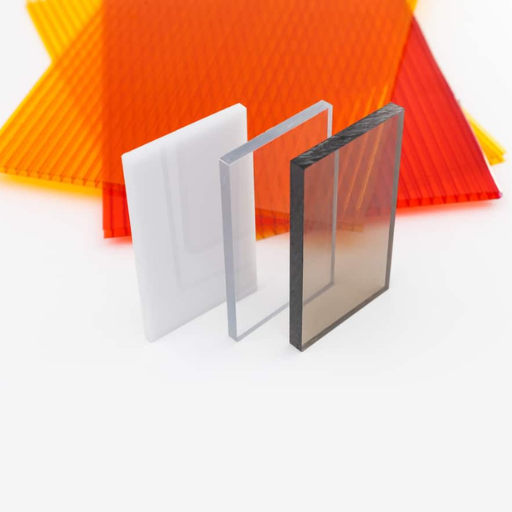
Selecting the right resin is only half the battle. Sourcing polycarbonate vs acrylic pellets consistently, cost-effectively, and on time completes the picture. The following guidance will help you evaluate pellet suppliers beyond their Price Lists.
Assessing Pellet Quality and Consistency
Every preparation of batches should come with a Certificate of Analysis (COA). Testing need not be mandatory for every other parameter listed above, but for the pellet’s melt index, heat deflection temperature, tensile strength, and impact resistance based on the grade Datasheet. Random in-house testing helps but ensures your supplier’s COA is spot-on with your readings, falling within tolerances.
Visually inspect for contaminants. Color should be uniform across the pellets, and the sizing should be uniform. The presence of extraneous particles, discoloration, or dust would be flags signaling poor handling or mixing regrind. Good quality virgin pellets look and feel very clean and consistent.
Reground or off-spec mixes may cost less at the beginning but lead to distinct processing problems that might cost even more during scrap disposal and downtime.
Packaging, Handling, and Storage
Both PC and PMMA pellets arrive in sealed bags, bulk boxes, or bulk containers of 25 kg. Sealed bags with moisture barriers enable the delivery of hygroscopic resins without moisture attack. Sealed bags must be resealed after opening or pellet wastes must be disposed of. In weather conditions where the average-hooded PMMA and PC pellets are exposed, excess moisturization will become a problem in just hours.
Pellets should be stored in a climate-looped room at a temperature maintained under 30°C and 50% of relative humidity. So, high temperatures will make polymers lag behind in de-gradation, and high humidity will make polymers start to degrade before making it to the dryer. Instead of, good storing practices do not cost you anything.
Poor storing practices cost production a loss.
Supplier Evaluation Checklist
You need to verify the following basics before you sign up with a pellet supplier: A number of your homework inquiries may include:
- Material availability: Are various grades represented, or will two sources suffice for matching specific plastics to particular manufacturing/service applications?
- Quality check: Do they possess the capability to carry out tests of every batch, or do they randomly sample vials?
- Delivery lead-time: Is the time frame agreeable to your schedule or allows for plenty of time to store in safety stock?
- Expertise and assistance: Can you count on their technical team to help in solving the problem with moldings, or are they limited to taking orders?
- Are they certified: ISO 9001, ROHS, REACH for the uncleared-off grades that you are getting?
After six long months of erratic melt flow rates from their current supplier, Wang Mei was frustrated and urgently shifted the orders for her PMMA to a new partner-the one who included CoAs in every batch supplied. This switch proved auspicious as the scrap rate of 4.2% was considerably lowered to 0.8%, cycle times became stabilized, and suddenly all procurement subsequently matched production forecasts.
The resin was always the same. It had always been the accountabilities of different suppliers.
In comparison, Suzhou Yifuhui is concerned with the uniformity of pellets to a very great extent. Every batch of polycarbonate and acrylic pellets produced will be quality inspected before leaving the premises. We provide the complete documentation for the COA, keep engineering support ready for persons to choose the right grade for their mold, and the ISO process will stay untouched. Transparent pricing and good logistical coordination eliminate the type of supply chain disruptions that typically cause problems over time.
Conclusion
The polycarbonate vs acrylic feud is pointless; the analysis should be about matching the right engineering resin for the right application. The advantage of PC is the unprecedented level of toughness and heat resistance; PMMA provides amazing clarity, surface hardness, and cost efficiency.
Both are excellent performers in their own right when properly specified.
Before your next order is placed for pellets, consider these five factors for selection:
- Impact needed: Will the part get dropped, hit, or vibrated during use? If yes, lean towards PC.
- Optical demands: Let the part need glassy clarity? If yes, specify PMMA.
- Temperature experience: Will the part be used in conditions above 85°C steadily? If so, PC is your only choice.
- Costs: Are costs the major driver? If so, then the savings will come from the material itself.
- Manufacturing process: Do you have sufficient drying and temperature control? If not, PMMA is more forgiving.
Make a single error among these and ensure losing in scrap material, quality claims and/or profitability loss. Get them right, and the inner sections of the transparent parts would work just like that.
Ready to source polycarbonate or acrylic pellets for your next production run? Request a custom quote today. Our engineering team reviews your specifications and responds within 24 hours with grade recommendations and competitive pricing tailored to your volume requirements.