The Guangzhou sealing systems factory of Liu received its first batch of SEBS-based TPE material for its new automotive door seal project when the price of the material reached $2.10 per kilogram. The seals developed permanent deformation which prevented proper door closure during summer temperatures six months after installation.
The OEM rejected the entire lot, and Liu lost a contract worth $180,000. The replacement consists of thermoplastic vulcanizate grade which costs $3.80 per kilogram. The components of the system continue to operate at full capacity after 18 months of usage.
TheTPE TPV material system generates a situation where people create stories about Liu. The material consists of multiple rubber-like thermoplastic products which display distinct performance characteristics. Generic TPE offers softness and low cost. The TPV material provides compression set resistance and weathering durability which matches the performance of vulcanized rubber.
The wrong grade selection for your specific application results in field failures which occur during actual operations. The correct choice leads to a reduction of part costs which reaches 45 percent while you eliminate the need for curing ovens and rubber processing waste.
This guide explains how TPE and TPV differ which grade meets your specific application requirements and the correct processing methods for each material when you source thermoplastic elastomer pellets for automotive industrial electrical or consumer applications. The process will teach you how to assess suppliers who possess knowledge about the distinctions between commodity TPE and authentic TPV compounds.
Need help selecting the right elastomer grade? Our materials engineers at Suzhou Yifuhui review your temperature, fluid exposure, and compression requirements, then match you to the correct TPE or TPV material. Contact us today for technical data sheets and competitive pellet pricing.
What Is TPE TPV Material?
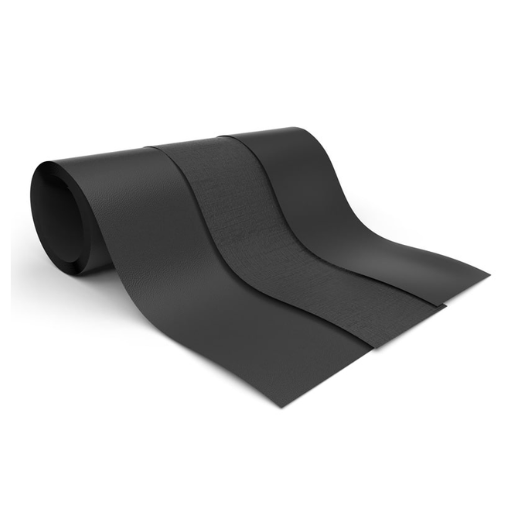
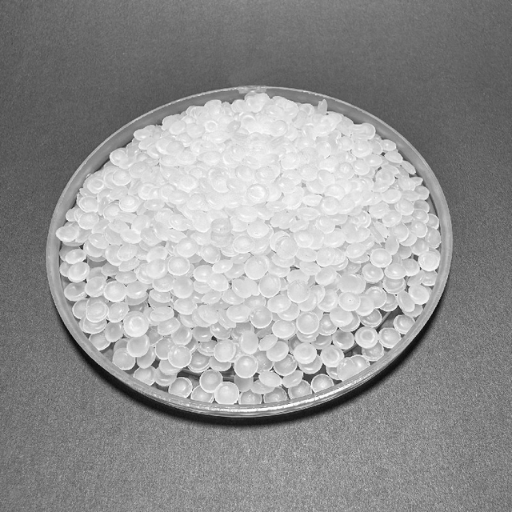
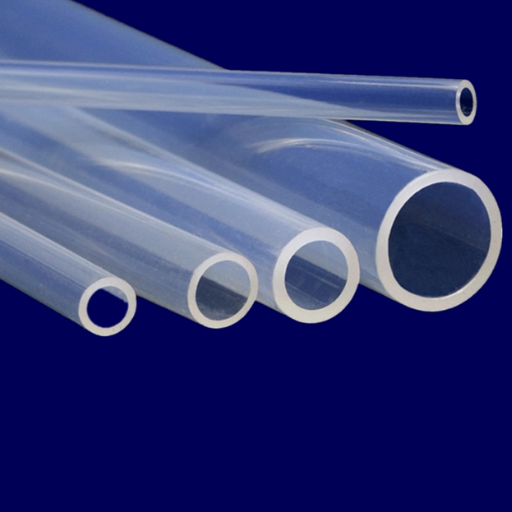
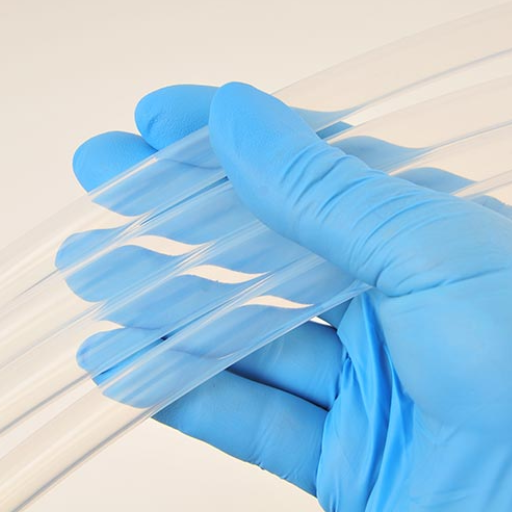
Thermoplastic elastomer also known as TPE and thermoplastic vulcanizate (TPV) are a group of materials that stand between rigid plastic and vulcanized rubber. These materials can be processed using standard injection molding and extrusion equipment. They go through plastic-like melting followed by solidification.
However, they can be stretched, compressed, and then recover just like any other rubber, thus doing away with vulcanization steps needed for EPDM, silicone, and natural rubber.
By 2025, global TPE and TPU materials with the thermoplastic elasto market were worth US$25 billion. This 9% growth rate of TPV as a segment is the fastest. Demand for lighter seals, hoses, and gaskets are driven by the automobile manufacturers. One must be able to withstand under-the-hood heat but without the added weight and process expense associated with one fine batch of rubber.
Understanding Thermoplastic Elastomers (TPE)
TPV is a broad market term that covers any polymer showing rubber-like behavior at room temperature and flowing like plastic when heated. The popular commercial grades that constitute TPV are physical blends wherein a soft rubber (usually SEBS or SBS block copolymer) is combined with a hard thermoplastic (usually polypropylene), where fillers and oil are typically employed to dial in the hardness.
These physical blends possess easy processability, clean recyclability, and the breadth of softness (0A Shore, almost gel-like) to hardness (20A Shore). Their versatility makes generic TPE the default choice for soft-touch grips, consumer goods, and towel hangers in automobiles.
What Is Thermoplastic Vulcanizate (TPV)?
TPV is, strictly speaking, a member of the TPE family, albeit differently constituted at the molecular level. Rubber radiation (usually epichlorohydrin rubber, if not EPDM) undergoes dynamic chemical vulcanization during the manufacturing process. The rubber undergoes crosslinking chemically while being dispersed into the thermoplastic matrix (usually polypropylene). This then produces material with the vulcanized rubber domains locked inside the thermoplastic strut.
Crosslinking is the reason behind TPV’s unique advantage-low compression set. Hold a TPV seal in compression for months, then tolled back, and the material springs back to something like its original shape. Standard TPE signs off under the same conditions by taking a permanent set. Additionally, TPV is better with higher temperatures, possesses better resistance to automotive fluids, which prevents UV and ozone from aging it as readily as would occur with a normal TPE grade.
TPE and TPV vs. Traditional Vulcanized Rubber
Both TPE and TPVs have taken over EPDM, natural rubber, and silicon, respectively, in many applications. The advantages are substantial:
- Speed of processing: As there is no vulcanization or curing step, cycle times drop by more than 50%.
- Recyclability: Comprising both scrap and runner reground parts, TPVs are recyclable, which, unlike thermoset rubber, becomes waste.
- Reduction in weight: The density of TPVs is approximately 0.98 gm/cm, which amounts to around 20-30% lighter than EPDM.
- Part consolidation: Overmolding soft TPE TPV directly onto rigid polypropylene eliminates separate assembly steps.
- Energy savings: Elimination of curing ovens will cut the energy bills by around 50% and floor space requirement by about 70%.
For parts that require continuous temperatures above 150°C, aggressive solvents, or very high tear resistance, it is vulcanized rubber still ahead of TPE and TPV. Understand what makes the material valuable before specifying it.
TPE TPV Material Properties Comparison
Selecting between TPE and TPV requires understanding five property categories. The wrong choice in any one category can create a field failure.
Mechanical Properties
Hardness always refers to the feel and performance of a material under loading conditions. From inconceivably gooey 0A Shore to sturdy 120A Shore, generic TPE spans a wide range up to about 70D Shore. The generic TPE’s only choice is for an extremely soft touch, for which TPV might otherwise be preferred.
Ductile set makes interesting observations in the sealing business. TPV tear strength usually falls within a 25-45% range, based on material grade and test circumstances. Some common soft touch grades display a soft touch. Materials in the generic TPE field might exceed 50%. In the case of door seals, gaskets, and weatherstripping, in situations where they are permanently squeezed, TPV plans are the most user-friendly.
On elongation and tensile values, TPEs carry the day because they present the highest degree of flexibility. Compared to TPV, it is not unusual for generic TPE elongation to rise significantly above 500%. TPV elongation generally falls within 250-450%.
Both materials are good at the serviceability for lots of repeatability while being supportive of application-specific tolerances. When it comes to retaining some partial or full compression, TPV stands victorious.
Thermal & Environment resistance.
Temperature service is the most urgent case for the premium justification of TPVs. Generic TPE begins to soften significantly over 80-90°C. TPVs would then maintain properties unimpaired from -60°C to +130-135°C mostly, going as far as 150°C for minor duties. For the underhood automotive applications, TPVs will be deemed indispensable in almost all cases.
Ozone, UV, and weathering resistance are some other relevant edges for TPVs. The EPDM rubber in TPV offers all the outdoor life span that popularizes EPDM roofing. By contrast, generic TPE can fall away quite quickly under bright sun, or just a few days in full exposure unless protected well with additives.
In oil and chemical resistance, TPV will be stronger yet again above what its competition can deliver. TPVs exhibit resistance to engine oils, greases, transmission fluids, and most mild hydrocarbons including gasoline in the long term; TPEs would break through and degenerate under petroleum-based solvents during extended use.
Processing Characteristics
Both materials run on standard thermoplastic equipment, but their parameters differ.
|
Property |
Generic TPE (SEBS-based) |
TPV (EPDM/PP) |
|---|---|---|
|
Melt temperature |
150-200°C |
180-230°C |
|
Mold shrinkage |
1.5-3.0% |
1.2-2.0% |
|
Drying required |
Minimal |
2-3 hours at 80°C |
|
Mold temperature |
30-60°C |
30-60°C |
|
Processing ease |
Excellent, wide window |
Very good, stable rheology |
TPV offers more consistent shrinkage and better dimensional stability on long extrusion runs. Generic TPE offers faster cooling and shorter cycle times for thin-walled or intricate parts.
Cost Structure
Material cost is not the only cost that matters.
|
Material |
Price Range (USD/kg) |
Relative Processing Cost |
Lifecycle Value |
|---|---|---|---|
|
Generic TPE |
2.00−2.00−3.50 |
Low |
Good for indoor, low-stress |
|
Standard TPV |
2.50−2.50−4.50 |
Low-Medium |
Excellent for sealing, outdoor |
|
Santoprene (premium TPV) |
4.00−4.00−7.00 |
Low-Medium |
Industry benchmark |
|
EPDM rubber |
3.00−3.00−5.00 |
High (curing required) |
High for extreme heat |
TPV often delivers lower total cost of ownership despite a higher per-kilogram price. The elimination of curing, lower scrap rates, recyclability, and longer service life offset the material premium in automotive and industrial applications.
Want a detailed cost comparison for your specific part? Send us your current material specification, annual volume, and application requirements. We will model the total cost including processing, scrap, and expected service life. Request your analysis.
TPE TPV Material Grades and Specifications
TPE families are vast, containing various chemistries, each of which targets a specific market niche. It’s not much of a specification to say “TPE material” unless you name the subtype; it would be similar to saying “steel” without adding “alloyed” or “soft” or “with higher hardness”.
Standard TPE Grades (SEBS-Based)
SEBS-based TPE happens to be the most typical standard grade. The blend combines styrene-ethylene-butylene-styrene block copolymer with polypropylene and process oil. These grades provide the widest hardness range, the softest touch, and the least expensive material.
Best for: Consumer grips, toy components, overmolded tool handles, automotive interior trims, and medical tubing where oil exposure is minimal and temperatures stay below 80°C.
Disadvantages: Moderate UV stability with no additives. Poor oil resistance. Greater compression set compared to TPV.
TPO (Thermoplastic Polyolefin)
TPO represents the largest TPE segment by volume accounting for around 45% of the total market. It combines uncured EPDM rubber with polypropylene, and the rubber phase is not vulcanized.
Best application: Automotive bumper fascias, exterior trim, roofing membranes, and wire jacketing. TPO offers exceptional weatherability at a much lower cost as compared to TPV; however, it offers bad compression set and stress resistance.
TPV Grades (EPDM/PP Vulcanizate)
TPV dominates demanding sealing and under-hood applications. The most recognized brand is Santoprene, originally developed by ExxonMobil and now produced by Celanese. Santoprene grades are organized into series:
- 121 series: General-purpose TPV for weatherstripping, gaskets, and consumer goods. Hardness range 55A to 87A.
- 201 series: Improved fluid resistance for under-hood hoses, tubing, and seals exposed to oils and greases.
- 251 series: High-performance grades for the most demanding automotive applications, including air intake ducts and charge air cooler hoses.
Chinese TPV producers now offer EPDM/PP vulcanizate grades that meet industrial specifications at 20-30% lower cost than branded Santoprene for non-OEM applications.
Specialty Elastomers: TPU, TPC, and TPA
While talking of TPO and TPV, three specialty elastomers worth mention are:
TPU (Thermoplastic Polyurethane) imparts an extraordinary abrasion resistance and tensile property. This is preferred for shoe sole, hoses used in industrial applications, and cable jackets that are used under rough surfaces or during repeated flexing.
TPC (Copolyester elastomer) has a great fatigue resistance and chemical stability. CV boots for automotive are common examples of use for TPC compounds.
TPA (Polyamide elastomer) is at the highest end of temperature performance across the TPE family, with ¬continuous operation at 175°C. For fuel and air intake systems, TPA is specified when the heating elements of TPV fall short.
Grade Selection Framework
Use this decision logic to narrow your specification:
- Does the part contact oils, greases, or automotive fluids? If yes, avoid generic TPE. Choose TPV, TPU, or TPA.
- Will the part remain compressed for long periods? If yes, choose TPV for low compression set.
- Is continuous service temperature above 120°C? If yes, choose TPV, TPC, or TPA.
- Is the part exposed to outdoor UV and ozone? If yes, TPV or TPO outperform standard TPE.
- Does the application require extremely soft touch or transparency? If yes, generic TPE is often the only option.
- Is material cost the primary constraint? If yes, TPO or generic TPE may suffice for low-stress applications.
TPE TPV Material Applications by Industry
TPE TPV material serves virtually every manufacturing sector. The key is matching the right subtype to the environment.
Automotive (39-41% of Total Demand)
The automotive industry is the largest consumer of TPE and TPV, with the external sealing system accounting for the highest TPV volumes. Open-cell seals such as door seals, window gaskets, trunk gaskets, and hood gaskets require low compression set and long-term weathering resistance.
Undoubtedly, TPVs are the preferred polymers for under-hood applications. Air ducts, radiator hoses, vacuum hoses, grommets, and wire harness jackets are subjected to temperatures, oils, and ozone, which would break any generic TPE in no time.
Soft TPE grades are used to mold the backing material for dashboard skins, armrest covers, gear shift boots, and floor mats. For these automotive trim items, which are much more about the soft hand and colorability than fluid resistance considerations.
While using an external Tier-1 supplier in Suzhou for a program of windshield gasketing, Wang’s interior trim company stopped needing a separate curing station altogether when moving from EPDM rubber to TPV. The TPV pellets simply entered their existing injection molding machine. Molding time decreased from 4.5 minutes to 45 seconds.
What was happening with the scrap? How did you manage having defective parts reground instead of just disposing of them? The plant freed up 400 square meters of floor space occupied by curing racks.’
Building and Construction
Significant TPV growth is found in window and door seals. TPV replaces PVC and EPDM as sealing materials for glazing, expansion joints, and facade gaskets because the UV protection in the material enables the seals to last for at least 20 years without cracking.
TPO claims the lion’s share of roofing membranous. The material is good for welding, ponding-water resistance, and solar heat reflection when made in light colors.
Electrical and Electronics
Both TPE and TPV serve the wire and cable market. Consumer electronics and medical cable jacketing is provided by the former’s softer characteristic with enhanced flexibility, whereas the latter comes with an improved bonus for resistance to oil for automotive wiring and power cables in industrial systems.
Halogen-free TPV is gradually being spotted in electric vehicle charging cables. The material performs for outdoor exposure while shunning the influence of automotive fluid, and it stays flexible at -40°C temperatures.
During the test of three jacket materials for the DC fast-charging cable by the Shenzhen company manufacturing EV charging equipment, the PVC fractured while being cold-flex tested at -25°C. The TPE generic swelled as it got in touch with the greases of the parking lot. In the meanwhile, for TPV, every test was a cakewalk: 10,000 flex cycles as a well-rested hand, -40°C cold impact, 30 days in oil. Therefore, they have chosen TPV for the complete cable family.
Industrial and Medical
In industries, TPVs find applications in conveyor belts, rollers, seals, gaskets, vibration dampers, and pump diaphragms accounts. The chemical resistance of TPV means it is a good candidate for peristaltic pump tubing and fluid transfer hoses.
TPEs in medical grades are used in tubing, respiratory masks, and IV components. In some cases, these formulations pass biocompatibility testing (ISO 10993, USP Class VI) and withstand sterilization by means of gamma rays or ethylene oxide.
Consumer Products
Footwear soles (PU), toothbrush grips, phone cases, TV controls (TPE) all make use of thermoplastic elastomer. anon-elasticity and colorability of general-purpose TPEs make them ideal for consumer-visible parts.
Processing Guidelines for TPE TPV Material
TPE and TPV process faster than rubber; however, they still require the right temperature, adequate drying, and appropriate mold design.
Drying Considerations:
In most cases, generic TPE materials require very little drying. The vast majority of grades will process perfectly well right from their sealed packages. If the material has been exposed to moist air, they must be dried at 60-80°C for 2-4 hours.
Contrary to TPE, drying the TPV material before processing greatly helps in preventing surface defects. To get short-cycle times and part consistency, almost all extrusion and injection grades require drying from 2 to 3 hours at 80°C (18 hours for atmospheric-sensitive pellets).
Injection Molding Parameters
Both materials run on standard reciprocating-screw machines.
Generic TPE typical settings:
- Barrel temperature: 150-200°C (rear to front)
- Mold temperature: 30-60°C
- Injection speed: Moderate to high
- Hold pressure: 20-50 MPa
TPV typical settings:
- Barrel temperature: 180-230°C (rear to front)
- Mold temperature: 30-60°C
- Injection speed: Moderate to high
- Hold pressure: 30-60 MPa
Mold temperature strongly influences surface appearance. Higher mold temperatures (40-60°C) produce glossier surfaces. Lower temperatures yield matte finishes.
Extrusion and Blow Molding
Both TPE and TPV are available for extrusion into profiles, tubing, and sheet. Excellent melt strength and thermal stability make TPV particularly good for continuous weatherstrip production.
Blow molding is used to make flexible containers, ducts, and bellows. The melt strengths of TPVs are an advantage for producing larger blow-molded parts compared to general TPEs.
Best Overmolding Practices
A key advantage of TPE TPV material is providing a way to over-mold soft elastomer onto a stiff plastic in one shot. The best bonding would be with polypropylene because the TPE/TPV matrix has chemical compatibility. ABS, PC, or PA require special adhesive grades or surface treatments to bond.
Key overmolding tips:
- Keep the substrate hot when the elastomer is injected.
- Use higher injection speed to promote mechanical interlocking.
- Design mechanical anchors (undercuts, ribs) for additional security.
- Test bond strength under your actual operating temperature range.
Sourcing and Procurement
Evaluating TPE TPV suppliers must involve scrutinizing them for technical competency, quality, and flexibility in modern bases. Price per kilogram belongs to the tip of an iceberg in terms of costing.
Criteria for Key Evaluation of Suppliers
Certification. Can the suppliers reveal all their REACH, RoHS, and UL certifications? For the automotive sector, do they present IMDS entries? Do they have any FDA or USP Class VI documents for food or medical contact?
Consistency of batches. Unravel their incoming inspection protocols and request in-process melt flow rate testing and finally sign off with outgoing quality checks. The presence of hardness or melt flow inconsistencies exacerbates molding issues and downtime occurrences.
Technical support. Do they really have materials engineers on staff who can explain Shore hardness, compression set, and overmolding compatibility? Or are they just resellers?
Extent of Choices. Since one without trade expertise may mistake a task and tell a part as such that it must be performed in TPE but should not, seek for suppliers providing TPE and TPV options that work with rigid substrates like PP, ABS, and PC as well.
Acceptability to MOQs As it takes between 25 kg and 100 kg for elastomers to qualify, when applying an MOQ of 1,000 kg, a supplier is trammelling you into overcommitting prior to confirming your choice.
Global vs. Chinese Suppliers
The TPE TPV material market is divided into premium-branded manufacturers and cost-competitive regional producers.
Top-tier vendors in the industry-Celanese (Santoprene), Kraiburg, ExxonMobil, and Teknor Apex-are privileged through automotive OEM approvals and medical-grade formulations. The generality of such industry players has heavily filled regulatory filing, three decades of batch data, and applications engineering support; their prices tend to be 30-50% higher than Chinese equivalents.
Chinese manufacturers have rapidly expanded their TPE/TPV capacity. Following the SEBS-based TPE and EPDM/PP TPV grade industrial specifications, domestic producers can propose applications for the construction, appliance, and general automotive markets. However, much has changed for the better, at least on the quality-consistency front, though certification packages would require additional scrutiny at the time.
Pricing Benchmarks
|
Material / Tier |
Chinese Generic |
Global Premium |
|---|---|---|
|
Generic TPE (SEBS) |
2.00−2.00−2.80/kg |
3.00−3.00−4.50/kg |
|
TPO |
2.20−2.20−3.00/kg |
3.50−3.50−5.00/kg |
|
Standard TPV |
2.50−2.50−3.50/kg |
4.00−4.00−6.00/kg |
|
Santoprene (premium TPV) |
N/A (branded) |
4.50−4.50−7.50/kg |
|
TPU |
3.50−3.50−5.50/kg |
5.00−5.00−8.00/kg |
Volume discounts could usually start at 500kg. Great price discounts show up at the level of more than 2000 kg. Color matching with custom hardness and special additive packages like UV stabilizers or flame retardants may get an added sum charged for engineering services.
Hidden Costs to Watch
- Adjustments in Tooling: Changes from rubber to TPE or TPV often require changes in molds. Sometimes, the rates of shrinkage can vary. Consequently, part designs fine-tuned for rubbers have to be put through another process to relocate their gates.
- Drying Equipment: The absence of dryers inside your facilities running up to an 80℃ demands a capital investment or, less favorably to many companies, toll drying.
- Certification Testing: Certifications, mostly third-party automotive or electrical testing, contain costs ranging from $2,000 to $10,000 for each qualification.
- Color formulation: Matching existing rubber or plastics in TPV in terms of color requires compounding competence and sometimes involves large MOQs.
Replacing Rubber with TPE TPV Material: ROI Analysis
Four economic variables need to be weighed while thinking of the switch from EPDM to TPE or TPV:
- Cost saving in processing: By eliminating the costly cure time, partial reduction in cycle times is possible and energy usage cut nearly to half.
- Scrap value: The scrap value of some thermoplastics is a nicely reusable regrind. Elastic scrap rubber of a typical thickness goes immediately into a landfill.
- Some consolidation: The use of soft elastomer overmolded onto rigid plastic affords the luxury of eliminating an assembly operation in most cases.
- Weight savings: Because TPV weighs about 0.98 g/cm³ and EPDM weighs about 1.15 g/cm³, weight savings may add up to 15-20% with TPV.
For high-volume automotive sealing programs, the payback period for tool modifications and material testing remains 6-12 months.
Ready to evaluate TPE or TPV for your rubber replacement project? Our team provides sample pellets, processing guidance, and cost modeling to validate the switch before you commit to tooling changes. Request your sample kit.
Conclusion
TPV allows a manufacturer to skip slowly working with rubber towards processing in a fast and recyclable thermoplastic way. It is essential to know that TPE and TPV are different materials. For more information on engineering plastics, please read: Engineering Plastics: Complete Material Selection Guide for Manufacturers
General “TPE,” with its softness and low cost, designed for comfort and good aesthetics in applications. TPV, combining low compression set with excellent heat resistance and resistance to fluids, is required for the applications of the automotive and sealing industries.
Four main criteria must be satisfied for your success. Match the variety of elastomer to your application and ensure it matches its temperature, chemical, and mechanical requirements. Your supplier should be able to produce audit reports as per the market requirements.
Material must be processed at the correct temperature and with drying procedures in place. Supplier selection for both elastomers and rigid substrates would serve the dual purpose of a single source with simplified logistics.
Suzhou Yifuhui New Material Co., Ltd offers compounded generic TPE, TPO, and TPV pellets including Santoprene range besides its full range of engineering and commodity resins. Our quality control team tests each batch for hardness, melt flow, and mechanical consistency.
For the qualification trials, we are very accommodating with specifications for MOQs, while we are very competitive with bulk pricing for production volumes. To learn more about Engineering Plastics for Automotive: Material Selection and Sourcing Guide, please click to view our accompanying guide.
Ready to source TPE TPV material for your next project? Contact our materials team today for a tailored quote, technical data sheets, and free sample evaluation.