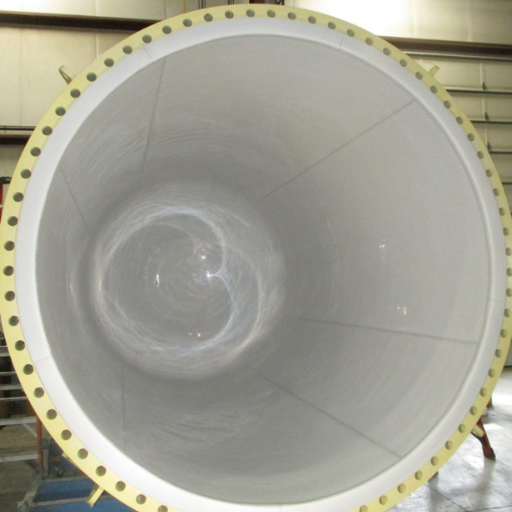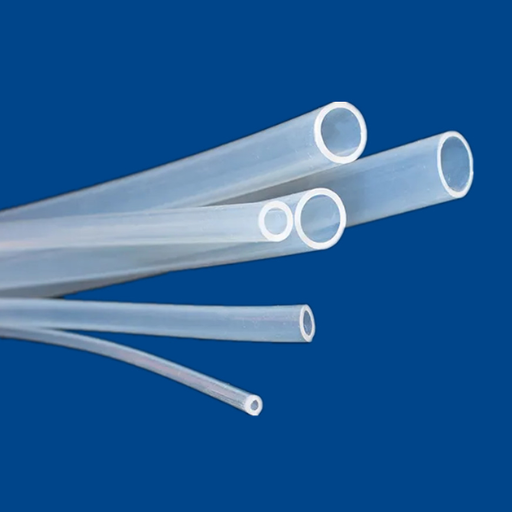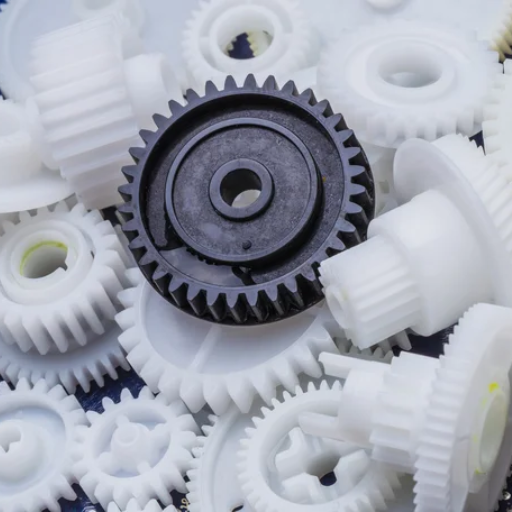
A few years ago, a procurement director at a Tier 1 automotive supplier told us that their department was using PEEK for every under-hood application above 150°C. The resin spend was killing their budget. Their first tests with glass-filled PPS plastic resin for coolant module housings and sensor bodies were perfectly fine at 200°C continous rating. This single move cut their material cost by 65% the very next day.
That story is not far from others that most engineers will tell you. The PPS resin says that it gives you approximately 80% of what PEEK would offer in high-temperature and chemical resistance yet costing only 20%. The challenge is to know what grade is suitable for what kind of application, what certificates to aim for, and how to identify and evaluate a supplier who actually lives and breathes that material.
If so sourced materials include engineering resins for automotive, electrical or industrial applications – you are just on time. You have an idea about how each grade is distinguished and performs better than its alternatives, about how to process these grades and about how to differentiate those suppliers with provenance from sellers who are unsure about the difference between GF30 and GF40.
Need a quick material recommendation? Our engineering team at Suzhou Yifuhui reviews your temperature, chemical, and mechanical requirements and matches you to the right PPS grade. Contact us today for technical data sheets and competitive pricing.
What Is PPS Plastic Resin?
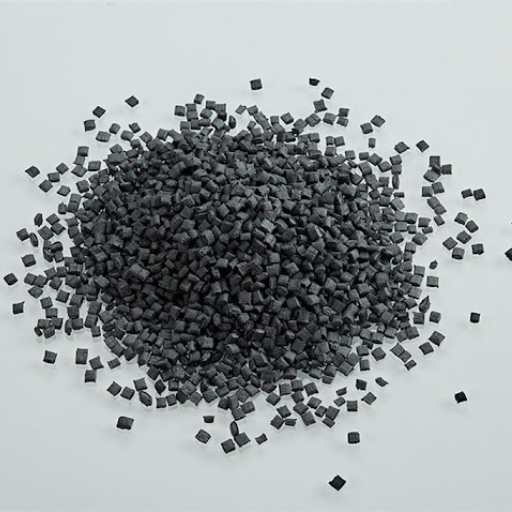
PPS plastic resin, otherwise known as a polyphenylene sulfide resin, is a semi-crystalline and highly thermally stable aromatic sulfide polymer. In terms of configurations, the pellets are shaped in a way that they serve as a standard feedstock for injection molding machines and extrusion lines. PPS pellets enter the system regularly, disperse faultlessly through the metering system, and process smoothly without obnoxious dusting issues that usually come as a result of powder feedstocks.
PPS is included in the high-performance engineering family of polymers; it readily withstands continuous service temperatures between over 220-240°C, with short-term peaks allowed up to 260°C. Over 200 chemistries are resisted by PPS, including automotive fluids, etchants, bases, and organic solvents. Being inherently flame-retardant, PPS maintains a UL94 V-0 rating in the absence of majority plastic additives. The material has abnormally low water absorption; high dimensional stability over temperature; and a higher level of dielectric strength.
These characteristics make PPS a direct replacement for metals, thermosets, and higher-cost polymers in demanding environments. For a broader view of how PPS fits alongside other engineering materials, see our complete engineering plastics selection guide. If your project pushes into the upper end of the thermal range, it also helps to see how PPS stacks up against other options in our High Temperature Engineering Plastics: 2026 Selection Guide for Engineers and Buyers.
Each year, over $1.5 billion in PPS ends up in the global market and jumps annually at a fairly firm pace of 6 – 8 %. This year’s progress was mainly due to lightweight regulations in the automotive industry and the need for Hungarian materials in powertrain components of e-vehicles. The Chinese demand alone accounts for about 40-45% of the worldwide supply, with Chinese production capability expanding just as fast to serve demand from home and abroad.
PPS Resin vs. Other High-Performance Plastics
Procurement teams routinely compare PPS to PEEK, PEI, PPA, and high-heat nylons. Each material occupies a distinct position on the cost-performance curve.
|
Material |
Max Continuous Temp |
Tensile Strength |
Relative Cost |
Best For |
|---|---|---|---|---|
|
PEEK |
260°C |
90-100 MPa |
$$$$ |
Extreme heat, medical implants, aerospace |
|
PPS |
220-240°C |
80-90 MPa (unfilled) |
$$ |
Automotive under-hood, electrical, chemical exposure |
|
PEI |
170°C |
105 MPa |
$$$ |
Structural parts, transparency, dimensional stability |
|
PPA |
150-180°C |
85-95 MPa |
$$ |
Automotive connectors, water management |
|
Nylon 46 |
150°C |
80 MPa |
$ |
Gears, bearings, moderate heat |
PPS justifies selection when your application combines high temperature, chemical exposure, and electrical insulation requirements in a single part. If continuous operating temperatures stay below 220°C, PPS typically outperforms PEEK on value. For applications requiring transparency or lower heat, PEI or PC may be more appropriate. Our PEEK plastic pellets procurement guide covers when the premium for PEEK is genuinely necessary.
PPS Plastic Resin Grades and Specifications
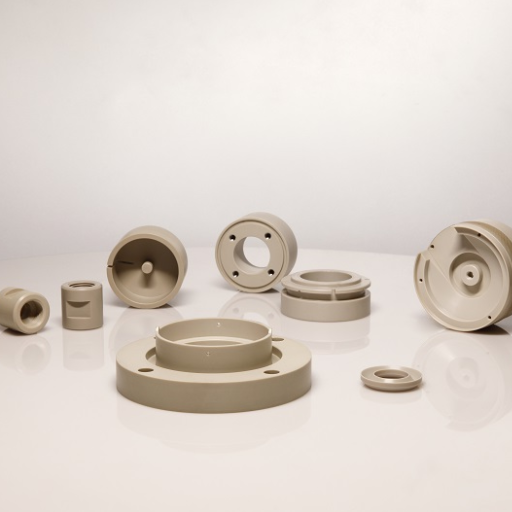
The functionality of PPS plastic resins is completely different from grade to grade. It is used in the modification to alter the mechanical, thermal, and processing properties by compounding the base polymer with glass fiber, mineral fillers, or impact modifiers. Choosing a particular grade will produce warped parts, weak weld lines, and inflated costs. Here are the main classifications along with what they embody.
Unfilled (Virgin) PPS Resin
Unfilled PPS is regarded as the standard grade. It has the highest elongation at break, the best surface finish, a low density compared to other types of PPS. Also, it possesses excellent electrical insulation and flame retardancy without the addition of pernicious additives.
Key properties:
- Tensile strength: ~80-90 MPa
- Heat deflection temperature: 110-130°C at 1.8 MPa
- Elongation at break: 2-4%
- Density: 1.35 g/cm³
- UL94 rating: V-0 (inherent)
Virgin PPS resin typically trades between 8and8and15 per kilogram for standard industrial grades. This pricing makes it one of the most cost-effective high-temperature thermoplastics available.
Best applications: Electrical connectors, coil bobbins, relay housings, and applications requiring excellent surface finish and dielectric properties.
Glass-Fiber-Reinforced PPS Resin (GF30, GF40)
Glass-fiber-reinforced PPS comprises 30% or 40% short glass fiber by weight. These fibers immensely enhance elasticity and flexural modulus; nevertheless. However, they also reduce thermal expansion and diminish elongation, resulting visibly in glass fibers on part surfaces.
GF30 key properties:
- Tensile strength: ~130-160 MPa
- Heat deflection temperature: 250-270°C at 1.8 MPa
- Elongation at break: 1-2%
- Density: 1.60 g/cm³
GF40 key properties:
- Tensile strength: ~150-180 MPa
- Heat deflection temperature: 260-280°C at 1.8 MPa
- Elongation at break: 0.8-1.5%
- Density: 1.65 g/cm³
Quality grades of PPS30 are generally purchased in the range of 10-16 USD per kilo. PPS40 commands hardly noticeable premium over PPS from 12-18 USD per kilo. There is a common misinterpretation: an increase in glass content does not always lead to enhanced performance. PPS40 shows a substantial increase in flexibility, yet its impact strength and weld strength line decline compared to PPS30. In automotive and elec trical applications extremely important to work with PPS30 because these molds accommodate assembly stresses and thermal cycling better.
Best applications: Automotive under-hood components, pump housings, valve bodies, electrical connectors, and structural parts requiring high rigidity at elevated temperatures.
Mineral-Filled PPS Resin
The mineral-filled grades contain talc, calcium carbonate, or other mineral fillers, when incorporated the mineral fillers improves dimensional stability, reduce warpage, and decrease cost. It provides lower tensile strength compared to the glass-filled type but good surface appearance and less anisotropic warpage.
Key properties:
- Tensile strength: ~70-90 MPa
- Heat deflection temperature: 200-240°C at 1.8 MPa
- Elongation at break: 1-2%
- Density: 1.50-1.55 g/cm³
Mineral-filled PPS resin typically costs 9to9to16 per kilogram.
Best applications: Large structural parts, appliance housings, and components where flatness and dimensional precision matter more than maximum strength.
Glass/Mineral Hybrid Filled PPS
Hybrid grades combine glass fiber and mineral fillers in order to achieve, or to provide an optimum balance between excellent stiffness, dimensional stability and surface appearance. They also alleviate warpage in intricate geometries without sacrificing overall mechanical performance.
Preferred applications: Automatically regulated systems in cooling, electrically complicated structures, parts demanding rigorous dimensional tolerances in varied wall thicknesses.
PPS Resin Grades at a Glance
|
Grade |
Tensile Strength |
HDT (1.8 MPa) |
Key Advantage |
Price Range (USD/kg) |
|---|---|---|---|---|
|
Unfilled (Virgin) |
80-90 MPa |
110-130°C |
Electrical insulation, surface finish |
8−8−15 |
|
GF30 |
130-160 MPa |
250-270°C |
Stiffness, heat resistance, value |
10−10−16 |
|
GF40 |
150-180 MPa |
260-280°C |
Maximum stiffness |
12−12−18 |
|
Mineral-Filled |
70-90 MPa |
200-240°C |
Dimensional stability, low warp |
9−9−16 |
|
Glass/Mineral Hybrid |
100-130 MPa |
230-260°C |
Balanced properties |
10−10−17 |
Not sure which grade fits your part? Our materials engineers review your application requirements and recommend the most cost-effective PPS grade. Request a free material consultation.
Applications by Industry: Where PPS Plastic Resin Delivers Results
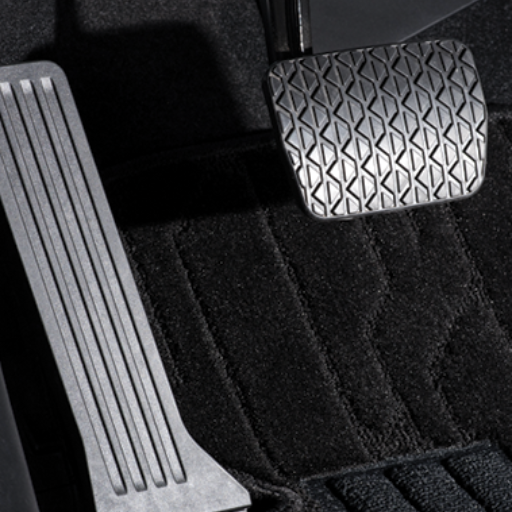
Manufacturing processes, which involve PPS plastic resins in providing a source of materials for manufacturing, are very critical across all the five major industries. The material’s traits of heat resistance, chemical stability, and electrical insulation have found uses in one or more sectors each.
Automotive
Automotive applications so far consume at least 35%-40% of PPS in the globe. Engine bays become considerably more compact, and under-hood temperatures have spiraled in response; this is in response to the seemingly inevitable adoption of turbochargers. PPS has survived considerably well in those conditions, during the acrylic treatment, transmission fluid, brake fluid, and de-icer spray temperatures where nylon turns to butter and metals rust away.
Examples of such automotive parts would be water pump housings, thermostat housings, a number of fuel supply system components, ignition coiles, lots of sensors, and valves for brake systems, mostly molded from PPS with short-glass fibers. EV manufacturers show another aspect of the growing trend of PPS materials being used for inverter housing, battery module structural components, and high-voltage connector bodies, largely due to the combination of flame retardation, dielectric strength, and thermal stability of the raw materials.
When Chen’s den automobile component factory focalized in Ningbo inclined towards GF30 PPS resin replacing PA66 for coolant crossover pipes, hydrolysis failures and warranty claims halted ab initio. Hygroscopic PA66 absorbed moisture over time, leading to program hydrolysis near the turbocharger at the elevated temperature. PPS’s near-zero moisture absorption solved the problem permanently. Although the material cost increased significantly, the company saw a 94% reduction in warranty returns.
For manufacturers evaluating materials for injection-molded automotive parts, our plastic pellets for injection molding guide covers general processing best practices. If you are weighing PPS against other polymers for vehicle programs, our Engineering Plastics for Automotive: Material Selection and Sourcing Guide walks through material selection and sourcing decisions in detail.
Electrical and Electronics
The electrical industry is the second-largest consumer of PPS plastic resin. SMT components (surface mount technology) must withstand the temperatures of lead-free reflow soldering, between 245-260°C, without deforming. PPS is the only material capable of maintaining its dimension stability throughout the thermal cycles.
In electrical applications, the wonderful possibilities include connections, sockets, switches, relay housing, coil bobbins, components for circuit breakers, LED reflector, etc. Its inherent flame retardancy makes it unnecessary to need to add other additives that can compromise electrical properties and outgas during the soldering process.
PPS also has low dielectric constant and low dissipation factor, making it excellent for use in high frequency operation. This makes it so that the material is well-suited for 5G base station components, radar housing, and microwave connectors where signal integrity is essential.
Industrial and chemical processing
Absorbed, used or transported, the task of chemical processing environment in metallurgy is primarily corrosion by concurrent attack by various media from acids, bases, solvents, heat, etc. For example, the standard plastic will suffer and metal will suffer more-the aromatic polyphenylene sulfide does not surrender because its backbone is unassailable by chemical. A full range of pure products could be handled in PPS containers in various departments of chemistry as long as the container could have none of the constituents to corrode it-a working engineering material that sinks at the speed of light.
Most of gates could require their seals or impellers at reduced pressure, temperatures, durability, and with almost every half-decent chemical. Oil industries in some positions, however, will force PPS away from brimstone healing gas under state-specific operations and tests.
Appliance and Consumer Goods
Household materials, such as circular saw blades, hair dryer housings, and coffee maker heating elements, require materials that do not break down or emit odors when heated. PPS–with its high heat distortion temperature and low outgassing properties–is ideal for such applications.
Processing Guidelines for PPS Plastic Resin
PPS plastic resin operates at lower temperatures compared to PEEK but it still needs attention for drying temperatures, barrel temperatures, and mold design. These parameters must be strictly addressed; otherwise you will get brittle parts, rash surface finish, or silver streaks as a consequence of moisture degradation.
Drying Conditions
PPS pellets require thorough processing, although PPS absorbs much less moisture than nylon or polyester; still, only small quantities can lead to hydrolytic degradation and the surface defects at melt temperatures.
Recommended drying parameters:
- Temperature: 130-150°C
- Time: 3-4 hours minimum
- Target moisture content: Below 0.02%
- Equipment: Desiccant dryer recommended
Pellets stored in humid climates or left open for extended periods may require longer drying cycles. Always verify moisture content before starting production runs.
Injection Molding Parameters
PPS requires moderately high barrel and mold temperatures. Standard injection molding machines can process PPS if they reach the required setpoints.
Typical molding parameters:
- Feed zone: 290-310°C
- Compression zone: 310-340°C
- Metering zone: 320-360°C
- Nozzle: 320-350°C
- Mold temperature: 120-160°C
- Injection pressure: 80-140 MPa
- Hold pressure: 40-70 MPa
Mold temperatures make a significant difference in deciding crystallinity and properties of components. When running PPS inside cold molds below 120°C, one obtains weak parts with amorphous structures and poor chemical resistance. However, high mold temperatures push for emergence of proper crystal and hence yield enhanced mechanical strength and solvent resistance.
Extrusion
Extrusion lines processing PPS resin should include a barrel rated to 360°C and a specially designed screw for low-shear processing. Profile extrusion is used to manufacture rods, plates, and tubes for further cutting or direct use in chemical processing equipment.
Common Processing Defects and Solutions
- Brittleness: Usually caused by insufficient mold temperature or hydrolytic degradation from wet pellets. Verify that the mold temp is above 120°C and moisture content is below 0.02%.
- Silver Streaking: Typically a result of moisture in the pellets or excessive shear. Extending the drying time and decreasing the screw speed will solve the problem.
- Weld-Line Weakness: The cause of this defect is that the melt fronts recombine with less heat. The melt or mold temperature should be raised, or the gate position must be better optimized.
- Glass fiber exposure on surface: Common to GF 40 grades in the thin wall sections. Injection speed increases or GF 30 to improve the appearance of the surface.
Sourcing and Procurement: How to Evaluate a PPS Resin Supplier
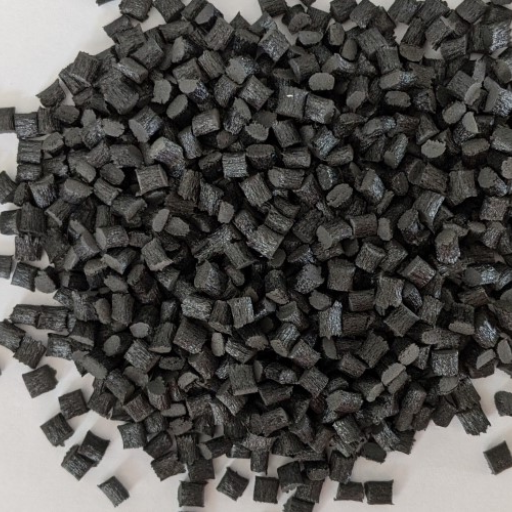
Sourcing PPS plastic resin requires more than comparing price lists. Certification documentation, batch consistency, and technical support separate a reliable PPS resin supplier from trading companies that repackage material of unknown origin. For a broader supplier evaluation framework, see our plastic resin pellets procurement guide.
Key Supplier Evaluation Criteria
Before placing an order, evaluate your supplier on five dimensions:
- Certification documentation: Is the supplier able to provide you with REACH, RoHS, UL documentation? Does the supplier have IMDS entries and OEM material approvals for the automotive segment? Can the supplier deliver dielectric strength and comparative tracking index test reports for the electrical segment?
- Batch consistency: Inquire about incoming raw material inspection, in-process melt flow rate testing, and outgoing quality control. It is well-equipped pellet size, color, and MFR to reduce molding defects and production downtime.
- Technical support: Are there any materials engineers in their units to suggest you the right grade selection, mold design, and processing parameters, or do they just trade in materials without technical depth?
- MOQ and lead time flexibility: Requiring a supplier to accept an MOQ of 5,000 kg for a prototype test and monthly follow-ups from the supplier means you are committing in overdrive; find a supplier that offers 25, 50, 100 kg MOQs for initial qualification.
- Credit history. How old exactly are your PPS business? This material requires different handling and storage than the commodity plastics. However, less experienced vendors with history on PP and ABS may indeed bungle the inventory and recommend incorrect grades.
Global vs. Chinese Suppliers
The PPS market has two tiers.
Regarding the upper tier, it is mostly occupied by the best global players mounting approvals both in automotive and in high-specification electrical applications. These premium producers are armed with extensive regulatory submissions, years of batch data, and fancy worldwide technical support. They charge 20-40% above the Chinese generic for the PPS like everyone else in the arena.
Most Chinese makers have been further expanding their capacity and now produce PPS spec.’d to industrial level and many of the automotive. The Koreans at present mostly offer standard pricing on standardsfilled, and glass-filled grades, with an ever-increasing level of consistency on nearly free servings.
When the contract electronics manufacturer that Zhang operated in Suzhou wanted an SMT connector using a new line requiring UL-certified GF30 PPS line resin, they considered both Chinese and Japanese material suppliers. Given that, comparatively more so while offering lower prices, the Chinese product conformed with all electrical and flame requirements. Costs of this considerable magnitude could be otherwise funneled to acquisition of automated inspection equipment, which began to significantly enhance their systemwide defect rate.
Ready to evaluate PPS resin suppliers? Request documentation packages from our team, including technical data sheets, certification summaries, and sample availability. Get started here.
Pricing Benchmarks
|
Grade / Tier |
Chinese Generic |
Global Premium |
|---|---|---|
|
Unfilled (Virgin) |
8−8−12/kg |
12−12−18/kg |
|
GF30 |
10−10−14/kg |
15−15−22/kg |
|
GF40 |
12−12−16/kg |
18−18−25/kg |
|
Mineral-Filled |
9−9−13/kg |
14−14−20/kg |
The price range varies and reflects the 2026 market condition. Actual pricing can vary depending on the quantity ordered, certification requirements, color matching, and currency fluctuations. Expect price predilections starting at 500 kg, with significant reductions at more than 2,000 kg.
Hidden Costs to Watch
- Certification Testing: A third-party automotive or electrical certification test can cost between 30,000 and 150,000 in the qualification round.
- Custom compounding: These include color matching, custom MFRs, or any combination of proprietary filler blends that require engineering costs, and time before production capacity can begin to be organized.
- Drying equipment: If your production plant does not have a high-temperature desiccant dryer recommended for 150 degrees C, you must add this cost or authorize toll-drying services.
- Tooling adjustments: A change from PA66 or PBT to PPS can necessitate mold adjustments because of different shrinkage factors and processing temperatures.
Conclusion
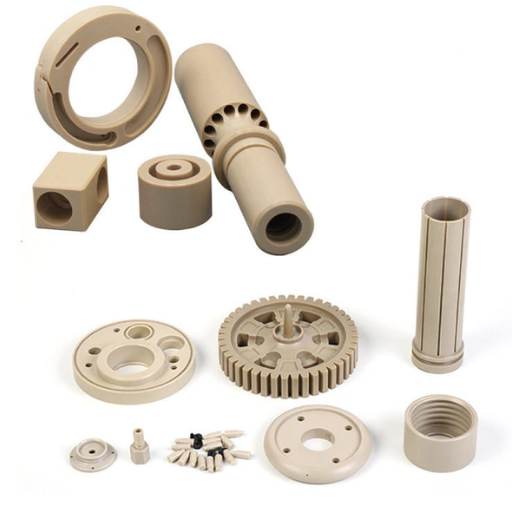
The price with PPS resins is based on a balance among thermal stability, chemical resistance, and electrical insulation properties. For aerospace connectors in virgin PPS material, for automotive under-hood parts in glass fiber-filled PPS, or for flame-retardant or antistatic mineral-filled grades, the right grade makes all the difference to keep production running smoothly and shoot expensive field failure scenarios.
PPS is all about four rather simple categories of decisions: Choose the right grade for temperature, mechanical, and chemical conditions; verify that your supplier can supply certifications that you need in your market; make sure you dry the pellets properly and keep the molds hot enough to allow full crystallinity; choose an experienced engineering resin supplier, not a supplier that sells mostly commodity resins.
Suzhou Yifuhui New Material Co., Ltd. delivers an unfilled, glass-filled, and mineral-filled PPS resin-filled material along with our entire portfolio of engineering resins, which include PEEK, PE, PA66, PC, and POM. Our quality control associates perform tests of mechanical properties, density, and melt flow for every single batch of resin. Flexible MOQ quantities are made available for qualification runs and price levels for production volumes are very competitive.
Ready to source PPS plastic resin for your next project? Contact our materials team today for a tailored quote, technical data sheets, and free sample evaluation.