Plastic pellet pollution begins when raw material escapes during production, storage, transfer, or transport. These small granules, often called nurdles, can enter drains and waterways before reaching the sea. Preventing that escape is the central task for everyone who handles resin, from a warehouse receiving bags to a carrier moving containers.
This guide explains the pathways, environmental concerns, and practical controls. Regulatory status reviewed: 21 October 2026. The EU has adopted a dedicated pellet-loss regulation with staged application dates. IMO has agreed to develop a mandatory maritime code; that development decision is distinct from adopting the finished code.
What are plastic pellets and why are they a concern?
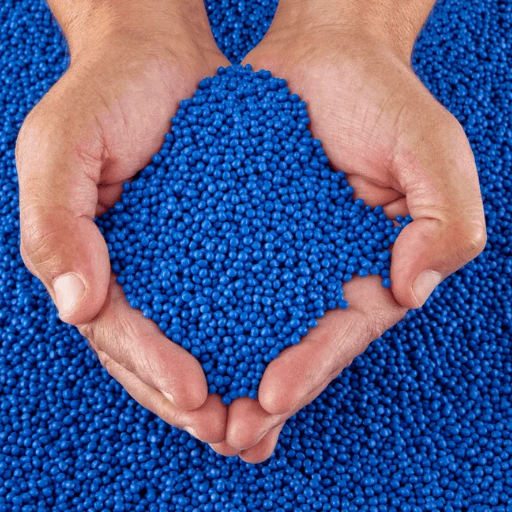
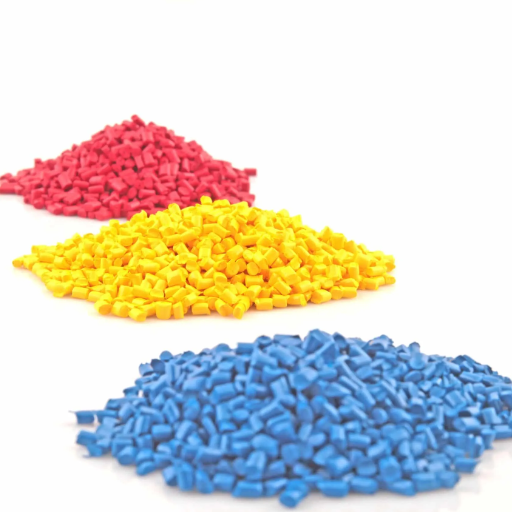
Plastic pellets are pre-production granules used to make plastic products. Manufacturers use them as feedstock in molding and extrusion. The term describes the material’s supplied form, rather than one polymer or one manufacturing process. IMO’s pellet FAQ explains this raw-material role.
Our introduction to plastic resin pellets provides broader material context. For differences between materials and applications, see the guide to plastic pellet types and uses. Here, the focus is what happens when pellets leave controlled handling systems.
Escaped pellets are themselves a source of microplastic pollution. They do not need to break into smaller fragments before becoming an environmental concern. The European Commission’s 16 December 2025 announcement identifies pellet losses as a microplastic source and describes their persistence across land and water.
How do plastic pellets end up in waterways and oceans?
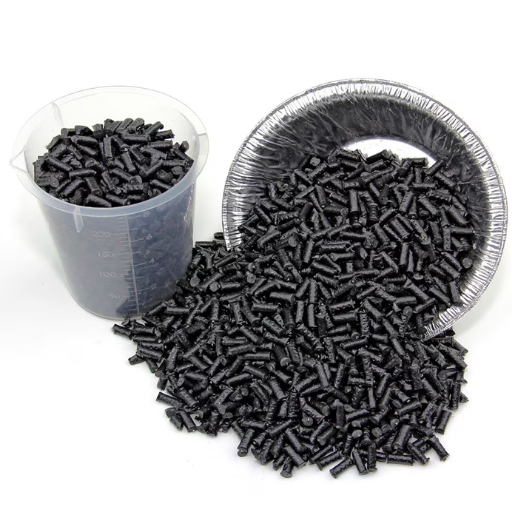
Losses can occur during ordinary handling as well as major incidents. A torn bag, leaking connection, or spill at a transfer point can leave loose pellets outside the intended containment area. Rain or wind can then move them toward an unprotected drain.
The route from a plant to the coast can therefore begin with a small yard spill. The NSW Environment Protection Authority’s handling guidance highlights transport and handling losses, stormwater pathways, and the cumulative effect of repeated releases. Its practical advice is useful beyond one site; its local legal requirements should be read in their NSW context.
Marine transport presents another release route. If pellet cargo escapes at sea, it can disperse directly into the marine environment. IMO addresses this risk through recommendations covering freight-container cargo. Prevention therefore needs attention both at land-based transfer points and during the shipping handoff.
What are the consequences of plastic pellet pollution?
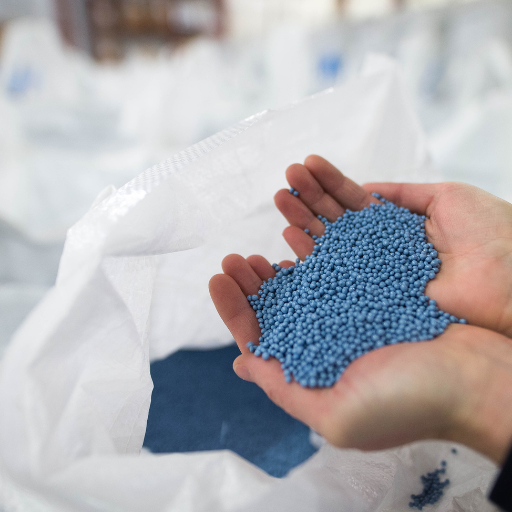
Wildlife may ingest pellets, and environmental exposure can harm aquatic and marine animals. NSW EPA also notes that pollutants can collect on pellet surfaces. These concerns support controlling losses at source; they do not establish that every pellet produces the same effect in every environment.
IMO identifies potential interference with fishing, aquaculture, tourism, and other coastal activities. Pellets dispersed along beaches or waterways can also be difficult to recover. Cleanup should not be treated as an equivalent substitute for containment before a release.
The Commission describes potential human-health concerns associated with pellet pollution. That statement does not establish a specific disease outcome from eating seafood. Claims about particular illnesses need their own evidence and should not be inferred from the presence of pellets alone.
How can we prevent plastic pellet spills and reduce pollution?
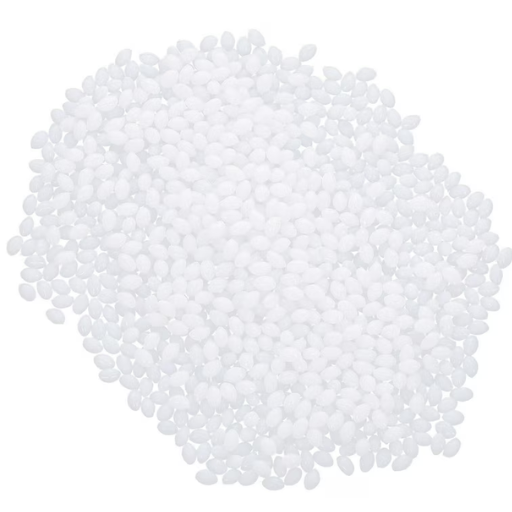
Start with a site walk that follows the material: receiving, storage, opening, transfer, processing, waste handling, and dispatch. At each point, ask where pellets could escape and where they would go next. Use the following controls as a practical discussion checklist, adapted to the equipment and conditions on site.
Check packaging and transfer points
Inspect packaging and closures before handling. Review connections and receiving points where pellets can spill, and agree handling arrangements with logistics partners. For warehouse preparation, use our practical pellet storage guide as a separate reference.
Interrupt the route to drains
Place suitable collection or containment measures near likely release points. Protect exposed drains with maintained barriers appropriate to the site, and check them during routine inspections. General landscaping is not a substitute for controlling loose pellets where they are handled.
Make spill recovery accessible
Keep appropriate cleanup equipment close to handling areas. Train staff and contractors to capture spills promptly, and keep recovered material and waste contained. NSW EPA lists measures such as catch trays, contained bins, drain guards, and portable cleaning equipment in its prevention guidance.
Define responsibility at each handoff
Agree who checks the delivery area, who responds to a spill, and who confirms that cleanup is complete. As a working checklist, ask:
- Is packaging intact before unloading?
- Is the transfer area protected from escape to nearby drains?
- Can the receiving team access the required cleanup equipment?
- Who records a recurring leak and follows up on corrective work?
These are operational review questions, rather than evidence that a particular supplier or carrier has passed an audit. Keep environmental containment separate from batch-quality checks: the two reviews answer different questions.
What are the global efforts to address plastic pellet pollution?
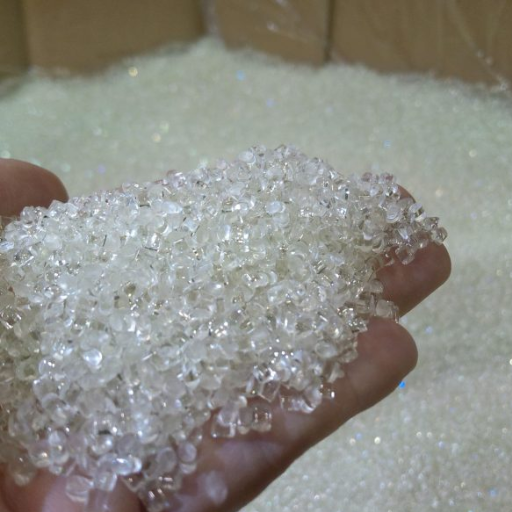
Voluntary handling programs, regional legislation, and international maritime work address different parts of the problem. For a supply-chain review, identify which instrument applies to which activity before drawing a compliance conclusion.
Operation Clean Sweep: voluntary prevention practices
Operation Clean Sweep, described by the British Plastics Federation, is a voluntary international program for preventing pellet, flake, and powder loss. It offers guidance and training for identifying risks and improving controls across the plastics supply chain.
Participation or a zero-loss objective should not be read as proof that no losses have occurred. Nor does a general reference to OCS establish that a specific company is a signatory, certified, or compliant with applicable law.
EU implementation timeline
Regulation (EU) 2025/2365 addresses plastic pellet losses. Entry into force and application of operational provisions are separate milestones. The dates below provide a limited implementation overview, rather than a determination of any individual business’s obligations.
| Milestone | Date | Meaning for this overview |
|---|---|---|
| Entry into force | 16 December 2025 | The regulation entered into force; selected provisions apply earlier than the general application date. |
| Commission implementation support | 17 December 2026 | Deadline for awareness and training material and for requesting loss-estimation standards. This is not a deadline for completed standards. |
| General application | 17 December 2027 | General application date, subject to the regulation’s exceptions. |
| Specified maritime provisions | 17 December 2028 | Later application for specified provisions concerning the seagoing actors identified in Article 26. This is not a blanket delay for every carrier. |
The Commission announcement explains the implementation-support deadline; Article 26 provides the application timetable. The December 2026 milestone is still ahead of this article’s review date, so it should not be described here as completed.
For an EU-bound supply chain, check the operative text against the actual installation, transport activity, and actor involved. This overview does not assess certification thresholds, exemptions, permits, penalties, or a particular company’s compliance.
IMO maritime developments in 2026
In its 19 February 2026 announcement, IMO reported a recommendation to develop a mandatory code. Its current pellet FAQ records the next step: in April 2026, MEPC 84 agreed to develop a mandatory code for pellets carried in freight containers and assigned drafting to PPR 14.
That is a code-development milestone, not evidence of an adopted code or a code effective date. Keep it separate from IMO’s March 2024 recommendations, which address:
- Packaging capable of withstanding normal transport conditions and retaining its contents.
- Cargo information identifying containers carrying pellets, with a special stowage request.
- Secure stowage under deck where reasonably practicable, or in sheltered inboard deck areas, while protecting ship and personnel safety.
Discuss these recommendations with the shipping parties when reviewing the cargo handoff. Do not convert a broader IMO policy target into a start date for the developing pellet code.
Do biodegradable materials remove the need for containment?
No. A material label does not make an uncontrolled release acceptable. The Commission’s overview of bio-based, biodegradable, and compostable plastics distinguishes their properties. Bio-based plastics are not necessarily biodegradable, and biodegradation depends on particular conditions. Industrially compostable plastics require collection and suitable treatment.
Avoid assuming that a pellet will readily disappear in seawater because its resin is described as biodegradable. Apply loss-prevention controls to the material being handled.
How can individuals contribute to reducing plastic pellet pollution?
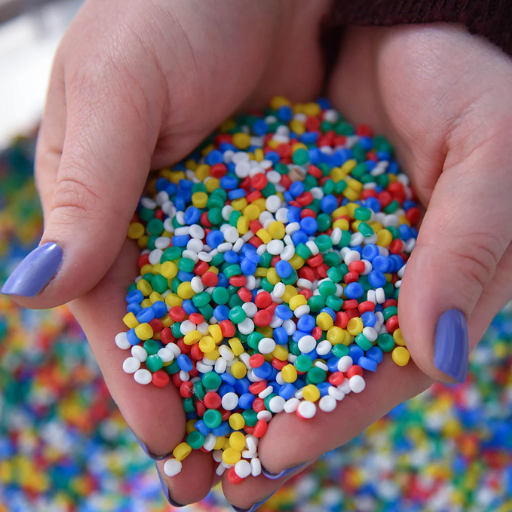
People outside industrial operations can report pellet accumulations to the relevant local authority or an established monitoring group. Record the location and follow the receiving organization’s reporting instructions. At an active incident, follow official response guidance.
For organized beach surveys or cleanups, follow the organizer’s safety, collection, and disposal procedures. Do not enter industrial areas or undertake unsafe incident response. Community activity can complement prevention, but it cannot replace controls at production, storage, and transport sites.
Buyers can also ask concrete questions about packaging checks, spill responsibilities, and how a handling partner addresses recurring losses. Request evidence for any claimed program participation or certification, rather than relying on a broad sustainability statement.
What is the future outlook for addressing plastic pellet contamination?
The useful next steps are specific: monitor the EU implementation milestones, follow IMO’s code-development work, and review handling controls against actual site conditions. None of these milestones alone demonstrates that an operation has eliminated losses.
For your next handling review, trace one delivery from arrival to transfer and dispatch. Identify the nearest escape routes and assign follow-up for any weakness found. Sustained attention to packaging, containment, and response is a practical way to address plastic pellet pollution while regulatory work continues.
Frequently asked questions
Are nurdles different from plastic pellets?
Nurdles is a common name for the small pre-production plastic pellets used as manufacturing feedstock. The term does not identify one resin grade.
What should a facility check first?
Start at receiving and transfer points, then follow any possible spill route toward drains or outside areas. Check packaging, containment, cleanup access, and staff responsibilities together.
Is Operation Clean Sweep mandatory everywhere?
OCS is a voluntary program. Applicable legal duties depend on the jurisdiction and activity; participation should not be treated as a substitute for checking those duties.
Are all EU pellet-loss provisions already applicable in October 2026?
No. The regulation entered into force in December 2025, but it has staged application dates. See the timeline above and check the relevant provisions for the actor concerned.
Has IMO’s mandatory pellet code already taken effect?
The reviewed IMO material establishes agreement to develop the code and assignment of drafting work. It does not establish adoption or an entry-into-force date for that code.