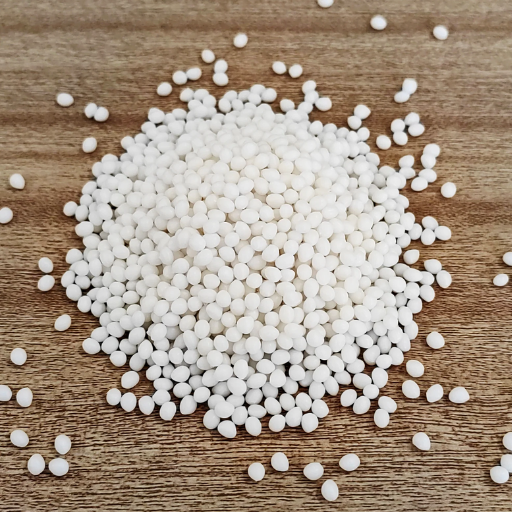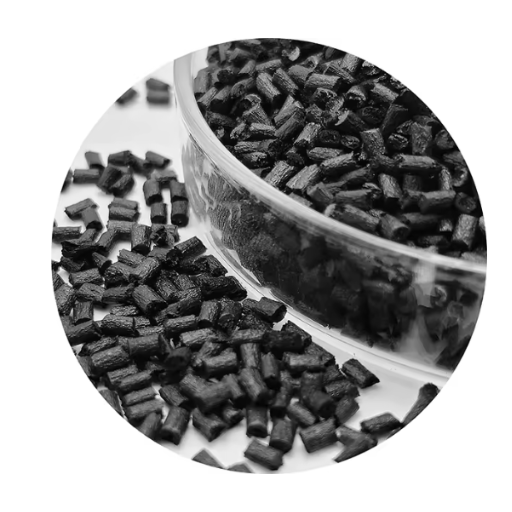
Store plastic pellets sealed, off the floor, in a clean, cool, dry place at 15 to 25 degrees Celsius and below 50% relative humidity, out of direct sunlight and away from heat sources and contamination. Keep hygroscopic pellets such as nylon and polycarbonate in sealed bags, and re-dry them before use if a bag has been opened for more than two hours.
You just received a pallet of plastic pellets. Sealed bags, a clean certificate of analysis, everything looks perfect. So they can sit in the warehouse for a few weeks and stay fine, right?
Most people assume plastic is inert and tough. In practice, plastic pellets quietly absorb moisture, pick up dust, and degrade in heat. That damage shows up later as splay, black specks, or brittle parts on your production floor.
The good news is that proper storage is simple and inexpensive. It comes down to eight repeatable rules that any receiving team can follow. This guide walks you through how to store plastic pellets so they arrive at the machine as good as the day they shipped. You will learn why moisture is the biggest risk, what temperature and humidity to hold, which containers protect your material, and how to build a storage routine your warehouse can actually follow.
We are Suzhou Yifuhui New Material Co., Ltd., a supplier of engineering plastic pellets for manufacturers around the world. We test every batch we ship, and we wrote this guide so the material you buy arrives ready to run, not ready to scrap.
Can Plastic Pellets Go Bad in Storage?
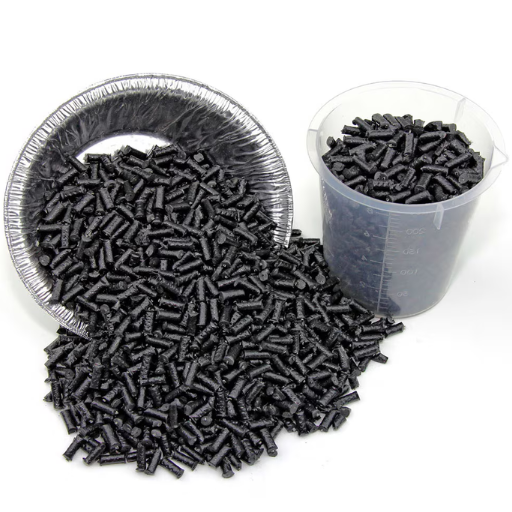
Yes. Plastic pellets can degrade in storage through four main enemies: moisture, contamination, heat, and time.
- Moisture. Hygroscopic resins pull water vapor out of the air, even through a bag that looks closed.
- Contamination. Dust, grinding fines, and oil mist settle into open containers and ruin entire batches. Fine dust left from how plastic pellets are made can travel across a warehouse and into an open bag.
- Heat. Warm storage accelerates oxidation, additive breakdown, and color fade.
- Time. Every day in poor conditions shortens usable shelf life and widens quality drift.
The symptoms appear later, at the molding machine, not in the warehouse. When trapped moisture heats up in the barrel, it turns to steam and creates splay, silver streaking, and voids on your parts. Contamination produces black specks and barrel deposits. Heat and time cause clumping, hydrolysis, and a quiet loss of mechanical properties.
Each of those outcomes means scrap, rework, and lost production hours. Consider the cost differently: the fix for bad storage is a few shelves, a thermometer, and a habit of keeping bags sealed. The fix for a scrapped shift is far more expensive.
Here is a real example. Miguel runs the warehouse at a mid-size injection molding shop in a humid coastal region. In his first year, reject rates on transparent polycarbonate housings climbed toward 8% every summer.
The resin was fine when it arrived. The problem was that his team stored open boxes of pellets under a roof vent that carried dust from a nearby grinding bay. Moving the material to sealed, covered bins in a dehumidified room cut the reject rate back under 1% within a month. Same resin, same machine, different storage.
Want to keep your incoming material ready to run from day one? Browse our range of plastic resin pellets and see the batch documentation we ship with every lot.
Do Plastic Pellets Absorb Moisture?
Some do, and that difference drives your entire storage plan. It is worth explaining in plain terms before we get technical.
Hygroscopic plastics soak up water from the air like a sponge. The moisture moves inside the pellet and bonds to the polymer chains. Nylon (PA66), polycarbonate, ABS, acrylic (PMMA), PET, PBT, and POM are hygroscopic. Even a pellet that looks completely dry on the outside can hold enough internal moisture to ruin a part.
Non-hygroscopic plastics only pick up surface moisture, usually from condensation. Polyethylene (HDPE, LDPE), polypropylene, polystyrene, and PVC behave this way. They still need dry, clean storage, but they are far less moisture-critical than hygroscopic grades.
Why does this matter? A bag of nylon left open in a damp warehouse can absorb enough water to cause splay and weak parts, even though it looks unchanged. The same 25 kg bag can look dry and still be too wet to mold well. Two of the most moisture-sensitive clear resins deserve special mention here, and if you are weighing which one suits your part, our guide to polycarbonate vs acrylic pellets breaks down how each behaves and stores.
As a rule of thumb, treat hygroscopic pellets as the priority. Keep them sealed, store them in the driest part of your warehouse, and dry them before use if you are unsure of their exposure. The technical reference behind this is well documented; both Plastics Technology and Novatec explain that hygroscopic materials absorb moisture internally and cannot be dried with hot air alone.
For our own catalog, this matters every day. We supply moisture-sensitive grades like PA66 nylon pellets and polycarbonate alongside non-hygroscopic materials such as HDPE and PP. Each ships with handling guidance matched to its moisture behavior, and every lot passes our plastic pellet quality control checks before it reaches you.
What Is the Best Way to Store Plastic Pellets?
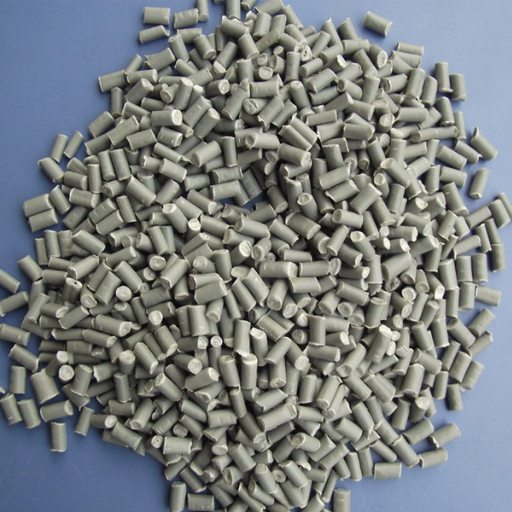
Follow these eight rules. Print them, post them near the receiving dock, and make them part of your routine.
- Keep bags sealed until you use them. Reseal immediately after opening, using tape or a heat sealer. If you cannot reseal reliably, transfer the remainder to a clean, airtight, lidded bin.
- Store off the floor on pallets or shelves. Raise bags 10 to 15 cm above the ground and keep them away from walls where dampness can gather.
- Hold the room at 15 to 25 degrees Celsius and below 50% relative humidity. Aim below 40% RH for moisture-sensitive hygroscopic grades.
- Keep pellets out of direct sunlight and away from heat sources. Avoid windows, radiators, and loading docks where temperatures swing.
- Use clean, dedicated scoops and covered containers. Never use the same scoop for different materials, and never leave a bin open between uses.
- Label every bag and container with the material, grade, batch number, and date received.
- Follow first in, first out (FIFO) rotation. Use older stock before newer stock so nothing sits too long.
- Inspect stored stock monthly. Quarantine anything that is clumped, discolored, damaged, or smells unusual, and test it before use.
That is the short answer to how to store plastic pellets properly. The next sections explain the reasoning behind the rules so you can adapt them to your own warehouse, climate, and materials.
Plastic Pellet Storage Temperature and Humidity
The ideal storage climate for most plastic pellets is a cool, dry room held at 15 to 25 degrees Celsius with relative humidity below 50%. Most resins tolerate a maximum storage temperature of 40 to 50 degrees Celsius, but cooler is always safer. The material manufacturer guidelines, such as Arkema’s processing guidance for polyamide, recommend keeping pellets below those limits and away from heat sources.
Why Humidity Matters More Than Temperature
In a humid climate, condensation and moisture absorption do the most damage. Wall-mounted thermometers are not enough. Add a hygrometer that measures relative humidity, or a simple sensor that alerts you when RH climbs above 50%.
Two seasonal problems deserve special attention:
- Summer. High humidity and heat accelerate moisture pickup and oxidation. Run dehumidifiers continuously, not just on humid days, and keep windows closed during rain.
- Winter. Cold pellets moved into a warm molding hall can condense moisture on their surface. Bring bags into the production area about 24 hours before opening so they warm up gradually.
The storage climate targets in this section come from established industry guidance. Plastics Technology covers moisture science and the ppm targets that matter for processing, and Novatec explains drying technology for hygroscopic resins in detail.
What Should You Store Plastic Pellets In?
The container you choose depends on your volume and how moisture-sensitive the material is. Here is a practical breakdown.
Original Sealed Bags
The original packaging is almost always the best option. Suppliers ship in moisture-barrier bags designed for the resin, and the seal protects the material for months. The only requirement is discipline: keep the bag sealed until you use it, reseal it immediately after opening, and never puncture it with a forklift or box cutter.
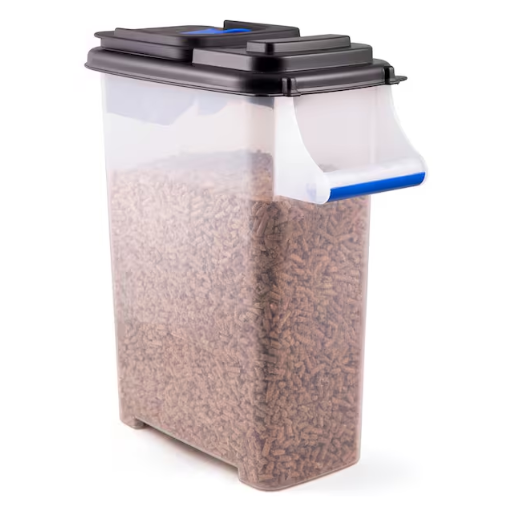
Airtight Bins and Covered Totes
For opened or transferred material, use clean, airtight bins with tight-fitting lids. Add a desiccant pouch inside to absorb residual moisture. Label the bin with the contents and date so the material does not sit forgotten.
Gaylords, Octabins, and Bulk Bags
For medium to high volume, corrugated gaylords and octabins, or FIBC bulk bags with moisture-barrier liners, work well. The liner matters more than the outer container. A moisture-proof liner can cut moisture pickup by roughly 70% compared with open storage.
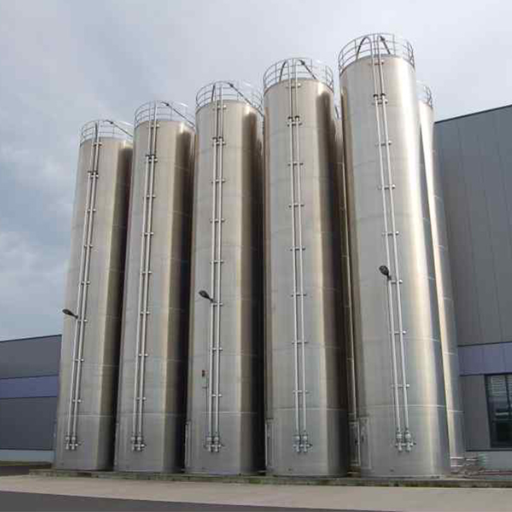
Silos
For very large users, indoor or outdoor silos store material in bulk. Silos add complexity: hopper design, dust collection, dry-air handling, and climate control all need engineering attention. If you operate at that scale, our full industrial storage guide covers silo design and bulk handling in depth.
Here is a second story to make the container point concrete. A small medical-device molder we know transferred opened polycarbonate pellets into an old open-top tote to save space. Within three weeks, the parts started showing black flecks and surface defects.
The culprit was not the resin. Dust from the plant had settled into the open tote, and the pellets had picked up humidity. Switching to sealed, covered bins with desiccant pouches eliminated the problem in a single production cycle. Because polycarbonate is both hygroscopic and unforgiving on the machine, it pays to pair good storage with sound processing; our complete guide to polycarbonate pellets for injection molding walks through drying, temperatures, and sourcing for this grade.
How to Store Plastic Pellets in Your Warehouse
Good storage is a process, not a one-time arrangement. Walk through these steps from receiving to production.
Receiving
Inspect every delivery before you sign for it. Look for punctures, tears, water stains, and condensation on the bags. If a bag arrives damaged or wet, quarantine it and note the issue on the delivery record. This protects you and your supplier, and it stops a bad lot from entering your stock.
Placement
Store pellets in a clean, dry room away from grinding, sanding, sawing, oil mist, vents, and water sources. Separate different materials, and keep virgin material away from recycled grades, to prevent cross-contamination. Even a few stray pellets of the wrong material can create defects in a sensitive part.
Staging
Bring cold material into the production area roughly 24 hours before opening it. This lets the pellets warm up and prevents condensation. Keep the time between opening a bag and loading the machine as short as possible.
Drying
If you are unsure whether hygroscopic material has been exposed to moisture, dry it before use. A common rule from material suppliers: if a bag has been open for more than two hours in air above 50% relative humidity, re-dry it. The drying temperature and time depend on the resin. Our comprehensive guide to storing plastic resin pellets covers drying parameters, moisture testing, and storage economics in detail, so you can match the procedure to each grade you run. If acrylic is one of the grades you run, our PMMA acrylic pellets properties and sourcing guide lays out the drying settings and handling steps that keep this clear resin optically perfect.
Plastic Pellet Storage Checklist
Post this quick-reference checklist in your warehouse. It condenses the full guide into eight checks your team can complete on a weekly walk-through.
- Bags sealed; opened bags resealed or transferred to airtight bins
- Pallets and bins off the floor, 10 to 15 cm up, away from walls
- Room temperature between 15 and 25 degrees Celsius
- Relative humidity below 50% (below 40% for hygroscopic grades)
- Material out of direct sunlight and away from heat sources
- Clean, dedicated scoops and covered containers in use
- Every bag and bin labeled with material, grade, batch, and date
- FIFO rotation followed; old stock inspected and used first
Plastic Pellets FAQ
What temperature should plastic pellets be stored at?
Store plastic pellets at 15 to 25 degrees Celsius. Keep the storage room below 50% relative humidity, and ideally below 40% for hygroscopic materials such as nylon and polycarbonate. Never store pellets outdoors or in direct sunlight.
How long do plastic pellets last in storage?
Sealed plastic pellets generally keep for 12 to 24 months when stored cool, dry, and dark. After about two years, the packaging often degrades before the resin does. Inspect the bags, and re-dry hygroscopic pellets after long storage or any sign of moisture exposure.
Do all plastic pellets need to be dried before processing?
No. Only hygroscopic pellets, such as nylon, polycarbonate, ABS, and PET, absorb internal moisture and generally need drying before processing. Non-hygroscopic pellets such as HDPE and PP usually need only dry, clean storage. When in doubt, check the supplier’s technical data sheet.
What happens if plastic pellets get wet?
Wet pellets create splay, bubbles, and weak parts, because moisture turns to steam inside the hot machine. Hygroscopic pellets that absorbed moisture can also hydrolyze, which permanently reduces their strength. Surface-wet non-hygroscopic pellets can often be dried with hot air, but hygroscopic pellets need proper dehumidified drying.
Can you store plastic pellets outside?
No. Never store plastic pellets outdoors. Rain, humidity, temperature swings, and UV light will degrade the material and its packaging. Always store pellets indoors in a clean, dry, climate-controlled area.
How do you know if plastic pellets are too wet?
You cannot tell by looking at them. Hygroscopic pellets can look dry and still hold too much moisture. Use a moisture analyzer to check content, or follow the supplier’s rule: if a bag was open for more than two hours in air above 50% RH, dry the material before use.
Store Plastic Pellets Well, and Quality Follows
Here is the short version of everything above.
- Plastic is not inert. Moisture, contamination, heat, and time all degrade pellets while they wait.
- Hygroscopic pellets are the priority. Nylon, polycarbonate, ABS, and PET absorb internal moisture and need sealed storage and drying before use.
- Hold a cool, dry climate. Target 15 to 25 degrees Celsius and below 50% RH, off the floor and away from heat and sunlight.
- Keep it sealed and labeled. Bags sealed, bins covered, FIFO rotation, and monthly inspection prevent most storage failures.
- When in doubt, dry. If material may have absorbed moisture, dry it before processing. It is cheaper than a scrapped shift.
Whether you are learning how to store plastic pellets for the first time or tightening an existing routine, the same principle applies. Storage is the last quality step your supplier cannot control and the first one you can. Get the routine right, and the pellets you paid for will still be the pellets you process. If you buy plastic pellets for injection molding, this is the difference between a clean run and a scrapped shift; our side-by-side PC vs PMMA injection molding process guide shows how the two resins run once they reach the machine.
At Suzhou Yifuhui, we treat storage as part of quality. Our pellets ship sealed, dry, and batch-tested, so they arrive ready to run. If you have questions about storing a specific grade, or you want material matched to your application, talk to our engineers. We can also point you to the right storage and drying setup for the resins you run.
Ready to source plastic pellets that arrive ready to run? Request a quote or contact our engineering team today. We respond within 24 hours.