Maria, a procurement manager at a food packaging company in Jiangsu, almost approved a shipment of HDPE pellets last quarter. She didn’t check the Certificate of Analysis first. The price was 8% lower than her usual supplier, and the resin code was #2. Everything looked fine on the surface.
Then her quality engineer asked one simple question: “Is this HDPE food safe, or just industrial-grade HDPE?” That question saved her company from a potential recall and a six-figure loss.
If you source plastic pellets for food-contact products, you’ve probably asked the same thing. Is HDPE food safe? The short answer is yes, but only under the right conditions. The recycling symbol #2 tells you the resin type. It doesn’t prove the material meets food-grade standards.
In this guide, you’ll learn what makes HDPE food-safe, which regulations apply, and how to verify food-grade HDPE pellets from your supplier. You’ll also see how to choose the right grade for your manufacturing process, and why documentation matters just as much as the material itself.
What Makes HDPE Food-Safe?
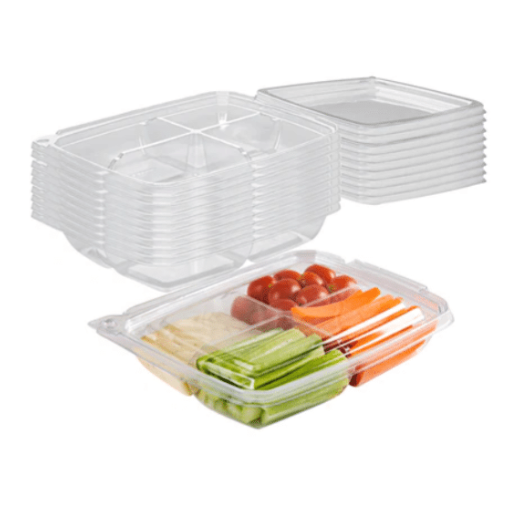
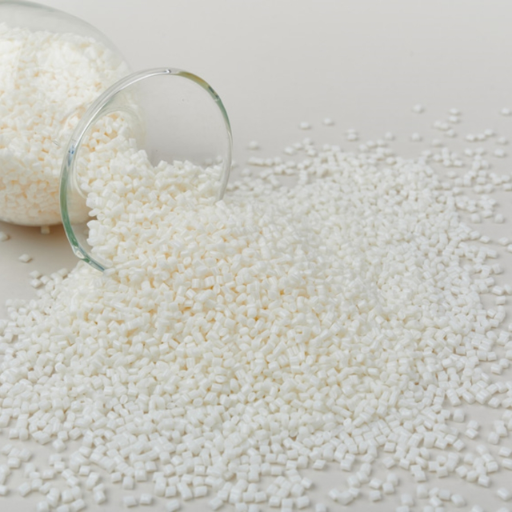
High-density polyethylene (HDPE) is a thermoplastic polymer made from petroleum. Manufacturers know it as resin code #2. You’ll find it in milk jugs, juice bottles, food storage containers, and cutting boards. The material is popular because it combines strength, chemical resistance, low moisture absorption, and easy processing.
But not every HDPE pellet is suitable for food contact. The safety of HDPE depends on three factors:
- Virgin resin source. Food-grade HDPE starts with virgin resin that has never been used in non-food applications.
- Approved additives. Stabilizers, colorants, and processing aids must be cleared for food contact.
- Controlled manufacturing. The pellets must be produced, handled, and packaged to prevent contamination.
Virgin HDPE is chemically stable. It doesn’t contain bisphenol A (BPA) or phthalates, and it resists leaching under normal food-contact conditions. That’s why regulators in the United States, European Union, and China allow HDPE for direct food contact when the right grade is used.
However, there’s a critical distinction. A bleach bottle and a milk jug can both be marked with #2. Both are HDPE. Only the milk jug was designed for food contact. The difference isn’t the resin code. It’s the grade, additives, and certification behind the material.
Need help sourcing certified food-grade HDPE pellets? Contact our engineering team for a tailored resin recommendation based on your application and processing method.
HDPE Food Safety Regulations Explained
Regulatory compliance is the foundation of food-grade HDPE sourcing. If you manufacture food packaging, food-contact equipment, or kitchen products, you need to know which standards apply to your market.
FDA Compliance: 21 CFR 177.1520
In the United States, the Food and Drug Administration (FDA) regulates HDPE under 21 CFR 177.1520. This is the regulation for olefin polymers. It covers polyethylene, polypropylene, and other olefin-based plastics used in repeated food-contact applications.
The regulation specifies that HDPE must be manufactured from safe substances. Virgin resin with approved additives is generally recognized as safe for food contact. The FDA doesn’t issue certificates for individual resin lots. Instead, compliance is self-affirmed by the manufacturer or supplier. That’s why you must request documentation from your pellet supplier.
Key documents include:
- Certificate of Analysis (CoA): Confirms the batch meets specified properties and purity.
- Declaration of Conformity (DoC): States that the material complies with 21 CFR 177.1520.
- Migration test reports: Shows that substances do not migrate into food above allowed limits.
- Technical Data Sheet (TDS): Provides melt flow index, density, and processing guidance.
EU Regulation 10/2011
For companies selling into Europe, EU Regulation 10/2011 sets migration limits for plastic materials in food contact. The overall migration limit is 10 milligrams per square decimeter (mg/dm²) of contact surface. There are also specific migration limits for certain heavy metals and substances.
Virgin HDPE typically performs well below these limits. Still, your supplier should provide testing evidence that confirms compliance for your specific application, especially if you use colorants or additives.
China and Other Markets
In China, food-contact plastics are regulated under GB 4806.6 and related national food safety standards. These standards set requirements for raw materials, additives, and migration testing. If your products enter the Chinese market, your HDPE supplier must provide documentation that meets GB requirements.
Other certifications to consider include LFGB for Germany and the broader EU market. NSF standards also apply to food equipment and water-contact applications.
Key takeaway: HDPE is widely approved for food contact, but approval depends on the specific grade, additives, and supplier documentation. Never assume #2 means food-grade.
How to Verify Food-Grade HDPE Pellets
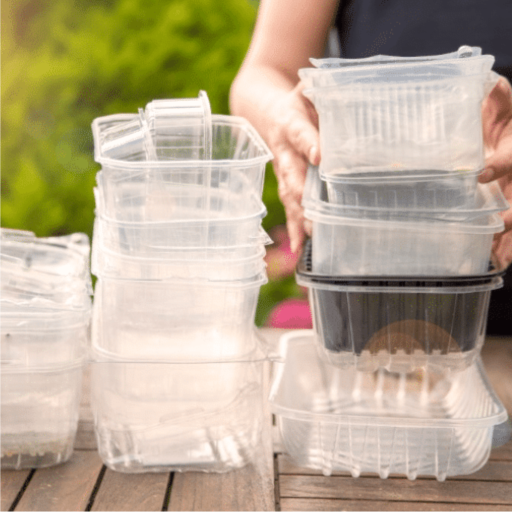
Verifying food-grade HDPE starts before you place an order. A reliable supplier should answer technical questions and provide complete documentation. Here’s what to request.
Request These Documents
- Certificate of Analysis (CoA). This confirms the physical and chemical properties of the specific batch. It includes melt flow index, density, and contamination testing.
- Declaration of Conformity (DoC). This document states that the resin complies with relevant food-contact regulations such as FDA 21 CFR 177.1520 or EU 10/2011.
- Migration test reports. These show that the material meets overall and specific migration limits under defined time and temperature conditions.
- Technical Data Sheet (TDS). This helps your engineering team match the resin to your processing method.
- Additive and colorant disclosure. If the HDPE contains masterbatch, pigments, or stabilizers, confirm these are food-contact approved.
Red Flags to Watch For
- Vague claims. A supplier who says “it’s FDA approved” without providing a DoC or migration report isn’t giving you proof.
- Mixed regrind. Post-industrial or post-consumer recycled content may not be food-grade unless specifically certified.
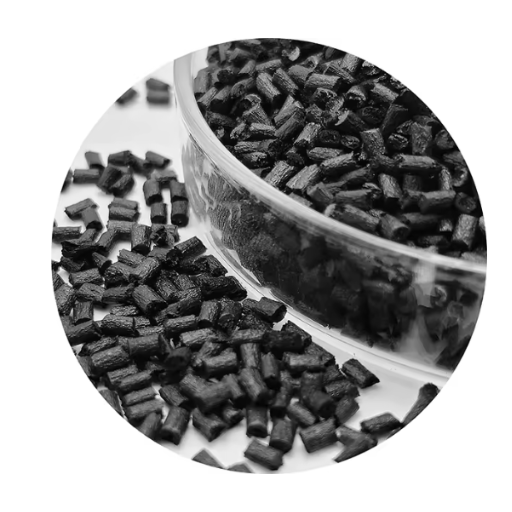
- Non-food-grade colorants. Black HDPE and bright colors often contain pigments that aren’t approved for food contact.
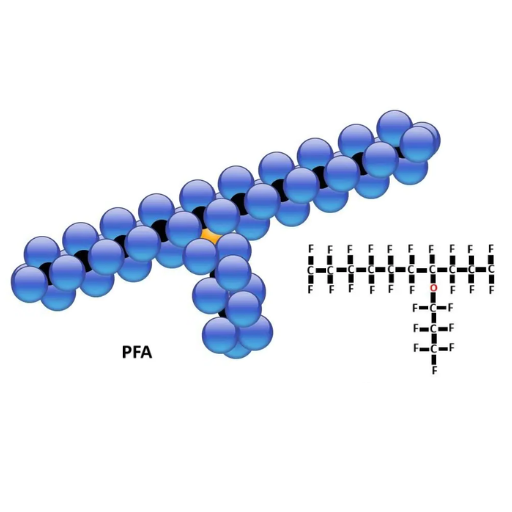
- Fluorination treatments. Some HDPE containers receive fluorination to improve barrier properties. This can introduce PFAS compounds, which are under increasing regulatory scrutiny.
- Poor traceability. You should know the resin origin, production batch, and supply chain path.
At Suzhou Yifuhui New Material Co., Ltd., we provide full documentation for our food-grade HDPE pellets, including CoA, DoC, and TDS. Our quality control team tests every batch to ensure consistent performance for your production line.
HDPE Temperature Limits and Safe Use
HDPE performs well across a wide temperature range, but it has clear limits. Using it outside those limits can cause warping, deformation, or increased migration risk.
Safe Temperature Range
The typical continuous-use range for HDPE in food applications is -58°F to 176°F (-50°C to 80°C). Some sources note short-term exposure up to 100°C for 15 minutes. Continuous service should stay within the rated range.
What to Avoid
- Microwave use. HDPE isn’t microwave-safe. It can soften, warp, or melt.
- Boiling water. Continuous immersion in boiling water can deform HDPE containers.
- Hot-fill above 160°F. Unless you’re using a specialized heat-resistant HDPE grade, avoid filling with hot liquids above approximately 160°F (71°C).
- Steam sterilization / autoclave. Standard HDPE isn’t suitable for high-pressure steam sterilization.
Where HDPE Excels
- Freezer storage. HDPE remains tough at low temperatures and resists cracking.
- Cold-fill beverages. Milk jugs, juice bottles, and water containers are classic HDPE applications.
- Dry food storage. Cereal liners, snack bags, and food buckets benefit from HDPE’s moisture barrier.
- Food preparation surfaces. HDPE cutting boards are non-porous, easy to clean, and durable.
Choosing the Right HDPE Grade for Your Process
Not all HDPE pellets process the same way. The right grade depends on your manufacturing method and the final product requirements.
Blow Molding
Blow-molded HDPE needs good environmental stress crack resistance (ESCR) and melt strength. This grade is ideal for milk jugs, detergent-style bottles, and large food containers. A higher density and lower melt flow index usually work best for hollow parts.
Injection Molding
Injection molding requires a resin that flows easily into complex molds. Higher melt flow index HDPE grades are common for caps, closures, thin-wall containers, and food-service items. The grade must also provide consistent dimensional stability after cooling.
Extrusion
Extruded HDPE is used for films, sheets, liners, and profiles. Film grades need good optical properties and processability. Sheet extrusion for cutting boards and food preparation surfaces requires toughness and a smooth finish.
Not sure which HDPE grade fits your process? Request a technical consultation with our materials engineers. We match resin specifications to blow molding, injection molding, and extrusion requirements.
Virgin vs. Recycled HDPE for Food Contact
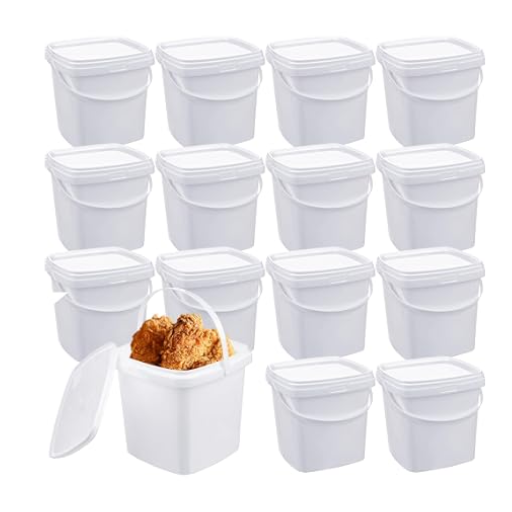
The source of your HDPE matters as much as the resin type.
Virgin HDPE
Virgin HDPE is the safest choice for direct food contact. It has no prior use, predictable additive content, and straightforward regulatory approval. If your product touches food directly, virgin resin should be your default.
Recycled HDPE
Recycled HDPE can be food-safe, but only under specific conditions. The FDA reviews recycled HDPE for food contact on a case-by-case basis through letters of non-objection. In the EU, recycled plastics for food contact must meet strict decontamination requirements under Regulation (EU) 2022/1616.
Recycled HDPE is more common in non-food packaging, outdoor products, and industrial applications. If you want to use recycled content in food packaging, work with a supplier who can demonstrate compliance through testing and certification.
Post-Industrial Regrind
Some manufacturers blend virgin HDPE with regrind from their own production scrap. This can reduce cost and waste, but it introduces traceability risks. Any regrind used in food-contact products must come from food-grade sources and stay within approved ratios.
HDPE vs. Other Food-Safe Plastics
HDPE isn’t the only plastic approved for food contact. Here’s how it compares to common alternatives.
| Plastic | Recycling Code | Food-Safe? | Best For | Limitations |
|---|---|---|---|---|
| HDPE | #2 | Yes, when food-grade | Bottles, containers, buckets, cutting boards | Not for high heat or microwave |
| PET | #1 | Yes | Beverage bottles, jars | Not for hot fill; can degrade with reuse |
| PP | #5 | Yes | Hot-fill containers, microwaveable containers | Higher cost than HDPE |
| LDPE | #4 | Yes | Films, squeeze bottles, liners | Lower heat resistance than HDPE |
| PS | #6 | Conditional | Foam trays, disposable cups | Can leach styrene; limited food uses |
| PC | #7 | Conditional | Reusable bottles | BPA concerns; restricted in some markets |
For most rigid food packaging and containers, HDPE offers an excellent balance of cost, performance, and regulatory acceptance. It’s also widely recyclable, which supports sustainability goals when handled correctly. To gain a deeper understanding of HDPE vs LDPE, please click to refer to our accompanying guide: HDPE vs LDPE: Complete Pellet Selection Guide for Manufacturers
Common Questions About HDPE Food Safety
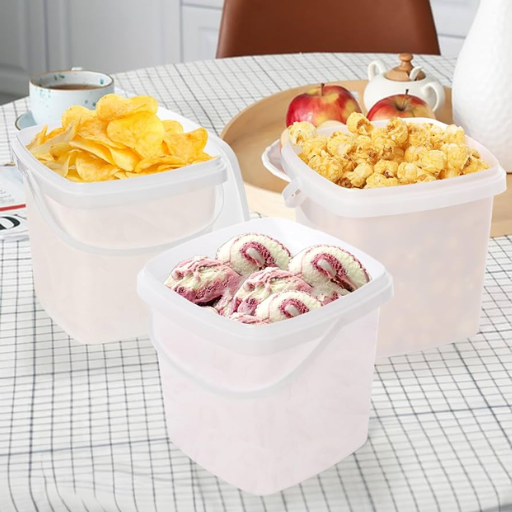
Is HDPE #2 plastic food safe?
The #2 recycling code only identifies the resin as HDPE. It doesn’t guarantee food-grade status. A container must be manufactured from food-contact-approved HDPE with suitable additives.
Is HDPE BPA-free?
Yes. Virgin HDPE doesn’t contain BPA or phthalates. That’s one reason it’s widely used for milk jugs, water bottles, and food containers.
Can HDPE be used for hot food?
Standard HDPE isn’t designed for hot food or boiling liquids. Continuous use above 176°F (80°C) can cause deformation. For hot-fill applications, polypropylene (PP) or specialized heat-resistant HDPE grades are better choices.
Is black HDPE food safe?
Black HDPE can be food-safe if the carbon black and any other additives are approved for food contact. Always request documentation. Some black HDPE contains industrial-grade pigments that aren’t suitable for food use.
Is HDPE safe for drinking water?
Yes, food-grade HDPE is commonly used for water bottles and water storage containers. It’s chemically stable and doesn’t impart taste or odor when used within its temperature range.
How do I know if HDPE pellets are food-grade?
Request a Declaration of Conformity, migration test reports, and a Certificate of Analysis from your supplier. The documents should reference FDA 21 CFR 177.1520, EU 10/2011, or the relevant standard for your market.
Conclusion
HDPE is one of the most trusted plastics for food-contact applications, but safety depends on more than the resin code. The right grade, approved additives, proper processing, and complete supplier documentation all play a role in answering the question: is HDPE food safe?
For manufacturers, the key takeaways are simple:
- Use virgin, food-grade HDPE for direct food contact.
- Always request CoA, DoC, migration reports, and TDS from your supplier.
- Stay within the recommended temperature range.
- Match the HDPE grade to your processing method.
- Treat recycled or colored HDPE with extra scrutiny.
At Suzhou Yifuhui New Material Co., Ltd., we supply food-grade HDPE pellets with full compliance documentation and consistent batch quality. Our team helps you select the right resin for blow molding, injection molding, or extrusion. We make sure your food-contact products meet regulatory standards and your production goals.
Ready to source reliable food-grade HDPE pellets? Request a quote today and receive a tailored resin recommendation within 24 hours.