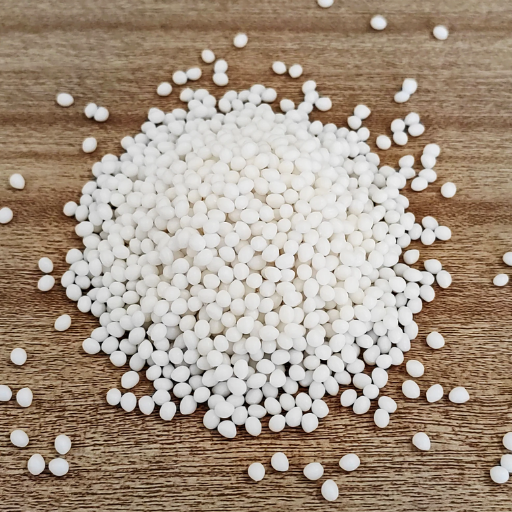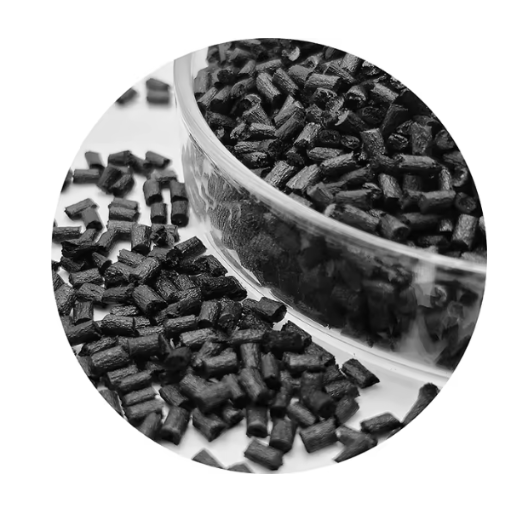
The grade is called 72D. The current data sheet measures 64D at 15 seconds. Both numbers are correct, and the reason explains most of what goes wrong when engineers compare Hytrel data.
If you have ever placed a distributor PDF beside a Celanese listing and found a different glass transition temperature, tear strength, or processing window, you were not looking at an error. You were looking at a revision, a different test method, or a different grade variant.
This Hytrel material data sheet consolidates the current Celanese data for the two grades Yifuhui stocks, Hytrel 7246 and Hytrel 5526, and adds the wider grade range at summary level. Every value carries a unit and a test method. A revision table shows where the older DuPont sheets differ, and why.
Use the summary table to place a grade, the grade sections to specify it, and the reading guide to settle a disagreement between two data sheets.
Hytrel® is a thermoplastic polyester elastomer (TPEE), also called a thermoplastic copolyester elastomer (COPE), ISO designation TPC-ET (ISO 1043-1), now owned by Celanese. It combines rubber-like flexibility with engineering-plastic strength. Standard grades run from Shore D 30 to 82 and are supplied as pellets for injection molding, extrusion, and blow molding.
Hytrel Material Data Sheet at a Glance
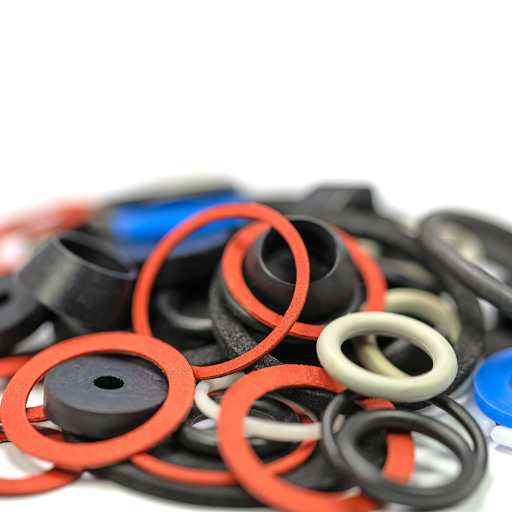
The fastest way to place a grade is the comparison below. Nominal hardness is the grade label. Measured hardness is what the test reports at 15 seconds. They are not the same number, and that is normal across the Hytrel range.
The Hytrel flexural modulus column is the fastest stiffness comparison.
| Grade | Nominal Shore D | Measured Shore D (15 s) | Shore D max | Density (g/cm³) | Flexural modulus (MPa) | Melting point (°C) | HDT at 1.8 MPa (°C) | Typical process |
|---|---|---|---|---|---|---|---|---|
| Hytrel 4056 | 40D | 37 | 43 | 1.16 | 60 | 152 | Not published in the sources checked | Injection, extrusion |
| Hytrel 5526 | 55D | 51 | 55 | 1.19 | 200 | 203 | 45 | Injection, thermoforming |
| Hytrel 7246 | 72D | 64 | 68 | 1.26 | 550 | 218 | 50 | Injection, extrusion |
Values are typical properties from current Celanese listings and published grade data. They are not specification limits. Confirm the current grade sheet before design. For the full material overview, see the complete Hytrel material guide.
The table also shows why buyers get confused. A 72D grade measures 64, a 55D grade measures 51, and a 40D grade measures 37.
The label identifies the grade family. The measured value is the test result. Both are useful, but they answer different questions.
If you already know the grade, jump to Hytrel 7246 or Hytrel 5526. If you are choosing between them, the summary row tells you most of the story: 7246 is roughly three times stiffer than 5526 and melts about 15 °C higher.
Hytrel 7246 Data Sheet
Hytrel 7246 is the high-modulus grade in the range. It is nominally 72 Shore D, with a 550 MPa tensile and flexural modulus, a 218 °C melting point, and published applications in tubing, wire and cable jackets, gears, sprockets, and oil field parts. It processes by injection molding and extrusion. Yifuhui supplies Hytrel 7246 pellets for both processes.
The Hytrel 7246 properties below come from the current Celanese Hytrel 7246 listing. Test methods are named on every row because the method is part of the value.
General and Rheological Properties
| Property | Value | Unit | Test standard |
|---|---|---|---|
| Resin identification | TPC-ET | n/a | ISO 1043 |
| Part marking code | > TPC-ET< | n/a | ISO 11469 |
| Density | 1.26 | g/cm³ | ISO 1183 |
| Melt density | 1.11 | g/cm³ | Not stated |
| Melt mass-flow rate (240 °C / 2.16 kg) | 13 | g/10 min | ISO 1133 |
| Melt volume-flow rate (240 °C / 2.16 kg) | 12 | cm³/10 min | ISO 1133 |
| Molding shrinkage, flow / across | 1.6 / 1.6 | % | ISO 294-4 |
| Water absorption, 24 h | 0.30 | % | ISO 62 |
| Water absorption, saturation (2 mm) | 0.60 | % | ISO 62 |
| Water absorption, equilibrium (50% RH) | 0.20 | % | ISO 62 |
| Tensile modulus | 550 | MPa | ISO 527-1 |
| Tensile stress at yield | 27.0 | MPa | ISO 527-2 |
| Tensile stress at break | 50.0 | MPa | ISO 527-2 |
| Tensile stress at 5% strain | 14.0 | MPa | ISO 527-2 |
| Tensile stress at 10% strain | 23.0 | MPa | ISO 527-2 |
| Tensile stress at 50% strain | 24.0 | MPa | ISO 527-2 |
| Tensile strain at yield | 23 | % | ISO 527-2 |
| Tensile strain at break | >300 | % | ISO 527-2 |
| Nominal tensile strain at break | 530 | % | ISO 527-2 |
| Tensile creep modulus, 1 h | 360 | MPa | ISO 899-1 |
| Tensile creep modulus, 1000 h | 310 | MPa | ISO 899-1 |
| Flexural modulus | 550 | MPa | ISO 178 |
| Shear modulus | 280 | MPa | ISO 6721 |
| Abrasion resistance | 100 | mm³ | ISO 4649 |
| Tear strength, flow / across | 180 / 170 | kN/m | ISO 34-1 |
Impact and Hardness
| Property | Value | Unit | Test standard |
|---|---|---|---|
| Charpy notched impact, 23 °C | 36 | kJ/m² | ISO 179/1eA |
| Charpy notched impact, −30 °C | 8 | kJ/m² | ISO 179/1eA |
| Charpy notched impact, −40 °C | 7 | kJ/m² | ISO 179/1eA |
| Notched Izod impact, 23 °C | 38 | kJ/m² | ISO 180/1A |
| Notched Izod impact, −40 °C | 7 | kJ/m² | ISO 180/1A |
| Tensile notched impact, 23 °C | 300 | kJ/m² | ISO 8256/1 |
| Shore D hardness, max | 68 | n/a | ISO 48-4 |
| Shore D hardness, 15 s | 64 | n/a | ISO 48-4 |
Thermal Properties
| Property | Value | Unit | Test standard |
|---|---|---|---|
| Melting temperature (10 °C/min) | 218 | °C | ISO 11357-3 |
| Glass transition temperature | 32 | °C | ISO 6721 |
| HDT at 0.45 MPa | 100 | °C | ISO 75-2/B |
| HDT at 1.8 MPa | 50 | °C | ISO 75-2/A |
| Vicat softening, B50 | 140 | °C | ISO 306 |
| Vicat softening, A50 | 205 | °C | ISO 306 |
| Brittleness temperature | −97 | °C | ISO 974 |
| CLTE, flow (unspecified / −40 to 23 °C) | 1.8E-4 / 1.2E-4 | cm/cm/°C | ISO 11359-2 |
| CLTE, transverse (unspecified / −40 to 23 °C) | 1.7E-4 / 1.3E-4 | cm/cm/°C | ISO 11359-2 |
| RTI electrical / impact (1.5 mm) | 85 / 85 | °C | UL 746B |
| RTI strength (1.5 mm) | 75 | °C | UL 746B |
One number surprises buyers more than any other. Hytrel 7246 has an HDT of 50 °C at 1.8 MPa. That doesn’t mean the part can’t run above 50 °C.
It means the grade should not be asked to carry a significant load at 150 °C. Low-load parts can run much hotter. Design to the load, not the headline temperature.
Electrical Properties
| Property | Value | Unit | Test standard |
|---|---|---|---|
| Surface resistivity | >1.0E+15 | Ω | IEC 62631-3-2 |
| Volume resistivity | 2.0E+10 | Ω·m | IEC 62631-3-1 |
| Electric strength | 20 | kV/mm | IEC 60243-1 |
| Relative permittivity, 100 Hz / 1 MHz | 4.0 / 3.5 | n/a | IEC 62631-2-1 |
| Dissipation factor, 100 Hz / 1 MHz | 0.016 / 0.030 | n/a | IEC 62631-2-1 |
| Comparative tracking index | 600 | V | IEC 60112 |
Flammability and Emissions
| Property | Value | Unit | Test standard |
|---|---|---|---|
| UL 94 rating, 1.5 mm | HB | n/a | UL 94 |
| IEC 60695-11-10, 1.5 mm | HB | n/a | IEC 60695-11-10 |
| Oxygen index | 23 | % | ISO 4589-2 |
| FMVSS 302 | DNI | n/a | FMVSS 302 |
| VOC emission | 300 | µgC/g | VDA 277 |
Injection Molding and Extrusion Parameters
The 7246 injection and extrusion windows are consolidated with the 5526 settings in Hytrel processing temperature and parameters.
72D is a label, not a measurement. The current sheet reports Shore D 64 at 15 seconds and 68 maximum under ISO 48-4. The 72D figure is a legacy grade-identification label, and Celanese still uses it to name the grade. Both numbers are correct. Do not “correct” one to the other without explaining the distinction.
Hytrel 5526 Data Sheet
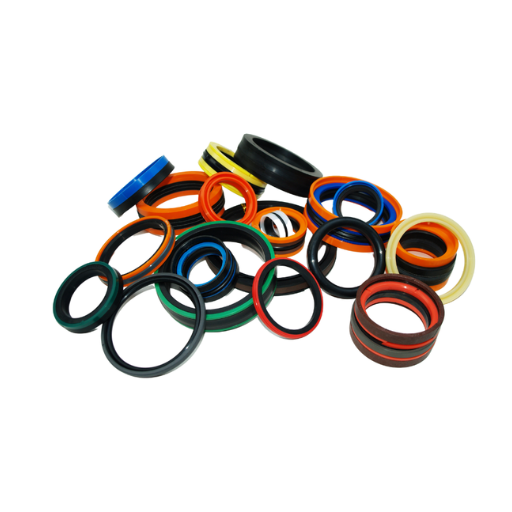
Hytrel 5526 is the medium-modulus, high-flow grade. It is nominally 55 Shore D, with a 190 MPa tensile modulus, a 200 MPa flexural modulus, and a 203 °C melting point.
Celanese publishes it for injection molding and thermoforming. It is not listed as an extrusion grade. Typical applications include seals, packing, gaskets, gears, and bearings. Yifuhui stocks Hytrel 5526 grade for both processes.
Mechanical and Impact Properties
| Property | Value | Unit | Test standard |
|---|---|---|---|
| Density | 1.19 | g/cm³ | ISO 1183 |
| Melt density | 1.04 | g/cm³ | Not stated |
| Melt mass-flow rate (220 °C / 2.16 kg) | 18 | g/10 min | ISO 1133 |
| Melt volume-flow rate (220 °C / 2.16 kg) | 18 | cm³/10 min | ISO 1133 |
| Molding shrinkage, flow / across | 1.4 / 1.4 | % | ISO 294-4 |
| Water absorption, 24 h | 0.60 | % | ISO 62 |
| Water absorption, saturation (2 mm) | 0.60 | % | ISO 62 |
| Water absorption, equilibrium (50% RH) | 0.20 | % | ISO 62 |
| Tensile modulus | 190 | MPa | ISO 527-1 |
| Tensile stress at yield | 15.0 | MPa | ISO 527-2 |
| Tensile stress at break | 40.0 | MPa | ISO 527-2 |
| Tensile stress at 5% strain | 6.9 | MPa | ISO 527-2 |
| Tensile stress at 10% strain | 11.0 | MPa | ISO 527-2 |
| Tensile stress at 50% strain | 14.0 | MPa | ISO 527-2 |
| Tensile strain at yield | 35 | % | ISO 527-2 |
| Tensile strain at break | >300 | % | ISO 527-2 |
| Nominal tensile strain at break | 780 | % | ISO 527-2 |
| Tensile creep modulus, 1 h / 1000 h | 170 / 130 | MPa | ISO 899-1 |
| Flexural modulus | 200 | MPa | ISO 178 |
| Shear modulus | 65 | MPa | ISO 6721 |
| Abrasion resistance | 120 | mm³ | ISO 4649 |
| Tear strength, flow / across | 130 / 130 | kN/m | ISO 34-1 |
| Charpy notched impact, 23 °C | No break | kJ/m² | ISO 179/1eA |
| Charpy notched impact, −30 °C | 150 (partial break) | kJ/m² | ISO 179/1eA |
| Charpy notched impact, −40 °C | 30 | kJ/m² | ISO 179/1eA |
| Notched Izod impact, −40 °C | 120 | kJ/m² | ISO 180/1A |
| Tensile notched impact, 23 °C | 270 | kJ/m² | ISO 8256/1 |
| Shore D hardness, max | 55 | n/a | ISO 48-4 |
| Shore D hardness, 15 s | 51 | n/a | ISO 48-4 |
Thermal, Electrical, and Flammability Properties
| Property | Value | Unit | Test standard |
|---|---|---|---|
| Melting temperature (10 °C/min) | 203 | °C | ISO 11357-3 |
| Glass transition temperature | −25 | °C | ISO 6721 |
| HDT at 0.45 MPa | 65 | °C | ISO 75-2/B |
| HDT at 1.8 MPa | 45 | °C | ISO 75-2/A |
| Vicat softening, B50 / A50 | 75 / 180 | °C | ISO 306 |
| Brittleness temperature | −98 | °C | ISO 974 |
| CLTE, flow (unspecified / −40 to 23 °C) | 2.0E-4 / 1.8E-4 | cm/cm/°C | ISO 11359-2 |
| CLTE, transverse (unspecified / −40 to 23 °C) | 2.0E-4 / 1.7E-4 | cm/cm/°C | ISO 11359-2 |
| RTI electrical / impact (1.5 mm) | 85 / 85 | °C | UL 746B |
| RTI strength (1.5 / 3.0 mm) | 75 / 80 | °C | UL 746B |
| Surface resistivity | >1.0E+15 | Ω | IEC 62631-3-2 |
| Volume resistivity | 4.0E+11 | Ω·m | IEC 62631-3-1 |
| Electric strength | 20 | kV/mm | IEC 60243-1 |
| Relative permittivity, 100 Hz / 1 MHz | 4.9 / 4.6 | n/a | IEC 62631-2-1 |
| Dissipation factor, 100 Hz / 1 MHz | 0.009 / 0.038 | n/a | IEC 62631-2-1 |
| Comparative tracking index | 600 | V | IEC 60112 |
| UL 94 rating, 1.5 / 3.0 mm | HB / HB | n/a | UL 94 |
| Oxygen index | 21 | % | ISO 4589-2 |
| Burning rate, 1.0 mm | 28 | mm/min | ISO 3795 |
| FMVSS 302 | SE/B | n/a | FMVSS 302 |
| Fogging, G-value | 0.10 | mg | ISO 6452 |
| Odour | 5 | class | VDA 270 |
Processing Parameters
The 5526 drying, melt, and mold settings are consolidated with 7246 in Hytrel processing temperature and parameters.
55D is a label, not a measurement. The current sheet reports Shore D 51 at 15 seconds and 55 maximum. The same nominal-versus-measured rule applies here. The grade is called 55D because it belongs to that family, not because every test reports 55.
Hytrel 4056 and Other Grades
The Hytrel 4056 data sheet is summarized here. Hytrel 4056 is the low-modulus 40D grade. It has a 60 MPa flexural modulus, a 152 °C melting point, and a density of 1.16 g/cm³.
It is used for flexible parts and profiles and for base resin in concentrates. The measured hardness is 37 at 15 seconds, with a 43 maximum.
The wider Hytrel range is organized into families rather than a single ladder. General-purpose G grades cover the common molding and extrusion jobs.
HTR grades are specialty grades. PC/SC grades are healthcare grades. FG grades are food-contact grades.
ECO-B and RS grades use renewable content. Concentrates add black pigment, UV protection, heat stabilizers, or flame retardants. If you are comparing Hytrel with other TPE families, explore the full thermoplastic elastomer pellet range.
| Grade | Nominal Shore D | Measured Shore D (15 s) | Shore D max | Density (g/cm³) | Flexural modulus (MPa) | Melting point (°C) | Typical role |
|---|---|---|---|---|---|---|---|
| Hytrel 4556 | 45D | 42 | 45 | 1.14 | 87 | 193 | General purpose |
| Hytrel 5556 | 55D | 51 | 55 | 1.19 | 190 | 201 | General purpose |
| Hytrel 6356 | 63D | 57 | 63 | 1.22 | 290 | 210 | Higher-modulus general purpose |
| Hytrel 8238 | 82D | 70 | 76 | 1.28 | 1,150 | 221 | Highest modulus |
| Hytrel SC976 NC010 | 72D | 64 | 68 | 1.26 | 550 | 218 | Healthcare, 72D |
| Hytrel HTR8068 | 44D | 38 | 44 | 1.43 | 155 | 170 | Specialty, high density |
4056, 5526, and 7246 are verified against current listings here. 4556, 5556, 6356, 8238, and HTR8068 are verified against current Celanese-derived data sheets. SC976 comes from the published Celanese grade summary. Confirm the current grade sheet before you specify one.
How to Read a Hytrel Data Sheet
A data sheet is a snapshot, not a specification. Five things change the numbers: the hardness convention, the test method, the revision, the grade variant, and the specimen. Once you know which one is in play, most disagreements resolve themselves.
Nominal vs Measured Hardness
Shore D is a durometer scale. Hytrel hardness is reported at 15 seconds, not at the instant of contact. Hytrel grades are named by a nominal hardness that comes from a legacy identification method. The test result is different.
The pattern is consistent: 40D measures 37, 55D measures 51, and 72D measures 64 at 15 seconds, each with a maximum 3 to 6 points above the measured value.
Consider a buyer we will call Priya. Her specification called for “72D Hytrel.” The incoming inspection report listed 64D, and she flagged the batch as out of specification.
The supplier sent the current data sheet, which explained that 72D is the grade label and 64 is the measured value at 15 seconds. The batch was correct. The specification was ambiguous.
The fix is simple. Write the grade name and the measured range into the specification, and name the test method. “Hytrel 7246, Shore D 64 at 15 s (68 max), ISO 48-4” leaves nothing to argue about.
ISO vs ASTM: The Test-Method Decoder
Most Hytrel data sheets are ISO-based, but distributors and legacy documents mix in ASTM. The values are not interchangeable.
| Property | Standards you will see | What to watch for |
|---|---|---|
| Hardness | ISO 48-4, ISO 868, ISO 7619-1, ASTM D2240 | 15-second vs instantaneous reading; nominal grade labels are legacy |
| Tensile | ISO 527-1/-2, ASTM D638 | Specimen type and test speed; ISO and ASTM values are not interchangeable |
| Flexural | ISO 178, ASTM D790 | Three-point bending; span and speed affect the result |
| Impact | ISO 179/1eA (Charpy), ISO 180/1A (Izod), ASTM D256 | Notched vs unnotched; temperature; partial break |
| HDT | ISO 75-2 A (1.8 MPa), B (0.45 MPa), ASTM D648 | Load level changes the number dramatically |
| Vicat | ISO 306 A50 / B50 | 10 N vs 50 N; A50 is usually much higher |
| Glass transition | ISO 11357 (DSC), ISO 6721 (DMA) | DSC and DMA values differ; do not compare them directly |
| Melting | ISO 11357-3, ASTM D3418 | Heating rate, usually 10 °C/min |
| MFR / MVR | ISO 1133, ASTM D1238 | Temperature and load must be quoted, for example 240 °C / 2.16 kg |
| Density | ISO 1183, ASTM D792 | Solid density and melt density are different values |
| Water absorption | ISO 62, ASTM D570 | 24 h immersion vs saturation vs equilibrium |
| Flammability | UL 94, IEC 60695, FMVSS 302 | Thickness-specific; HB is not a flame-retardant rating |
| Electrical | IEC 62631, IEC 60243, IEC 60112 | Legacy sheets may use the retired IEC 60250 |
| CLTE | ISO 11359-2 | Flow vs transverse; temperature range |
Why Tg Is 25 °C on One Sheet and 32 °C on Another
Consider a process engineer we will call Daniel. He placed a 2017 DuPont PDF beside a current Celanese listing and found a glass transition temperature of 25 °C on one and 32 °C on the other. He assumed one document was wrong.
Both were right. The DuPont sheet reported Tg by differential scanning calorimetry. The current listing reports it by dynamic mechanical analysis under ISO 6721.
The two methods measure related but different transitions. They should not be compared directly.
The practical rule is to use the value from the current grade sheet and keep the method attached. If your design depends on Tg, run the test on the actual grade rather than borrowing a number from a different method.
Revision Dates and the DuPont to Celanese Change
Hytrel moved from DuPont to Celanese as part of the $11.0 billion Mobility & Materials deal, announced on 18 February 2022 and closed on 1 November 2022 . Current data sheets and compliance documents are issued by Celanese and published through the Celanese materials portal.
The PDFs still hosted on many supplier sites are older. The 7246 PDF on the Yifuhui product page is © 2017. The 5526 PDF is © 2015. They are useful references, but they are not current.
A revision can change more than a decimal. The 5526 RTI values moved from 50 °C on the 2015 sheet to 85 °C on the current listing. The 7246 injection melt window moved from 240 to 260 °C to 235 to 255 °C.
Those are not rounding errors. They are reasons to check the date before you set a process.
Why Hytrel Datasheets Disagree
| Property | Legacy DuPont PDF | Current Celanese listing | Why they differ |
|---|---|---|---|
| 7246 Shore D, 15 s / max | 64 / 68 (ISO 7619-1) | 64 / 68 (ISO 48-4) | Same values, different hardness standard |
| 7246 nominal label | 72D | 72D | Legacy grade-identification label, not a measurement |
| 7246 Tg | 25 °C (DSC) | 32 °C (ISO 6721, DMA) | Different method |
| 7246 tear strength, flow / across | 182 / 172 kN/m | 180 / 170 kN/m | Revision and rounding |
| 7246 injection melt | 240 / 245 / 260 °C | 235 / 245 / 255 °C | Revision |
| 7246 mold temperature | 45 / 45 / 55 °C | 45 / 50 / 55 °C | Revision; optimum changed |
| 5526 stress at break | 43 MPa | 40 MPa | Revision |
| 5526 stress at yield | 14 MPa | 15 MPa | Revision |
| 5526 yield strain | 37% | 35% | Revision |
| 5526 tear strength | 133 kN/m | 130 kN/m | Revision and rounding |
| 5526 Tg | −20 °C (DSC) | −25 °C (ISO 6721) | Different method |
| 5526 RTI electrical / impact / strength | 50 / 50 / 50 °C | 85 / 85 / 75 to 80 °C | Major revision |
| 4056 melting point | 168 °C (ASTM) | 152 °C (ISO 11357) | Different method |
| 4056 flexural modulus | 48.3 MPa (older) | 60 MPa (ISO 178) | Revision and method |
The rule is straightforward. Never publish a number without its method and its revision. When two sources disagree, show both and name the axis: method, revision, variant, or rounding.
Hytrel Processing Temperature and Parameters
Hytrel melt viscosity is highly temperature-sensitive. A 10 °C change can shift viscosity several-fold. That makes the processing window narrower than the data sheet’s min and max suggest. Start in the middle, then adjust.
| Grade | Process | Drying | Moisture | Melt temperature | Mold temperature | Hold pressure |
|---|---|---|---|---|---|---|
| Hytrel 7246 | Injection | 110 °C, 2 to 3 h | ≤0.080% | 235 / 245 / 255 °C | 45 / 50 / 55 °C | ≤70 MPa |
| Hytrel 7246 | Extrusion | 100 to 120 °C, 2 to 3 h | ≤0.060% | 225 / 235 / 245 °C | Not published | Not applicable |
| Hytrel 5526 | Injection | 100 °C, 2 to 3 h | ≤0.080% | 220 / 230 / 250 °C | 45 / 50 / 55 °C | Not published |
Drying and Moisture
Hytrel absorbs a small amount of moisture, but the processing limit is tight. Dry 7246 at 110 °C for 2 to 3 hours in a dehumidified dryer and keep moisture at or below 0.080% for injection. For extrusion, dry at 100 to 120 °C and keep moisture at or below 0.060%. Dry 5526 at 100 °C for 2 to 3 hours and keep moisture at or below 0.080%.
Don’t judge dryness by time alone. Verify it with a moisture analyzer. A wet batch can show silver streaks, splay, or a drop in impact strength that looks like a material problem.
Injection vs Extrusion: Do Not Mix the Windows
Consider a maintenance engineer we will call Tomas. He had a 7246 job running on an injection press and set the barrel to 225 to 245 °C because that range appeared on the product page. The parts came out short and the melt looked stiff.
The 225 to 245 °C range is the extrusion window. The injection window is 235 to 255 °C, with 245 °C as the optimum. Once he moved the barrel into the injection range, the short shots cleared.
The lesson is not that one range is right and the other is wrong. They belong to different processes. Always check which column you are reading.
Have a grade and a processing window? Send us the part drawing and we will confirm the grade and stock.
Compliance, Food Contact, and Healthcare Grades
Base Hytrel 7246 and 5526 are not food-contact or healthcare grades by default. They are general-purpose industrial grades with a non-discoloring stabilizer and light stability. If your application needs a food-contact or medical declaration, specify an FG or PC/SC grade and ask for the current compliance document.
| Family | Examples | Typical use | Compliance status to confirm |
|---|---|---|---|
| General purpose | 4056, 5526, 7246 | Industrial molding and extrusion | Not food-contact or healthcare by default |
| Food contact (FG) | 5033FG and other FG grades | Food-processing and packaging contact parts | Request the grade-specific food-contact declaration |
| Healthcare (PC/SC) | SC976 NC010, SC956 NC010 | Medical tubing and device components | Request the grade-specific healthcare declaration |
| Renewable (ECO-B / RS) | 7246 ECO-B 452, 4056 ECO-B 452 | Lower-footprint versions of base grades | Confirm renewable content and property equivalence |
| Concentrates | Black, UV, heat stabilizer, flame retardant | Additive masterbatches | Confirm let-down ratio and base resin |
UL 94 HB is a horizontal-burn rating. It is not the same as V-0, and it should not be described as flame retardant.
RTI is a relative thermal index from UL 746B, not a continuous service temperature. The legacy 7246 PDF also carries a caution against permanent implantation. Treat that as a starting point, not a compliance opinion.
Download the Hytrel Data Sheet PDF and Verify the Revision
Get the current sheet first. The current Celanese grade sheet is available on request. Request the current Celanese grade sheet from our team.
Download the legacy PDFs for revision comparison. Looking for the Hytrel datasheet PDF? Two technical data sheets (TDS) are hosted on the grade pages:
- Hytrel 7246 data sheet (PDF, DuPont, © 2017)
- Hytrel 5526 data sheet (PDF, DuPont, © 2015)
Both are legacy DuPont documents. Use them to compare revisions, not as the current Celanese specification. A current Hytrel material data sheet should match the tables on this page, carry a revision date, and name the owner. If a document doesn’t show those three things, treat it as a reference, not a specification.
Values on this page were cross-checked against the current Celanese listings on UL Prospector and IDES on 22 October 2026. Where a value differs from an older sheet, the revision table names the axis: method, revision, variant, or rounding.
Before you use any Hytrel data sheet, check six things:
- Grade. 7246, 5526, 7246HS, 7246 ECO-B, or another variant.
- Owner and revision. Celanese is the current owner. Note the document date.
- Test method. ISO or ASTM, and which edition.
- Units. MPa vs psi, °C vs °F, mm vs inch.
- Specimen and conditioning. Thickness and moisture state change the result.
- Typical vs specification. A typical value is not a guaranteed limit.
The legacy PDFs on the product pages are labelled as DuPont documents from 2017 and 2015. They are useful for comparing revisions. They are not the current Celanese data sheet, and they should not be presented as one.
Frequently Asked Questions

What is a Hytrel material data sheet?
A Hytrel material data sheet is a technical document that lists the typical properties of a Hytrel grade, including mechanical, thermal, electrical, and processing data. It should name the grade, the test methods, and the revision date. Hytrel is a thermoplastic polyester elastomer (TPEE), ISO designation TPC-ET, owned by Celanese.
What is the hardness of Hytrel 7246, 72D or 64D?
Both. 72D is the nominal grade label used to identify the grade. The measured hardness is Shore D 64 at 15 seconds, with a maximum of 68, under ISO 48-4. Neither number is wrong.
What is the hardness of Hytrel 5526, 55D or 51D?
Both. 55D is the nominal grade label. The measured hardness is Shore D 51 at 15 seconds, with a maximum of 55, under ISO 48-4.
What is the density of Hytrel?
Density depends on the grade. Hytrel 4056 is 1.16 g/cm³, 5526 is 1.19 g/cm³, and 7246 is 1.26 g/cm³. Higher-hardness grades are generally denser.
What is the Hytrel melting point?
Hytrel 4056 melts at 152 °C, 5526 at 203 °C, and 7246 at 218 °C, measured by ISO 11357-3 at 10 °C/min. Melting point rises with hardness across the range.
What is the difference between Hytrel 7246 and 5526?
Hytrel 7246 is the high-modulus grade: nominally 72D, 550 MPa flexural modulus, 218 °C melting point. Hytrel 5526 is the medium-modulus, high-flow grade: nominally 55D, 200 MPa flexural modulus, 203 °C melting point. Choose 7246 for stiffness, heat, and fluid resistance. Choose 5526 for flexibility, impact, and thin-wall flow.
What is the maximum service temperature of Hytrel?
It depends on load and time. Hytrel 7246 has an HDT of 50 °C at 1.8 MPa and 100 °C at 0.45 MPa. Low-load parts can run hotter than the 1.8 MPa HDT suggests. Use the load, the duration, and the grade data together, and confirm with the current grade sheet.
Is Hytrel food safe?
Base 7246 and 5526 are not food-contact grades by default. Food-contact applications need an FG grade and a grade-specific declaration. Do not infer food safety from the base polymer.
Is Hytrel UV resistant?
Hytrel 7246 and 5526 contain a non-discoloring stabilizer and are described as light-stabilized. That is not the same as a UV-stable outdoor grade. For long-term outdoor exposure, specify a grade with the appropriate UV package and test it in the application.
Who makes Hytrel now?
Celanese owns Hytrel. The brand moved from DuPont as part of the $11.0 billion Mobility & Materials deal, announced in February 2022 and closed on 1 November 2022. Current data sheets and compliance documents are issued by Celanese.
Why do Hytrel datasheets show different values?
Three common reasons: a revision changed the value, a different test method was used (for example DSC vs DMA for Tg), or the document describes a different grade variant. Always compare the grade, the method, and the revision date before comparing the number.
Can I download the Hytrel data sheet as a PDF?
Yes. Use the download section on this page. Check that the PDF matches the grade and revision you need, and confirm the current sheet with the supplier before design.
Conclusion
A Hytrel material data sheet is only useful if you can tell which number belongs to which grade, method, and revision. The five things to remember:
- Nominal is not measured. 72D measures 64, 55D measures 51, and 40D measures 37 at 15 seconds.
- The method is part of the value. ISO and ASTM numbers are not interchangeable, and DSC and DMA Tg values are not the same measurement.
- The revision matters. The 2015 and 2017 DuPont PDFs are not the current Celanese data. Check the date and the owner.
- Processing windows are process-specific. The 225 to 245 °C range is extrusion. Injection for 7246 runs 235 to 255 °C.
- Typical is not a specification. Use the current grade sheet and your own validation before you set a limit.
If you need current values for Hytrel 7246 or 5526, or you want help matching a grade to a part, send us the application details. We supply the pellets and the documentation, and we will tell you when the data sheet you have is out of date.