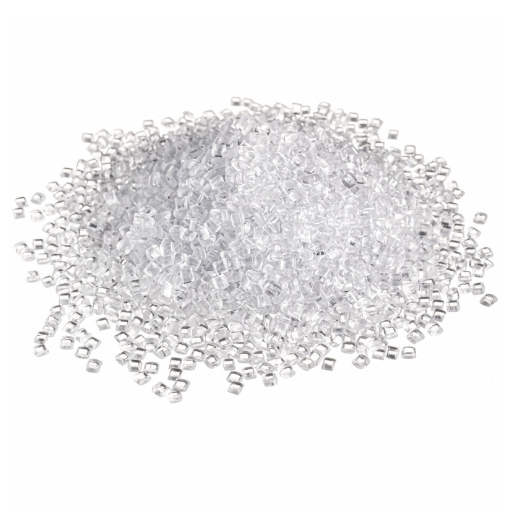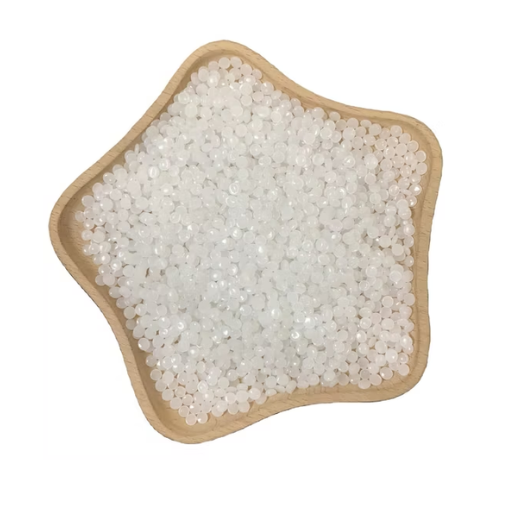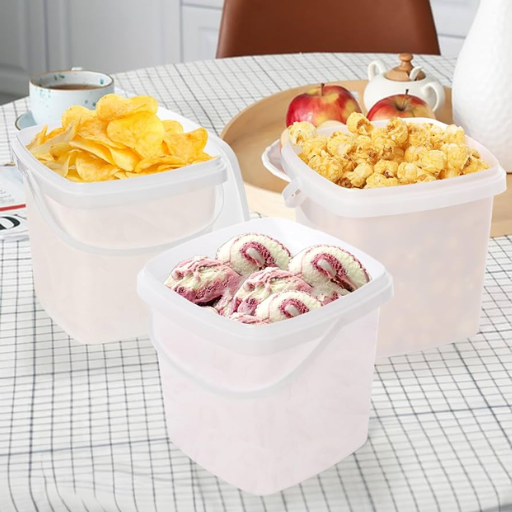
When Lin Wei, a procurement manager at a Guangdong injection molding firm, switched to a new recycled pellet supplier last March, the first three batches ran perfectly. The fourth shut down his production line for eleven days. The culprit was a 12% moisture spike that the supplier never tested for. Lin’s $800-per-ton savings evaporated into $14,000 of lost output, scrap resin, and emergency air freight.
Most procurement teams have a Lin Wei story. The recycled plastic pellets market will reach $16.4 billion by 2034. Demand is outpacing certified supply. That gap creates pressure to buy fast.
But recycled plastic pellets suppliers are not interchangeable. A low quote often hides inconsistent quality, missing certifications, or broker-level traceability gaps that cost far more than they save.
You already know that price alone is a poor filter. What you need is a systematic framework for separating reliable partners from risky intermediaries. This guide delivers exactly that.
You will learn how to audit certifications, verify batch consistency, compare 2026 price benchmarks by resin type, and spot red flags before they reach your production floor. If you are new to recycled feedstock, start with our complete guide to recycled plastic pellets to understand material types and applications.
Why Supplier Choice Matters More Than Price
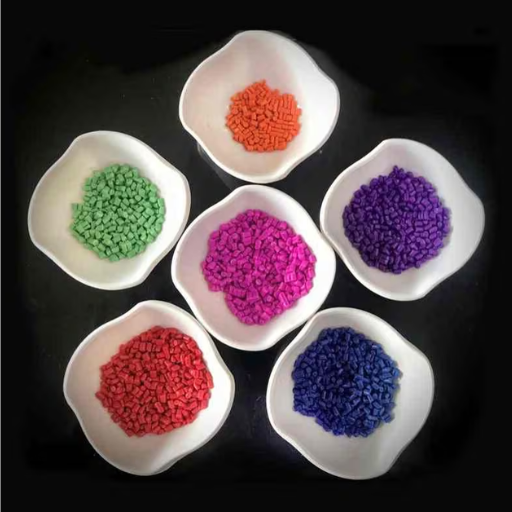
A supplier quoting $200 per ton below market rate is not doing you a favor. They are sending you a warning.
In 2026, the EU Packaging and Packaging Waste Regulation mandates 10-35% minimum recycled content in plastic packaging by 2030. California, Colorado, and Maine have tightened Extended Producer Responsibility laws.
Demand for certified feedstock is surging faster than reclamation capacity can expand.
That supply squeeze pushes some buyers toward unvetted intermediaries. The result is predictable.
Inconsistent Melt Flow Index values cause injection molding defects. Undeclared contamination damages extrusion screws.
Missing Global Recycled Standard documentation voids brand sustainability claims. It exposes your company to regulatory penalties.
The hidden costs extend beyond scrap material. Downtime, rework, customer complaints, and rush shipping for replacement resin compound quickly. A supplier who delivers reliable batch-to-batch consistency at a fair price protects more than your material budget. They protect your production schedule. For a deeper look at total cost of ownership, see our virgin vs recycled plastic pellets comparison.
Types of Recycled Plastic Pellet Suppliers
Not every recycled plastic pellets supplier operates the same way. Understanding the four main supplier archetypes helps you match your volume, quality requirements, and risk tolerance to the right partner.
Integrated Global Recyclers
Companies like Indorama Ventures, Veolia, and Alpek operate at massive scale across multiple continents. They own collection, sorting, washing, and pelletizing infrastructure. Their strengths are volume, geographic redundancy, and standardized grades. If you need 500 tons per month of food-grade rPET under a three-year contract, these are your partners.
The trade-off is flexibility. Custom colors, small trial batches, and rapid formulation adjustments are harder to negotiate. Lead times can stretch during global demand spikes because their capacity is booked by large brands with offtake agreements.
Regional Specialists
KW Plastics in North America, Biffa in the United Kingdom, and Envision Plastics in the United States focus on specific resins and regional markets. They often run proprietary cleaning and sorting systems that produce higher-purity pellets than generic reclaimers. Their response times are faster, and they are more willing to customize.
These suppliers suit medium-volume buyers who need application-specific quality. A pipe extruder in Alabama benefits more from KW Plastics’ deep HDPE expertise than from a global reclaimer’s standardized offering. If you need help matching resin types to applications, review the types of recycled plastic pellets we stock.
Trading Houses and Brokers
Brokers offer broad access to multiple sources without owning production equipment. They fill supply gaps, handle spot purchases, and sometimes bridge MOQ barriers for smaller manufacturers.
The risk is opacity. Brokers rarely control quality testing. Traceability documentation can be incomplete or secondhand. If your application requires GRS certification or FDA approval, verify that the broker can provide original certificates tied to your specific lot, not general reference copies.
Equipment-Linked Suppliers
Some extruder and pelletizing equipment manufacturers also sell recycled pellets. Their material knowledge is genuine, but their primary business is machinery. Evaluate their pellet quality the same way you would evaluate any other supplier. Do not let equipment loyalty override independent lab testing.
What to Look for in a Recycled Plastic Pellets Supplier
This section is the core of your evaluation. Use it as a framework for every supplier conversation, audit, and trial batch.
Certifications and Compliance
Start with the documents. A legitimate supplier maintains current certifications and provides copies without hesitation.
- ISO 9001 confirms quality management systems.
- ISO 14001 confirms environmental management commitment.
- GRS (Global Recycled Standard) verifies recycled content percentage and chain of custody.
- FDA / EFSA approval is mandatory for food-contact and food-packaging applications.
- REACH / RoHS compliance protects you if you export to the European Union or supply electronics markets.
- GreenCircle Certified offers third-party verification of recycled content claims.
When Marcus Ortiz, a sourcing lead at a Barcelona cosmetics packaging firm, evaluated three rPET suppliers in January 2026, only one provided GRS transaction certificates for every lot. The other two offered blanket corporate certificates that did not trace to specific batches. Marcus selected the traceable supplier. Six months later, when a retail auditor requested lot-level documentation, his company passed without issue. The competitors who chose the cheaper, non-traceable options faced supply chain suspension and reformulation costs.
Quality Assurance Protocols
Certificates prove systems. Lab data proves pellets. Request the following for every trial batch and every production lot:
- Technical Data Sheet (TDS) with Melt Flow Index tolerance ranges compatible with your process
- Moisture content limits and recommended drying parameters
- Contamination controls: optical sorting, NIR spectroscopy, or melt filtration specifications
- Batch-to-batch consistency records showing variance across at least the last six months
- Mechanical property data: tensile strength, impact resistance, and flexural modulus
Run a small trial batch in your actual production equipment before committing to volume. Simulation data from the supplier is useful. Your actual process temperature, screw speed, and mold design reveal realities that no datasheet captures. For process-specific guidance, read our guide to recycled plastic pellets for injection molding.
Supply Chain Capacity and Reliability
Verify that the supplier’s monthly output exceeds your peak demand by at least 20%. Ask about safety stock policies, inventory management systems, and facility geographic distribution. A supplier with plants on both coasts of a country survives regional weather events and port strikes better than a single-facility operation.
Review on-time delivery metrics for the last four quarters. If the supplier cannot provide them, that is a data point in itself.
Technical Support and Customization
The best recycled plastic pellets suppliers act as material partners, not just vendors. They should offer guidance on processing temperatures, mold design adjustments, and defect prevention. Confirm that a technical contact responds to inquiries within 24 hours. Ask whether they can adjust color, additives, or virgin-to-recycled blend ratios to match your specifications.
Transparency and Traceability
Demand clear documentation of post-consumer recycled versus post-industrial recycled percentages. Ask for feedstock sourcing summaries and third-party audit reports. Suppliers committed to the circular economy provide carbon footprint data and waste diversion reporting. Those who deflect these requests are signaling that transparency is not a priority.
Top Recycled Plastic Pellet Suppliers by Region
The following overview maps established recycled plastic pellets suppliers by geography. Use it as a starting point, not a final recommendation. Every supplier relationship requires independent verification.
North America
- KW Plastics (Troy, Alabama): World’s largest recycler of HDPE and PP. Proprietary 8-tank cleaning system. GreenCircle Certified. Best for high-volume non-food and food-grade HDPE applications.
- Envision Plastics (Reidsville, NC; Chino, CA): Post-consumer HDPE specialist with FDA-compliant products. Bicoastal presence reduces logistics risk. Strong in custom colors and flexible production runs.
- Plastipak Holdings (Plymouth, MI): Food-grade rPET leader with over 150,000 tons per year of European recycling capacity. Closed-loop recycling pioneer.
- Verdeo (Terre Haute, IN; Piedmont, SC): rPET pellet innovation partner. Suitable for brands needing technical collaboration on bottle-to-bottle recycling.
For a full directory of North American PET reclaimers, the NAPCOR reclaimers list is an authoritative resource.
Europe
- Veolia (Paris; global operations): Closed-loop systems with rigorous testing. New UK plant processes approximately 80,000 tonnes per year. Strong sustainability reporting.
- Biffa (Seaham and Sherburn, UK): Food-grade rPET specialist with advanced cleaning infrastructure. UK market leader for closed-loop partnerships.
- Vanden Recycling (Huntingdon, UK; Hong Kong): Flexible sourcing across PET, PP, and HDPE. Rapid response and strong traceability documentation.
Asia-Pacific
- Indorama Ventures (Bangkok; global): 350,000+ tonnes per year of rPET capacity. Integrated mechanical and chemical recycling. Ideal for large-volume, long-term contracts.
- Julier (Xiamen) Technology (Xiamen, China): Recycled PP, ABS, and PA66 pellets with automotive and electronics grade consistency. RoHS and REACH compliance. Batch traceability available.
- Trinh Nghien JSC (Nam Dinh, Vietnam): PP, PE, LDPE, and HDPE pellets for export markets. Cost-competitive with growing capacity.
| Region | Supplier | Core Resin | Key Certification | Estimated Capacity Focus |
|---|---|---|---|---|
| North America | KW Plastics | HDPE, PP | GreenCircle Certified | High volume |
| North America | Envision Plastics | HDPE (PCR) | FDA-compliant | Flexible runs |
| Europe | Veolia | rPET, mixed | ISO 14001 | 80,000 t/yr UK |
| Europe | Biffa | rPET (food-grade) | Food-grade approval | UK market leader |
| Asia-Pacific | Indorama Ventures | rPET | GRS, ISO 9001 | 350,000+ t/yr |
| Asia-Pacific | Julier (Xiamen) | PP, ABS, PA66 | RoHS, REACH | Automotive grades |
2026 Price Benchmarks: What to Expect
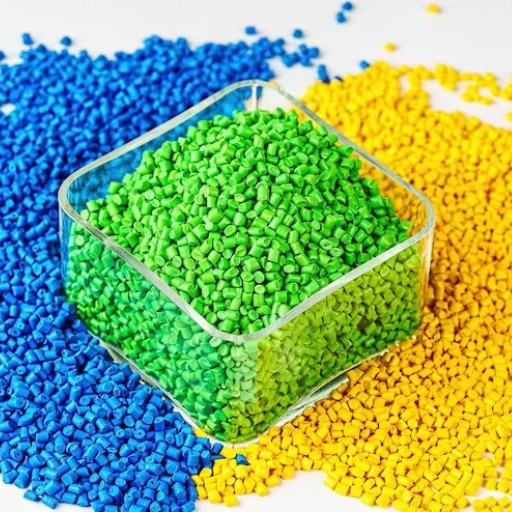
Pricing for recycled plastic pellets varies by resin type, certification grade, volume commitment, and geographic origin. The following ranges reflect 2026 market conditions for bulk industrial orders, based on current market analysis.
- rPET: $800-1,200 per ton (standard industrial); $1,400-1,800 per ton (food-grade)
- rHDPE: $800-1,100 per ton (non-food); $1,800-2,200 per ton (food-grade)
- rPP: $700-1,000 per ton (injection molding grade)
- rABS / engineered recycled grades: $1,200-1,800 per ton (limited supply, higher variance)
Food-contact certification adds a 50-100% premium. Custom color matching, additive packages, and virgin-resin blending increase costs by 10-25%. Volume commitments of 100+ tons per quarter typically unlock 5-15% discounts.
Buyers in a strong negotiating position in 2026 are those willing to sign 12- to 24-month contracts. Suppliers prefer locked-in volumes to fund capacity expansion, and they will trade price stability for commitment.
Ready to evaluate suppliers? Request TDS and certification copies from every candidate before you discuss volume discounts. Documentation separates serious reclaimers from intermediaries.
Red Flags: Warning Signs of an Unreliable Supplier
Some warning signs appear during the first phone call. Others surface during audit. Watch for these signals from recycled plastic pellets suppliers:
- Vague certification claims. A legitimate supplier emails certificate copies within hours. A broker forwards blurry screenshots or corporate summaries that do not reference specific lots.
- Refusal to provide samples. Any supplier confident in their material will send a 25-kilogram trial bag. Resistance here is a disqualifier.
- No fixed production address. Virtual offices and freight-forwarder addresses suggest a trading operation with no quality control oversight.
- Pricing 30% below market without justification. This usually indicates blended adulterated material, skipped washing stages, or misrepresented recycled content.
- Inconsistent communication. Delayed technical responses suggest the supplier lacks in-house engineering support. You will need that support when your process deviates from nominal.
- Missing TDS or lab reports. If the supplier cannot provide recent test data, they are not testing. You are buying blind.
When Recycled Pellets Aren’t the Right Choice
Recycled feedstock serves many applications exceptionally well. But it is not universal. There are boundaries where batch-to-batch variance, even within specification, creates unacceptable risk.
Medical device primary components require biocompatibility and sterilization consistency that recycled lots struggle to guarantee. Aerospace structural parts demand exact tensile strength and thermal stability verified to AS9100 standards. Automotive under-hood components face extreme heat and chemical exposure. Electronics housings need strict dimensional stability and flame retardancy.
When Dr. Elena Vasquez, a materials engineer at a German aerospace subcontractor, evaluated feedstock for a new ducting component, recycled PPS seemed viable on paper. The datasheet matched requirements. The trial batch passed initial screening.
But the second batch showed a 4% variance in flexural modulus. That variance fell within the supplier’s stated tolerance. It fell outside the aerospace client’s zero-defect protocol.
Elena switched to virgin PPS resin with full lot traceability and sub-batch testing. The component passed qualification. The program stayed on schedule.
For applications where consistency is non-negotiable, virgin engineering resins remain the safer choice. Suzhou Yifuhui supplies premium-grade polycarbonate, PA66, PEI, PPS, and PFA resins with full batch traceability and sub-batch testing documentation. These materials are engineered for automotive, electronics, medical, and aerospace specifications where recycled feedstock variance introduces unacceptable risk.
Step-by-Step Supplier Evaluation Checklist
Use this checklist for every new recycled plastic pellets supplier and every annual requalification.
- Request TDS and recent lab reports. Verify MFI, moisture content, and contamination limits against your process requirements.
- Confirm certifications. Demand copies of ISO 9001, GRS, FDA, and REACH as applicable. Check expiration dates.
- Audit traceability. Ask for PCR versus PIR percentages and feedstock sourcing documentation.
- Test before scaling. Run a small trial batch in your production line. Measure output quality, cycle time, and defect rates.
- Verify capacity. Ensure monthly output exceeds your peak demand by at least 20%.
- Check references. Speak with two current customers in your industry.
- Review contract terms. Specify QA clauses, acceptance criteria, and dispute resolution procedures.
- Assess technical support. Confirm access to processing guidance and responsive engineering contact.
Conclusion
Selecting the right recycled plastic pellets supplier in 2026 requires more than comparing price lists. It demands a systematic evaluation of certifications, quality protocols, capacity, and transparency. The suppliers who thrive in this market are those who treat batch consistency as an engineering requirement, not a marketing claim.
Use the checklist in this guide for every new supplier conversation. Demand documentation. Run trial batches. Never let price override verification. The feedstock you choose directly impacts your production line, your regulatory compliance, and your customer relationships.
If your application requires engineering-grade precision that recycled pellets cannot deliver, contact our team to discuss our range of virgin engineering resins. We provide polycarbonate, PA66, PEI, PPS, and PFA materials with full technical documentation and batch traceability for automotive, electronics, medical, and aerospace applications. Request a custom quote and technical data sheet today.