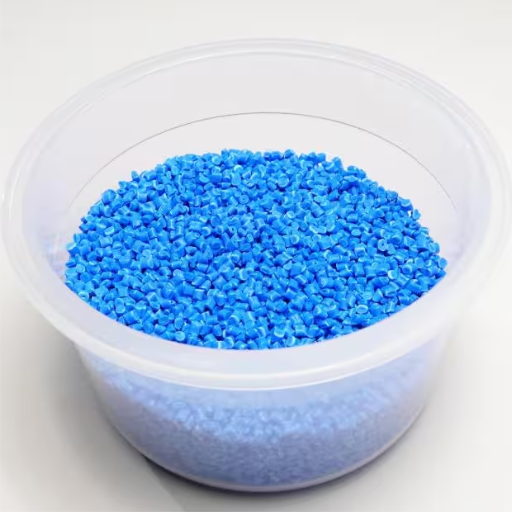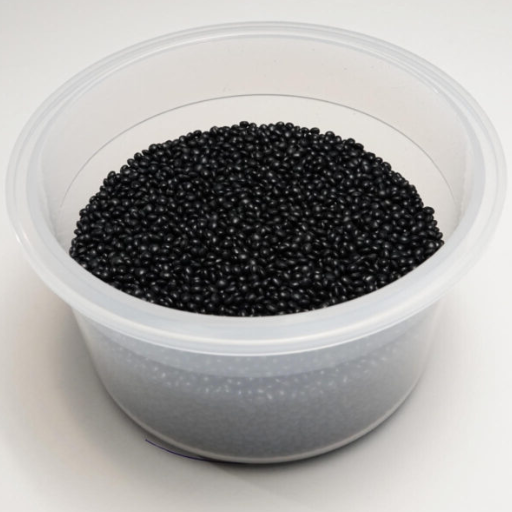
A batch of cloudy preforms sits on the shop floor, and nobody can explain why. The PET pellets were certified, the price was right, and the process settings matched last month exactly. But the intrinsic viscosity dropped by 0.04, the bottle walls thinned, and the shipment missed its deadline anyway. That scene repeats in factories all over the world, and it almost never comes down to the pellet price. It comes down to what the supplier never told you about moisture, grade, and batch consistency.
PET pellets look identical in a sealed bag. They are not. Two grades with the same price can behave completely differently in your drying hopper, your injection barrel, and your finished part. Understanding those differences is what separates a reliable production run from a costly rework cycle.
This guide explains what you need to know before buying PET pellets: how grades differ by intrinsic viscosity, why drying is non-negotiable, how acetaldehyde affects beverage taste, where 2026 prices stand, and how to vet a supplier before your line depends on them. For a broader overview of raw materials, see our complete guide to plastic pellets.
What Are PET Pellets?
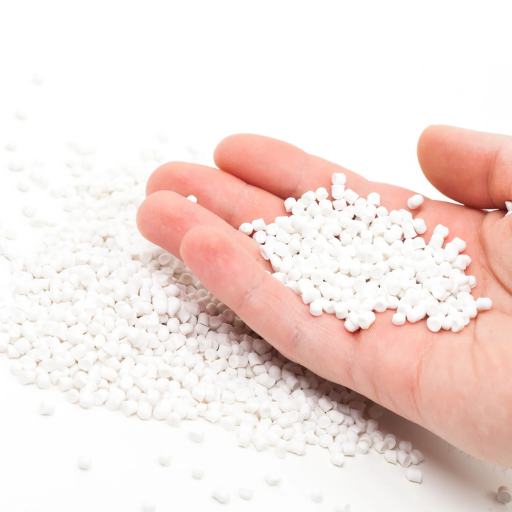
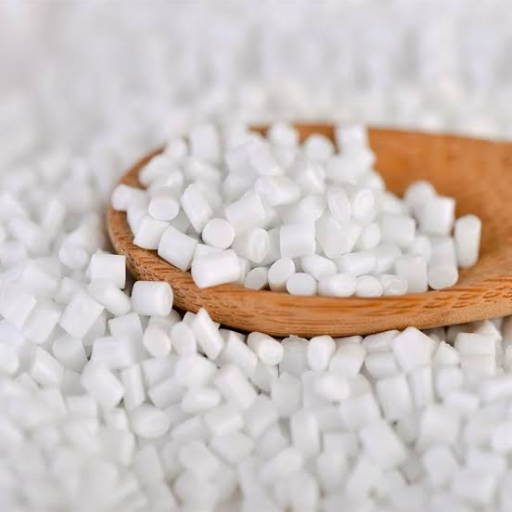
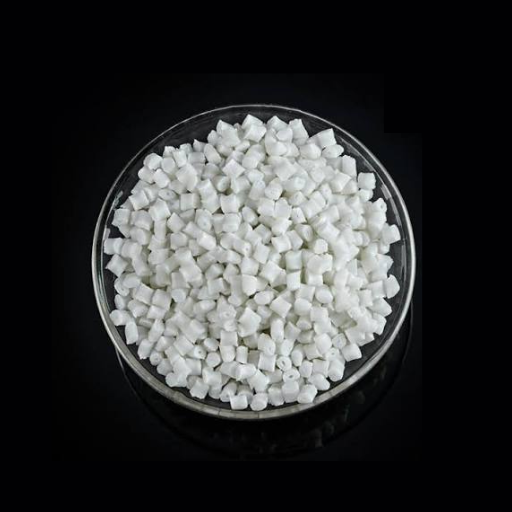
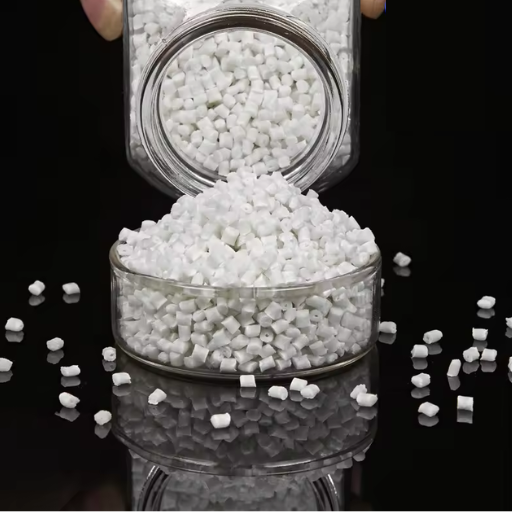
PET pellets are small cylindrical granules of polyethylene terephthalate, a thermoplastic polyester produced by reacting purified terephthalic acid with monoethylene glycol. The polymer is melted, extruded into strands, and cut into uniform pellets that serve as the feedstock for bottles, fibers, films, thermoformed trays, and injection-molded parts.
PET carries recycling code #1 and is the most recycled plastic on the planet. It is strong, transparent, and an excellent barrier against oxygen and carbon dioxide, which is why beverage brands trust it for water, soft drinks, and juice containers. In pellet form, the material feeds predictably through conveying systems, doses accurately, and melts consistently, so the properties you design around stay stable batch after batch.
In China, the world’s largest PET production base, buyers call the same material PET chips or slices. The term “PET pellets” and “PET chips” are interchangeable; you will see both on supplier quotes and datasheets. What matters more than the name is the grade, and grade starts with intrinsic viscosity.
Why PET Is Different From Other Pellets
Unlike polypropylene or HDPE, PET absorbs moisture from the air aggressively. A bag of PET pellets left open overnight can pick up enough water to ruin a production run. That hygroscopic behavior, more than any other factor, drives how PET is processed and why it deserves its own sourcing discipline. Our guide to plastic pellets for injection molding covers how this fits into a general molding workflow.
PET Pellet Grades by Intrinsic Viscosity
The single most important specification on any PET pellet datasheet is intrinsic viscosity, usually shortened to IV. IV measures the length of the polymer chains. Higher IV means longer chains, more melt strength, and stronger mechanical properties. Lower IV flows more easily but carries less strength.
Grade selection is the first decision you make, and it is the most expensive one to get wrong. Use a fiber-grade PET on a fiber line and it performs beautifully. Use it on a bottle line and the preforms crack under internal pressure.
The table below maps IV ranges to their typical applications, using the rule of thumb that guides most polymer engineers.
| Grade | IV Range (dL/g) | Primary Applications |
|---|---|---|
| Fiber / Textile grade | 0.60-0.70 | Polyester staple fiber, filament yarn, nonwovens, geotextiles |
| Sheet grade (APET/CPET) | 0.76-0.84 | Thermoformed trays, clamshells, blister packaging |
| Bottle grade | 0.78-0.82 after SSP | Stretch blow molding for beverage and food containers |
| Strapping grade | 0.80-1.00 | Industrial strapping, monofilament, heavy-duty twine |
| Engineering compounds | 0.70-0.85 base | Glass-reinforced and flame-retardant molded parts |
Fiber / Textile Grade PET
Fiber grade PET runs at the lowest IV, roughly 0.60 to 0.70 dL/g. That might sound like a downgrade, but it is the right material for the job. Fiber spinning orients the polymer chains mechanically, so the process builds in the strength that a lower molecular weight cannot supply. Running higher-IV bottle grade on a fiber line creates excessive die pressure, clogging, and filament breakage. If you make polyester staple fiber, filament yarn, or nonwoven fabric, specify fiber grade and stop paying for viscosity you cannot use.
Bottle Grade PET
Bottle grade is the premium grade, typically 0.78 to 0.82 dL/g after solid-state polymerization. The extra viscosity gives preforms the melt strength to hold their shape during stretch blow molding and resist the internal pressure of carbonated drinks. For water and other still beverages, lower-IV bottle grades around 0.72 to 0.78 dL/g process at lower temperatures and produce less acetaldehyde. For carbonated soft drinks and hot-fill applications, you want the higher end of the range.
Sheet Grade PET
Sheet grade PET, at 0.76 to 0.84 dL/g, serves thermoformed packaging. Amorphous PET, or APET, is clear and flexible, perfect for produce clamshells and deli containers. Crystallized PET, or CPET, withstands oven temperatures and goes into frozen meal trays. Precise IV control keeps the sheet from tearing during deep draws and keeps clarity consistent across the roll.
Engineering and Compounded PET Grades
Beyond packaging, PET is compounded with glass fiber and flame retardants for molded engineering parts. Glass-reinforced PET at 30 to 45% loading delivers high stiffness and dimensional stability for automotive components, electrical housings, and gears. Flame-retardant grades reach UL94 V-0 ratings for electronics enclosures. PETG, a glycol-modified variant, adds impact resistance and is a popular 3D printing filament, which you may recognize as the clear, tough spool material.
Not sure which grade matches your part? Our engineers review application requirements and process parameters to recommend the exact PET grade you need. Contact our team for a free material consultation.
Key Properties of PET Pellets
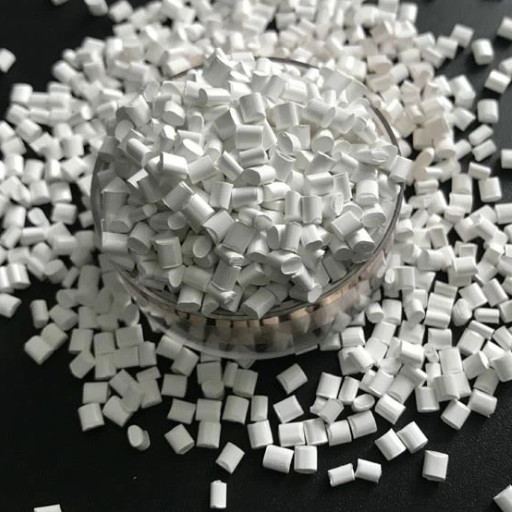
Understanding the property set helps you evaluate datasheets with a critical eye. The table below summarizes what matters most.
| Property | Typical PET Value | Why It Matters |
|---|---|---|
| Density | 1.32-1.40 g/cm³ | Higher than PE/PP; affects part weight and cost per part |
| Melting point | 243-256°C | Sets processing temperature ceiling |
| Glass transition (Tg) | 65-81°C | Determines service temperature and hot-fill limits |
| Intrinsic viscosity | 0.60-1.00 dL/g by grade | Controls melt strength and mechanical properties |
| Moisture sensitivity | Hygroscopic, must dry to <50 ppm | Prevents hydrolytic degradation during processing |
| Acetaldehyde (AA) | <1-3 ppm for beverage grades | Prevents off-taste in water and drinks |
| Barrier properties | Excellent vs. O2 and CO2 | Protects beverage freshness and shelf life |
| Chemical resistance | Good vs. weak acids and solvents | Suits food, household, and industrial contact |
Moisture Sensitivity: The Critical Property
PET is hygroscopic. Raw pellets typically contain 0.1 to 0.3% moisture, or 1,000 to 3,000 parts per million, after shipping and storage. That water has to come out before the pellet touches the screw. At melt temperatures, residual moisture causes hydrolytic degradation, a reaction that chops the polymer chains and drops IV. The effect is severe. Hydrolytic degradation has roughly 5,000 times the impact of oxidative degradation and 10,000 times the impact of thermal degradation on IV loss.
In practical terms, that means a poorly dried batch turns into thinner bottle walls, cloudy preforms, reduced strength, and discoloration. No amount of expensive resin fixes a drying failure.
Acetaldehyde and Taste
Acetaldehyde, or AA, is a volatile byproduct that forms when PET is heated. In beverages, even a few parts per million create a noticeable off-taste. Bottled water is the most sensitive application, with taste thresholds around 10 to 20 parts per billion in the finished water. Beverage-grade PET must hold pellet AA below 1 ppm for water and below 3 ppm for carbonated drinks, and the preform must stay within AA limits after injection. This is why beverage bottlers specify low-AA resins and control every heating step.
Color and Contamination
Clear virgin PET holds a lightness value, L*, above 85. Color specs matter for cosmetic packaging and any application where clarity sells the product. Contamination, whether PVC, aluminum, or other polymers, shows up as specks, haze, or weak spots. Buyers should verify that their supplier screens contamination and documents color values on every batch. For a deeper look at the recycled side of this picture, see our rPET pellets guide.
How to Dry PET Pellets Before Processing
Drying is the single most important step in PET processing, and it is where most production problems are born. The target is simple: get residual moisture below 50 parts per million, ideally 30 to 40 ppm, before the pellet enters the barrel.
The standard protocol across PET processors looks like this:
- Air temperature: 150 to 170°C, with preform dryers often set to 165 to 175°C
- Residence time: 4 to 6 hours, avoiding the 7 to 8 hour mark where over-drying begins
- Dew point: minus 40°C or lower at the hopper inlet, with an alarm at minus 30°C
- Airflow: at least 2.0 cubic meters per hour per kilogram of material
- Residual moisture: 50 ppm or less after drying
The IV-Moisture-AA Balancing Act
Drying involves three competing goals. Temperature is the fastest lever, but too much heat spikes acetaldehyde and yellows the resin. Residence time must be long enough to dry the pellet core, but extra hours at temperature raise AA and reduce IV. Dew point is the most powerful quality dial; a consistently low dew point lets you use milder heat and shorter time while still removing moisture. The winning approach is not extreme settings. It is a very low dew point with the gentlest time and temperature that reach the moisture target.
Here is what happens when you get it wrong. When Marcus started a preform line for a regional water brand in March 2026, he trusted his dryer supplier’s settings without verifying the dew point. The hopper was pulling minus 15°C instead of the required minus 40°C. Pellets discharged at 60 ppm moisture instead of 40. Within two shifts, preforms showed clouding and IV had dropped by 0.03 dL/g. A reset of the dryer, a new desiccant bed, and a dew point sensor turned the line around. The lesson cost him a week of rejected preforms and a customer meeting he did not enjoy.
Over-Drying Is Also a Problem
Under-drying ruins batches, but over-drying has its own cost. Leaving PET in the dryer for 7 to 8 hours or more at full temperature linearly increases acetaldehyde and slowly reduces IV. The solution is to match dryer throughput to line demand so material is not sitting idle at temperature. If a line stops for an extended break, reduce the drying temperature rather than letting the hopper bake.
Processing PET Pellets
Once dried, PET processes through several routes depending on the final product.
Injection Molding and Preforms
Preforms are the test-tube-shaped intermediates that become bottles. Dried pellets are melted, injected into a precision preform mold, and cooled before the mouth and threads are fully formed. Melt temperatures typically run 270 to 290°C. IV loss across the injection step should stay at or below 0.02 dL/g, which is why processors monitor both pellet IV and part IV. Glass-reinforced and flame-retardant PET compounds follow the same fundamentals with adjusted profiles.
Stretch Blow Molding
Preforms are reheated and stretch-blow molded into final bottle shapes, either in a one-step process on a single machine or in a two-stage setup where preforms are made separately and blown later. Higher-IV resins provide the melt strength that prevents thinning and blow-outs, especially in carbonated and hot-fill bottles.
Sheet Extrusion and Thermoforming
Sheet grade PET is extruded into amorphous APET sheet or crystallized CPET sheet, then thermoformed into trays and clamshells. Precise IV control prevents tearing at sharp corners and keeps clarity uniform. CPET requires a crystallizable grade that can survive the oven temperatures used in the final cooking application.
Fiber Spinning and Film Extrusion
Fiber lines melt fiber-grade PET and spin it into staple fiber or filament yarn for textiles, automotive interiors, and industrial fabrics. Biaxially oriented PET film, or BOPET, is stretched in two directions for food packaging, electronics insulation, and printing substrates. Each route has its own temperature profile, but all of them begin with a properly dried pellet.
PET Pellet Applications Across Industries
PET’s versatility is the reason it supports such a large market. Packaging dominates, but the material reaches well beyond bottles.
Beverage and Food Packaging
Packaging accounts for roughly 75% of global PET demand, with beverage bottles at about 60% and trays and films at about 15%. Water, soft drinks, juices, edible oils, and sauces all rely on PET’s clarity, barrier properties, and recyclability. The global PET market reached about $45 billion in 2026 and is projected to grow to roughly $66 billion by 2032.
Textiles and Fibers
Polyester fiber represents about 15% of PET demand, and the PET fiber market was worth about $28 billion in 2026. Staple fiber goes into apparel, home textiles, and nonwovens. Filament yarn serves technical applications like seatbelts, airbags, and geotextiles, where PET fibers must fail below 1 ppm of defects.
Automotive
PET appears throughout vehicles, from interior trim and seat covers to structural thermoformed parts. Polyester fibers in airbags and seatbelts demand tight IV control and consistent quality, a segment growing at roughly 7.6% annually. Lightweighting pressure continues to push PET into parts that once used heavier materials.
Medical and Pharmaceutical
Medical applications include blister films, trays, and ISO 13485-compliant thermoformed packaging. Virgin PET remains the preferred choice in pharmaceutical packaging where safety is non-negotiable, and converters are shifting toward mono-PET structures as EU recycling rules tighten.
Films and Electrical
BOPET film insulates electronics, wraps food, and serves as a printing substrate. Flame-retardant PET compounds protect electrical housings and bobbins. In each case, buyers choose PET for the balance of clarity, strength, barrier, and cost that few other resins match.
When you compare PET to other container materials, polypropylene offers a different trade-off of clarity, heat resistance, and cost; our polypropylene pellets guide walks through it. For transparent, high-heat engineering parts, polycarbonate pellets are the reference material.
Virgin PET Pellets vs. Recycled PET Pellets
Sustainability mandates have pushed recycled PET, or rPET, into the mainstream, and the two materials now sit side by side in most sourcing decisions.
Performance Comparison
Properly processed rPET retains 85 to 95% of virgin PET’s tensile strength. The practical differences are IV ceiling, color, and contamination. Recycled PET typically maxes out near 0.84 dL/g without solid-state polymerization, while virgin reaches higher. Clear rPET holds an L* of 70 to 82 versus above 85 for virgin, so the color difference matters in cosmetic and premium packaging. Trace contaminants from feedstock require screening that virgin never needs.
Cost Comparison
rPET generally trades 10 to 30% below virgin PET for comparable grades. Certified food-grade rPET is the exception: the super-clean processing required to meet FDA and EFSA standards can push its price to match or exceed virgin. The right choice depends on your application, your regulatory requirements, your color tolerance, and your budget. Our rPET pellets guide covers the recycled option in depth, including intrinsic viscosity by grade, drying requirements, and quality verification.
PET Pellet Pricing and Market Outlook (2026)
PET pricing moves with crude oil, feedstock costs, and regional supply. As of 2026, bottle-grade PET in China traded around $0.95 to $1.05 per kilogram, with FOB export prices near $1,000 to $1,015 per ton. North American prices ran roughly $1.16 to $1.48 per kilogram, and Europe saw the highest prices at about $1.43 to $1.67 per kilogram. The global average sat near $1,200 to $1,350 per ton in early 2026.
Fiber-grade chips consistently trade below bottle grade, roughly 0.85to0.85to1.05 per kilogram globally, and in China the gap between fiber and bottle chips runs about 400 to 500 yuan per ton. Prices moved upward across all major regions in the second quarter of 2026 on seasonal beverage demand and higher feedstock costs. For real-time regional data, IMARC Group tracks PET resin prices with ongoing updates.
Several forces will shape pricing through the rest of the year. EU rules require at least 25% recycled content in PET beverage bottles by 2025 and 30% by 2030, which is pulling rPET demand sharply higher. China’s massive production base keeps virgin supply plentiful, narrowing the gap between virgin and recycled prices. Buyers who lock in specifications and volume now are better positioned than those shopping purely on spot price.
Ready to source PET pellets with guaranteed batch quality? Contact our engineering team for a material recommendation, or request a custom quote based on your volume and specifications. We respond to all inquiries within 24 hours.
Food-Grade and Regulatory Compliance
Food-contact PET is tightly regulated, and the compliance chain is part of what buyers pay for.
FDA and EU Rules
In the United States, food-contact PET falls under FDA 21 CFR 177.1630. In the European Union, the relevant regulation is EU 10/2011. These rules govern what can contact food and how. When a supplier claims food-grade material, ask for the specific compliance documentation rather than accepting the label at face value.
Solid-State Polymerization (SSP)
SSP is the process that builds bottle-grade IV and removes acetaldehyde from the resin. It heats polymer chips in a vacuum or inert gas stream for hours, raising IV by 0.02 to 0.20 dL/g and driving free acetaldehyde below 1 ppm. If your application needs the strength of high-IV PET or the low AA of beverage material, confirm that SSP was part of the production path. It is also the step that separates food-grade rPET, which requires super-clean, challenge-tested recycling processes approved by the FDA or EFSA.
Recycled-Content Mandates
Beyond food contact, sustainability regulation is reshaping what buyers specify. EU packaging rules, REACH compliance, and brand commitments to recycled content all affect material selection. For a focused explanation of the recycled compliance landscape, the recycled plastic pellet regulations section of our rPET guide is a useful companion to this article.
How to Evaluate a PET Pellet Supplier
The pellet price is one line on the invoice. The total cost is what the material does to your process. A supplier who cannot document batch quality will cost you more in rejects and downtime than any per-kilogram savings.
Certificate of Analysis (COA)
Every shipment should arrive with a COA that documents pallet-level IV, moisture, color, and ash. Pallet-level data matters because a lot average can hide a bad pallet. A ±0.04 dL/g IV swing between pallets can cause preform cracking and production failures. Insist on pallet-level documentation, not just a single lot certificate.
Quality Questions to Ask
- What is the IV tolerance on this grade? (You want ±0.02 dL/g or better.)
- What was the moisture content at packing, and what is the target at delivery?
- Is the material crystalline enough to dry without sticking?
- What acetaldehyde level does the datasheet specify?
- Can you provide chain-of-custody documentation?
- What contamination screening is performed, and how is it reported?
Red Flags When Sourcing PET Pellets
Walk away from a supplier who cannot provide a COA, refuses to state an IV tolerance, or offers food-grade material without documented super-clean processing. The same goes for anyone quoting dramatically below the regional market rate. Cheap pellets that arrive inconsistent cost far more than they save.
Logistics, MOQ, and Packaging
Confirm minimum order quantities, lead times, and packaging before ordering. PET pellets must be stored dry and shipped in moisture-barrier bags or gaylord containers. Verify that the supplier understands this, because a shipment that arrives wet starts your line at a disadvantage.
PET Pellets FAQ
What are PET pellets used for?
PET pellets are the raw material for beverage bottles, food trays, polyester fibers, films, and injection-molded parts. Packaging dominates at about 75% of demand, with textiles and fibers next.
What is the difference between bottle grade and fiber grade PET?
Bottle grade runs higher intrinsic viscosity, around 0.78 to 0.82 dL/g, for melt strength in blow molding. Fiber grade runs 0.60 to 0.70 dL/g because spinning orients the polymer chains mechanically.
Do PET pellets need to be dried before molding?
Yes, without exception. PET is hygroscopic and must be dried to below 50 ppm moisture, typically at 150 to 170°C for 4 to 6 hours with a dew point of minus 40°C or lower.
Is PET food safe?
Virgin PET is approved for food contact under FDA 21 CFR 177.1630 and EU 10/2011. Food-grade rPET requires certified super-clean recycling processes.
What is the price of PET pellets per kg in 2026?
Bottle-grade PET ranged from about $0.95 per kilogram in China to $1.67 per kilogram in Europe in 2026. Fiber grade ran lower, around $0.85 to $1.05 per kilogram.
Can PET pellets be recycled?
Yes. PET carries recycling code #1 and is the most recycled plastic. Bottle-to-bottle recycling is well established, and EU rules now require 25% recycled content in PET beverage bottles, rising to 30% by 2030.
Conclusion
PET pellets are the foundation of a massive range of products, and they reward buyers who treat them as a specification rather than a commodity. Five takeaways will serve you well.
First, match IV to your application. Fiber grade runs 0.60 to 0.70, sheet 0.76 to 0.84, and bottle grade 0.78 to 0.82 after SSP. Second, drying is non-negotiable: get residual moisture below 50 ppm with the right temperature, time, and dew point. Third, beverage quality runs on acetaldehyde control, so verify AA specs before you trust a shipment. Fourth, virgin and recycled PET both work, but the choice is a real trade-off across performance, color, compliance, and cost. Fifth, evaluate suppliers on pallet-level COA data and IV tolerance, not on price alone.
At Suzhou Yifuhui, we supply plastic pellets with batch-tested consistency, competitive transparent pricing, and engineering support to help you match the right grade to your application. We carry a wide range of materials across the plastic pellet family, and our team works closely with partners across the PET supply chain. If you are comparing virgin and recycled options, start with our rPET pellets guide to see both sides of the picture.
Ready to source PET pellets with confidence? Contact our engineering team for a material recommendation, or request a custom quote based on your volume and specifications. We respond to all inquiries within 24 hours.