Choosing polypropylene when polyamide is required results in higher warranty claims. Choosing polycarbonate when polystyrene could suffice results in higher unit costs. It is in the gray area between engineering plastics and commodity plastics that material specifications become problematic. If you have ever found yourself staring at a bill of materials and wondering if a $1.20/kg resin would stand up to the abuse or if a $4.50/kg engineering grade was too much, this guide is for you.
We will describe the differences between the two families of resins, and how they stack up against each other on the criteria that really matter. By the end, you will not only be able to choose the right material every time but know when it is time to move to a high-performance material. You will learn the additional cost considerations that come with switching. Both types of materials ship out of Suzhou Yifuhui every week. From polypropylene to PEI, PFA, and beyond, our catalog is as extensive as our experience in selling to the manufacturing industry. The trade-offs outlined below are based on firsthand knowledge.
What Are Commodity Plastics?
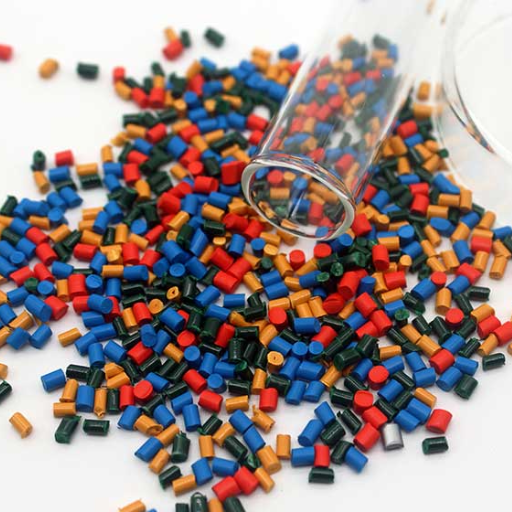
Commodity plastics are low-cost, high-volume thermoplastics produced in millions of tons each year. The five core families are polyethylene (HDPE, LDPE), polypropylene (PP), polystyrene (PS), polyvinyl chloride (PVC), and polyethylene terephthalate (PET). They make up roughly 80% of all plastic produced globally, according to Plastics Europe.
The costs of these materials vary between $1.00 and $1.80 per kilogram in 2026 spot markets. They mold easily on conventional injection molding and extrusion systems. They seldom require drying and have wide melt temperature tolerances. The downside lies in their performance, with heat deflection temperatures ranging from 50°C to 90°C. Tensile strengths range between 10 and 40 MPa.
Commodity polymers can be found in applications such as film wraps, beverage containers, plumbing pipes, domestic appliances, garden chairs, and single-use consumer goods. They are ideal for applications that operate under ambient conditions, moderate stress levels, and require high volume manufacturing at the lowest possible costs.
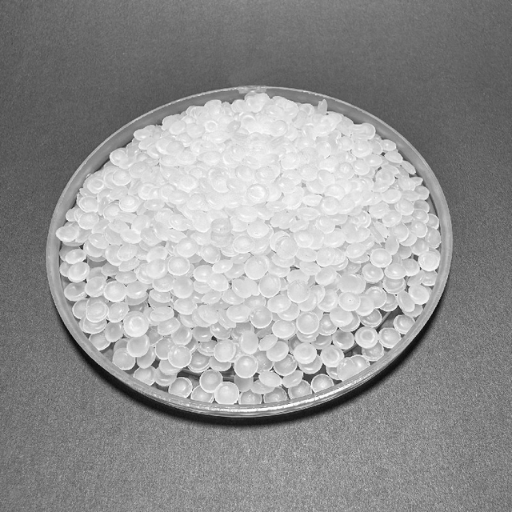
Browse our plastic pellets catalog to see the commodity grades we keep in stock for injection molders and extruders.
What Are Engineering Plastics?
Engineered Thermoplastics are mid-range volume materials that have been created for use as replacements for metals in structural and high-temperature environments. The main five families include ABS (acrylonitrile butadiene styrene), Polycarbonate (PC), Polyamide (PA6 and PA66 referred to commonly as nylon 6 and nylon 6/6), Polyacetal (POM) and Polybutylene terephthalate (PBT). PPO and PMMA are also considered engineered thermoplastics.
The cost ranges from $2.50 up to $6.00 per kilogram. Some glass reinforced versions could reach higher prices. In exchange, one can expect high heat deflection temperature ranging from 100°C up to 200°C. The tensile strength varies from 50 to 100 MPa. Dimensional stability at loads is superior compared to commodity plastic grades. For example, 30% glass reinforced PA66 can achieve tensile strength of nearly 190 MPa – enough to substitute die casted metals in many cases.
These types of thermoplastics are widely used in automotive interiors, engine room components, electronic enclosures, gears, structural brackets, power tool housings and medical devices. The molding of these materials requires higher standards of processing and quality. Special attention needs to be paid to the drying of resin, higher mold temperatures and better process control.
Engineering Plastics vs Commodity Plastics: Side-by-Side Comparison
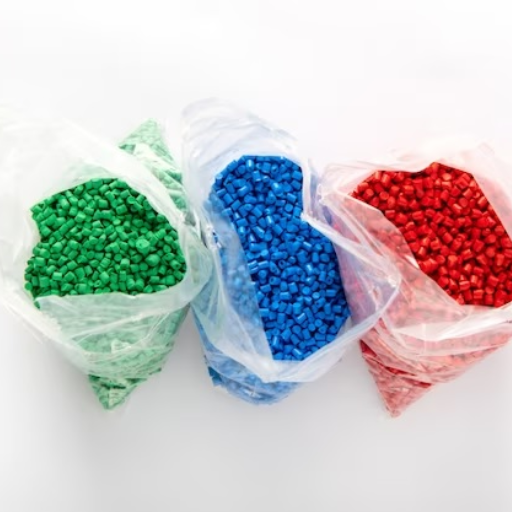
The table below summarizes the practical differences between the two categories. Use it as your first-pass filter when scoping a new part.
|
Property |
Commodity Plastics |
Engineering Plastics |
|---|---|---|
|
Examples |
PE, PP, PS, PVC, PET |
ABS, PC, PA66, POM, PBT, PPO |
|
Heat deflection temp (HDT) |
50-90°C |
100-200°C |
|
Tensile strength (unfilled) |
10-40 MPa |
50-100 MPa |
|
Dimensional stability |
Moderate |
High |
|
Price per kg (2026) |
1.00−1.00−1.80 |
2.50−2.50−6.00 |
|
Typical applications |
Packaging, films, pipes |
Gears, housings, automotive parts |
|
Processing |
Easy, no drying |
Drying required, hotter molds |
|
Global volume share |
~80% |
~15% |
Some additional considerations regarding the figures. The HDT differential is the critical disparity for nearly all consumers. For parts that will remain operational at temperatures above 90°C constantly, the engineering grade is almost certainly required. While the pricing differential is significant, it is actually less so after adjusting for savings in part mass and enhanced longevity.
Molding is the aspect of the manufacturing process that consumers typically undervalue. In some cases, engineering-grade thermoplastics must be dried to levels below 0.05 percent prior to injection molding. Additionally, higher mold temperatures, ranging from 30 to 80 degrees Celsius above the commodity-grade level, may be necessary.
The Third Tier: High-Performance (Specialty) Plastics
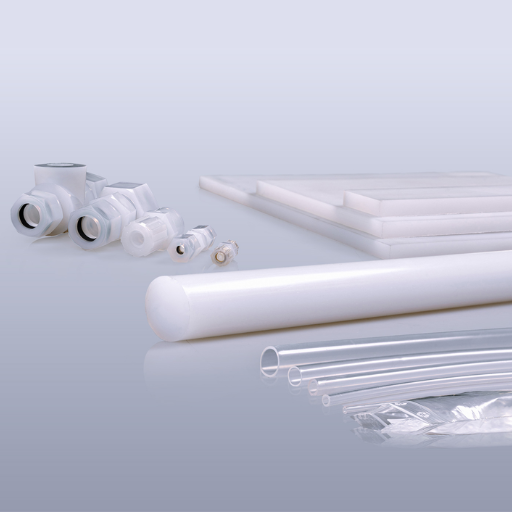
Above engineering plastics, one finds a third class of polymers known as high performance or specialty plastics. The key resins include polyphenylene sulfide (PPS), polyetheretherketone (PEEK), polyetherimide (PEI), polytetrafluoroethylene (PTFE), and perfluoroalkoxy alkane (PFA). They range in cost from $15/kg for PPS up to $100/kg or more for medical grade PEEK.
However, in exchange, they offer HDT ranges from 200°C up to 300°C or above, virtually complete chemical inertness, and excellent thermal stability under constant loads. The maximum service temperature of PEEK is up to 250°C, while PFA can withstand harsh chemicals that would attack most engineering resins.
The applications range from aerospace fasteners to semiconductor wafer carriers to oil & gas drilling to medical implants to chemical process plant equipment. It is overkill for most consumer goods or vehicle parts. However, where required, no alternative exists at lower cost. References such as Omnexus and Polymer Database help narrow choices.
How to Choose Between Engineering and Commodity Plastics

Material choice mistakes typically result from ignoring these basic questions and going with a known polymer. The following approach forces a systematic analysis of the relative merits of engineering plastics versus commodity plastics for a newly designed component.
Q1: What is the continuous service temperature?
Establish the extreme conditions your part may be exposed to, rather than some average figure. A commodity grade (PP/HDPE, etc.) will typically be sufficient for temperatures under 80°C. For a range between 80°C and 150°C, move up to engineering plastics. For continuous service temperatures above 150°C, use specialty materials.
Q2: What mechanical loads does the component have to endure and what kind of fatigue cycling will it experience?
A backyard chair will be exposed to static loads and UV light. An automotive timing chain wheel will see millions of stress cycles. Static loads under modest stresses suggest a commodity grade. High cyclic loads, snap fits, and bearing surfaces require engineering plastics, often reinforced.
Q3: In what chemical and environmental environment does the component operate?
Polyolefin materials (PE/PP) are generally resistant to almost all aqueous environments, which explains their preponderance in packaging applications. Engineering plastics are generally resistant to hydrocarbons, fuels, solvents, and oils, although PC/POM may react with certain chemicals. Specialty materials such as PFA or PPS may be needed when the application involves exposure to acids, alkalis, and/or high-temperature solvents.
Q4: What is your target cost-per-part?
This is a question frequently overlooked by the consumer. Cost-per-kilogram is not cost-per-part. A polycarbonate plastic housing that is 30% lighter than the corresponding ABS part can easily carry the same price tag per piece despite the higher plastic costs. Do the math.
Need a second opinion on a specific part? Send us your drawing or spec sheet and our applications engineers will recommend a starting grade within one business day.
Processing and Supply Chain Considerations
But, as usual, there is more to the story behind the sticker on the bag of resin. While switching from commodity to engineering plastics, you will incur four additional expenses in your operations.
Drying. PA66 and PC plastics are hygroscopic and have to be dried below 0.05% moisture content prior to molding. Drying of PE and PP plastics is not necessary. Adding an additional equipment such as a desiccant dryer involves a capital expenditure as well as energy costs.
Molding temperatures. Molds for PP can be run at 30-50°C. For PC plastic, mold temperature should range between 80-100°C. Higher temperatures require higher energy consumption and longer preheating but result in improved surface quality of the molded part.
Cycles and shrinkage. Shrinkage rates for engineering plastics tend to be lower while tolerances narrower; however, this means higher cycle times, too. Expect longer cycles by 10-30%.
Lead times and supply chain. Commodity resins ship from dozens of global producers. Engineering and specialty grades have fewer suppliers and longer lead times, especially for reinforced or specialty-color compounds. Consolidating both tiers through one supplier reduces the risk of mismatched lots and split deliveries. That is one reason customers buy across our engineering resins catalog and commodity inventory in a single purchase order.
Common Material Substitutions: Three Real-World Examples
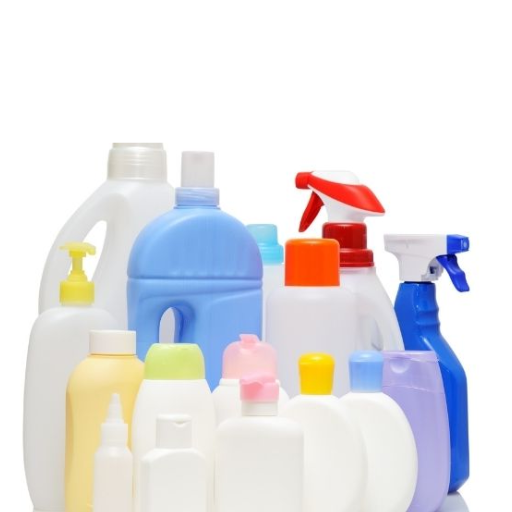
The fastest way to internalize the difference is to look at parts that crossed the line. Each of the cases below is a composite based on conversations with our customers.
Case 1: Marcus and the Under-Hood Bracket
In late 2024, Marcus, an automotive Tier 2 product engineer, chose glass-filled polypropylene for an under-hood bracket in a new SUV program. The figures made sense. PP costs $1.40/kg. PP is easily molded, cheap, and light. Three months into the validation process, his bracket cracked during thermal cycling test up to 110°C. The number was significantly below the specification limit of 130°C for under-hood applications. Switching to 30% glass-reinforced PA66 cost another $4.20/kg, or $0.18 more per piece. However, the new plastic passed the validation stage on the first try. The savings that Marcus achieved would cost his OEM 6 weeks of delayed launch and a five-figure tooling rework fee.
Case Study 2: Lin and the Indoor Electronics Housing
Lin works as a head of procurement at a consumer audio brand headquartered in Shenzhen. Lin’s team had selected polycarbonate with a price of $3.80/kg for the housing of their Bluetooth speaker. Upon analysis of field failures, Lin learned a curious detail. Of the 1,000 returned items, only one was a case of impact damage, while all others were caused by surface scratches. The application was used indoors, did not exceed 40°C operating temperature, and received minor impacts. Lin selected ABS, which costs only $2.10/kg, saving $1.70 on each piece. The total savings on the purchase of 250,000 units in 2025 would amount to $425,000 in materials alone. No further returns have been reported since then.
Case Study 3: Acme Industrial Impeller Housing
An engineering team from Acme Industrial, a pump OEM company, chose die-cast aluminum to produce an impeller housing. Each part cost $14 including raw material price and machining expenses. The housing showed corrosion when installed in seawater service. Six months later, they switched to 30% glass-reinforced PPO at $4.80/piece. As a result, weight dropped by 55%, corrosion-related warranty claims ceased altogether, and the part stopped corroding. Thus, the engineering plastic does not compete with commodity plastics only; it can also replace other materials like metals.
Sustainability: Where Both Categories Are Headed
Sustainability considerations now impact material choice in both layers. Commodity polymers have been spearheading the recycling trend, with mechanically recycled HDPE and PP being readily available for use in food packaging and consumer goods. The availability of bottle-to-bottle rPET is sufficient to cater to beverage giants.
Recycling engineering plastics is following suit. Recycled PA66 made from carpet fibers, post-industrial PC from optical disc scrap, and renewable PA610 made from castor beans are commercially viable by 2026. The requirements are more stringent, but the sources are legitimate.
The procurement implication is simple. Whether you specify a virgin or recycled grade, source from a partner who can show traceable lot data and consistent batch-to-batch performance. For background, our breakdown of what virgin plastic means for sustainability explains how the recycled and virgin supply chains actually intersect.
Conclusion: Specify with Confidence
The decision is not a choice between one plastic type being superior to another. The decision is based on using materials capable enough for the application without overpaying or underspecifying. Let’s review the five takeaways to consider.
- Commodity plastics process room temperature, low stress, high volume components at $1.00-$1.00-$1.80/kg.
- Engineering plastics process heat, mechanical loading, and dimensional accuracy at $2.50-$2.50-$6.00/kg.
- High-performance plastics are positioned above engineering plastics in applications above 200°C or with severe chemicals.
- Cost per component, not kilograms, should be the unit of measure for costing analysis.
- Process requirements (drying, mold temperature, cycle time) vary with the selected resin.
Before initiating your search for materials, follow the 4 questions framework when evaluating new components. Document the service temperature, mechanical loading, chemical environment, and target cost-per-component before contacting your supplier. To learn more about Engineering Plastics, please refer to our accompanying guide: Engineering Plastics: Complete Material Selection Guide for Manufacturers
Ready to specify a resin for your next project? Request a quote or send your technical drawing to our applications team. We supply the full spectrum, from Yuplene polypropylene and HDPE to Makrolon polycarbonate, glass-filled PA66, 30% GF PPO, and specialty PEI and PFA. We respond to every inquiry within 24 hours with grade recommendations and current pricing.
Frequently Asked Questions
Is ABS engineering or commodity plastic?
ABS is engineering plastic. Compared to PS and other commodity types, it has better impact strength and dimension stability and has HDT at 95-100°C. Also, ABS is the least expensive among engineering plastics; thus, it is often used as a substitute for polystyrene.
Which plastic is the least expensive engineering plastic?
Among engineering plastic, the most inexpensive type is ABS. As of 2026, the price of ABS on spot markets is estimated to be in the range of 2.00−2.00−2.40/kg. Prices for PA6 and PBT would be somewhat higher. For unfilled grades, prices start at 2.80−2.80−3.50/kg. For glass-filled grades, there is an additional cost of 0.40−0.40−0.80/kg.
Why are engineering plastics more expensive than commodity plastics?
The reasons are in more expensive monomers, higher complexity in polymers synthesis, and greater quality control. Engineering plastic is produced in smaller quantities; hence, the cost of fixed costs per kilogram is higher.
Can I replace an engineering plastic with a commodity plastic?
Sometimes, but only after testing. Downgrading works when the original spec was overcautious. The real application must see lower temperatures, loads, or chemicals than the engineering grade was rated for. Always validate with the actual end-use conditions before changing a production part. For more on selecting between polymer families, see our guide to the 7 main types of plastic.
What is the difference between engineering thermoplastics and commodity thermoplastics?
They are both thermoplastics that have the ability to soften and then harden when heated. This distinction arises from their performance levels and pricing structures. Commodity thermoplastics such as polypropylene (PP) and polyethylene (PE) cater to applications that require low stress and high volume production.