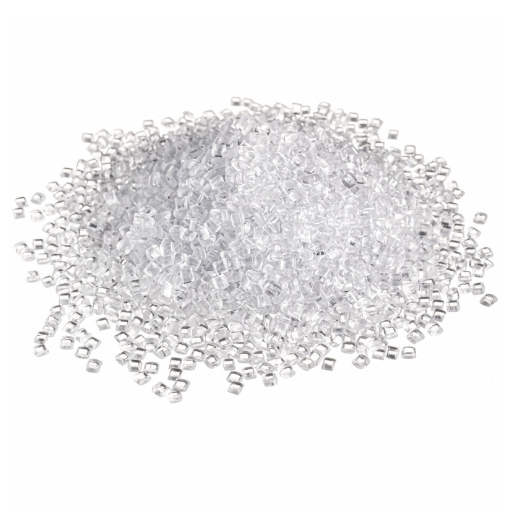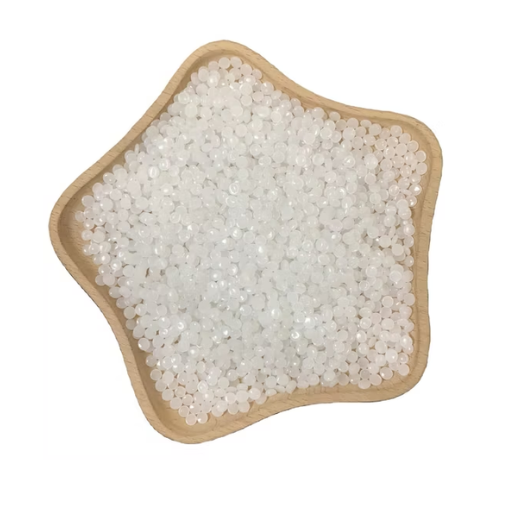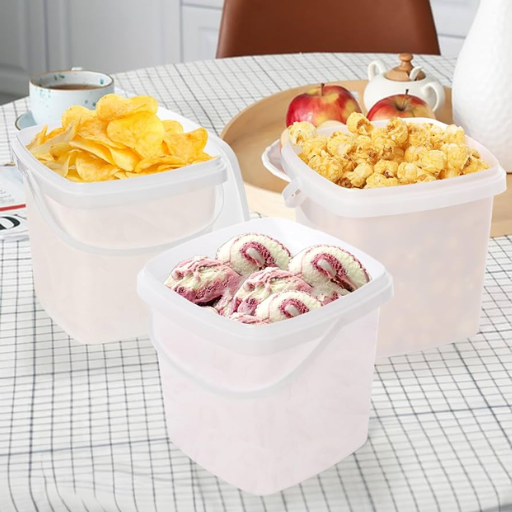
A supplier emails you a GRS certificate and labels their pellets “food grade.” You place a 20-ton order. Three weeks later, your largest retail customer audits your documentation and asks for the FDA No Objection Letter number. The supplier cannot produce one. Your shipment sits in quarantine. Your production line stops. That GRS certificate, you learn, only proves recycled content. It says nothing about food-contact safety.
If you source recycled resin for bottles, trays, or food packaging, this scenario is not hypothetical. It is happening weekly in 2026. The EU Packaging and Packaging Waste Regulation (PPWR) takes full effect in August 2026, mandating 30% post-consumer recycled (PCR) content in PET beverage bottles by 2030. Major brand owners now require documented compliance before they will accept any PCR packaging. Yet procurement teams still struggle to distinguish a legitimate food-grade pellet from a cleverly labeled industrial-grade alternative.
This guide delivers exactly what you need: a clear framework for evaluating food grade recycled plastic pellets across FDA and EFSA jurisdictions. You will learn how challenge testing works, what documentation to demand, how rPET, rHDPE, and rPP differ in regulatory maturity, and what 2026 pricing looks like by material and certification level. You will also get a supplier verification checklist you can use on your next call.
Want to cut straight to the verification checklist? Jump to the 7-point supplier evidence framework our procurement team uses before every order.
What Are Food-Grade Recycled Plastic Pellets?
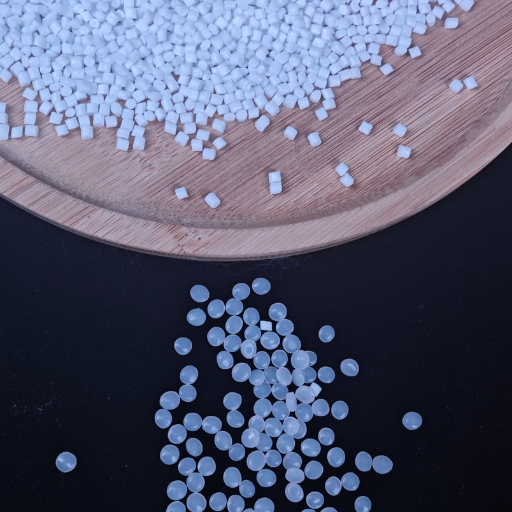
Food-grade recycled plastic pellets are resin granules produced through a recycling process that has been scientifically validated and regulator-approved for direct food-contact applications. This approval covers the process, not the individual batch. Change the input feedstock, operating temperature, or residence time, and the authorization no longer applies to your pellets.
This distinction matters because many suppliers conflate “clean” with “compliant.” A pellet can look pristine, test well for melt flow index (MFI), and still fail food-contact migration limits. True food grade recycled plastic pellets must pass challenge testing, a rigorous protocol in which virgin resin is intentionally contaminated with surrogate chemicals, run through the full recycling line, and then tested for residual contamination in the output.
Super-Clean Recycling: The Technical Foundation
Super-clean recycling enhances conventional mechanical recycling with an integrated decontamination step. The process combines high heat, high vacuum, controlled residence time, and surface treatment to remove absorbed contaminants from post-consumer plastic. Starlinger, EREMA, and Polymetrix are among the technology providers whose systems have achieved national and international approvals for direct food contact.
For FDA clearance, the decontamination factor must prove at least 99.9% contaminant removal. EFSA requires equivalent validation through migration testing into food simulants. Without this process-level validation, no pellet qualifies as food-grade, regardless of how visually clean it appears.
Post-Consumer vs Post-Industrial Feedstock
Post-consumer recycled (PCR) plastic comes from used packaging and consumer products that have completed their lifecycle. Post-industrial recycled (PIR) plastic comes from factory scrap, trim, and rejected parts that never reached consumers.
Only PCR counts toward EU PPWR mandates. Suppliers sometimes blur this line, selling PIR pellets as “recycled” without clarifying that they will not satisfy regulatory PCR content targets. When you evaluate food grade recycled plastic pellets, demand proof-of-origin documentation that traces feedstock back to the collection source.
FDA vs EFSA: Two Pathways, Different Rules
The United States and European Union operate parallel but structurally different approval systems for food-contact recycled plastics. Understanding both is essential if you supply packaging to global markets or work with multinational brand owners.
The U.S. FDA Pathway
The FDA runs a voluntary review program for recycling processes intended for food-contact use. It issues a Letter of No Objection (NOL) confirming that a specific process can produce plastic suitable for food-contact applications under defined use conditions.
Key characteristics of the FDA pathway:
- The FDA approves the process, not the resin batch or the company
- Use conditions range from A-H (all foods, all temperatures) down to E-G (dry foods, room temperature)
- Typical approval timeline: 6 to 18 months
- Typical approval cost: $150,000 to $250,000 in testing and dossier preparation
- rPET holds the most mature FDA NOLs, followed by rHDPE and, as of 2026, rPP
When Marcus Chen, procurement director at a mid-sized dairy packaging firm in Wisconsin, vetted three rHDPE suppliers last quarter, only one could produce an actual FDA NOL with a valid recycle number. The other two offered parent-company assurance letters and ISO 9001 certificates. Chen rejected them both. “An assurance letter is not an NOL,” he told his team. “If our retail partner audits us, we need the actual FDA document.”
The EU EFSA Pathway
Regulation (EU) 2022/1616 governs all recycled plastics intended for food contact in the European market. Unlike the FDA system, EFSA authorization is mandatory for EU market entry.
The process works as follows:
- The recycler submits a scientific dossier to the European Food Safety Authority (EFSA)
- EFSA evaluates the challenge test data, decontamination efficiency, and process parameters
- The European Commission authorizes the process and enters it in the EU Register of authorized recycling processes
- Only processes listed in the EU Register may legally supply food-contact recycled plastic in Europe
Key regulatory limits include:
- Dietary intake ceiling: 0.0025 micrograms per kilogram body weight per day
- Residual contaminant ceiling: less than 3 mg per kilogram in recycled flake or pellet
- Overall migration limit: 10 mg per square decimeter or 60 mg per kilogram
The EU PPWR (Regulation 2025/40) enters full force in August 2026. It mandates 30% PCR content in PET beverage bottles by 2030, escalating to 65% by 2040. This regulatory pressure is driving unprecedented demand for EFSA-compliant food grade recycled plastic pellets.
FDA vs EFSA at a Glance
| Factor | FDA (U.S.) | EFSA (EU) |
|---|---|---|
| Approval type | Process (NOL) | Process + EC Authorization |
| Mandatory? | Voluntary (de facto required by brands) | Mandatory for EU market |
| Testing focus | Extraction (220 µg/kg surrogate limit) | Migration (10 µg/kg in simulant) |
| Public register | No | EU Register of authorized processes |
| Typical timeline | 6-18 months | 12-24 months |
| Typical cost | 150,000−150,000−250,000 | 200,000−200,000−400,000 |
| Revalidation trigger | Process parameter change | Process parameter change |
Which Pathway Applies to Your Supply Chain?
If your end market is the United States, verify FDA NOL status. If your end market is the EU, demand EFSA scientific opinion and EC authorization with a valid EU Register entry. If you supply global brands like Coca-Cola, PepsiCo, or Unilever, prepare for both. These brand owners increasingly require documented FDA and EFSA compliance before accepting PCR packaging materials.
Challenge Testing: The Validation Gate
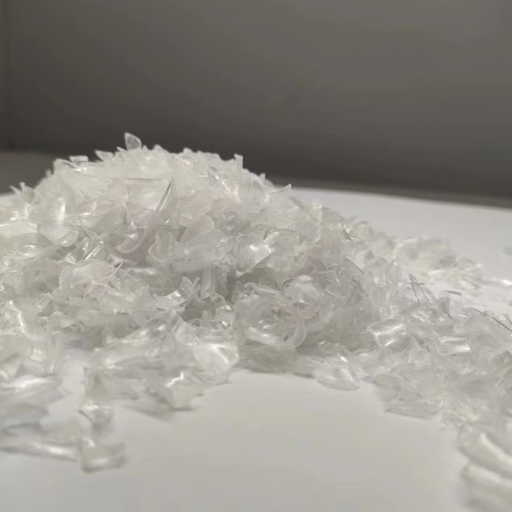
Challenge testing is the core validation protocol that separates legitimate food grade recycled plastic pellets from marketing claims. Yet most procurement teams have never seen a challenge test report, let alone know what to look for inside one.
How Challenge Testing Works
The recycler starts with virgin resin and intentionally contaminates it with a cocktail of surrogate chemicals. These surrogates represent the full spectrum of real-world contaminants: solvents, pesticides, perfumes, and cleaning agents. The contaminated material then runs through the entire recycling line, from washing and shredding through extrusion and pelletizing.
An independent laboratory measures residual concentrations of each surrogate in the output pellets.
- Under FDA guidelines, residuals must typically fall below 220 micrograms per kilogram per surrogate
- Under EFSA guidelines, migration into food simulants must remain below 10 micrograms per kilogram per surrogate
If the process passes, the recycler receives regulatory approval. If it fails, the recycler must adjust decontamination parameters and retest.
What Buyers Need to Know
When you evaluate a supplier of food grade recycled plastic pellets, ask for the challenge test report, not just the NOL or EFSA opinion number. Verify three critical details:
- Line specificity: The report must cover the exact production line that will supply your pellets, not a different facility or pilot line
- Parameter match: Routine production must operate within the temperature, vacuum, and residence time windows documented in the challenge test
- Surrogate coverage: The test must include the standard surrogate cocktail (toluene, chlorobenzene, chloroform, methyl salicylate, phenylcyclohexane, benzophenone, and methyl stearate)
Red flag: a supplier who cannot produce challenge test data or references a different facility from where your pellets will originate.
Food-Grade Recycled Pellets by Material
Not all recycled resins are equally mature in food-contact compliance. rPET leads the market. rHDPE follows. rPP represents the newest frontier.
rPET Pellets: The Most Mature Pathway
Recycled polyethylene terephthalate (rPET) holds the most established food-contact approval infrastructure. PET also claims the highest global plastic recycling collection rate at approximately 29%, with EU member states exceeding 50% in several regions.
For bottle-to-bottle applications, rPET pellets require intrinsic viscosity (IV) between 0.74 and 0.84 dL/g. Food-grade bottle applications typically require solid-state polymerization (SSP) to restore molecular weight lost during recycling. SSP also removes residual acetaldehyde, which must stay below 1 to 3 ppm for beverage packaging to prevent taste and odor issues.
Price range (2026):
- Non-food-grade rPET: 1,000−1,000−1,500 per ton
- Food-grade rPET with SSP: 1,800−1,800−2,800 per ton
The food-grade rPET market alone is projected to reach $42.8 billion by 2028, growing at a CAGR of 11.3%. For a deeper dive into rPET pellet specifications, IV ranges, and processing parameters, see our rPET pellets properties and sourcing guide.
rHDPE Pellets: Growing for Rigid Packaging
Recycled high-density polyethylene (rHDPE) is gaining traction for milk jugs, food bottles, caps, and crates. FDA NOLs exist for rHDPE, though many cover limited use conditions (E-G: dry foods at room temperature rather than all foods at all temperatures).
The feedstock challenge for rHDPE is homogeneity. Non-food containers, such as detergent bottles or motor oil jugs, can introduce heavy metals, non-intentionally added substances (NIAS), or incompatible polymers into the recycling stream. Without rigorous upstream sorting, these contaminants can cause specific migration limit (SML) failures in finished packaging.
Price range (2026):
- Non-food-grade rHDPE: 800−800−1,100 per ton
- Food-grade rHDPE: 1,800−1,800−2,200 per ton
To learn more about rHDPE Pellets, please click to refer to our accompanying guide: rHDPE Pellets: Complete Sourcing, Properties & Application Guide for Manufacturers
rPP Pellets: The 2026 Breakthrough
Recycled polypropylene (rPP) is the newest entrant into food-contact compliance. In 2026, the FDA granted No Objection Letters for mechanical recycling processes producing food-grade rPP suitable for dry foods from ambient to frozen temperatures. WRAP research in the UK independently demonstrated that super-clean rPP meets both EU and U.S. regulatory requirements.
The primary barrier remains automated sorting. Food-contact PP must be separated from non-food PP at scale. Hand-sorting is not economically viable for industrial volumes. Suppliers with advanced near-infrared (NIR) sorting and robotic separation are leading this segment.
Price range (2026):
- Food-grade rPP: 1,600−1,600−2,200 per ton
For a broader comparison of recycled pellet types and their industrial applications, see our types of recycled plastic pellets overview.
Material Selection Matrix
| Application | Recommended Resin | Food-Grade Status | Key Consideration |
|---|---|---|---|
| Beverage bottles | rPET | Mature | IV 0.74-0.84 dL/g; acetaldehyde <1-3 ppm |
| Milk jugs | rHDPE | Established | Feedstock homogeneity; NIAS screening |
| Dry food containers | rPP | Emerging | Automated sorting maturity |
| Food trays / clamshells | rPET | Mature | SSP and thermoforming IV control |
| Closures and caps | rPP, rHDPE | Emerging / Established | NIAS and heavy metal screening |
Sourcing Food-Grade Recycled Pellets: 2026 Pricing and Certifications
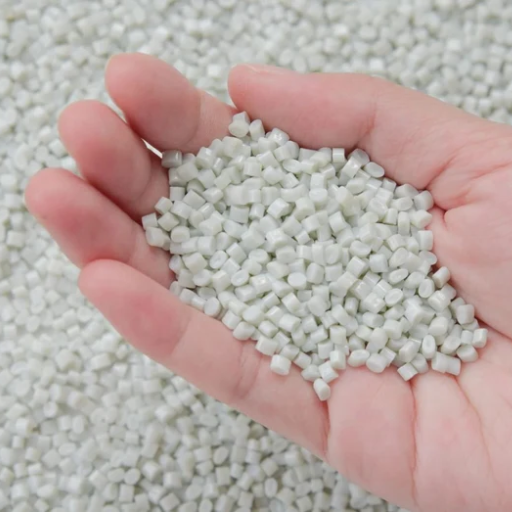
Food-grade certification carries a real cost, and that cost shows up in the price per ton. Understanding the premium structure helps you budget accurately and avoid suppliers who undercut the market with unverified claims.
Price Benchmarks by Material and Grade
The following 2026 price ranges reflect global market conditions for certified food-grade recycled pellets delivered in bulk quantities:
- Food-grade rPET (SSP bottle grade): 1,800−1,800−2,800 per ton
- Food-grade rHDPE: 1,800−1,800−2,200 per ton
- Food-grade rPP: 1,600−1,600−2,200 per ton
The food-grade premium over non-food-grade counterparts ranges from 80% to 150%, depending on material, color specification, and order volume. Factors that affect pricing include certification level (FDA A-H vs E-G), IV specification, color consistency (clear vs mixed), geographic origin, and minimum order quantity.
Need food-grade pellets for your next production run? Contact our team for specifications, samples, and competitive quotes based on your volume and certification requirements.
Required Documentation Portfolio
A compliant supplier should provide the following documentation for every shipment:
- FDA NOL or EFSA scientific opinion plus EC authorization
- GRS (Global Recycled Standard) certification for traceability (supplemental only)
- REACH compliance documentation for EU supply chains
- Per-lot Certificate of Analysis (CoA) including IV, moisture, contamination levels, and surrogate test results
- Chain-of-custody documentation tracing feedstock to collection source
- Challenge test or decontamination factor report
- ISO 14021 environmental declarations
The 7-Point Supplier Evidence Checklist
Before committing to volume orders, walk your supplier through these seven evidence points in order:
- Process Authorization: Demand the FDA NOL number or EFSA opinion number plus EU Register entry. Reject parent-company assurance letters.
- Line Identification: Confirm the exact recycle line serial or process ID that produced your batch.
- Feedstock Traceability: Require documentation proving PCR input with traceability back to the collector.
- Decontamination Validation: Request the latest challenge test report showing at least 99.9% contaminant removal.
- Per-Lot CoA: Verify it covers IV, residual moisture, PVC or glue contamination, migration levels, and surrogate results.
- Operating Window Confirmation: Obtain a signed statement confirming the lot was produced within validated challenge test parameters.
- Right-to-Audit: Include a contractual clause allowing buyer audits on a 12-month re-audit cadence.
If a supplier shows reluctance on any of these points, do not commit to volume orders.
Red Flags and Common Compliance Pitfalls
Even experienced procurement teams fall into compliance traps. Here are the most common pitfalls to avoid when sourcing food grade recycled plastic pellets.
Misleading Certifications
The most common error is accepting a GRS or ISO 9001 certificate as proof of food-contact safety. GRS verifies recycled content percentage and chain of custody. ISO 9001 verifies quality management systems. Neither proves that a pellet meets FDA extraction limits or EFSA migration thresholds.
Another frequent issue is post-industrial feedstock labeled as post-consumer. PIR does not count toward EU PPWR PCR mandates. Always demand proof-of-origin documentation.
Process Drift Risk
When a supplier changes input feedstock, operating temperature, or vacuum levels without revalidating the challenge test, the original NOL or EFSA authorization no longer covers the output. This is called process drift. It is one of the leading causes of regulatory non-compliance in recycled plastic supply chains.
Chen, the dairy packaging procurement director, learned this the hard way. His original rHDPE supplier swapped from mixed-color milk jug feedstock to a lower-cost curbside blend without updating their challenge test. Six months later, a retail customer detected elevated migration levels in finished bottles. Chen switched suppliers and now requires annual re-audit rights in every contract.
Analytical Gaps
A Certificate of Analysis that lacks surrogate challenge-test data provides no proof that hazardous contaminants were removed to regulatory limits. Similarly, missing contamination screening for PVC, aluminum, or incompatible polymers leaves gaps that can shut down your production line.
The Price Trap
The cheapest food-grade pellet without valid regulatory approval is the most expensive pellet you can buy. Rejected shipments, regulatory fines, brand audit failures, and production line stoppages erase any per-ton savings. Process verification always beats price negotiation.
Applications of Food-Grade Recycled Pellets
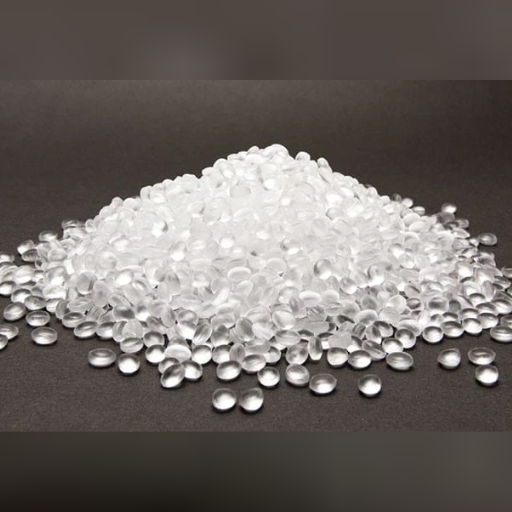
Food grade recycled plastic pellets serve a growing range of packaging applications driven by regulatory mandates and brand sustainability commitments.
Beverage Packaging
Bottle-to-bottle recycling represents the largest application for food-grade rPET. Major bottled water and soft drink brands now operate closed-loop collection and recycling systems. EU PPWR mandates 30% PCR in PET beverage bottles by 2030, with an escalation path to 65% by 2040. This regulatory pressure ensures long-term demand for certified rPET pellets.
Food Trays and Clamshells
Sheet-grade rPET, with IV between 0.76 and 0.84 dL/g, is used for thermoformed food trays, clamshells, and blister packs. These applications require precise IV control to maintain clarity and sealing performance during thermoforming.
Closures, Caps, and Dry Food Containers
Food-grade rPP is emerging for closures, caps, and dry food containers where the 2026 FDA breakthrough has opened new supply options. rHDPE also serves caps and closures for dairy and juice applications.
For a full breakdown of how recycled pellets perform across injection molding, extrusion, and blow molding processes, see our recycled plastic pellets for injection molding guide.
Conclusion
Food grade recycled plastic pellets are process-approved materials, not simply clean resin. The distinction determines whether your packaging passes a brand audit or triggers a production shutdown.
Success in 2026 requires three disciplines. First, verify regulatory authorization at the process level, not the company level. Demand FDA NOL numbers or EFSA opinion numbers with valid EU Register entries. Second, review challenge test data to confirm the exact production line and operating parameters that produced your pellets. Third, insist on per-lot Certificates of Analysis that include surrogate test results, migration data, and contamination screening.
The regulatory landscape is only tightening. EU PPWR enters full force in August 2026. Major brand owners now require documented PCR compliance. The suppliers who thrive will be the ones who treat certification as a competitive advantage, not a cost center.
If you are evaluating food grade recycled plastic pellets for your next production run, our engineering team can help. We provide specifications, samples, and tailored sourcing recommendations for rPET, rHDPE, rPP, and blended specialty resins. Contact us today for a detailed quotation based on your volume, certification requirements, and delivery schedule.