In 2025, a procurement manager at a mid-sized beverage bottler in Europe faced a hard deadline. The EU Packaging and Packaging Waste Regulation demanded 25% recycled content in PET beverage bottles. Her company needed to switch from virgin resin to recycled feedstock within six months.
She ordered three samples of rPET pellets from different suppliers. All three claimed “food-grade quality.” Only one delivered consistent intrinsic viscosity batch after batch. The other two caused preform blow-out defects that shut down her production line for eight hours.
This scenario plays out across manufacturing floors every week. rPET pellets have become the default feedstock for PET manufacturing, yet most procurement teams lack the technical framework to evaluate grades, verify quality, and match specifications to applications.
This guide delivers exactly what those teams need. You will learn how rPET pellets differ by grade, why intrinsic viscosity determines processing success, what drying protocols prevent costly defects, and how to evaluate suppliers with confidence. Whether you source bottle-grade, fiber-grade, or sheet-grade material, the framework here protects your production schedule and your budget.
Want to explore how recycled pellets fit into your broader sourcing strategy? Review our complete guide to recycled plastic pellets for cross-material comparisons and certification requirements.
What Are rPET Pellets?
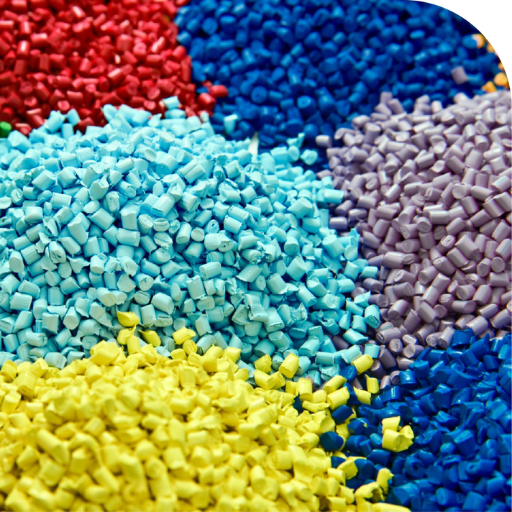
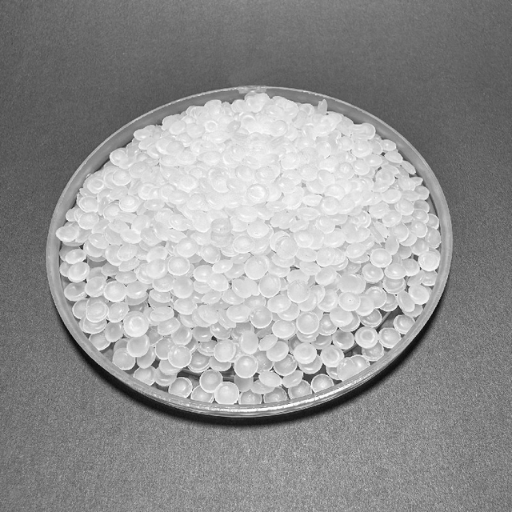
rPET pellets are recycled polyethylene terephthalate granules produced from post-consumer bottles, industrial scrap, or fiber waste. Manufacturers collect PET waste, sort it by color and contamination level, wash and shred it into flake, then melt and extrude it into uniform pellets ready for injection molding, blow molding, or extrusion.
The feedstock source matters. Post-consumer recycled (PCR) PET comes from discarded bottles and packaging collected through recycling programs. Post-industrial recycled (PIR) PET comes from factory trim, defective preforms, and manufacturing scrap that never reached consumers. PIR material typically carries lower contamination risk and more consistent color because it bypasses consumer handling, sorting facilities, and mixed-waste streams.
The mechanical recycling process follows a strict sequence. Sorting equipment separates PET from other plastics using near-infrared detection and density flotation. Hot caustic washing removes labels, adhesives, and organic residue.
Shredding reduces bottles to flake roughly 8-12 millimeters in size. Extrusion melts the flake under controlled temperature and vacuum to remove residual moisture and volatiles. Finally, the molten polymer passes through a die, cools in a water bath, and cuts into cylindrical pellets roughly 3-4 millimeters in diameter.
For food-contact applications, some rPET pellets undergo solid-state polymerization (SSP). This heat-and-vacuum treatment rebuilds molecular chains that break during initial recycling, raising intrinsic viscosity back into the bottle-grade range. Super-clean recycling processes add further decontamination steps to meet FDA and EFSA safety standards.
Need a broader view of recycled pellet options? Our types of recycled plastic pellets guide compares rPET against rHDPE, rPP, rABS, and engineering recycled grades side by side.
rPET Pellet Properties and Specifications
Intrinsic Viscosity Explained
Intrinsic viscosity (IV) measures the molecular weight of PET polymer chains. Higher IV means longer chains, which translates to better mechanical strength and blow-molding performance. For procurement teams, IV is the single most important quality metric when specifying rPET pellets.
Bottle-grade rPET pellets typically carry an IV between 0.74 and 0.84 dL/g. Fiber-grade material runs lower, from 0.60 to 0.70 dL/g, because fiber spinning orients polymer chains mechanically and does not need the same melt strength. Sheet-grade rPET for thermoforming usually falls between 0.76 and 0.84 dL/g. Strapping-grade material demands the highest IV, often 0.80 to 1.00 dL/g, to achieve the tensile strength required for industrial banding.
Each recycling cycle degrades IV slightly. Virgin PET bottle resin starts around 0.80 dL/g. Mechanical recycling without SSP typically drops IV to 0.70-0.76 dL/g. That gap explains why bottle-to-bottle rPET often requires SSP treatment, which rebuilds molecular chains and restores IV to the 0.78-0.84 dL/g range.
Mechanical and Thermal Properties
rPET pellets retain 85-95% of virgin PET tensile strength when properly processed. Typical tensile strength ranges from 55 to 75 MPa depending on IV grade and processing conditions. The glass transition temperature sits at approximately 75-80C, and the melting point reaches 250-260C. Density runs 1.32-1.38 g/cm, nearly identical to virgin material.
The barrier properties remain a key advantage. rPET provides excellent resistance to oxygen and carbon dioxide permeation. That characteristic makes it indispensable for beverage packaging where shelf life depends on maintaining carbonation and preventing oxidation.
Moisture Sensitivity
rPET is highly hygroscopic. Pellets left in ambient air absorb moisture quickly, and even small amounts of residual water cause catastrophic hydrolytic degradation at melt temperatures. When moisture exceeds 0.005% (50 ppm) during processing, water molecules attack polyester chains and break them apart. The result is IV drop, discoloration, cosmetic defects, and reduced mechanical strength.
This moisture sensitivity surprises many buyers who assume contamination poses the biggest risk. In practice, inadequate drying causes more production defects than trace PVC or aluminum particles. Proper drying protocol matters more than almost any other preprocessing step.
Types and Grades of rPET Pellets
Bottle-Grade rPET Pellets
Bottle-grade rPET pellets target stretch blow molding for beverage and food containers. IV ranges from 0.74 to 0.84 dL/g, with most commercial material falling between 0.78 and 0.82 dL/g after SSP treatment. Super-clean recycling processes remove contaminants to levels that satisfy FDA food-contact notifications and EFSA safety assessments.
Acetaldehyde (AA) levels demand particular attention for beverage applications. AA forms during melt processing and imparts a sweet, fruity off-taste to water and sensitive beverages. Bottle-grade rPET must maintain AA below 1-3 ppm depending on product sensitivity.
Price ranges vary sharply by certification. Non-food bottle-grade rPET pellets trade between $1,000 and $1,500 per ton. Food-grade material with full SSP and challenge-tested decontamination commands $1,800 to $2,800 per ton.
Fiber-Grade rPET Pellets
Fiber-grade rPET carries lower IV, typically 0.60 to 0.70 dL/g, because fiber spinning orients polymer chains and builds strength mechanically rather than relying on melt strength. This grade serves polyester staple fiber for apparel, home textiles, and automotive interiors, plus filament yarn for industrial fabrics and geotextiles.
Lower IV translates to lower viscosity during melt spinning, which actually improves processability on fiber lines. Fiber-grade rPET generally costs 800to800to1,200 per ton, making it one of the most cost-effective recycled feedstocks for non-food applications.
Sheet-Grade rPET Pellets
Sheet-grade rPET targets thermoformed trays, clamshells, and blister packaging. IV ranges from 0.76 to 0.84 dL/g. Amorphous sheet extrusion requires precise IV control because crystallization behavior during heating and forming determines clarity, depth of draw, and sealing performance.
Sheet-grade material typically prices between 900and900and1,400 per ton. Clear sheet applications demand higher color consistency than fiber or strapping grades, so natural-grade material with controlled L* values above 70 commands a premium over mixed-color alternatives.
Strapping-Grade rPET Pellets
Strapping-grade rPET demands the highest IV, from 0.80 to 1.00 dL/g, because industrial strapping must withstand high tensile loads without breaking. Manufacturers often blend recycled material with virgin PET to hit target IV while controlling cost.
This grade serves industrial banding, monofilament for brushes and screens, and heavy-duty twine. Pricing ranges from 1,000to1,000to1,500 per ton depending on IV level and color specification.
When Maria Chen evaluated rPET grades for her textile mill in 2024, she assumed bottle-grade material offered the best quality across the board. Her team ran trials with three IV levels on their fiber spinning line. The 0.82 dL/g bottle-grade material created excessive die pressure and frequent breaker plate clogging. The 0.64 dL/g fiber-grade material ran smoothly and delivered yarn tenacity identical to their virgin PET control. Switching to fiber-grade rPET cut material costs by 15% without sacrificing a single performance metric.
rPET Pellets vs Virgin PET: Key Differences
Performance Comparison
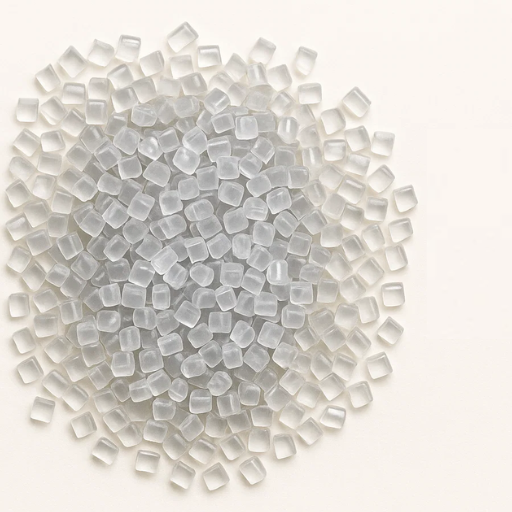
rPET pellets retain most of the mechanical properties that make virgin PET valuable. Tensile strength typically reaches 85-95% of virgin levels. Thermal properties remain essentially unchanged. Barrier performance against gases and moisture matches virgin material closely.
The differences appear in consistency and color. Virgin PET delivers tight IV tolerance batch after batch, often within +/- 0.01 dL/g. rPET exhibits wider natural variation. Buyers should specify +/- 0.02 dL/g as a practical tolerance.
Color consistency also varies. Virgin clear PET maintains L* values above 85 with minimal yellowing. rPET clear grades typically deliver L* values between 70 and 82 depending on feedstock quality and processing history.
Contamination risk represents another difference. Virgin PET arrives essentially free of foreign polymers and particulates. rPET carries trace risk of PVC labels, aluminum caps, glue residue, and other polymers from the recycling stream. Reputable suppliers remove these contaminants through automated sorting and melt filtration. Buyers should still verify contamination screening protocols.
Cost Comparison
rPET pellets generally trade 10-30% below virgin PET pricing for comparable non-food grades. However, food-grade rPET with SSP treatment and full challenge testing can match or even exceed virgin pricing because the super-clean processing adds significant cost.
Price stability offers a secondary advantage. Virgin PET pricing tracks closely with crude oil and paraxylene feedstock costs, creating volatility that complicates budgeting. rPET pricing depends more on collection rates, sorting capacity, and recycled flake supply, which partially decouples it from oil market swings.
When to Choose rPET vs Virgin PET
Select rPET pellets when sustainability targets, regulatory mandates, or cost savings drive the decision. EU PPWR requirements make rPET essential for beverage packaging sold in Europe. Brand sustainability commitments increasingly demand recycled content across consumer goods. Non-food applications like textiles, strapping, and industrial components gain cost advantages with minimal performance trade-offs.
Choose virgin PET when absolute color consistency, highest IV, or zero contamination tolerance justifies the premium. Medical device components, certain optical applications, and ultra-clear cosmetic packaging may still require virgin material. For most mainstream packaging and fiber applications, properly specified rPET pellets deliver equivalent performance at lower cost.
Still weighing recycled against virgin feedstock? Our virgin vs recycled plastic pellets comparison breaks down the full cost, performance, and sustainability analysis.
Applications of rPET Pellets
Bottle-to-Bottle Recycling
Closed-loop beverage packaging represents the highest-value rPET application. Water, soft drink, and juice bottles require food-grade rPET pellets with IV between 0.78 and 0.84 dL/g, acetaldehyde below 1-3 ppm, and full FDA or EFSA clearance. Super-clean recycling processes use advanced sorting, intensive washing, high-temperature vacuum treatment, and challenge testing to prove contaminant removal to regulatory standards.
The bottle-to-bottle market alone exceeded $4.2 billion in 2026, driven by EU mandates and brand sustainability pledges. Major bottled water brands now market 100% rPET bottles as a standard offering, not a premium niche.
Textile and Fiber Production
Fiber-grade rPET powers the largest volume application by tonnage. Polyester staple fiber for apparel, home textiles, and automotive interiors consumes massive quantities of lower-IV rPET. The spinning process orients polymer chains and builds strength mechanically, so the IV loss from recycling does not limit performance.
rPET filament yarn serves industrial fabrics, geotextiles, and tire cord. Non-woven fabrics for filtration, wipes, and insulation also rely heavily on recycled PET feedstock. Textile applications generally do not require food-grade certification, which keeps costs low and supply chains flexible.
Sheet Extrusion and Thermoforming
Sheet-grade rPET produces thermoformed trays for fresh food, ready meals, and produce. Amorphous sheet extrusion requires precise temperature control to prevent premature crystallization, which causes haze and reduces clarity. IV between 0.76 and 0.84 dL/g provides the right balance of melt strength and formability.
Clamshell packaging for electronics, hardware, and consumer goods also uses sheet-grade rPET. Sealing performance matters for these applications, and consistent IV helps maintain reliable heat-seal windows.
Injection Molding and Blow Molding
Beyond bottles, rPET pellets serve cosmetic packaging, preforms, and industrial components through injection and blow molding. Clear jars, lotion bottles, and dispensing containers use non-food bottle-grade rPET with controlled color specifications. Processing rPET in injection molding demands careful attention to drying and melt temperature.
Strapping and Industrial Filament
Strapping-grade rPET with high IV replaces steel and polypropylene banding in shipping and logistics. Monofilament derived from rPET serves brushes, screens, fishing line, and agricultural twine. These applications value tensile strength and durability over color consistency or clarity.
Sourcing rPET Pellets: Pricing and Certifications
2026 Price Benchmarks by Grade
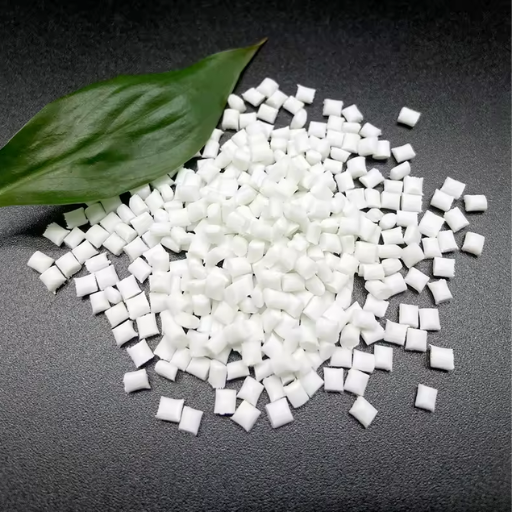
Understanding price structure prevents overpayment and helps buyers budget accurately. Current global benchmarks for rPET pellets range as follows:
- Fiber grade: $800-1,200 per ton
- Sheet grade: $900-1,400 per ton
- Bottle grade (non-food): $1,000-1,500 per ton
- Strapping grade: $1,000-1,500 per ton
- Bottle grade (food-grade, SSP): $1,800-2,800 per ton
Several factors move prices within these ranges. Clear or natural-color pellets command 15-25% more than mixed-color or blue-tinted material. Higher IV adds cost because SSP treatment requires additional energy and residence time.
Order volume matters. Truckload quantities typically secure 5-10% discounts below less-than-truckload pricing. Geographic origin also affects landed cost due to shipping distances and regional collection infrastructure.
Certifications and Compliance
Food-contact rPET pellets require rigorous regulatory clearance. In the United States, the FDA issues Food Contact Notifications for specific super-clean recycling processes. Each notification covers a specific technology and facility, so buyers must verify that their supplier holds valid FDA clearance for their production method.
In Europe, EFSA conducts safety assessments of recycling processes and publishes favorable opinions for technologies that meet decontamination benchmarks. The EU Packaging and Packaging Waste Regulation mandates minimum recycled content in PET beverage bottles, reaching 25% by 2025 and 30% by 2030. This regulatory pressure sustains demand and supports price premiums for certified material.
ISO 14021 provides a framework for environmental claims, helping buyers verify that “recycled content” claims meet standardized definitions. REACH compliance ensures that substances of very high concern do not exceed thresholds in the finished pellets.
Supplier Evaluation Checklist
Vetting rPET suppliers requires technical diligence beyond price comparison. Request documentation covering these points:
- IV consistency batch-to-batch, with tolerance specified at +/- 0.02 dL/g or tighter
- Moisture content at delivery, ideally below 0.02%
- Color specifications with L*, a*, and b* values for each batch
- Contamination screening protocols, including PVC and metal detection
- Chain-of-custody documentation from collection through pelletizing
- Certificate of Analysis (COA) for every shipment
- Food-contact regulatory clearance for relevant grades
Red flags include suppliers who cannot provide COAs, refuse to specify IV tolerance, or offer food-grade material without documentation of super-clean processing. The lowest per-ton price rarely delivers the lowest total cost if inconsistent material causes downtime, defects, or rejected shipments.
Processing Best Practices for rPET Pellets
Pre-Drying Requirements
Proper drying prevents hydrolytic degradation, which is the single most common cause of rPET processing defects. Follow these parameters:
- Drying temperature: 160-180C
- Drying time: 4-6 hours for standard pellet size; larger pellets may require up to 8 hours
- Dew point: -40C or lower
- Target moisture before processing: below 0.005% (50 ppm)
Insufficient drying causes immediate problems. IV drops 0.02-0.05 dL/g per reheat cycle when moisture exceeds acceptable levels. Discoloration appears as yellowing or graying. Cosmetic defects include surface streaks, bubbles, and haze. Mechanical strength suffers because broken polymer chains cannot bear load effectively.
Desiccant dryers with closed-loop air circulation outperform hot-air dryers for rPET. The desiccant bed removes moisture from the air stream, maintaining the low dew point required for hygroscopic polymers.
Injection Molding Parameters
Melt temperature for rPET injection molding typically ranges from 270C to 290C. Mold temperature depends on the application. Amorphous preforms for stretch blow molding use cold molds at 10-30C to preserve clarity. Crystalline parts or applications requiring dimensional stability use hot molds at 120-160C.
Screw speed and back pressure require careful tuning. Excessive shear generates heat that degrades IV and raises acetaldehyde levels. A general starting point sets back pressure at 50-100 bar and screw speed at 50-80 RPM, with adjustments based on melt temperature readings and part quality.
Blow Molding Considerations
Stretch blow molding of rPET preforms demands precise reheat profiling. Uneven heating creates thin spots, wrinkles, or poor material distribution. IV retention during reheat depends on preform design, oven residence time, and lamp settings. Preforms with adequate wall thickness and proper crystallinity withstand reheat better than thin or improperly molded preforms.
Acetaldehyde formation accelerates at temperatures above 270C and during long residence times. Minimize AA by using the lowest practical melt temperature, avoiding dead zones in the barrel, and maintaining consistent cycle times.
Sheet Extrusion and Thermoforming
Amorphous sheet extrusion requires a flat temperature profile across the extruder barrel, typically 270-280C. Chill roll temperatures near 15-25C quench the sheet quickly enough to prevent crystallization, preserving the clarity needed for thermoforming.
Thermoforming ovens reheat the sheet to roughly 100-120C, which is above the glass transition temperature but well below the crystallization range. Sheet with inconsistent IV or excessive crystallinity from poor extrusion control will not draw evenly into deep molds.
Quality Control and Testing Standards
Intrinsic Viscosity Testing
Capillary viscometers measure IV by timing solvent flow through a narrow tube. Common solvents include dichloroacetic acid or a phenol-tetrachloroethane mixture. Results report in dL/g. Acceptable batch-to-batch tolerance should not exceed +/- 0.02 dL/g for consistent processing.
IV drift between batches forces constant parameter adjustments on the production floor. One batch at 0.78 dL/g and the next at 0.74 dL/g may require different injection pressures, cycle times, or mold temperatures to maintain part quality. Tight IV control from the supplier eliminates this variability.
Moisture Content Analysis
Karl Fischer titration offers the most accurate moisture measurement, detecting water content down to the parts-per-million level. Gravimetric loss-on-drying provides a simpler alternative by weighing samples before and after heating, though it is less precise for very low moisture levels.
Buyers should test incoming material moisture even when suppliers report low values. Shipping containers, warehouse humidity, and delays between delivery and processing can raise moisture above acceptable thresholds.
Color and Visual Inspection
Colorimeters measure L* (lightness), a* (green-red), and b* (blue-yellow) values. Clear rPET grades should maintain L* above 70 for most packaging applications, with tight b* control to prevent excessive yellowing. Visual inspection under controlled lighting catches contamination that instruments might miss, including black specks, foreign particles, and gel formations.
Acetaldehyde Testing
Gas chromatography with mass spectrometry (GC-MS) or headspace analysis measures acetaldehyde in pellets and finished parts. Beverage packaging typically demands AA below 1 ppm for sensitive products like still water, and below 3 ppm for carbonated soft drinks. Suppliers of food-grade rPET should provide AA data on every COA.
Contamination Screening
Density separation distinguishes PET from PVC and other polymers with different specific gravities. X-ray fluorescence (XRF) detects aluminum, titanium, and other metals. Fourier-transform infrared spectroscopy (FTIR) identifies unknown polymer contaminants. A robust incoming inspection program combines at least two of these methods.
When Patel Manufacturing switched to rPET sheet for food trays in early 2025, their first two shipments passed visual inspection but failed the seal-strength test on their form-fill-seal line. The culprit was a 0.03 dL/g IV variation between batches that the supplier had not flagged. After implementing incoming IV testing and tightening supplier specs to +/- 0.015 dL/g, seal failures dropped to zero and throughput improved by 8%.
Conclusion
rPET pellets offer proven performance for bottle, fiber, sheet, and molding applications when buyers match the right grade to the right process. The key to success lies in three areas: specifying intrinsic viscosity precisely, enforcing drying discipline, and verifying supplier consistency through Certificates of Analysis.
Bottle-grade rPET with SSP treatment meets the strictest food-contact standards and powers the closed-loop beverage packaging market. Fiber-grade material delivers cost-effective feedstock for textiles with minimal performance compromise. Sheet and strapping grades fill distinct niches that reward buyers who understand their specific requirements.
Manufacturers who treat rPET as a commodity and buy solely on price invite the kind of production headaches that cost far more than any per-ton savings. Manufacturers who specify IV tolerance, moisture limits, color values, and contamination thresholds receive material that runs smoothly and delivers consistent parts. To learn more about Recycled Plastic Pellets for Injection Molding, please refer to our accompanying guide: Recycled Plastic Pellets for Injection Molding: A Complete Processing Guide
Suzhou Yifuhui New Material Co., Ltd. supplies rPET pellets across all major grades, with technical support to help you match material specifications to your application. Contact our team today for pellet specifications, samples, and a tailored quote based on your volume requirements. To learn more about Food-Grade Recycled Plastic Pellets: FDA & EFSA Compliance Guide for Buyers, please click to view our accompanying guide.