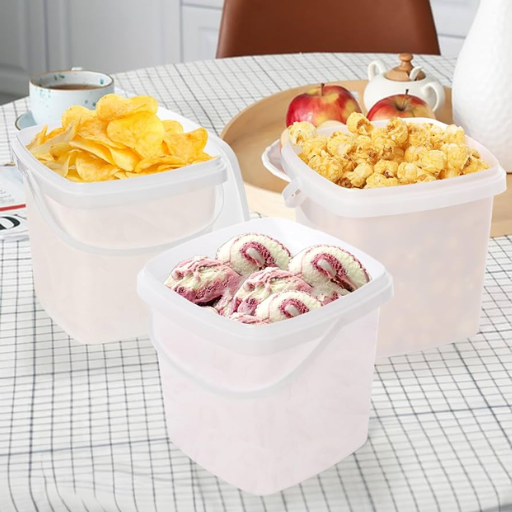
A procurement manager at a mid-sized electronics manufacturer opened three different Certificates of Analysis for the same ABS grade. One supplier listed melt flow index at 220°C. Another tested at 200°C.
The third omitted test temperature entirely. By the time she reconciled the data, her injection molding line had already run two shifts of off-spec parts.
If that story sounds familiar, you are not alone. Plastic resin pellets power modern manufacturing, yet choosing and sourcing them remains unnecessarily complex. This guide cuts through the confusion. You will learn what plastic resin pellets are, how they are made, which type fits your application, and how to evaluate suppliers without getting lost in conflicting data.
By the end, you will know how to read a technical data sheet, spot quality risks before they reach your floor, and source pellets that keep your production line running smoothly.
What Are Plastic Resin Pellets?
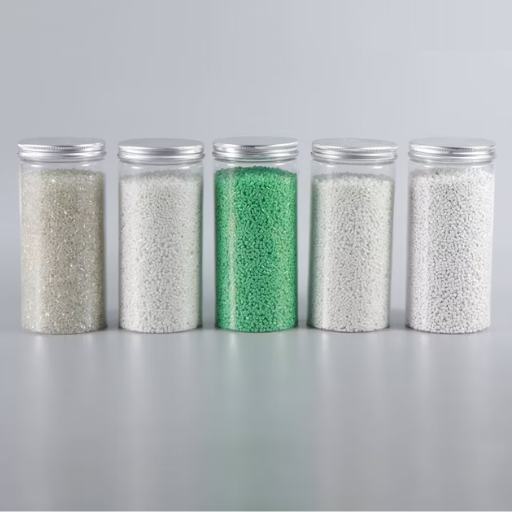
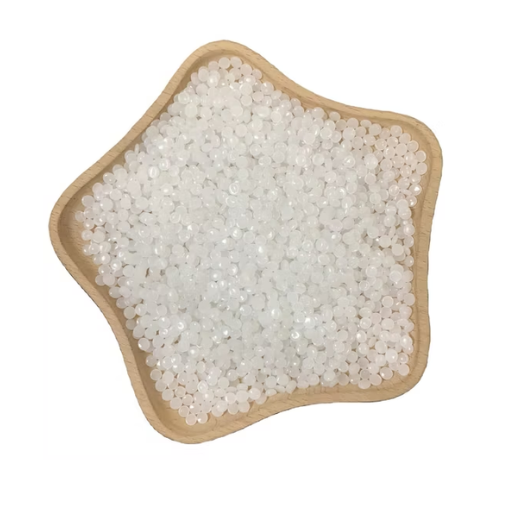
Plastic resin pellets are small, cylindrical or spherical granules of polymer resin. Manufacturers use them as the standard raw material form for injection molding, extrusion, blow molding, and other thermoplastic processes. Most pellets measure 2–5 mm in diameter and offer consistent feeding, precise dosing, and cleaner handling than powder or flake.
The terms “resin” and “plastic” are often interchangeable in manufacturing conversations. In practice, resin refers to the base polymer, while plastic describes the finished material or broad category. Pellets simply make that resin easier to transport, store, and process.
Pellets are produced through polymerization, compounding, extrusion, and cutting. The exact shape and size depend on the pelletizing method. Strand-cut pellets are common for general-purpose resins. Underwater-cut pellets offer rounder, more uniform shapes ideal for high-flow materials. Hot-face cut pellets are typical for some engineering resins and compounds.
Need help matching a resin to your process? Contact our materials team for a fast, expert recommendation based on your specifications.
Major Types of Plastic Resin Pellets
Manufacturers broadly classify plastic resin pellets into commodity resins and engineering resins. Commodity resins handle high-volume, cost-sensitive applications. Engineering resins deliver higher mechanical strength, heat resistance, or chemical resistance for demanding parts.
Commodity Resins
Polyethylene (PE) Pellets
PE is the most widely consumed plastic family globally. It breaks into three main categories:
- HDPE (high-density polyethylene) offers rigidity, strength, and chemical resistance. It suits bottles, caps, pipes, crates, and geomembranes.
- LDPE (low-density polyethylene) provides flexibility and clarity. It excels in film, coatings, squeeze bottles, and wire insulation.
- LLDPE (linear low-density polyethylene) delivers toughness and puncture resistance. It is common in stretch film and heavy-duty bags.
For a deeper look at polyethylene procurement, see our guide on how to source HDPE and LDPE pellets.
Polypropylene (PP) Pellets
PP balances stiffness, impact strength, and chemical resistance at a low density. Homopolymer PP offers higher rigidity for automotive parts and containers. Random copolymer PP improves clarity for medical and food packaging. Impact copolymer PP adds toughness for appliance components and battery cases.
Polyvinyl Chloride (PVC) Pellets
PVC comes in rigid and flexible grades. Rigid PVC serves construction profiles, pipes, and siding. Flexible PVC, softened with plasticizers, is used for cables, flooring, and medical tubing. PVC selection requires attention to stabilizer systems and regulatory limits on plasticizers.
Polystyrene (PS) Pellets
General-purpose polystyrene (GPPS) is clear and easy to process, making it ideal for disposable cups, cutlery, and packaging trays. High-impact polystyrene (HIPS) adds rubber content for better toughness in appliance housings and electronics enclosures.
Polyethylene Terephthalate (PET) Pellets
PET dominates beverage bottle production due to its clarity, barrier properties, and recyclability. Bottle-grade PET has different intrinsic viscosity targets than fiber-grade PET used in textiles. rPET pellets are increasingly used in food-contact packaging under strict certification requirements.
Engineering Resins
ABS Pellets
Acrylonitrile butadiene styrene combines rigidity, impact resistance, and excellent surface finish. It is widely used in automotive interior trim, electronics housings, appliances, and toys. ABS processes well in injection molding and accepts paints and coatings easily.
Polycarbonate (PC) Pellets
PC delivers optical clarity, high impact strength, and heat resistance up to approximately 145°C. It suits automotive lighting, medical devices, electronic enclosures, and safety equipment. For outdoor or high-heat applications, PC blends with ABS or other modifiers often provide better cost-performance balance.
Polyamide (PA / Nylon) Pellets
Nylon grades include PA6, PA66, and PA12. PA66 offers higher heat resistance and strength for under-hood automotive parts. PA6 absorbs more moisture but processes more easily. PA12 provides lower moisture absorption and good chemical resistance for fuel lines and medical tubing.
Other Engineering Resins
- POM (acetal) offers low friction and dimensional stability for gears, bearings, and fasteners.
- PMMA (acrylic) provides excellent optical clarity for lenses, lighting, and displays.
- PBT delivers electrical insulation and heat resistance for connectors and switches.
- PPO / PPE blends balance heat resistance, dimensional stability, and low moisture absorption.
- PPS withstands aggressive chemicals and high temperatures for automotive and industrial applications.
- PEI (Ultem) offers high strength, flame resistance, and sterilization compatibility for aerospace and medical parts.
- PEEK serves extreme environments in oil and gas, aerospace, and medical implants.
Plastic Resin Pellets Comparison
| Resin | Density (g/cm³) | Melt Temp Range (°C) | Key Properties | Common Applications |
|---|---|---|---|---|
| HDPE | 0.941–0.970 | 130–137 | Rigid, chemical resistant | Bottles, pipes, crates |
| LDPE | 0.910–0.940 | 105–115 | Flexible, clear | Film, coatings, squeeze bottles |
| PP | 0.900–0.910 | 160–171 | Stiff, lightweight, fatigue resistant | Automotive, containers, textiles |
| PVC | 1.16–1.45 | 100–260 | Rigid or flexible, flame resistant | Pipes, cables, flooring |
| PS | 1.04–1.05 | 240 | Clear (GPPS), tough (HIPS) | Packaging, appliances |
| PET | 1.38–1.40 | 250–260 | Clear, barrier, recyclable | Bottles, food trays, fibers |
| ABS | 1.03–1.06 | 220 | Impact resistant, good finish | Electronics, automotive trim |
| PC | 1.20–1.22 | 260–310 | Transparent, high impact, heat resistant | Lighting, medical, safety |
| PA66 | 1.13–1.15 | 260 | Strong, wear resistant | Gears, under-hood parts |
| PEEK | 1.30–1.32 | 343 | Extreme heat, chemical resistance | Aerospace, medical implants |
How Plastic Resin Pellets Are Manufactured
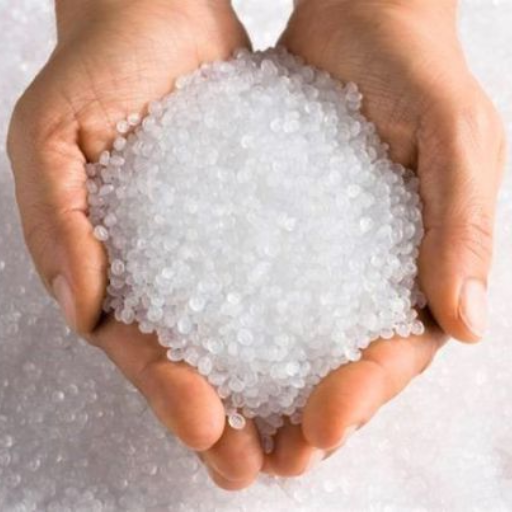
Understanding how pellets are made helps buyers evaluate quality and consistency.
Polymerization
Most commodity plastics begin as monomers produced from petrochemical feedstocks. Addition polymerization links monomers like ethylene or propylene into long polymer chains. Condensation polymerization, used for materials like PET and nylon, releases small molecules like water during chain growth. The resulting polymer may be sold as powder, flake, or melted directly into the compounding step.
Compounding and Additives
Raw polymer rarely reaches the factory floor unchanged. Compounders add stabilizers, lubricants, colorants, flame retardants, reinforcements, or impact modifiers to achieve specific performance. A 30% glass-fiber-reinforced PPO blend, for example, delivers far higher stiffness and heat resistance than unfilled PPO.
Pelletizing Methods
The molten compound passes through a die and is cut into pellets. The three main methods are:
- Strand pelletizing: Molten strands are cooled in a water bath and cut into cylindrical pellets. Common for most commodity and engineering resins.
- Underwater pelletizing: The die face is submerged, and a rotating blade cuts pellets as they cool. Produces rounder, more uniform pellets with less dust.
- Hot-face cutting: Pellets are cut at the die face while still hot and cooled in air or water. Often used for sticky or high-flow materials.
Quality Control
Reliable manufacturers test every lot for melt flow index, density, moisture, color, and mechanical properties. They provide a Certificate of Analysis that ties results to a specific batch number. Without that traceability, you cannot verify consistency from one shipment to the next.
Choosing the Right Plastic Resin Pellets for Your Application
When Maria took over procurement at a medical device startup, her team was buying “ABS pellets” from the lowest bidder. The parts warped during sterilization. After switching to a heat-resistant PC/ABS blend with validated lot testing, defect rates dropped by 40%. The lesson: generic labels hide expensive problems.
Match the Resin to the Manufacturing Process
- Injection molding demands good flow, fast cycle times, and consistent shot-to-shot behavior. MFI is critical here.
- Extrusion requires stable melt strength and uniform output. Materials with narrow molecular weight distribution run more smoothly.
- Blow molding needs high melt strength to support parison formation without sagging.
- Compression molding suits heavily filled or thermoset-like compounds that do not flow easily through screws.
Match the Resin to the Application
Start with the end-use environment. Will the part see high temperatures, chemicals, UV exposure, or mechanical load? Does it need FDA compliance, UL94 flame rating, or automotive approval? These requirements narrow the field quickly.
How to Read a Technical Data Sheet
A technical data sheet tells you what a pellet can do. Focus on these key properties:
- Melt flow index (MFI / MFR): Measures how easily the material flows when melted. Higher MFI means easier flow but usually lower mechanical strength. Always confirm the test temperature and load.
- Tensile strength and flexural modulus: Indicate how strong and stiff the material is under load.
- Heat deflection temperature (HDT): Shows the temperature at which the material deforms under a specified load.
- Impact strength (Izod / Charpy): Measures toughness and resistance to sudden impact.
- Density: Helps confirm material identity and estimate part weight and cost.
Verify Certifications and Compliance
Different industries require different certifications. Common ones include:
- ISO 9001: Quality management system baseline.
- FDA / EU food contact: Required for food packaging and processing equipment.
- RoHS / REACH: Restricts hazardous substances in electronics and consumer goods.
- UL94: Flame rating for electrical and electronic applications.
- ISO 10993: Biocompatibility for medical devices.
- GRS: Global Recycled Standard for recycled-content claims.
Always request a Certificate of Analysis for every lot. Compare results to your incoming inspection standards before releasing material to production.
Want a resin recommendation tailored to your application? Request a quote and our engineers will match your specs to the right grade.
Handling, Storage, and Processing Best Practices
Even the best plastic resin pellets can cause defects if they are mishandled.
Moisture Sensitivity by Resin Type
Some resins absorb moisture from the air and must be dried before processing. Hygroscopic materials include PA, PET, PC, PBT, and TPU. Non-hygroscopic materials like PE, PP, PS, and ABS can usually be processed with minimal drying, though surface moisture from cold storage should still be removed.
Recommended Drying Parameters
Typical drying conditions include:
- PA66: 80–90°C for 4–6 hours
- PET: 130–140°C for 4–6 hours
- PC: 120–130°C for 3–4 hours
- PBT: 120–130°C for 3–4 hours
Use desiccant dryers for hygroscopic resins. Hot-air dryers rarely remove moisture deeply enough for these materials.
Storage Conditions
Store pellets in a cool, dry place away from direct sunlight. UV exposure can degrade some resins and cause color shift. Keep bags sealed until use to prevent contamination from dust, moisture, or other materials. Label every container with resin grade, lot number, and open date.
Common Processing Defects and Prevention
- Splay or silver streaking: Usually caused by moisture in hygroscopic resins. Fix with proper drying.
- Degradation or discoloration: Caused by excessive heat or long residence times. Reduce barrel temperatures or increase cycle speeds.
- Dimensional instability: Often results from inconsistent cooling or moisture. Check mold temperature and material conditioning.
- Color inconsistency: Can indicate poor mixing, contaminated regrind, or lot-to-lot variation. Verify color specifications with each shipment.
Virgin vs. Recycled vs. Bio-Based Plastic Pellets
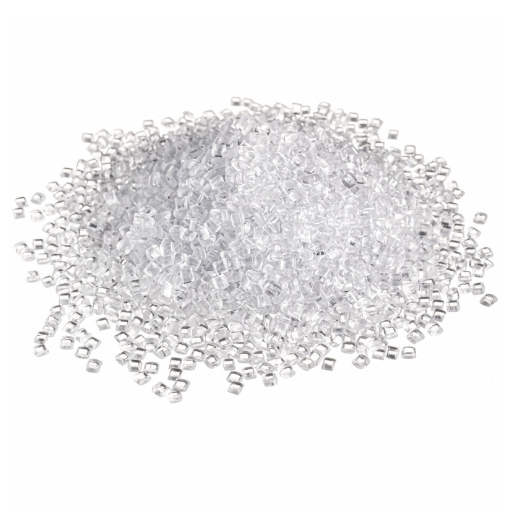
The choice between virgin, recycled, and bio-based pellets depends on performance requirements, cost targets, and sustainability goals.
Virgin Resin Pellets
Virgin pellets are produced from newly polymerized resin. They offer the most consistent mechanical properties, broadest regulatory approvals, and widest color matching options. Virgin is the right choice for food contact, medical devices, high-precision parts, and color-critical applications.
Recycled Plastic Resin Pellets
Recycled pellets come from post-industrial or post-consumer sources. Post-industrial recycled material is cleaner and more consistent because it comes from known manufacturing scrap. Post-consumer recycled material varies more but supports circular economy goals.
High-quality recycled pellets can retain 75–95% of virgin mechanical properties, depending on polymer type and processing history. They typically cost 20–50% less than virgin resin. Cost savings are highest for non-food applications such as crates, pallets, black film, and industrial parts.
For guidance on finding reliable suppliers, read our article on recycled plastic pellet suppliers.
Bio-Based and Biodegradable Pellets
Bio-based pellets such as PLA and PBS are derived from renewable sources like corn starch or sugarcane. They appeal to brands with aggressive sustainability targets. However, they often have lower heat resistance and limited mechanical recycling streams. Industrial composting facilities are required for many biodegradable grades, so end-of-life logistics matter.
Quick Selection Matrix
| Material Type | Best For | Key Trade-Off | Typical Cost |
|---|---|---|---|
| Virgin | Food contact, medical, color-critical parts | Higher cost, larger carbon footprint | Baseline |
| Recycled | Industrial parts, packaging, non-food items | Batch-to-batch variation | 20–50% below virgin |
| Bio-based | Disposable goods, brand sustainability goals | Lower heat resistance, limited recycling | Premium to commodity virgin |
Pricing and Sourcing Considerations
The global plastics market is forecast to reach approximately USD 482.2 billion in 2026, with plastic resins representing a major share of that value, according to Future Market Insights. Understanding what drives price helps buyers negotiate more effectively.
Commodity Resin Pricing Drivers
Commodity resins like PE and PP track crude oil and natural gas prices because they are derived from petrochemical feedstocks. Supply disruptions, plant maintenance, and regional demand also move prices quickly. Buyers often use index-based contracts or quarterly price adjustments to manage volatility.
Engineering Resin Premium Factors
Engineering resins cost more because of lower production volumes, higher additive content, and stricter quality requirements. Specialty grades with glass fiber, flame retardants, or medical approvals carry additional premiums.
Volume and Contract Structures
Higher volumes unlock lower per-kilogram pricing. Annual contracts provide price stability and supply security. Spot purchases offer flexibility but expose buyers to price swings and availability risk.
China Sourcing Context
China is the world’s largest producer of many plastic resins and compounds. Sourcing from Chinese suppliers can reduce material costs, but buyers should verify factory capabilities, quality systems, and export experience. Always request samples, conduct incoming inspection, and confirm that Certificates of Analysis match your specifications.
Landed Cost Factors
Material price is only one part of total cost. Include freight, customs duties, warehousing, quality testing, and financing in your comparison. A lower unit price can disappear quickly if shipments are delayed or inconsistent.
Sustainability in Plastic Resin Sourcing
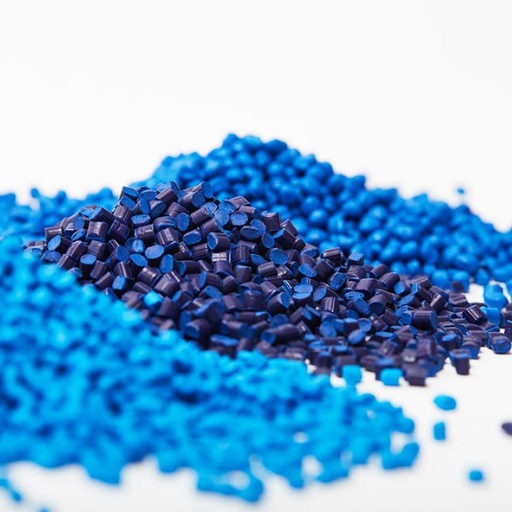
Sustainability does not have to conflict with performance. Many manufacturers now use recycled pellets for non-critical components while reserving virgin resin for food-contact or structural parts. This hybrid approach meets ESG targets without sacrificing quality.
Lightweight plastic components also reduce fuel consumption in transportation and aerospace. The recycled plastic pellets market is projected to grow at approximately 9.1% CAGR, reaching USD 13.9 billion in 2026, according to Business Research Insights.
When evaluating sustainable options, ask three questions:
- Does the recycled or bio-based grade meet your mechanical and regulatory requirements?
- Can your supplier provide consistent lot-to-lot quality and traceability?
- Does the total cost, including any processing adjustments, make economic sense?
A well-designed sustainability program reduces waste, cuts material costs, and supports customer expectations. It should never compromise part performance or production reliability.
Conclusion
Plastic resin pellets are the raw material foundation of modern manufacturing. Choosing the right pellet means matching polymer type, grade, certification, and supplier capability to your specific application. Procurement success depends on more than price. It requires clear specifications, reliable quality data, and a partner who understands your production goals.
Key takeaways:
- Define your application, process, and compliance requirements before requesting quotes.
- Compare technical data sheets using consistent test methods and conditions.
- Verify lot traceability, certifications, and incoming inspection protocols.
- Consider virgin, recycled, and bio-based options based on performance and sustainability goals.
- Factor total landed cost, not just unit price, into supplier decisions.
Ready to source plastic resin pellets with confidence? Contact Yifuhui’s materials team today for a tailored recommendation and competitive quote. We will help you find the right resin, verify every specification, and keep your production line moving.