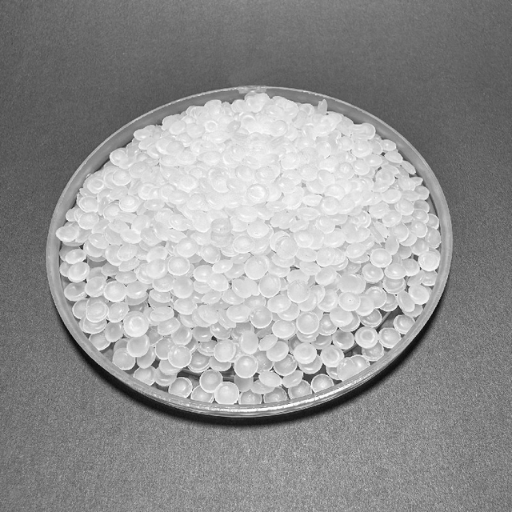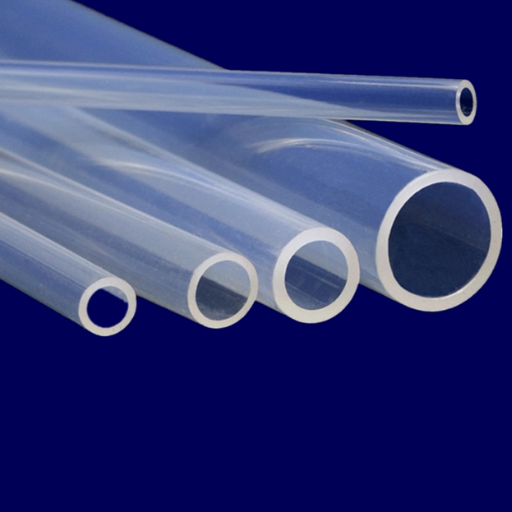
The modern passenger car consumes between 150 kilograms and 200 kilograms of plastic materials. About 50 percent of all vehicles now contain polymer components that exceed metal components according to their parts count. The engineering plastics used in vehicles make it possible to complete all necessary functions which require high performance in both engine compartments and passenger areas. The intake manifold endures temperatures of 150°C. The headlamp lens produces protection against rocks and ultraviolet radiation. The connector maintains a 12-volt current connection for fifteen winters while exposed to road salt.
The automotive industry already requires you to understand that resin selection involves multiple choices while specification documents contain extensive information. The wrong material choice on any single part creates warranty claims, recalls, and lost programs. The right choice cuts weight, consolidates assembly steps, and trims cost from the bill of materials.
The guide demonstrates which engineering plastics match different automotive applications to specific tasks. We present eight resin families that lead vehicle programs through their complete product development process while we specify application areas which include exterior, interior, under-hood, electrical, and EV-specific components. We establish property thresholds for ICE and electric powertrains and present current $/kg pricing benchmarks and methods to assess suppliers without losing time on incorrect grades.
Need a quick material consult for your program? Our engineering team at Suzhou Yifuhui reviews your part requirements, recommends the right resin family, and quotes pellets in tier 1 and tier 2 volumes. Request a material consult and we will respond within 24 hours.
Why Automotive Manufacturers Use Engineering Plastics
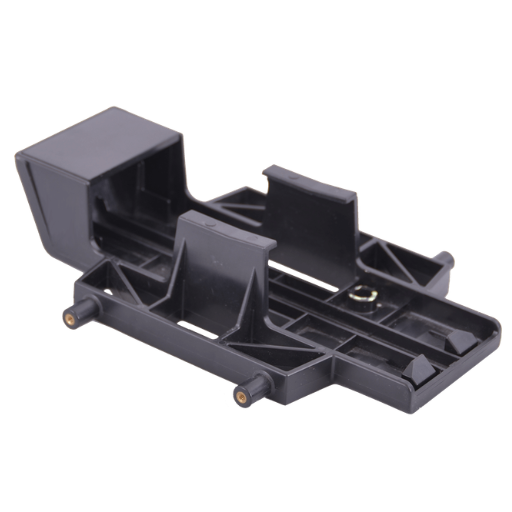
The increasing use of engineering plastics within vehicles exists to improve performance capabilities because metal materials show superior strength-to-cost ratios for all vehicle components except for structural elements. If readers want a broader framework for comparing resin families, selection criteria, and common manufacturing trade-offs, they can review our engineering plastics material selection guide before diving into automotive-specific applications.
Lightweighting And Fuel Economy
The entire weight reduction process leads to the highest level of fuel economy benefits. Internal combustion vehicles experience fuel savings between 0.3 to 0.5 L per 100 km which results from reducing vehicle weight by 100 kg. The same 100 kg weight reduction for battery electric vehicles results in a driving range increase which ranges from 6 to 10 percent.
Engineering plastics achieve weight reductions between 40 to 60 percent when compared to aluminum which maintains similar stiffness through proper reinforcement. The materials achieve weight reductions between 70 to 80 percent when compared to steel. The glass-fiber reinforced PA66 material has become the standard material for new intake manifolds because it has replaced cast aluminum in more than 90 percent of new designs.
Mark works as a powertrain engineer at a European tier 1 supplier which handles powertrain design and delivery to vehicle manufacturers. The team which he led performed a material substitution which replaced a 4.2 kg cast aluminum intake manifold with a 1.8 kg PA66-GF35 component during the year 2023. The new manifold saved 2.4 kg per vehicle, cut tooling cost by 30%, and improved airflow geometry that boosted volumetric efficiency by 4%. The OEM implemented the part across three different engine families.
Design Freedom and Part Consolidation
The process of injection molding combines between five to fifteen metal sub-assemblies into one single resin component. The assembly uses snap-fits and integrated clips and overmolded inserts as their main method of attachment. The ability to create complex 3D shapes allows engineers to design aerodynamic surfaces which exceed the limits of stamped metal technology.
The process of consolidating materials results in lower expenses for assembly work. The modern instrument panel substrate now uses a single PC/ABS molding to create mounting bosses and HVAC duct interfaces and airbag housings and trim attachment features. The metal version of the same assembly used to require 9 separate parts and 14 fasteners.
Corrosion and Chemical Resistance
Plastics do not rust. They maintain their structural integrity because they do not experience electrochemical corrosion when exposed to metals of different types. The material provides complete protection against fuels and oils and brake fluid and coolant and road salt and washer fluid throughout the entire duration of vehicle operation.
The area around the engine and fuel system and underbody areas represents the location where that protection provides its greatest value. POM door lock components and PBT sensor housings survive 15-year salt exposure that would destroy stamped steel.
Cost and Manufacturing Efficiency
High-cavity tooling enables cycle times under 60 seconds for most automotive parts. The per-part cost decreases by 30 to 50% after metal stampings have been fully amortized. The injection-molded parts require less post-processing because they come from the press with their painted surfaces and plated cosmetics and finished textures already applied.
The Eight Engineering Plastics That Build Modern Cars
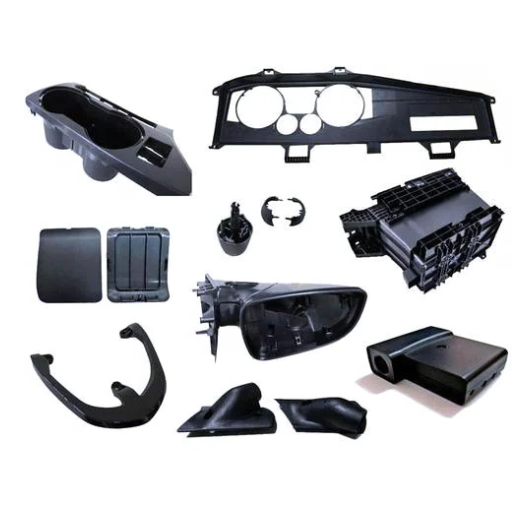
The majority of automotive engineering plastic volume which reaches 85% uses eight different resin families as its primary source. The process of selecting materials efficiently begins with understanding every material’s capabilities and limitations.
Polypropylene (PP) The Volume Leader
PP accounts for approximately 50% of automotive plastic by weight. Its composition makes it suitable for production because it maintains lightweight properties while offering affordable pricing and protection against chemical substances and manufacturing processability. The market for bumpers and dashboards and door panels and battery casings and HVAC ducts and fender liners shows dominance of impact-modified and talc-filled PP grades.
The Yuplene R370Y random polypropylene grade Yifuhui supplies delivers the impact strength and clarity required for transparent interior components. Glass-reinforced PP grades have moved into structural roles where PA66 was previously specified, at roughly half the cost per kilogram.
ABS and PC/ABS Blends
ABS provides excellent surface finish, dimensional stability, and plating compatibility. The automotive industry uses ABS as a material for making instrument panel substrates and center console trim and A and B and C pillar components and grilles and wheel covers.
PC/ABS blends layer polycarbonate’s impact and heat resistance onto the moldability of ABS. The result is the workhorse material for instrument panel carriers, airbag housings, and trim parts that must survive cabin temperatures up to 100°C without warping. For detailed property comparisons, our PC vs ABS guide walks through specific differences.
Polycarbonate (PC)
PC provides superior optical clarity and impact strength which no other transparent thermoplastic material can deliver. Hard-coated PC has replaced glass in roughly 95% of new headlamp lenses worldwide. The weight saving reaches 4.5 kilograms per vehicle because PC allows the creation of complex aerodynamic surfaces which glass materials cannot achieve.
Yifuhui supplies Makrolon 2805 polycarbonate pellets for headlamp lens, interior light cover, and panoramic glazing programs. The PC material provides weight reduction benefits which directly improve vehicle dynamics within sunroof glazing applications.
Polyamide 6 and 6/6 (PA6 / PA66)
Glass-reinforced PA66 owns the under-hood structural space. Air intake manifolds, engine covers, cooling system components, oil pans, gear shift housings, and electrical connectors all specify PA66-GF30 or PA66-GF50 grades. The material handles 150°C continuous service temperature and short-term excursions to 200°C. For readers evaluating grades, reinforcement levels, and sourcing considerations in more detail, our PA66 nylon pellets guide offers a useful deeper reference.
PA6 conveys the same performance level as PA6 at a reduced price and diminished thermal efficiency. The material absorbs increased moisture levels which engineers must calculate when selecting sizes for components that need precise dimensions.
Polyoxymethylene (POM / Acetal)
POM demonstrates excellent stiffness combined with reduced friction and superior dimensional stability. POM provides fatigue and creep resistance to fuel system components and door lock mechanisms and gears and seat-belt latches and window regulators.
The material’s low friction coefficient lets POM gears run dry against steel or other POM parts. The solution enables drivers to drive their vehicles without needing lubrication throughout the entire operational period. If you need a closer look at processing behavior, wear performance, and grade selection for moving components, see our POM acetal pellets guide.
Polybutylene Terephthalate (PBT)
PBT provides excellent electrical insulation together with high heat resistance and reliable dimensional stability. The PBT-GF15 and PBT-GF30 grades serve as the standard material for wire harness connectors and ignition system housings and sensor bodies and motor end caps. The material establishes itself as the standard for under-hood electronics because it withstands automotive fluids while maintaining dimensional stability between -40°C and +150°C.
Polyphenylene Sulfide (PPS)
PPS operates as a permanent service solution that functions correctly at temperatures reaching 220°C while maintaining its built-in flame resistance. The industry now uses glass-filled PPS for water pumps and thermostats and fuel rails and EGR valves and e-motor components and EV inverter modules. The resin expenses increase because it improves weight reduction and corrosion protection for demanding under-hood and electrification components. For teams comparing high-temperature options for aggressive automotive environments, our PPS plastic resin guide explains where PPS earns its premium.
Polyetherimide (PEI / Ultem)
PEI delivers 170 to 200°C service temperature, high mechanical strength, and the transparent amber appearance familiar from aerospace components. The automotive industry uses PEI for EV busbar insulation and charging connector housings and sensor housings and high-temperature lighting reflectors. The material is essential where flame ratings, dimensional stability under load, and electrical insulation must all coexist in one component.
The eight remaining thermoplastic elastomers TPE and TPV provide weatherstripping solutions and window seal applications and CV boot manufacturing and soft-touch interior surface production. For readers exploring rubber-replacement materials in sealing and soft-touch parts, our TPE TPV material guide gives added detail on selection. The material PMMA includes tail lamp lenses and instrument cluster covers and badge inserts. The material PPO blends (Noryl) exist in wheel covers and structural inserts. The modern automotive resin portfolio includes these material families.
Engineering Plastics for Automotive Applications by Vehicle Zone
The process of choosing materials for the project becomes easier when you categorize components according to their installation locations. The temperature and mechanical and chemical and electrical requirements of each vehicle section create a distinct set of demands for all components.
Exterior
Exterior parts face UV, rain, road salt, gravel impact, and temperature swings from -40°C to +85°C in the sun. Material choices:
- Bumpers and fascias: Impact-modified, talc-filled PP
- Body panels and fenders: PC/PBT blends, PPO, TPO
- Headlamp lenses and housings: Hard-coated PC, PMMA, PEI
- Grilles and trim: Chrome-plated ABS, weather-resistant ASA
- Mirror housings: PC/ABS, PP-GF
Interior
Interior parts must meet flammability ratings, low VOC emissions, soft-touch aesthetics, and 100°C sun-load resistance. Material choices:
- Instrument panel substrate: PP, ABS, PC/ABS, TPO skin over PUR foam
- Door panels: Talc-filled PP, ABS, PC/ABS
- Seating frames and trim: PP, PA66, TPE armrest pads
- Dashboard and console: PC/ABS, PMMA covers, soft-touch TPE inserts
- HVAC ducts and registers: PP, ABS, PC/ABS
Under-Hood
The engine bay reaches 120 to 150°C continuous and short-term peaks beyond 200°C. Chemical exposure includes engine oil, coolant, brake fluid, and fuel. Material choices:
- Air intake manifolds: PA66-GF30 to GF50 (replacing cast aluminum)
- Engine covers: PA66-GF, PP-GF
- Cooling system (radiator end tanks, expansion bottles): PA66, PP
- Battery trays and 12V cases: PP, PP-GF
- Fuel system: POM, PA12, HDPE
- Brake fluid reservoirs: PP
Electrical and Electronics
Connector and module housings must hold dimensional tolerance through temperature cycles, resist creep under bolt load, and meet UL94 flame ratings. Material choices:
- Wire harness connectors: PA66, PBT, PA46
- Sensor housings: PBT-GF, PA66-GF, PPS
- ECU and module housings: PBT, PPS, PEI
- Lighting reflectors: PEI, high-heat PC
EV-Specific Applications
Electric vehicles add a new set of demands around high-voltage isolation, flame propagation barriers, and weight-driven range optimization. Material choices:
- Battery pack housings: PP, PC/ABS, PA6-GF
- Cell holders and module frames: Flame-retardant PP, PA66-GF
- Busbar insulation: PEI, PPS
- Charging inlet housings: PBT-GF, PC/ABS
- E-motor end caps and rotor components: PPS, PEEK
- Thermal runaway barriers: High-heat PA, PPS, mica-filled grades
Wei works as a battery pack engineer at an electric vehicle startup located in Shenzhen. In late 2024, his team required a 90 kWh battery pack lower housing which needed to meet UL94 V-0 standards while achieving an 18% weight reduction compared to stamped steel. The team first selected PA6-GF35 as their material choice before proceeding to conduct cost simulations. They changed their material choice to flame-retardant glass-filled polypropylene because it enabled them to achieve matching flame rating requirements while reducing their bill-of-materials costs by 22% and maintaining their scheduled delivery date.
Working through a vehicle zone with mixed material needs? Our team helps tier 1 and tier 2 buyers consolidate sourcing across PP, ABS, PC, PA66, POM, PBT, PPS, and PEI under a single supplier relationship. Request a multi-resin quote to simplify your procurement and shorten lead times.
Match the Resin to the Performance Requirement
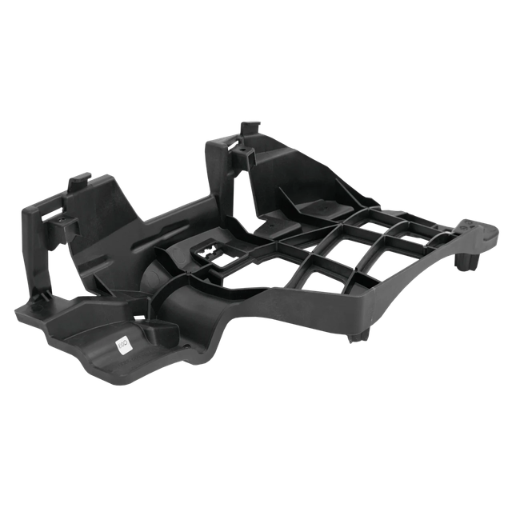
Most material selection mistakes occur because engineers choose their common resins instead of selecting the proper material for their specific application. The following decision logic prevents that.
Step 1: Define Operating Temperature
|
Continuous Service Temperature |
Resin Options |
|---|---|
|
Up to 100°C |
PP, ABS, HDPE |
|
100 to 150°C |
PA6, PC/ABS, POM |
|
150 to 220°C |
PA66-GF, PBT, PPO, PEI |
|
220°C and above |
PPS, PEEK, fluoropolymers |
Step 2: Identify Mechanical Load
Glass-fiber reinforcement at 15%, 30%, or 50% increases tensile strength, flexural modulus, and creep resistance. The mineral-filled grades provide increased stiffness while maintaining the surface finish of visible parts. Long-fiber thermoplastic (LFT) composites provide structural capacity which used to be exclusive to metal materials.
Step 3: Confirm Chemical and Fluid Exposure
The materials POM and PA12 can withstand direct fuel contact. The material PP provides resistance against both aqueous and alkaline fluids. The material PPS can endure all types of chemical substances that exist in under-hood environments. The generic polymers PE and PP experience softening when they come into contact with aromatic hydrocarbons.
Step 4: Specify Flame Retardance and Electrical Properties
The EV high-voltage components require compliance with UL94 V-0 standard. The busbar insulation requires a Comparative Tracking Index that exceeds 600 V value. OEM specifications and end-of-life regulations now demand halogen-free flame retardant grades as mandatory requirements.
Step 5: Lock In Color, UV, and Weatherability
Exterior parts need UV-stabilized formulations for their protection. Interior parts must meet low-emission VOC standards. Black, gray, and OEM-specific color codes typically run at a small premium over natural grades.
Lightweighting, Sustainability, and OEM Compliance
Automotive programs now use engineering plastics which meet three growing requirements. The three requirements include CAFE and CO2 regulation. The second requirement involves end-of-life recyclability targets. The third requirement depends on original equipment manufacturers who create their own material standards.
Lightweighting Math
A 10% vehicle weight reduction delivers roughly 6 to 8% fuel savings in ICE vehicles. The same weight reduction achieves a 10% range increase for electric vehicles. The most economical solution to achieve these benefits involves replacing steel and aluminum with resin materials for various components.
Recycled Content and ELV Compliance
The EU End-of-Life Vehicle (ELV) directive targets 95% vehicle recoverability. Major OEMs are committing to 25 to 30% post-consumer recycled (PCR) content by 2030. The recycled feedstock supply chain mainly uses PP and PA and PET materials. Your program remains protected through resin specifications which accept high PCR content because this prevents future compliance issues.
OEM Material Specifications
OEM material specifications require tier 1 and tier 2 suppliers to provide resin materials which meet these standards. The Ford WSS-M series and GM GMW and VW TL and Toyota TSM and Stellantis MS standards define specific application grades which manufacturers must use. Tier 1 suppliers also need IATF 16949 quality system certification. The OEM Production Part Approval Process requires PPAP documentation for resin batches to complete their approval process.
Sustainability Trends 2026 and Beyond
Three sustainability shifts are reshaping resin procurement:
- Bio-based polyamides (PA610 and PA11 from castor oil) gaining traction for interior trim and tubing.
- Mass-balance and chemically recycled feedstocks entering ABS, PP, and PC supply chains.
- Carbon-footprint reporting per resin batch becoming a standard OEM supplier requirement.
Procurement and Supplier Selection
Most automotive resin suppliers do not show their pricing information to customers. The following benchmarks give you a working range when planning programs. The final quotes will depend on four factors which include grade volume and color and certification requirements.
Indicative Pellet Pricing (USD per kg, 2026)
|
Resin |
Typical Price Range |
|---|---|
|
PP (unfilled, automotive grade) |
1.40to1.40to1.90 |
|
PP-GF30 |
1.80to1.80to2.60 |
|
ABS |
1.80to1.80to2.40 |
|
PC |
2.80to2.80to4.20 |
|
PC/ABS |
2.80to2.80to4.00 |
|
PA66-GF30 |
3.20to3.20to4.80 |
|
POM |
2.50to2.50to3.80 |
|
PBT-GF30 |
2.80to2.80to4.20 |
|
PPS-GF40 |
7.50to7.50to12.00 |
|
PEI (Ultem grade) |
14.00to14.00to22.00 |
|
TPV (Santoprene-equivalent) |
3.50to3.50to6.50 |
Supplier Evaluation Checklist
Before placing a program-level order with any pellet supplier, verify:
- IATF 16949 quality system certification
- Documented batch melt-flow and mechanical test data
- OEM specification compliance (Ford WSS-M, GM GMW, VW TL, Toyota TSM)
- Glass-fiber length retention data for reinforced grades
- Color and UV stability testing
- MOQ and lead times aligned with your production schedule
- Logistics capability from origin port to assembly plant
Global Producer vs Qualified China Supplier
The premium tier (Covestro, SABIC, BASF, DuPont, Celanese, LANXESS, Solvay, Toray) leads on R&D and branded grades. Chinese engineering resin producers who meet OEM specifications now produce qualified materials which cost 15 to 30% less while maintaining the same property window. The two tiers achieve victory through their different program approaches. The lead time and certification depth together with the need for specific branded material or qualified equivalent must be evaluated before making a decision.
Anna works as a procurement manager at a North American tier 2 supplier who needs to specify an interior trim component. Her original sun-exposed dashboard cover specified unstabilized ABS. Eighteen months into production field returns started reporting UV cracking. The corrective action cost $4 million in field replacement and a switch to UV-stabilized PC/ABS. The original RFQ grade review could have prevented program risks through its identification of grade risks.
How Yifuhui Supports Automotive Resin Buyers
Suzhou Yifuhui provides complete engineering plastic solutions for automotive projects through its single product catalog. Our inventory includes PP ABS PC PC/ABS PA66 POM PBT PPS PEI and TPE/TPV material grades. The inventory already contains branded grade references which include Makrolon 2805 PC Yuplene R370Y PP glass-fiber reinforced PA66 and Santoprene-equivalent TPV pellets.
We deliver every pellet shipment with our stringent batch quality control system which includes test data documentation and our price model which offers competitive rates for tier 1 and tier 2 program volumes. The technical team provides assistance with material selection processing parameter optimization and OEM specification alignment. The supply chain system maintains production schedule through its ability to deliver products from Suzhou to assembly plants across the globe.
Frequently Asked Questions
What is the most used plastic in automotive?
The automotive industry predominantly uses polypropylene as its primary plastic material. The automotive industry utilizes PP plastic for approximately 50% of its total vehicle weight. The material serves as the primary choice for building bumpers and dashboards and battery casings and HVAC ducts and interior trim because it offers affordable pricing and lightweight properties and chemical resistance and superior molding capabilities.
How much plastic is in a modern car?
A typical passenger car contains 150 to 200 kg of plastic. That is roughly 12 to 15% of total vehicle mass and around 50% of total parts by volume. Electric vehicles contain 15 to 25% more plastic materials than their ICE counterparts because manufacturers want to improve their driving range.
Which plastic is best for car bumpers?
Car bumpers typically use impact-modified polypropylene as their standard building material. Talc-filled and elastomer-modified PP grades deliver the required impact strength, low-temperature toughness, and paintability while keeping cost and weight low.
What plastics are used in EV battery housings?
Flame-retardant polypropylene and glass-fiber reinforced PA6 and PA66 and PC/ABS blends and PPS serve as the primary materials for EV battery housings which include cell holder and thermal barrier components. Selection depends on flame rating (UL94 V-0), mechanical strength, and thermal-runaway requirements.
Conclusion: Build Your Program on the Right Resin
The current vehicle material standards for modern automobiles use engineering plastics which automotive manufacturers have developed for their vehicle engineering needs. The materials PP ABS PC PA66 POM PBT PPS and PEI provide various physical characteristics which manufacturers use to create products ranging from vehicle exterior trim to electric vehicle battery enclosures. The selection process requires information about four factors which include operating temperature and mechanical load and chemical exposure and flame requirements and the OEM specification you must meet.
Three takeaways for your next program:
- Match the resin to the part, not the part to the resin. Familiar materials are not always the right ones.
- Lightweighting math, ELV recyclability targets, and EV electrification continue to expand the role of high-performance grades.
- Consolidating sourcing across multiple resins through a single qualified supplier protects schedule, quality, and total program cost.
Yifuhui supplies the engineering plastics behind production-grade automotive parts every day. Contact our engineering team to discuss your program. We will review your requirements, recommend the right grade, and quote pellets at tier 1 and tier 2 volumes. Our team responds within 24 hours with technical data sheets and pricing aligned to your production schedule. To learn more about High Temperature Engineering Plastics: 2026 Selection Guide for Engineers and Buyers, please click to view our accompanying guide.