A packaging buyer in Shenzhen once approved an LDPE pellet order for a blow-molded bottle line that normally ran HDPE. The bottles looked fine coming off the machine. Three days later, stacked pallets in the warehouse began to sag. By the end of the week, the customer rejected 8 metric tons of product.
The resin was not defective. It was simply the wrong polyethylene for the application.
If you source plastic pellets, you’ve probably stared at two quotes that both say “polyethylene” with very different prices and properties. The difference between HDPE and LDPE is not subtle once those pellets hit your production line.
This guide will show you exactly how HDPE vs LDPE compares across density, strength, processing, cost, and real-world applications. You’ll also get a practical checklist for sourcing specification-grade polyethylene pellets from a reliable supplier.
What you’ll learn:
- The molecular reason HDPE is rigid and LDPE is flexible
- Side-by-side property and processing comparisons
- When to choose HDPE, LDPE, or LLDPE
- Industry-specific application guidance
- A procurement checklist for evaluating pellet suppliers
The Quick Verdict: HDPE or LDPE?
Choose HDPE pellets when you need:
- High rigidity and tensile strength
- Excellent chemical and moisture resistance
- Lower material cost per kilogram
- Rigid containers, pipes, crates, or fuel tanks
- Higher service temperatures (up to ~120°C short-term)
Choose LDPE pellets when you need:
- Flexibility, softness, and impact absorption
- Semi-transparent or glossy appearance
- Easy heat sealing for films and bags
- Lower processing temperatures
- Cable insulation, shrink wrap, or squeeze bottles
Both materials share the same base chemistry — polyethylene — but their molecular structures create opposite performance profiles. HDPE has a linear chain with minimal branching, so the chains pack tightly together. That tight packing creates density, stiffness, and strength.
LDPE has long branches that prevent tight packing. That produces a softer, more flexible material with lower density.
What Is HDPE?
High-density polyethylene (HDPE) is a thermoplastic polymer made from ethylene monomers joined into mostly linear chains. Those chains line up closely, giving HDPE its characteristic stiffness. Its density range is 0.941–0.970 g/cm³.
Chemical Structure and Key Properties
HDPE’s linear structure means the polymer chains can crystallize into ordered regions. More crystallinity equals more strength, a higher melting point, and better chemical resistance. Typical HDPE properties include:
- Density: 0.941–0.970 g/cm³
- Tensile strength: 25–45 MPa
- Melting point: 125–137°C
- Flexural modulus: High (stiff feel)
- Chemical resistance: Excellent against acids, bases, and solvents
- Moisture barrier: Very low water absorption
- Transparency: Opaque to translucent
Manufacturing Applications
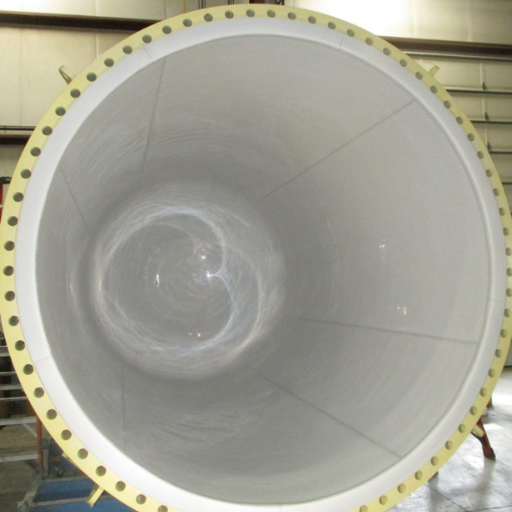
HDPE dominates applications where rigidity and durability matter. Common uses include:
- Rigid bottles and containers for milk, detergent, and chemicals
- Pipes and fittings for water, gas, and drainage systems
- Crates, pallets, and industrial packaging
- Fuel tanks and automotive components
- Geomembranes and pond liners
For a deeper look at grades, specifications, and buying tips, see our complete HDPE pellets procurement and application guide.
Processing Characteristics
HDPE processes well by blow molding, injection molding, and extrusion. However, it requires higher melt temperatures than LDPE.
Typical processing ranges are:
- Melt temperature: 180–260°C depending on grade
- Mold temperature: 20–80°C
- Shrinkage: 1.5–4%, which must be accounted for in tooling design
Because HDPE is stiffer, it also needs appropriate screw geometry and die design. Running HDPE on equipment optimized for LDPE film extrusion will cause poor melt quality, surface defects, and output issues.
What Is LDPE?
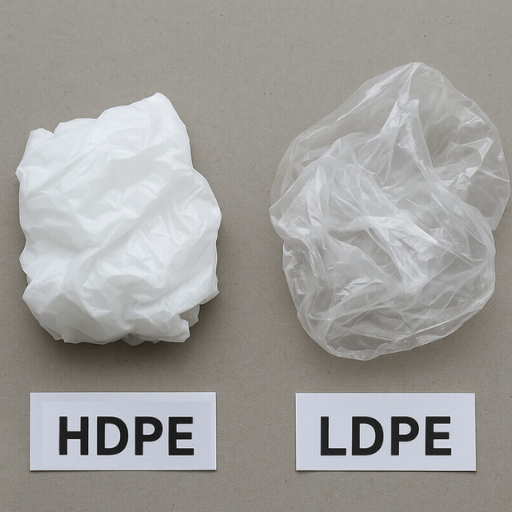
Low-density polyethylene (LDPE) is also made from ethylene, but its polymer chains contain significant long-chain branching. Those branches prevent the chains from packing together. That lowers density and increases flexibility.
Chemical Structure and Key Properties
LDPE’s branched structure reduces crystallinity compared with HDPE. The result is a softer, more flexible material.
Typical LDPE properties include:
- Density: 0.910–0.940 g/cm³
- Tensile strength: 8–25 MPa
- Melting point: 105–115°C
- Flexibility: Soft and pliable
- Chemical resistance: Good, though less than HDPE
- Moisture barrier: Good
- Heat sealability: Excellent
- Transparency: Semi-transparent or glossy
Manufacturing Applications
LDPE excels wherever flexibility, clarity, or sealing performance is required. Typical applications include:
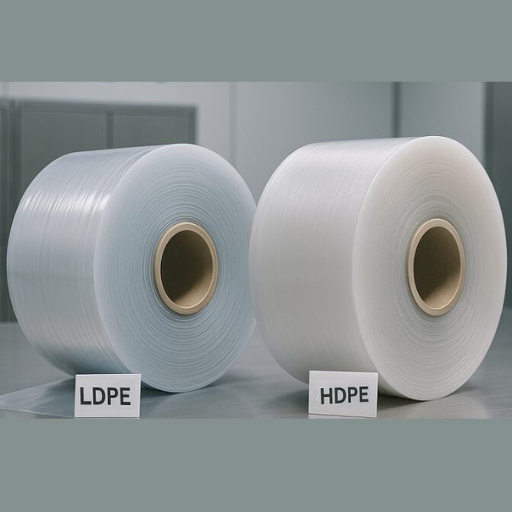
- Plastic films and shrink wrap
- Flexible packaging and grocery bags
- Squeeze bottles and dispensing closures
- Cable and wire insulation
- Protective films and liners
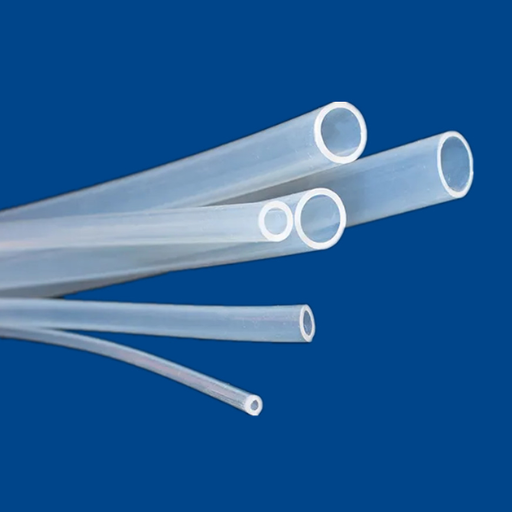
- Tubing for food and medical uses
If you want full grade details and sourcing advice, explore our complete LDPE pellets procurement and application guide.
Processing Characteristics
LDPE processes at lower temperatures than HDPE and flows easily. This makes it ideal for film extrusion and blow molding thin, flexible parts.
Typical processing ranges are:
- Melt temperature: 160–240°C
- Film blowing: Common for packaging films
- Heat sealing: Excellent seal strength at moderate temperatures
Because LDPE is softer and has lower melt strength in some grades, it is not suitable for load-bearing rigid parts. Switching an HDPE pipe extrusion line to LDPE without changing the die and cooling setup would produce collapsed, dimensionally unstable product.
HDPE vs LDPE: Head-to-Head Comparison
The fastest way to understand the difference between HDPE and LDPE is to compare the properties that drive manufacturing decisions.
Master Property Comparison Table
| Property | HDPE | LDPE | Better Choice |
|---|---|---|---|
| Density | 0.941–0.970 g/cm³ | 0.910–0.940 g/cm³ | Depends on weight needs |
| Tensile strength | 25–45 MPa | 8–25 MPa | HDPE |
| Flexibility | Rigid, stiff | Soft, flexible | LDPE |
| Melting point | 125–137°C | 105–115°C | HDPE |
| Chemical resistance | Excellent | Good | HDPE |
| Moisture barrier | Excellent | Good | HDPE |
| Heat sealability | Lower | Better | LDPE |
| Clarity | Opaque to translucent | Semi-transparent/glossy | LDPE |
| Cost per kg | Lower | Slightly higher | HDPE |
| Recycling code | #2 | #4 | — |
Strength and Durability
HDPE wins on strength. Its tensile strength of 25–45 MPa is roughly 2–3 times higher than LDPE’s 8–25 MPa. That’s why HDPE carries water in municipal pipes, holds fuel in automotive tanks, and supports stacked loads in crates.
LDPE is not weak. It absorbs impact well because it flexes. But it can’t replace HDPE in load-bearing applications.
Flexibility and Impact Resistance
LDPE wins on flexibility. Its branched chains allow it to bend, stretch, and recover without cracking. That’s why LDPE is the standard for films, squeeze bottles, and cable insulation.
HDPE can crack under repeated flexing or impact at low temperatures. That limits its use in applications requiring constant bending.
Chemical and Temperature Resistance
HDPE resists a broader range of chemicals and handles higher temperatures. It performs well in contact with cleaning agents, acids, bases, and fuels.
LDPE resists many chemicals too. However, its lower melting point and softer structure make it less suitable for hot-fill or chemically aggressive environments.
Cost Comparison
HDPE is generally lower cost per kilogram than LDPE. However, the real cost calculation should include part weight, processing yield, and cycle time.
A thinner HDPE bottle wall may use less total material than a thicker LDPE design. On the other hand, LDPE’s lower processing temperature can save energy in film extrusion. Always compare total cost per finished part, not just resin price.
Recyclability and Sustainability
Both HDPE (#2) and LDPE (#4) are recyclable. HDPE recycling infrastructure is more widely available. Recycled HDPE (rHDPE) is common in products like trash cans and drainage pipes.
LDPE recycling is growing, especially for film and packaging. However, contamination and collection challenges remain. Wondering whether the two resins can share a recycling stream? Our guide on whether HDPE and LDPE can be recycled together breaks down what happens when they mix.
Many manufacturers now specify recycled plastic pellets content blends. If your sustainability goals require post-consumer recycled polyethylene, confirm the pellet supplier can provide consistent recycled HDPE or recycled LDPE with certificates of analysis. To pick the right recycled grade for your process, compare the options in our rHDPE vs rLDPE pellets guide.
HDPE vs LDPE vs LLDPE: Where Does Linear LDPE Fit?
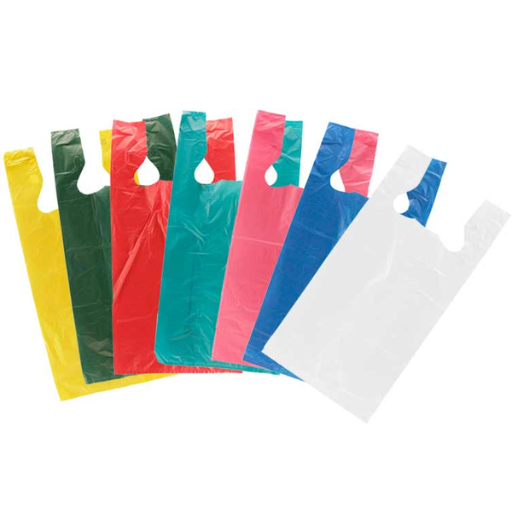
Linear low-density polyethylene (LLDPE) sits between HDPE and LDPE. It has short linear branches rather than the long branches of LDPE. That gives it higher tensile strength and puncture resistance than LDPE while keeping flexibility.
Common LLDPE applications include:
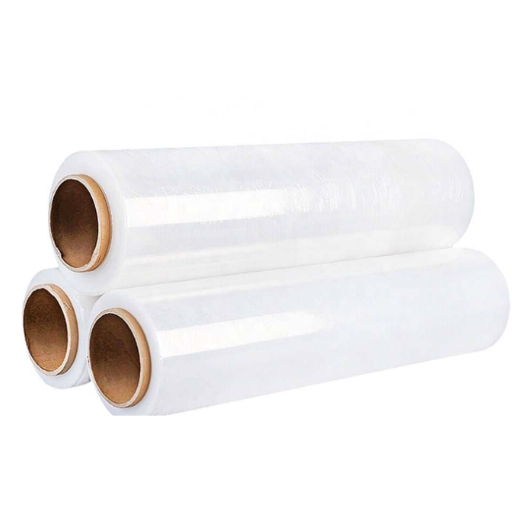
- Stretch film and pallet wrap
- Heavy-duty bags and liners
- Flexible packaging that needs strength without stiffness
- Agricultural films
If your application needs more strength than LDPE but more flexibility than HDPE, LLDPE may be the answer. Many suppliers, including Yifuhui, offer LLDPE pellets alongside standard HDPE and LDPE grades.
How to Choose: HDPE or LDPE Decision Framework
Selecting the right polyethylene comes down to five practical factors.
1. Application Requirements
Start with the end product.
Does it need to hold shape under load? Use HDPE. Does it need to bend, seal, or stretch? Use LDPE. Does it need both flexibility and strength? Consider LLDPE. For a resin-by-resin breakdown of which material wins in each use case, see our HDPE vs LDPE applications selection guide.
2. Mechanical Stress and Environmental Exposure
Will the part see stacking pressure, internal pressure, or outdoor UV exposure? HDPE handles stress and weather better.
Will it see repeated flexing, folding, or impact? LDPE is usually the better fit.
3. Processing Equipment Compatibility
This is where many buyers make expensive mistakes. HDPE and LDPE require different equipment setups.
- Screw geometries
- Die head designs
- Temperature profiles
- Cooling rates
- Sealing or cutting equipment
Do not assume you can swap pellets on the same line without process validation. Film lines, blow molders, and extruders are often optimized for one resin family. For detailed settings across each method, read our HDPE vs LDPE processing guide covering injection molding, extrusion, and blow molding.
4. Budget and Total Cost of Ownership
HDPE resin usually costs less per kilogram. LDPE may reduce energy costs due to lower processing temperatures. Calculate finished part cost, not raw material cost.
5. Regulatory and Sustainability Requirements
Food-contact, medical, and automotive applications may require specific grades, additives, or certifications. If sustainability targets matter, ask your supplier about recycled plastic pellets for injection molding and traceability documentation.
Industry-Specific Applications
Different industries favor HDPE or LDPE based on performance priorities.
Packaging
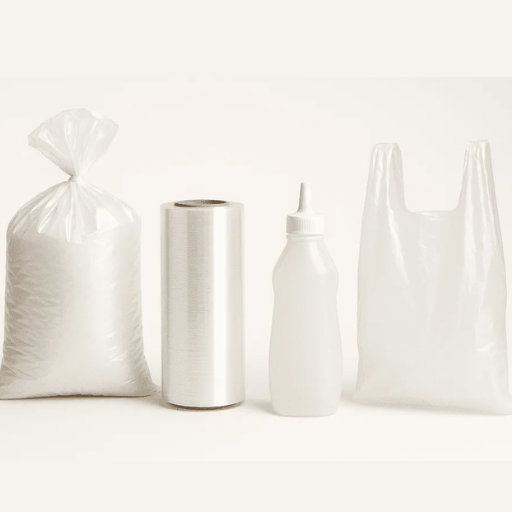
- HDPE: Milk jugs, detergent bottles, caps, rigid containers
- LDPE: Shrink wrap, flexible pouches, grocery bags, liners
- Trend: HDPE downgauging is replacing thicker LDPE films in some bag applications to reduce material use.
If packaging is your main concern, our dedicated HDPE vs LDPE packaging guide helps you match the right polyethylene to each package type.
Automotive
- HDPE: Fuel tanks, ducts, under-hood reservoirs, interior trim
- LDPE: Wire insulation, gaskets, flexible covers
Construction and Pipes
- HDPE: Municipal water pipes, gas distribution pipes, geomembranes, drainage systems
- LDPE: Vapor barriers, waterproofing membranes, protective films
Medical and Food
- HDPE: Pharmaceutical bottles, food containers, sterilizable parts
- LDPE: Flexible medical tubing, food packaging films, squeeze bottles
Before specifying HDPE for food contact, check our guide on whether HDPE is food safe and which food-grade resins to choose.
Cable and Wire
- HDPE: Outdoor cable sheaths, aerial networks, underground cables
- LDPE: Indoor wire insulation where flexibility matters
Agriculture
- HDPE: Irrigation pipes, storage tanks
- LDPE: Greenhouse films, mulch films, protective covers
Sourcing HDPE and LDPE Pellets: Procurement Checklist
The resin choice is only half the battle. The supplier you choose determines whether your production line receives consistent, specification-grade material batch after batch. For a step-by-step walkthrough, follow our complete guide on how to source HDPE and LDPE pellets.
Quality Certifications to Require
Ask for documentation that matches your industry:
- ISO 9001 quality management
- RoHS and REACH compliance for restricted substances
- FDA or EU food-contact approvals where applicable
- Automotive IATF 16949 where required
- Certificate of analysis (COA) for every batch
Batch Consistency and Testing Protocols
Verify that your supplier tests and reports:
- Melt flow index (MFI)
- Density
- Tensile strength
- Color and appearance
- Moisture content
At Yifuhui, every batch of HDPE and LDPE pellets is tested for key properties before release. Consistent MFI and density prevent viscosity shifts. Those shifts cause shot-weight variation, surface defects, and dimensional drift.
Supply Chain Reliability and Lead Times
Ask these questions before placing a large order:
- What is the typical lead time for standard grades?
- Do you stock common grades locally or manufacture to order?
- What is your minimum order quantity (MOQ)?
- Can you split shipments to match production schedules?
A reliable supplier treats your production schedule as their own. Delays in resin delivery often cost more than the material itself.
Pricing Factors and Volume Discounts
Polyethylene pricing moves with crude oil and feedstock markets. When comparing quotes, clarify each of these points:
- Price per kilogram for the exact grade and quantity
- Packaging options (25 kg bags, bulk bags, silo truck)
- Payment terms and currency
- Validity period of the quote
Packaging and Storage Considerations
Pellets should arrive clean, dry, and properly labeled. HDPE and LDPE absorb some moisture. Excessive moisture causes splay and surface defects during processing. Store pellets in a dry area and use sealed containers when possible.
Frequently Asked Questions
What is the main difference between HDPE and LDPE?
HDPE has a linear molecular structure with minimal branching, making it dense, rigid, and strong. LDPE has long-chain branching that prevents tight packing, producing a softer, more flexible material with lower density. This structural difference drives their distinct processing requirements and applications.
Which is stronger, HDPE or LDPE?
HDPE is stronger. Its tensile strength ranges from 25–45 MPa, while LDPE ranges from 8–25 MPa. HDPE also handles higher temperatures and resists more chemicals, which is why it is used for pipes, fuel tanks, and rigid containers.
Is HDPE more expensive than LDPE?
No. HDPE is generally lower cost per kilogram than LDPE. However, the total cost depends on part design, wall thickness, processing energy, and yield. A thinner HDPE part may cost less overall than a thicker LDPE alternative.
Can HDPE and LDPE be recycled together?
They can be recycled together in some industrial settings, but the resulting blend has inconsistent properties. For high-quality recycled pellets, HDPE and LDPE are usually separated. HDPE carries recycling code #2; LDPE carries code #4.
Which is better for packaging, HDPE or LDPE?
It depends on the package type. HDPE is better for rigid bottles, caps, and containers. LDPE is better for films, bags, shrink wrap, and flexible pouches. Many packaging lines use both materials for different components of the same product.
Conclusion
The HDPE vs LDPE decision is not about which material is better overall. It’s about which material matches your application, process, and budget.
HDPE delivers rigidity, strength, chemical resistance, and lower material cost. LDPE delivers flexibility, clarity, heat sealability, and easier processing for films and flexible parts. LLDPE fills the gap when you need both strength and flexibility.
Before you place your next polyethylene order, review the five decision factors: application requirements, mechanical stress, equipment compatibility, total cost, and regulatory needs. Then validate your supplier on quality, consistency, and reliability — not just price.
Key takeaways:
- HDPE and LDPE share the same chemistry but differ in molecular branching, density, and performance.
- HDPE is best for rigid, load-bearing, and chemically resistant parts.
- LDPE is best for flexible films, bags, cable insulation, and squeezable products.
- Equipment and processing parameters differ significantly between the two.
- Always source from a supplier that provides batch testing, certifications, and reliable logistics.