A sustainability director at a packaging company in Jiangsu approved a switch to recycled PP pellets for a new line of delivery crates. The supplier sent a glossy brochure, a one-page certificate, and a competitive quote. The first 20-ton lot looked acceptable on arrival. Two weeks into production, the injection molding team noticed splay marks, dimensional drift, and intermittent blockages at the hot runner. Lab testing revealed the truth: moisture content varied from 0.04% to 0.18% across the lot, and MFI ranged from 22 to 38 g/10min. The supplier had blended several sub-batches to fill the order.
This is the quality control gap that makes procurement teams hesitate about recycled feedstock. Recycled plastic pellets can reduce costs, satisfy sustainability mandates, and perform reliably in production. However, those benefits only materialize when buyers apply disciplined recycled plastic pellets quality control. Price, color samples, and goodwill are not substitutes for measurable specifications, documented test methods, and a rigorous incoming inspection process.
This guide gives manufacturing buyers and quality engineers a practical framework for recycled plastic pellets quality control. If you are new to recycled feedstock, start with our complete guide to recycled plastic pellets for sourcing fundamentals before diving into testing protocols. You will learn which parameters matter most, how they are tested, what a Certificate of Analysis should include, how to inspect incoming lots, and how polymer-specific requirements differ for rPET, rHDPE, rPP, rABS, and rPC. You will also see when it makes sense to rely on supplier QC and when you need in-house testing capability.
Need help verifying recycled pellet specifications for your application? Contact our engineering team for material data sheets, COA samples, and tailored quality agreements.
What Is Recycled Plastic Pellet Quality Control?
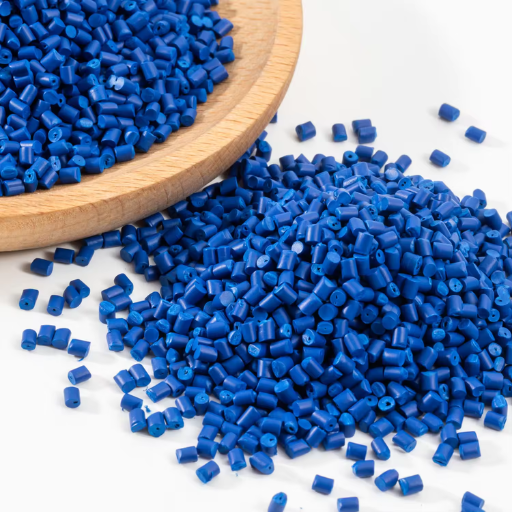
Recycled plastic pellet quality control is the systematic testing and inspection used to confirm that pellets meet specifications for polymer identity, purity, processability, and end-use performance. It covers every stage from feedstock sorting to final pellet testing, plus the verification steps a buyer performs after delivery.
Quality control serves two related purposes. For suppliers, it ensures that outgoing pellets match the agreed specification and perform predictably in the customer’s process. For buyers, it provides evidence that the delivered lot is safe to release into production. Both sides need the same language: MFI values, moisture percentages, density ranges, contamination limits, and documented test methods.
The stakes are high because recycled polymers carry more variability than virgin resins. Feedstock origin, previous heat history, contamination exposure, and reprocessing conditions all affect the final product. A supplier with strong QC can reduce that variability to acceptable levels. A buyer with strong incoming inspection catches the exceptions before they reach the production floor. Together, these controls protect manufacturing yields, customer compliance, and total cost of ownership. To learn more about Recycled Plastic Pellets Applications, please click to refer to our accompanying guide: Recycled Plastic Pellets Applications: Industry-by-Industry Manufacturing Guide
Recycled Plastic Pellets Quality Control: Key Parameters and Tests
Not every test is necessary for every application. The right recycled plastic pellets quality control plan matches the parameter to the polymer, the process, and the performance requirements of the final part. Below are the parameters that matter most for recycled plastic pellets specifications and process verification.
Melt Flow Index Testing Recycled Pellets: MFI and MFR
MFI measures how much molten polymer flows through a standardized die under controlled heat and pressure, reported in grams per 10 minutes. It is the single most practical predictor of how a recycled pellet will behave in extrusion, injection molding, or blow molding.
Standard test methods include ASTM D1238 and ISO 1133-1. Because MFI is sensitive to temperature and load, the COA must state the test condition. For example, rHDPE for blow molding might target 0.5-1.5 g/10min at 190°C and 2.16 kg. rPP for injection molding might target 15-25 g/10min at 230°C and 2.16 kg. Batch-to-batch MFI variation should stay within ±10% of the agreed target. Wider variation forces constant process adjustments and raises defect rates.
Recycled pellets often show higher MFI than virgin resin because mechanical reprocessing breaks polymer chains. This degradation is normal, but it must be consistent and documented. A sudden MFI jump can signal overheating, mixed feedstock, or incorrect drying.
Moisture Content
Moisture is one of the fastest ways to ruin a production run. Wet pellets create steam pockets, surface splay, bubbles, and hydrolytic degradation in sensitive polymers. The acceptable limit depends on the resin and process. For many recycled pellets, moisture should stay below 0.1%. Hygroscopic resins such as rPET, rPA, and rPC demand stricter limits, often below 0.02% for demanding applications.
Reference methods use loss-on-drying in a thermostatic oven, typically at 105°C for several hours. Many plants use rapid halogen or infrared moisture analyzers for incoming checks. These instruments give results in minutes rather than hours, but they must be calibrated against the reference method for each polymer.
Density and Specific Gravity
Density confirms resin identity and detects contamination or improper blending. Unexpected density often means mixed polymers, excessive filler, or residual additives. Standard methods include ISO 1183-1 and ASTM D792.
For example, rHDPE should fall near 0.95-0.96 g/cm³. rPP should fall near 0.90-0.91 g/cm³. A rHDPE lot measuring 0.98 g/cm³ may contain PP contamination or high ash content from fillers. Density is a simple, low-cost test that belongs in every incoming inspection plan.
Visual Appearance and Color
Visual inspection catches problems that instruments miss. Buyers should check for black specks, gels, discoloration, irregular pellet shapes, tails, dust, and foreign particles. Pellet size should be uniform, typically 3-5 mm in length, to ensure consistent feeding and melting.
Color consistency matters for visible parts and when blending recycled pellets with virgin resin. Spectrophotometers measure color using Hunter Lab* values or Yellowness Index. HunterLab recommends standardized sample preparation to ensure repeatable color readings for recycled pellets. A small delta-E shift may be acceptable for internal components but unacceptable for consumer-facing packaging.
Contamination and Purity
Recycled pellets can contain metals, other polymers, paper, adhesives, oils, and degraded polymer fragments. Ash content testing detects inorganic fillers and residues by burning a sample and weighing the remaining material. High ash content indicates contamination or undisclosed additives.
Advanced methods include FTIR or Raman spectroscopy for polymer identification and DSC for detecting mixed polymers or changes in crystallinity. These tests are especially valuable for engineering resins where contamination can compromise mechanical performance or safety compliance.
Mechanical Properties
For load-bearing or engineering applications, mechanical testing confirms that recycled pellets still deliver acceptable performance. Common tests include tensile strength, elongation at break, flexural modulus, and Izod impact resistance. APR life cycle assessment data also confirms that recycled plastics retain a significant share of virgin mechanical properties while reducing environmental impact. First-generation recycled pellets typically retain 85-95% of virgin mechanical properties. Second-generation material may drop to 75-85%.
Not every lot needs full mechanical testing. However, buyers should require mechanical data on the initial qualification lot and periodic confirmation lots, especially for automotive, medical, or structural applications.
How to Test Recycled Plastic Pellet Quality
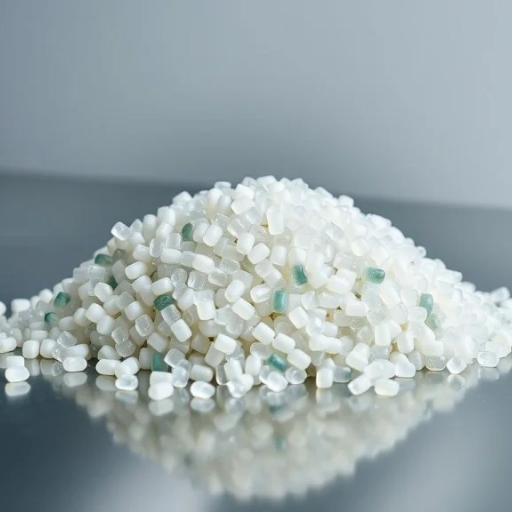
Testing methods fall into two categories: laboratory tests that require specialized equipment, and in-plant quick checks that help receiving teams make fast decisions.
Laboratory Testing Methods
MFI testing follows a straightforward procedure. Dry the sample, load it into a heated barrel, apply the specified weight, and measure the extruded material over timed intervals. Modern MFI testers automate much of this process, but operators must still select the correct temperature and load for the polymer.
Moisture analysis uses either loss-on-drying ovens or rapid moisture analyzers. For ovens, samples are weighed, dried at a set temperature, and reweighed until mass stabilizes. Rapid analyzers use halogen or infrared heat and calculate moisture automatically. Both methods require representative sampling because moisture can vary within a lot.
FTIR spectroscopy identifies polymer type and functional groups in minutes. A small pellet or film sample is pressed against an attenuated total reflectance (ATR) crystal, and the instrument compares the resulting spectrum against reference libraries. FTIR is excellent for catching mixed polymers or unknown contaminants.
DSC analysis measures heat flow as a sample is heated and cooled. It reveals melting points, glass transition temperatures, crystallinity, and the presence of secondary melting peaks that indicate contamination. NETZSCH recommends DSC for identifying polymer type and detecting impurities in recycled plastics.
Ash content testing burns a weighed sample in a furnace at 600°C or higher and weighs the residual inorganic material. The result reports the percentage of non-polymeric content in the pellets.
In-Plant Quick Checks
Receiving teams can perform several fast checks before releasing a lot. Visual inspection of a representative sample catches obvious contamination, discoloration, and pellet shape issues. Bulk density measurement indicates whether pellets are uniform or contain excessive fines. Pellet size screening with a simple sieve set removes oversize pieces and dust.
Process behavior checks are also informative. A small trial run through a lab extruder or injection molding machine reveals melt quality, odor, and any tendency to degrade. If screen pack life drops sharply compared to virgin resin, the recycled lot likely contains elevated contamination. For processing guidelines, see our article on processing recycled pellets in injection molding.
Recycled Plastic Pellets COA Review Checklist
A Certificate of Analysis is the buyer’s primary evidence that a lot meets recycled plastic pellets specifications. A weak recycled plastic pellets COA is a red flag regardless of how attractive the price looks.
What a COA Should Include
A complete COA for recycled plastic pellets should list the lot or batch number, production date, polymer identification, and recycled content source if certification is claimed. It should report MFI with the exact test condition, density, moisture content, ash content, and color values. For engineering grades, mechanical properties such as tensile strength and impact resistance should appear. The COA should also reference relevant certifications such as ISO 9001, ISO 14001, GRS, REACH, or FDA compliance, depending on the application.
The test methods matter as much as the numbers. A COA that reports “MFI = 18” without stating temperature, load, or standard is incomplete. Buyers should reject vague documentation and request a revised COA with proper test conditions. Poly Source emphasizes that MFI is the most useful test for predicting how recycled resin behaves on production equipment.
Red Flags to Watch For
Watch for COAs that use photocopied signatures, lack lot traceability, or report surprisingly tight ranges without explanation. Be cautious when a supplier cannot provide historical data for five consecutive lots. Wide MFI ranges, missing moisture values, or unspecified test methods suggest weak process control. If the COA does not match the material label or delivery note, quarantine the lot until the discrepancy is resolved.
Recycled Plastic Pellets Quality Control Incoming Inspection Checklist
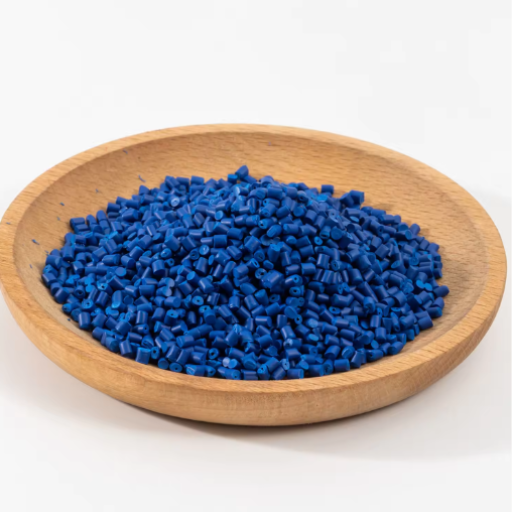
Even a strong supplier can ship an off-spec lot. Incoming inspection is the buyer’s last line of defense in recycled plastic pellets quality control.
At Receiving
Verify packaging integrity first. Punctured bags, water damage, or torn liners can introduce moisture and contamination. Check that the lot number on the label matches the COA and delivery documents. Take a representative sample according to an agreed sampling plan. For bulk shipments, sample from multiple bags or silo compartments rather than one location.
Initial Tests
Start with visual inspection and odor assessment. Note any discoloration, foreign particles, or unusual smells. Run a moisture check, especially for hygroscopic resins or shipments exposed to humidity. Spot-check MFI on a small sample if your plant has the capability. Compare color values to the COA using a spectrophotometer or controlled lighting.
Documentation and Release
Record supplier name, lot number, receiving date, test results, and the person who performed the inspection. Hold non-conforming material in quarantine and notify the supplier immediately. Establish an escalation process for repeated quality issues, including supplier corrective action requests and potential sourcing changes.
Polymer-Specific Quality Control Targets
Different recycled polymers present different quality risks. The table below summarizes common targets for major recycled pellet types.
| Polymer | Density (g/cm³) | MFI Range (g/10min) | Moisture Limit | Key QC Concerns |
|---|---|---|---|---|
| rPET | 1.37-1.39 | 10-15 at 280°C/2.16kg | <0.02% | Intrinsic viscosity, color/yellowness, acetaldehyde |
| rHDPE | 0.95-0.96 | 0.5-1.5 at 190°C/2.16kg | <0.1% | Odor, density consistency, contamination |
| rPP | 0.90-0.91 | 15-25 at 230°C/2.16kg | <0.1% | Impact balance, odor, copolymer vs homopolymer mix |
| rABS | 1.04-1.06 | 1-10 at 220°C/10kg | <0.1% | Color consistency, mechanical property retention |
| rPC | 1.18-1.22 | 5-15 at 300°C/1.2kg | <0.02% | Molecular weight degradation, transparency, thermal stability |
These ranges are typical starting points. Always confirm final specifications with your supplier based on your specific application and processing conditions.
rPET Pellets
rPET quality control focuses on intrinsic viscosity, moisture, and color. IV determines whether the material suits bottle-to-bottle recycling, fiber, or sheet applications. Lower IV material works for strapping and thermoformed trays. Higher IV material is required for bottles and high-tenacity fiber. Moisture control is critical because PET hydrolyzes during melt processing, reducing molecular weight and mechanical properties. For detailed sourcing guidance, see our rPET pellet properties and sourcing guide.
Recycled HDPE Pellets Quality Standards: rHDPE Pellets
rHDPE quality control centers on density, odor, and contamination. Milk jug feedstock tends to produce higher molecular weight material suitable for blow molding and pipe. Detergent bottle feedstock yields higher MFI material better for injection molding. Odor from residual fragrances or cleaning chemicals is a common complaint, so buyers should ask about deodorization processes and odor panel tests. For grade-specific guidance, see our rHDPE pellet sourcing and grade selection guide.
rPP Pellets
rPP quality control must account for feedstock variation. Bottle caps, automotive bumpers, and packaging trays produce different property profiles. Automotive bumper feedstock often contains rubber modifiers that improve impact resistance. Homopolymer feedstock from caps produces stiffer material with lower impact. Buyers should require suppliers to state the feedstock source and expected property range.
rABS and rPC/ABS Pellets
Recycled ABS and PC/ABS are common in electronics enclosures and automotive interior parts. Quality control must verify mechanical property retention, color consistency, and flame-retardant additive compatibility. Contamination with other polymers or residual coatings can cause surface defects and weak weld lines.
Common Quality Issues and Troubleshooting
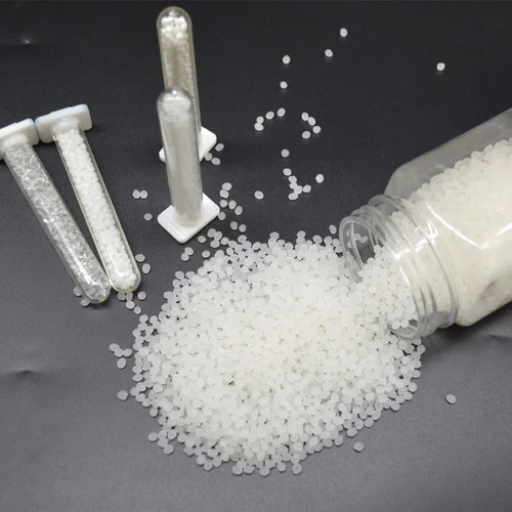
Even well-sourced recycled pellets can present challenges. Knowing the likely cause helps teams respond quickly.
MFI drift usually indicates inconsistent feedstock, overheating during reprocessing, or blending of sub-batches. Request a corrected COA and ask the supplier to tighten process controls. For critical applications, require lot segregation rather than blended lots.
Moisture-related defects such as splay marks, bubbles, and hydrolysis appear when pellets absorb water during storage or shipping. Improve drying procedures, check packaging integrity, and tighten moisture specifications in the purchase order.
Color inconsistency comes from mixed-color feedstock or uneven reprocessing. For visible parts, use darker masterbatches, increase virgin content in the blend, or specify color tolerance limits using delta-E values.
Odor problems are most common in rHDPE and rPP from post-consumer sources. Deodorization processes, vented extrusion, and longer drying can help. For odor-sensitive applications such as food packaging or indoor products, specify odor panel acceptance criteria.
Contamination causing blockages shows up as clogged screens, die buildup, or surface defects. Ash content testing and FTIR analysis identify the contaminant type. Work with the supplier to improve upstream sorting and filtration.
Recycled Plastic Pellets Quality Control Standards and Certifications
Several standards and certifications support recycled plastic pellets quality control. Understanding which ones apply to your market prevents compliance gaps, especially for food-grade recycled pellet compliance requirements.
ISO 9001 covers quality management systems. A supplier certified to ISO 9001 should have documented procedures for testing, non-conformance handling, and corrective actions.
ISO 14001 addresses environmental management. It does not guarantee pellet quality, but it indicates a structured approach to environmental controls that supports consistent reprocessing.
Global Recycled Standard (GRS) verifies recycled content and chain of custody. It is valuable for brands making public recycled-content claims.
SCS Recycled Content Certification provides third-party verification of pre-consumer and post-consumer recycled content.
FDA and EU 10/2011 compliance apply to food-contact applications. Food-grade recycled pellets require challenge testing, decontamination validation, and traceability documentation.
REACH and RoHS compliance address chemical safety and restricted substances in the European market and electronics applications respectively.
EN 15343-15347 provides European standards for plastics recycling, including characterization, quality control, and traceability of recyclates. The Rethinking Plastics manual for sustainable plastic recycling offers practical guidance on applying these standards to re-granulate quality assurance.
In-House vs. Supplier Quality Control
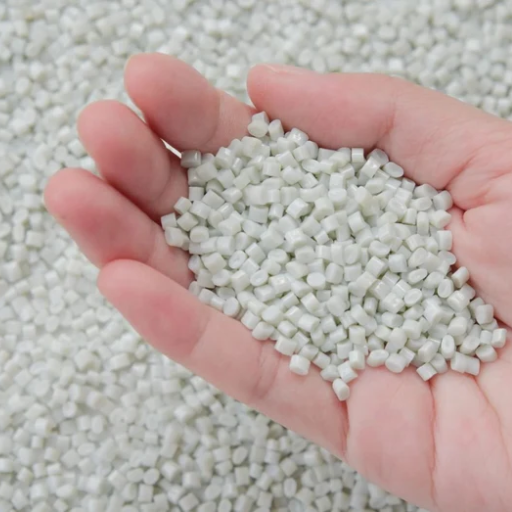
Manufacturers face a strategic choice between performing QC internally and relying on supplier documentation.
When to Test In-House
In-house testing makes sense when you process large volumes of a single recycled polymer, run high-risk applications such as automotive or medical parts, or have experienced repeated supplier quality issues. Required equipment typically includes an MFI tester, moisture analyzer, density kit, and basic visual inspection tools. Advanced programs add FTIR, DSC, and mechanical testing capability.
The advantage is control. You catch problems immediately and can adjust specifications without waiting for supplier responses. The disadvantage is capital cost, calibration requirements, and trained personnel.
When to Rely on a Supplier
Relying on supplier QC makes sense when you source multiple polymers in smaller quantities, lack laboratory resources, or need certified specialty grades such as food-contact rPET. In these cases, supplier selection becomes the most important quality decision.
A reliable supplier provides clear specifications, detailed COAs, lot traceability, and responsive technical support. They should welcome audits and provide historical data on request. This is where Suzhou Yifuhui New Material supports manufacturing customers: with comprehensive material selection, strict batch testing, documented quality systems, competitive pricing, and reliable logistics. For help selecting and auditing suppliers, see our guide on how to evaluate recycled plastic pellet suppliers.
Conclusion
Recycled plastic pellets quality control is not a single test. It is a chain of verification that starts with supplier qualification, continues through Certificate of Analysis review and incoming inspection, and extends into production monitoring. Buyers who treat recycled resin with the same discipline as virgin resin get the benefits of cost savings and sustainability without the production surprises.
The most important steps are simple: define clear recycled plastic pellets specifications, request complete COAs with test methods, inspect every lot on arrival, and track lot-to-lot trends. Match the testing intensity to the application risk. A drainage pipe application needs less scrutiny than an automotive interior component or food-contact package. To learn more about How to Make Recycled Plastic Pellets, please click to refer to our accompanying guide: How to Make Recycled Plastic Pellets: A Step-by-Step Manufacturing Guide
If you are evaluating recycled pellet suppliers or need help setting specifications for your application, our engineering team can provide material data sheets, review COA requirements, and recommend the right recycled or virgin resin for your process. Contact us today for technical specifications and a competitive quote.