When Mei took over purchasing at a Suzhou packaging plant in March 2025, she assumed all polypropylene pellets were interchangeable. The quotes she collected said otherwise.
Supplier A shared melt flow data across three batches of the same grade. Supplier B offered the identical grade name at 8% less, but would not produce a single test result. She chose the cheaper option to protect her budget. Six weeks later, her injection molding line ran 12% off-spec preforms, and the cloudy rejects traced back to moisture, not price.
Plastic pellets look identical in a bulk bag. The process that makes them is not identical at all. If you have ever wondered how are plastic pellets made, and why the answer matters to your production floor, this guide covers the entire chain.
You will learn the six production steps, the quality checkpoints that separate good pellets from bad ones, and the questions to ask any supplier before you place an order. By the end, you will understand how are plastic pellets made well enough to verify it from a supplier’s own documentation.
How Are Plastic Pellets Made? The Six-Step Process
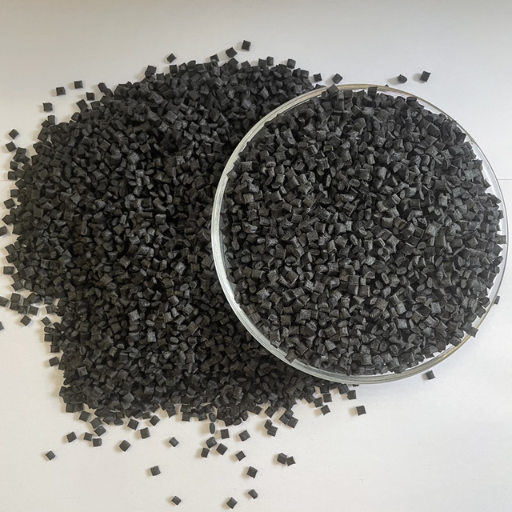
The plastic pellet manufacturing process runs through six steps, from petrochemical feedstock to finished bag: polymerization builds the polymer, compounding engineers its properties, extrusion prepares the melt, pelletizing cuts it into uniform granules, drying and screening control moisture and size, and quality testing documents the outcome. Each step is a quality signal you can verify before you buy, and the sections below walk through all six.
What Are Plastic Pellets?
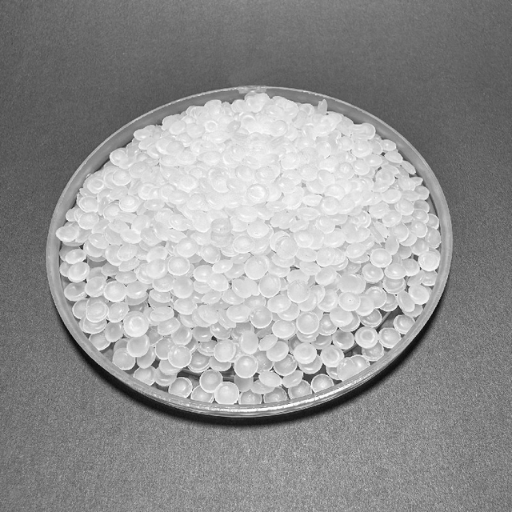
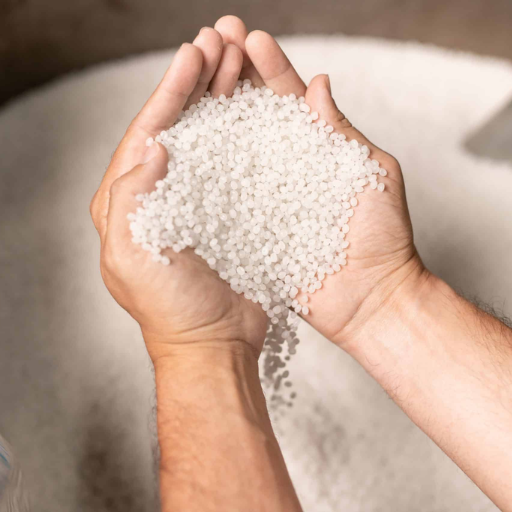
Plastic pellets are small, uniform granules of polymer resin, usually 2 to 5 mm in diameter. They are the standard raw material form for injection molding, extrusion, blow molding, and most other thermoplastic processes. Their uniform shape gives them three advantages over powder or flake: consistent feeding into machines, precise dosing, and cleaner handling.
The vocabulary can trip people up, so let us clear it up. Resin is the base polymer itself. Pellets and granules describe that resin shaped into small particles for transport and processing. A nurdle is the same thing, just the term used when pellets leak into the environment.
And a granulator is not a pelletizer at all. A granulator chops scrap into rough flakes mechanically, with no heat. A pelletizer melts material and forms uniform pellets through a die and cutter. Getting that distinction straight saves real confusion later.
Want the broader picture first? Read our complete guide to plastic resin pellets for material selection, storage, and sourcing.
What Are Plastic Pellets Made Of?
Most virgin plastic pellets start with crude oil or natural gas. Resin pellets manufacturing follows this feedstock chain:
- Refining separates crude oil into fractions. Crackers convert naphtha, ethane, and propane into monomers such as ethylene and propylene.
- Monomers are the building blocks. Ethylene becomes polyethylene. Propylene becomes polypropylene. Styrene, vinyl chloride, and acrylonitrile feed polystyrene, PVC, and ABS.
- Polymerization links those monomers into long chains. The resulting polymer becomes the resin that forms the pellet.
So when someone asks what plastic pellets are made of, the honest answer is polymers, and the polymers come from petrochemical feedstocks. Recycled pellets follow a different route, which we cover later.
Step 1: Polymerization: Building the Polymer
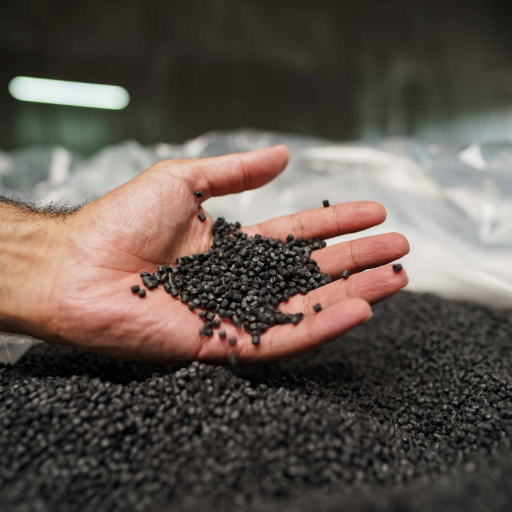
Polymerization is the chemical heart of how plastic pellets are made, the point where monomers become the polymer that later forms the pellet. Monomers enter a reactor with a catalyst, and under controlled temperature and pressure, they link into long chains called polymers. For a broader look at the processing and fabrication of plastics, Britannica’s overview covers the full chain. The reactor conditions determine molecular weight and chain structure, which in turn set the resin’s mechanical strength, heat resistance, and flow behavior.
Two reaction families matter here:
- Addition polymerization joins monomers without releasing a byproduct. Polyethylene, polypropylene, and polystyrene use this route.
- Condensation polymerization releases a small molecule, often water, as it reacts. PET and nylon are common examples, and they are built at higher temperatures in vacuum reactors.
For PET, for instance, the process starts with PTA and ethylene glycol reacting at 150 to 200°C, then melt polycondensation at 280 to 300°C under high vacuum. Get that vacuum control wrong and the molecular weight drifts, which later shows up as inconsistent viscosity in your bottles or sheet. The reactor is where resin quality is born, and it is invisible to buyers who only look at the final bag.
Step 2: Compounding: Engineering the Properties
Raw polymer rarely ships straight to the pelletizer. Most production includes compounding, where the base resin is blended with additives in a twin-screw extruder to build the properties customers actually need.
Common additives include:
- Stabilizers that protect the resin from heat and UV during processing and service
- Colorants or masterbatch for precise color matching
- Flame retardants for electronics and appliance housings
- Impact modifiers that improve toughness
- Fillers and reinforcements, such as glass fiber, that raise stiffness and heat deflection temperature
Compounding is why two pellets can share the same base name and behave completely differently. A 30% glass-fiber-reinforced PA66 pellet, for example, carries fiber that the compounder fed through a side port to control fiber length. Longer fibers mean higher tensile strength in the molded part, but they also affect flow.
The compounder’s discipline, including how well the additives disperse, becomes a quality signal you can audit. For a deeper comparison of the engineered grades that depend most on compounding, such as PA66, POM, PPS, and PEI, see our engineering plastics guide.
Step 3: Extrusion and Melt Preparation
Once compounded, the material is melted and pushed through a die to form strands. This step is called extrusion, and it does three jobs at once. It melts the polymer to a uniform temperature, it homogenizes the blend, and it filters out contaminants.
Two extruder designs dominate. Single-screw extruders handle clean, well-compounded material efficiently. Twin-screw extruders mix more aggressively, which is why compounding lines use them. Both can include a screen changer or melt filter to trap impurities, and a vacuum vent to pull out moisture and volatiles. That degassing step matters. Trapped gas creates porous, low-density pellets that feed poorly and produce weak parts downstream.
Step 4: Pelletizing: Cutting the Melt into Pellets
Pelletizing is where continuous strands become discrete pellets, the shaping step in how plastic pellets are made. Three methods dominate, and the choice shapes pellet geometry and downstream behavior. EnergyCle’s overview of pelletizing methods lays out the trade-offs in detail.
Strand Pelletizing
Strand pelletizing extrudes melt into spaghetti-like strands, cools them in a water bath, then chops them into short cylinders with rotating knives. It is the workhorse method for general-purpose resins and delivers smooth-surfaced, broad-compatible pellets at the lowest capital cost. Its weakness is strand breakage, which produces length variation, “longs,” and fines.
Water-Ring (Hot-Face) Pelletizing
Water-ring pelletizing cuts the melt directly at the die face with a rotating blade, then flings the granules into a horizontal water ring that cools them. It produces round, uniform pellets and runs continuously with quick blade changes, which makes it popular for high-throughput commodity lines.
Underwater Pelletizing
Underwater pelletizing cuts the polymer at the die face while it is submerged in circulating water. The pellets are quenched instantly, then transported as a slurry to a centrifugal dryer. This method delivers the most uniform, spherical pellets with the fewest fines, and it minimizes oxidation. It is ideal for high-melt-flow polymers, glass-fiber-reinforced compounds, and premium engineering grades, but it carries the highest capital cost and demands stable process control.
| Method | Pellet Shape | Uniformity | Capital Cost | Best For |
|---|---|---|---|---|
| Strand pelletizing | Cylindrical | Good, some fines | Low | General-purpose, cost-sensitive runs |
| Water-ring pelletizing | Round | Good | Medium | High-throughput commodity lines |
| Underwater pelletizing | Spherical | Excellent | High | High-flow, glass-filled, premium grades |
Here is the practical takeaway. If you mold a high-flow polypropylene or a glass-filled compound, the choice between underwater pelletizing vs strand pelletizing matters more than the grade name. Ask which method your supplier uses. Underwater-cut pellets feed more consistently into your injection machine, and fewer fines mean less dust in your hopper and fewer black specks in clear parts.
Step 5: Cooling, Drying, and Screening
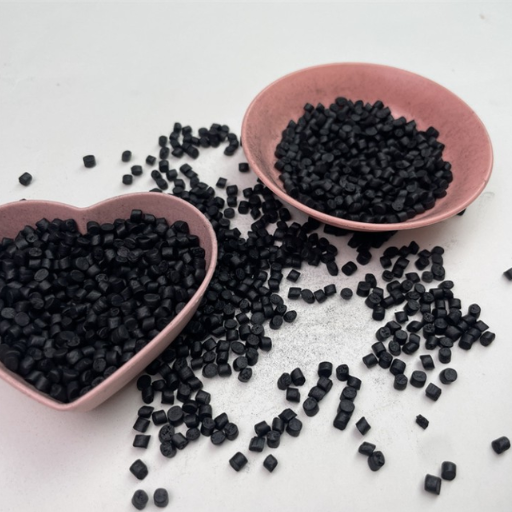
Freshly cut pellets are hot and wet. They pass through a water bath or slurry, then a centrifugal dryer spins off surface water. What happens next separates disciplined producers from everyone else: moisture control.
Hygroscopic resins, including PET, polyamide, and polycarbonate, absorb moisture from the air. If the pelletizer leaves residual moisture above specification, that water turns to steam inside your molding machine and creates splay, voids, and in PET’s case, hydrolysis that drops intrinsic viscosity. PET flakes typically need a crystallizer and dryer to reach below 50 ppm moisture before extrusion. Non-hygroscopic resins like PE and PP are more forgiving, but they still benefit from controlled drying.
Screening completes the plastic pelletizing process. Oversized pellets, fines, and “longs” are removed so the final product meets a consistent size distribution. Pellet uniformity directly affects how steadily material feeds into your hopper and how evenly it packs in the barrel.
Step 6: Quality Control and Packaging
The best production lines test every batch before it ships. Standard checks include melt flow index, moisture content, bulk density, pellet size distribution, and visual contamination screening. Each test maps to a downstream risk. MFI outside tolerance means the resin will flow differently in your mold. Elevated moisture means splay and voids. Contaminants mean black specks and weak spots.
The document that records these results is the Certificate of Analysis, or COA. A trustworthy supplier provides a COA with every lot, including the test methods and conditions used.
That last detail matters. Mei’s mistake, and one buyers make daily, is comparing COAs without checking that test temperatures match. Melt flow measured at 230°C is not comparable to melt flow measured at 220°C.
Packaging follows the tests. Pellets ship in 25 kg bags, big bags, or octabins, depending on volume and handling needs. Good packaging protects against moisture pickup and contamination during transit, so it is part of quality assurance, not just logistics.
How Pellet Quality Affects Your Manufacturing
Raj, a process engineer at a medical device molder, switched suppliers in 2024 to save on polycarbonate. The new pellets looked identical under a microscope. His first run told a different story.
Parts came out with silver streaking, and cycle times crept up because the machine kept adjusting for inconsistent melt flow. When he checked the supplier’s COA, the MFI was listed without a test temperature, and moisture data was missing entirely.
That single change in supplier discipline cost him three days of downtime and a scrapped validation batch. His story is not unusual.
Inconsistent MFI produces part-to-part variation. Residual moisture produces splay, voids, and hydrolysis in hygroscopic resins. Poor pellet geometry produces feeding jams and dosage errors. Every one of these defects traces back to a step in the plastic pellet manufacturing process.
Protect your line with material you can trust. Talk to our materials team about batch-tested pellets with complete COA data, and we will help you match the grade to your process.
How Virgin and Recycled Plastic Pellets Are Made
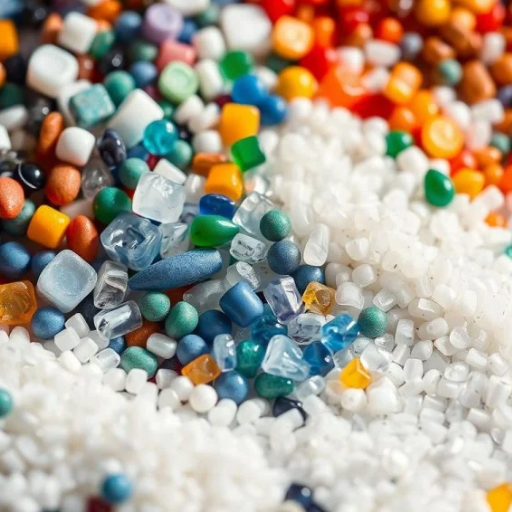
Virgin plastic pellets are made directly from petrochemicals through the six steps above. Recycled plastic pellets come from a separate route: collection, sorting, size reduction, washing, decontamination, drying, melting, filtration, and pelletizing. The pelletizing methods overlap, but the feedstock and process control differ sharply.
Virgin resin offers predictable properties and clean regulatory status, which is why medical, food-contact, and precision engineering parts usually specify it. Recycled resin supports sustainability targets and often costs less, but it carries variability from mixed feedstocks and requires careful screening. For a full comparison, see our guide to virgin vs recycled plastic pellets, and for the complete waste-to-pellet workflow, read how to make recycled plastic pellets.
The market shows how much this segment matters. Global plastic granules were valued around US$55.8 billion in 2024 and are forecast to reach US$62.6 billion by 2030, according to Research and Markets, with packaging the largest single application.
Responsible Pellet Handling: Nurdles and Loss Prevention
Tiny pellets become a big problem when they leak. These 2 to 5 mm particles, called nurdles, are easy to spill during transfer and shipping. Environmental groups estimate that roughly 230,000 tonnes of plastic pellets are lost to the environment each year, making pellets the second-largest source of ocean microplastics by weight after tire dust. A 2021 container-ship fire off Sri Lanka released an estimated 1,680 tonnes, or about 70 billion pellets, in a single incident.
Responsible producers control pellet loss with containment guards, spill response procedures, and programs such as Operation Clean Sweep. When you audit a supplier, ask how they manage pellet loss. A producer that controls contamination and spillage in its own facility is more likely to deliver clean, consistent material to yours.
How to Use This Guide When Sourcing Pellets
You now know how to make plastic pellets from feedstock to finished bag, so put that process knowledge to work. When you evaluate suppliers, ask these questions:
- Can you share a Certificate of Analysis for recent lots, including test methods and conditions?
- What pelletizing method do you use, and how do you control pellet size and fines?
- How do you manage moisture for hygroscopic grades like PET and polycarbonate?
- Where is your resin polymerized and compounded, and what certifications do you hold?
- How do you prevent contamination and pellet loss in your facility?
Red flags are easy to spot once you know what to look for. A supplier who refuses a COA, lists MFI without a test temperature, or cannot name their pelletizing method is hiding process risk. Consistent, batch-tested pellets with complete documentation are the safer bet, even when they cost a little more per ton.
Suzhou Yifuhui supplies engineered plastic pellets across polycarbonate, PA66, POM, PMMA, HDPE, ABS, PPS, PEI, TPE, TPV, and more, with batch quality control and COA documentation on every shipment. Request a quote for the grade and volume you need.
FAQ
How are plastic pellets made?
Plastic pellets are made in six production steps:
- Polymerization builds the polymer resin from monomers.
- Compounding blends in additives to engineer properties.
- Extrusion melts and homogenizes the material.
- Pelletizing cuts the melt into uniform granules.
- Cooling, drying, and screening control moisture and size.
- Quality control and packaging document and ship the pellets.
The full chain runs from petrochemical feedstock to finished pellets.
What are plastic pellets made of?
Most virgin plastic pellets are made of polymers derived from crude oil or natural gas. Common base polymers include polyethylene, polypropylene, PET, PVC, polystyrene, and ABS, often blended with additives such as stabilizers, colorants, flame retardants, and glass fiber.
Are plastic pellets just recycled plastic?
No. Virgin plastic pellets are made directly from petrochemicals. Recycled plastic pellets come from a separate process that collects and reprocesses post-consumer or post-industrial plastic waste. Both are pelletized, but their feedstock and quality controls differ.
What is the difference between a granulator and a pelletizer?
A granulator mechanically chops plastic scrap into rough flakes without melting it. A pelletizer melts plastic and forms uniform pellets using an extruder, a die, and a cutter. Recycling lines typically use both: a granulator upstream for size reduction and a pelletizer downstream to create the final product.
Why do pellets need to be dried before processing?
Hygroscopic resins such as PET, polyamide, and polycarbonate absorb moisture from the air. If that moisture is not removed, it turns to steam during molding and creates splay, voids, and hydrolysis. Drying to the resin’s target moisture level, often below 50 ppm for PET, prevents these defects.
What is underwater pelletizing?
Underwater pelletizing cuts molten plastic at the die face while it is submerged in circulating water. The water quenches each pellet instantly, producing uniform spherical granules with minimal fines and oxidation. It is the preferred method for high-flow, glass-filled, and premium engineering grades.
How big are plastic pellets?
Plastic pellets typically measure 2 to 5 mm in diameter. Strand-cut pellets are usually cylindrical, while underwater-cut pellets are spherical. Consistent size distribution matters for reliable feeding and dosing.
Conclusion
Every part you mold begins as a pellet, and understanding how are plastic pellets made tells you which supplier deserves your business. Six steps matter: polymerization builds the polymer, compounding engineers its properties, extrusion prepares the melt, pelletizing gives it shape, drying controls moisture, and quality testing documents the outcome. Each step is a quality signal you can read before you buy.
The practical lesson is simple. Choose suppliers who can show you their process through data. Ask for a COA with test conditions, confirm the pelletizing method, and verify moisture control for hygroscopic grades. Pellet quality is not visible in a bulk bag, but it shows up immediately in your scrap bin.
If you are sourcing pellets for injection molding or another process, our plastic pellets for injection molding guide covers grade selection in depth. For sustainability-focused sourcing, start with our recycled plastic pellets overview.
When you are ready to buy, contact Suzhou Yifuhui for batch-tested pellets backed by complete documentation. Our engineers will help you match the right grade to your production line.