Last updated:
To decide how to store plastic resin pellets, start with the exact grade and its storage rules. Keep packaging intact, protect resin from water and contamination, keep lot identity, and record exposure after opening.
Before processing, check the grade’s drying and moisture requirements. A sound warehouse location alone doesn’t establish molding readiness.
This guide covers industrial resin storage from receipt to the feed hopper. Use the basic plastic pellet storage checklist for an introductory walk-through. Here, the focus is the record that lets warehouse, quality and processing teams make a clear handoff.
Illustrative scenario: A night-shift technician finds a partly used bag beside a sealed pallet. Both labels name the same resin, but the opened bag has no exposure record. Can you release the opened bag? First check its history. A clean look cannot fill that gap.
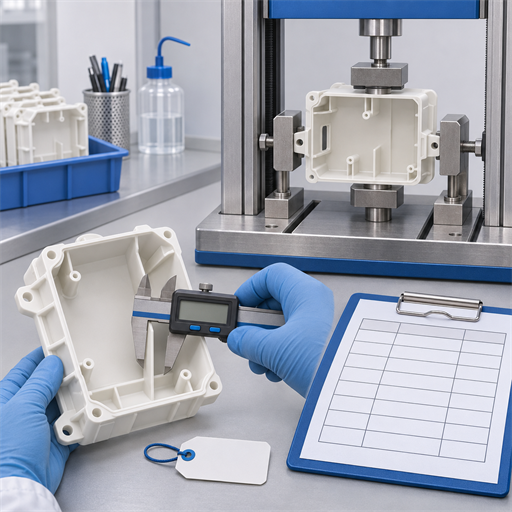
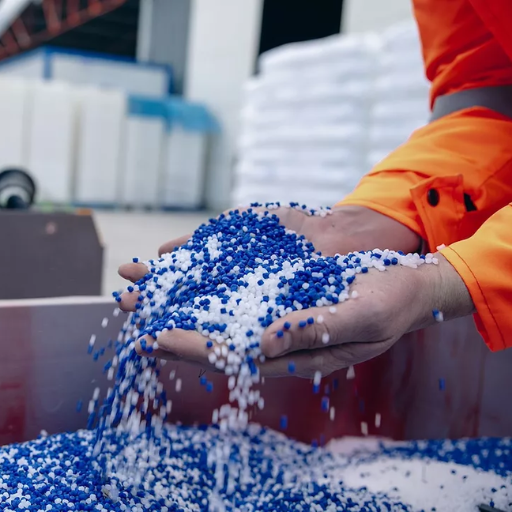
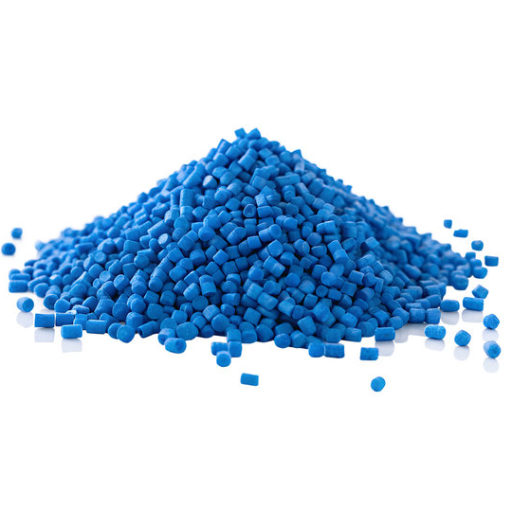
Use the steps below to build your own storage procedure. Adapt them to the grade and your site. Start by checking one incoming lot against the record template near the end. The images illustrate pellets and equipment; they do not document a supplier facility or an approved handling method. Follow your site procedure for material contact and handling.
Build a grade and lot register
Identify the exact grade
The polymer family is a starting point. It isn’t a full set of storage rules. Nylon, polycarbonate and polyester grades need their own handling instructions; a shared family name doesn’t establish the same moisture limit or drying time.
Record the full grade name, color or compound code, supplier and lot number. Link these to the current grade data sheet, handling guidance and safety data sheet. Where an order sets limits, record that revision too. For nylon purchasing, the PA66 grade and procurement checks help separate a family description from a clearly defined order.
Filled, flame-retardant and recycled grades do not share one moisture rule. Ask what the actual grade instructions require. A change in blend or packaging should prompt a document check before the old handling procedure is reused.
Record the history that changes a decision
Novatec’s moisture and drying paper explains that uptake depends on material, environment and exposure time. Record when the bag was opened and how resin was moved. Those entries help the next shift assess the lot.
Build a register with these fields:
- Identity: grade, supplier lot, internal lot reference and quantity.
- Instructions: document names, revisions and the storage criteria that apply.
- Receipt: arrival date, bag or liner condition and any observed water or damage.
- Exposure: first opening, later transfers, closure method and known interruptions.
- Disposition: released, held or awaiting review, with a named decision owner.
Keep lot status separate from its storage bay. A pallet can be in an approved storage bay and still be on hold for review. Likewise, a sealed bag can have a clear identity but lack the documents needed for its intended application.
Return to the opened-bag scenario: identify who opened it, where it waited and whether its liner remained closed. If the answers are unknown, record that uncertainty and seek a disposition. Don’t copy the unopened pallet’s history onto it. Identify the exact grade before selecting storage or drying instructions.
How to store plastic resin pellets by packaging and storage route
Original bags and opened liners
Keep the original bags closed until resin is needed. Inspect the outer wrap and the inner closure separately where accessible. A neat outer bag doesn’t prove that its moisture barrier is intact. Place bagged stock on suitable pallets or shelving, protect it from water and sunlight, and keep it clear of dirty operations.
EQUATE’s polyethylene storage and handling guide covers dry, clean storage, sunlight protection, stable stacking and contamination during bag opening. Its temperature and stacking instructions concern its polyethylene products. They are not a universal specification for engineering resins.
After partial use, follow the packaging or grade instructions for closure. A folded liner, a taped outer sack and a validated reseal are different arrangements. Record what was actually done. Transferring the remainder into a bin also creates a new contact surface and a period of open handling.
Choose the container around the handling route
A lid is useful only when the loading, sampling and feeding routine keeps the material protected. Use this decision matrix when reviewing a storage route:
| Route | Check before use | Record at handoff |
|---|---|---|
| Sealed original bags | Grade identity, closure, damage and approved stacking | Receipt condition, lot and storage location |
| Part-used bags | Inner closure, exposure history and label readability | Open time, reseal method and remaining quantity |
| Lined cartons or bulk bags | Liner condition, cover and permitted handling method | Container identity and transfer events |
| Reusable bins | Cleanliness, previous contents, cover and feed connection | Cleaning release, new lot and destination |
| Engineered bulk storage | Suitable design, weather protection and verified transfer route | Silo identity, delivery lot and receiving approval |
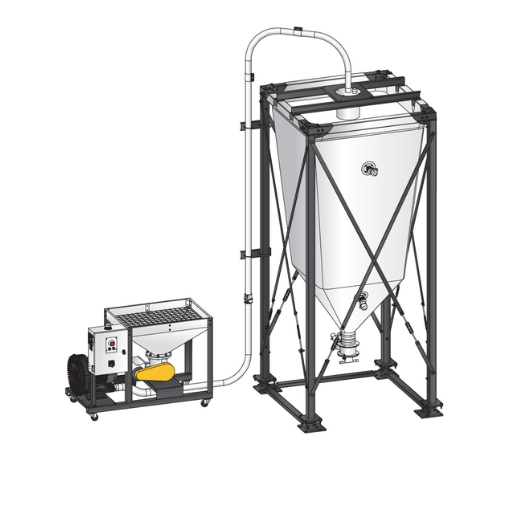
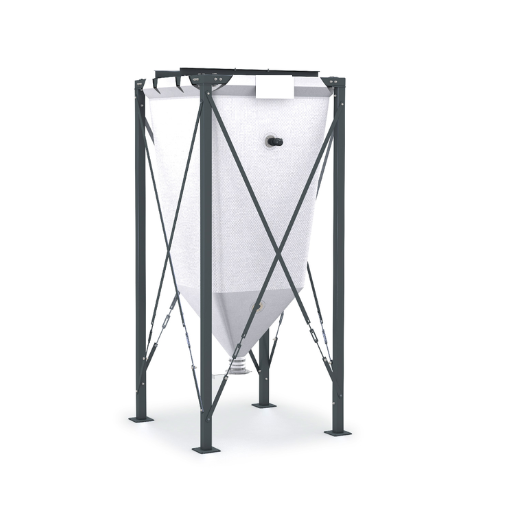
Ask your engineering team to review the silo and feed line. Check moisture control, vents, fines, safe access and grade changes. The design must suit the resin and the site risks. Do not assume one dry-air setup fits every system.
Stage cold stock without guessing a waiting time
Illustrative scenario: A cold pallet reaches a warm, humid molding hall. The operator wants to open it immediately. Instead, check the manufacturer’s staging guidance, keep packaging closed as instructed and inspect for moisture before transfer. Record arrival and staging conditions; don’t invent a universal waiting period.
Arkema’s Rilsan PA11 guidance illustrates why this matters: it includes storage and staging instructions for that product family. Do not apply those PA11 rules to PA66. Use the current guide for the grade on the pallet.
Control contamination and document every transfer
Check the receiving and opening area
A clean scoop cannot compensate for a mislabeled bin. Verify identity at both ends of a transfer, then check the surfaces that will contact material.
Keep resin away from grinding dust, oil, dirty packaging and uncontrolled regrind. Distinguish materials and lots so the operator need not guess the contents from pellet color.
Before opening a bag, prevent dirt on its outside from falling into the feed container. EQUATE’s guide describes cleaning dusty bags and checking feed equipment. Use opening tools and methods approved by your site, including controls against loose packaging fragments. Don’t rest a dirty feed wand on the floor and return it to the resin.
Make the transfer traceable
For manual and shared-line transfers, record:
- Source container and lot, destination bin or hopper, and transfer time.
- Operator, quantity moved and any material left in the source container.
- Cleaning or changeover approval for shared contact equipment.
- Closure after transfer and the exposure conditions that need review.
- Deviations, samples taken and the person responsible for disposition.
Use dedicated contact tools where practical. Where equipment is shared, follow a defined cleaning and changeover procedure. Don’t assume a feed line is empty. Check it using the approved changeover method before switching lots.
Check again after an interruption
At shift restart, match the bin label to its record. Has the cover been removed? Was another lot added? Is the feed line still connected to the expected source? Record changes before continuing. Don’t silently merge unknown stock into a released lot.
Place visibly contaminated, mixed or unidentified material on hold for the responsible quality team. The plastic pellet quality-control guide provides wider testing context. Drying does not restore a lost identity or remove foreign resin. The review must address the actual fault. Not every storage problem is a moisture problem.
Verify readiness after storage and before drying
Separate storage acceptance from processing release
A storage check asks: is the lot in the right place, with a known identity and condition? A process check asks: is it fit for the next operation? Passing the first check does not answer the second.
For PA66, review the actual grade instructions and exposure record before choosing a drying procedure. Confirm the required moisture criterion and the method used to verify it. A warehouse humidity reading is not a pellet moisture result. For the detailed handoff, follow how to dry PA66 pellets before loading the hopper.
Use the separate polycarbonate drying guidance for PC-specific questions. Use those guides and the current producer instructions for drying details. This article covers storage and the handoff to drying.
Replace a generic drying table with a release record
A family-wide temperature-and-time table can hide the missing information. Ask the following questions instead:
| Release question | Evidence to retain | Decision owner |
|---|---|---|
| Which instructions apply? | Full grade, document revision and relevant handling requirements | Process or materials engineer |
| What happened in storage? | Seal condition, open time, transfer route and deviations | Warehouse owner |
| What is the acceptance criterion? | Applicable manufacturer or approved process limits | Quality/process owner |
| Was the drying process followed? | Required settings, operating record and interruptions | Process technician |
| Was readiness verified? | Approved method, sample identity, result and criterion | Authorized reviewer |
| Will transfer preserve that condition? | Closed route, hopper status and interruption controls | Production owner |
Time at a dryer setting is a process record. It isn’t automatically proof of the final moisture content. Novatec explains why starting moisture and the test method matter. Use the right test and sampling method for the resin. Compare the result with the required limit.
Protect the verified condition until use
Keep the route from drying to processing under control. Review covers, conveying connections and interruptions against the approved procedure. If resin is exposed again, review the new exposure instead of relying on the earlier drying entry.
Illustrative scenario: Dried material waits in an open transfer bin during a machine stoppage. The previous drying record remains valid as a record of that operation. The operator must record the later exposure and get the required check before use. Don’t assume it still passes. The earlier record says what happened then, not what happened next.
Name the person who signs this handoff. The dryer operator, warehouse team and machine setter may each hold part of the history. Bring those records together before resin reaches the screw. Who signs the release, and what did they check? Make both answers clear to the next shift.
Manage shelf life, held stock and pellet-loss risks
Rotate eligible stock
FIFO helps organize stock, but the oldest lot must still be eligible for use. Where expiry or retest dates apply, include those dates in picking priority. Check supplier rules and application requirements rather than assigning every resin a single warehouse shelf life.
Arkema gives a shelf-life statement within its PA11 guidance. That is a scoped product-family example, not proof that all plastics share the same period. Keep the document reference with the lot record so the next reviewer can see which conditions the statement assumes.
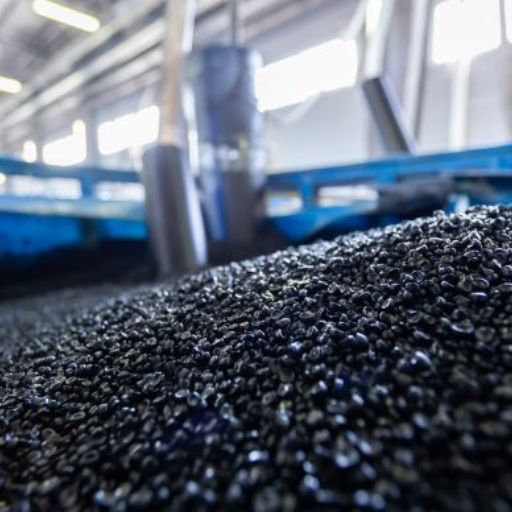
Inspect for packaging damage, water, clumping or unexpected appearance as part of the site procedure. These signs can trigger a hold. A normal look cannot prove moisture content or show that resin meets every requirement. Check the properties needed for the intended use.
Give held stock an owner and a disposition
Consider a hypothetical lot whose age exceeds the stated storage period. A short molding trial might answer one process question. It doesn’t prove that the stock meets every required property. Ask the responsible quality team what supplier review, retesting or other action is needed.
Record the hold reason, stock location, amount and named owner. List what is still unknown. Keep the stock clearly marked.
When the reviewer decides, save the reason and sign-off. Keep the earlier hold record too. A new status should not erase the history.
Contain pellets and review fines risks
The Operation Clean Sweep manual treats pellet-loss prevention as a facility task covering handling, transfers, storage and cleanup. Use it to review spill points and responsibilities. Referring to its guidance does not establish certification or legal compliance.
Keep transfer areas contained and protect routes to drains. Clean spills promptly using suitable site-approved methods; don’t wash pellets into drainage. Review fines, static and dust hazards with the safety team using the material’s safety data sheet (SDS) and the equipment assessment. Avoid copying a generic safety specification into every resin procedure.
Bagged stock exposed to rain and an engineered outdoor silo are different situations. Review each against its approved protection and operating arrangements. Assign a spill-response owner, suitable collection equipment and a route for disposing of recovered material. Don’t return swept-up pellets to production stock.
How to store plastic resin pellets: SOP, records and common questions
A receiving-to-hopper record
Use these steps when deciding how to store plastic resin pellets and when to release a lot. Match each check to the grade, equipment and person in charge.
- Receive and identify. Match the shipment to the order and grade. Record supplier lot, quantity, receipt date and bag or liner condition. Put damaged or uncertain stock on hold.
- Assign storage. Confirm that the chosen location and stacking arrangement match the relevant grade instructions. Record the bay, pallet or silo identity and lot status.
- Control opening. Open only when needed. Check the receiving container and contact equipment. Record open time and the method used to close the remainder.
- Track movement. Record each transfer, source, destination and operator. Keep cleaning approval and deviations with the lot history.
- Review for processing. Check age, exposure and grade instructions. Follow the required drying and test process. A warehouse reading cannot replace a resin test.
- Authorize the handoff. Record the decision, reviewer and destination. Reassess relevant changes after a stoppage, new exposure or uncertain transfer.
The form needs fields for the document revision, test method and result. Add the pass limit, hold reason and sign-off. Avoid a single unexplained tick box labeled ready. The next shift needs to know what was checked, against which requirement and by whom.
In the opening scenario, the record would show whether the part-used bag had a known lot, documented exposure and a signed release. If it did not, the next technician would see the missing check instead of having to guess.
Can an opened bag return to storage?
Yes, if the applicable handling procedure permits it and the resin left in the bag can be protected and identified. Record the opening and closure history. A resealed bag should not automatically inherit the status of unopened stock.
Is there one correct temperature or humidity for every resin?
No. Use the actual grade’s storage instructions and bag or liner conditions. A room sensor can show when the air crossed a limit. It cannot test the resin. Review how long the event lasted and which lots it affected.
Does condensation mean the whole lot must be discarded?
It calls for a hold and review under the relevant procedure. Record where moisture was seen, the bag or liner condition and affected quantity. Ask the responsible team what to test and what to do next. Do not assume the lot must be scrapped or can simply be dried.
Can drying fix contaminated or expired material?
Drying addresses moisture under a defined process. It does not remove a mixed polymer, establish a missing lot identity or authorize stock beyond its stated storage period. Each issue needs its own review.
When planning how to store plastic resin pellets for an order, include the grade, packaging, expected storage period and handling route in your inquiry. Our plastic resin pellets guide helps organize the buying questions. Request the manufacturer documents and acceptance information your process needs before releasing the resin for use.