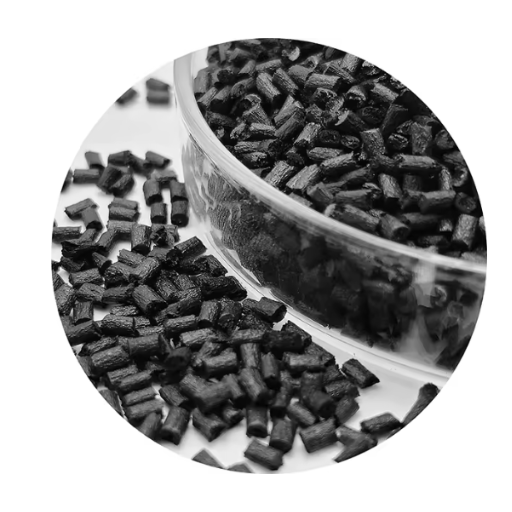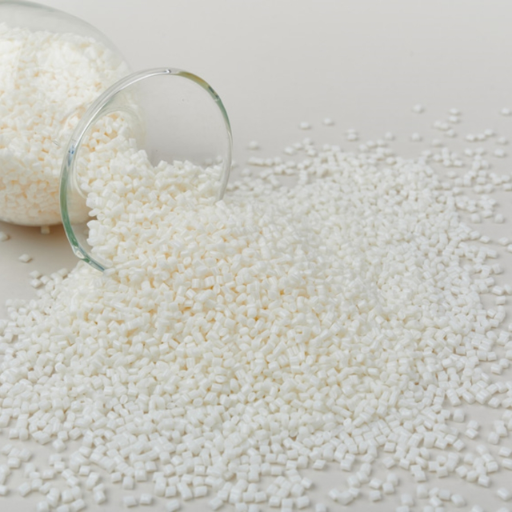
A procurement manager at a mid-sized packaging company split her polyethylene orders among three suppliers. One handled HDPE for caps, another supplied LDPE film resin, and a third delivered recycled pellets when prices dipped. Each supplier used a different COA format, lead time, and minimum order quantity. When a batch of off-spec LDPE arrived, it took her two days just to trace which lot caused the film-line defects.
If that situation sounds familiar, this guide will help. Learning how to source HDPE and LDPE pellets through a structured process protects your production line, controls costs, and reduces supply-chain risk. We will walk through specification discipline, supplier vetting, price benchmarking, trial lots, and contract terms — with practical checklists you can use immediately.
By the end, you will know how to compare suppliers confidently, what certifications to require, and whether consolidating HDPE and LDPE sourcing makes sense for your operation.
Why Consolidating HDPE and LDPE Sourcing Matters
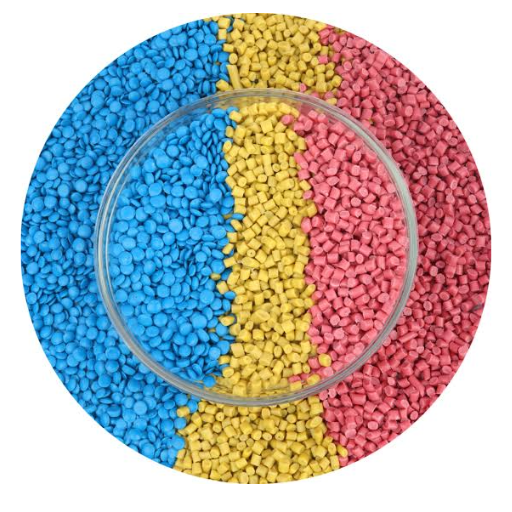
Most manufacturers treat HDPE and LDPE as separate procurement categories. That approach can create unnecessary friction.
High-density polyethylene (HDPE) delivers rigidity and strength for bottles, caps, pipes, and crates. Low-density polyethylene (LDPE) provides flexibility and clarity for films, coatings, and squeeze bottles. Many plants run both resins, yet they manage them through unrelated purchase orders and suppliers.
Consolidating to a single polyethylene supplier offers clear advantages. You reduce inbound freight costs by combining shipments. You simplify incoming inspection because one COA format covers both resins. You also gain stronger negotiating leverage on volume and payment terms.
A single supplier is not always the right answer. If you need a specialized film-grade LDPE with food-contact certification and a pipe-grade HDPE with NSF/ANSI 61 approval, one supplier might not cover both at the required quality level. The key is matching supplier capabilities to your actual material requirements, not forcing consolidation for its own sake.
Want to simplify your resin supply chain? Contact our sourcing team to discuss whether a combined HDPE and LDPE program fits your operation.
What HDPE and LDPE Pellets Are Best For
Before you contact suppliers, clarify which resin fits each application. Confusing the two is one of the most expensive mistakes in polyethylene procurement.
HDPE Pellet Applications
HDPE pellets suit rigid, load-bearing, or chemically resistant parts. Common uses include:
- Injection-molded caps, closures, crates, and thin-wall containers
- Blow-molded bottles, drums, and jerry cans
- Pipe and profile extrusion for water, gas, and telecom infrastructure
- Rotational-molded tanks, bins, and outdoor furniture
- Film and sheet extrusion for geomembranes and liners
HDPE grades typically range in density from 0.941 to 0.970 g/cm³. They also offer very low moisture absorption. Melt flow index (MFI) ranges vary sharply by process. Film grades can be as low as 0.05, while fast-cycling injection grades reach 20. If you want a fuller breakdown of grades, processing tips, and buying criteria, our complete HDPE pellets procurement and application guide walks through the details.
LDPE Pellet Applications
LDPE pellets excel where flexibility, clarity, and heat-sealability matter. Common uses include:
- Blown film for packaging, liners, and agricultural covers
- Extrusion coating for paperboard lamination
- Injection molding for squeeze bottles and flexible caps
- Wire and cable insulation
- Shrink film and stretch wrap
LDPE density typically falls between 0.910 and 0.940 g/cm³. MFI ranges from 0.3 for heavy film up to 20 for injection grades. Film-grade LDPE is the largest consumption segment. It accounts for roughly 57–65% of global LDPE demand. To dig deeper into grade selection and sourcing for these applications, see our complete LDPE pellets procurement and application guide.
For a deeper comparison of material behavior, see our HDPE vs LDPE guide.
Step-by-Step: How to Source HDPE and LDPE Pellets
Step 1: Define Your Application and Specifications
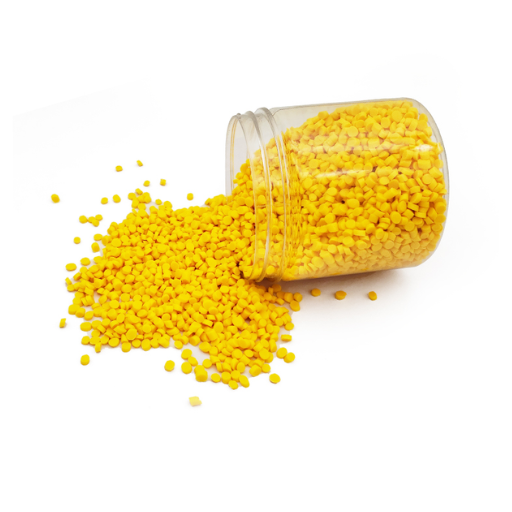
Start with your end product, not with a price list. A supplier cannot quote accurately if you only ask for “HDPE pellets” or “LDPE pellets.” Specify the resin family, processing method, MFI range, density target, color, and end-use.
For example, instead of requesting “LDPE pellets for film,” write: “LDPE blown film grade, MFI 0.8–2.0 g/10 min at 190°C/2.16 kg, density 0.920–0.925 g/cm³, natural color, food-contact compliant, 25 kg bags.”
That level of detail eliminates ambiguity. It also lets the supplier confirm whether they stock the exact grade or need to source it.
Step 2: Decide Virgin, Recycled, or Blended Pellets
Virgin polyethylene delivers maximum batch consistency and the broadest certification coverage. It is the right choice for food contact, medical devices, potable water pipe, and color-critical parts.
Recycled HDPE and LDPE pellets cost 30–50% less than virgin, but batch-to-batch variation is higher. High-quality recycled pellets can match 90–95% of virgin mechanical properties for non-food applications such as crates, pallets, black film, and industrial liners. If you are weighing recycled options, our guide on rHDPE vs rLDPE pellets and how to choose the right recycled polyethylene explains the key trade-offs.
Blended pellets combine virgin and recycled resin. Many manufacturers start with 25–30% recycled content and increase the ratio after qualifying the blend on their equipment.
If sustainability targets drive your decision, read our virgin vs recycled plastic pellets comparison for a detailed trade-off framework.
Step 3: Build a Shortlist of Suppliers
Look beyond the lowest quoted price. A reliable shortlist should include:
- Direct manufacturers with ISO 9001 certification
- Established traders with documented supply-chain relationships
- Suppliers who can provide lot-specific Certificates of Analysis
- Partners with export experience to your region
B2B marketplaces such as Alibaba and Made-in-China can help you identify candidates, but treat them as starting points. Factory audits, reference checks, and trial lots separate serious suppliers from trading companies that simply repackage material.
Step 4: Request a Detailed Quote (RFQ)
Your RFQ should include enough detail to receive comparable bids. Include:
- Grade name or technical specification
- MFI and density requirements
- Required certifications
- Estimated annual volume and order frequency
- Preferred packaging (25 kg bags, supersacks, bulk)
- Delivery terms and destination
- Trial lot quantity before full commitment
Send the same RFQ to every shortlisted supplier. Otherwise, you will compare responses that use different assumptions.
Step 5: Verify Certifications and Quality Documentation
Always request a Certificate of Analysis (COA) for the specific lot you will receive. Generic datasheets are not enough. A strong COA for polyethylene pellets includes:
- MFI at stated temperature and load
- Density
- Tensile strength and elongation at break
- Moisture content
- Ash content or contamination limits
- Lot number and manufacturing date
Certification requirements depend on application:
| Application | Typical Certifications |
|---|---|
| Food contact | FDA 21 CFR 177.1520, EU 10/2011 |
| Drinking water | NSF/ANSI 61 |
| Food equipment | NSF/ANSI 51 |
| Pressure pipe | ISO 4427, ASTM D3350 |
| EU market | REACH, RoHS |
| Recycled/sustainability claims | GRS, ISCC PLUS, Ocean Cycle |
A supplier who refuses to share COAs or certification documents is a red flag.
Step 6: Order a Trial Lot and Run Qualification Tests
Never commit to an annual contract without testing the material on your own equipment. Trial lots for polyethylene pellets typically range from 500 kg to 1,000 kg. Run the material through your normal process and track:
- Melt flow stability during production
- Color consistency and visual contamination
- Mechanical property retention in finished parts
- Scrap rate and cycle time impact
- Adhesion and seal strength for film grades
Document the results. If the trial lot performs within your tolerance, you have objective data to support a larger order.
Step 7: Negotiate Terms and Establish a Supply Agreement
Once you have qualified the material, negotiate beyond unit price. Key terms include:
- Price indexing against ICIS or Platts benchmarks
- Volume tiers and annual rebate structures
- Lead times and safety-stock commitments
- Quality rejection rights and replacement terms
- Packaging and labeling requirements
- Payment terms and Incoterms
Put the specifications in writing. A contract that only says “HDPE pellets” leaves too much room for dispute.
Supplier Evaluation Checklist for HDPE and LDPE Pellets
Use this scorecard to compare suppliers side by side. Rate each area from 1 to 5, then weight the scores by importance to your operation.
| Evaluation Area | What to Check | Weight |
|---|---|---|
| Quality systems | ISO 9001, batch testing, COA availability | High |
| Certifications | FDA, NSF, REACH, RoHS, pipe standards | High |
| Grade range | Stock of the exact HDPE and LDPE grades you need | High |
| Production capacity | Ability to meet your volume and growth | Medium |
| Lead time | Typical and expedited delivery schedules | Medium |
| MOQ flexibility | Willingness to support trial lots and small orders | Medium |
| Technical support | Materials engineers who understand your process | Medium |
| Logistics | Export experience, packaging options, Incoterms | Medium |
| Pricing transparency | Clear benchmark linkage and volume tiers | Medium |
| Responsiveness | Speed and clarity of communication | Low |
A supplier who scores well across quality, certifications, and grade range usually delivers lower total cost of ownership than the lowest bidder.
HDPE and LDPE Pellet Pricing: 2026 Benchmarks
Polyethylene pellet prices move with oil, naphtha, and regional supply. Use these ranges as starting points for budget planning, not as fixed quotes.
Virgin HDPE Price Ranges
- Asia and US bulk: $1.00–1.25 per kg
- Europe bulk: $1.10–2.30 per kg
- Premium specialty grades: add $0.10–0.30 per kg
Virgin LDPE Price Ranges
- Standard film-grade Asian imports: $800–1,300 per ton
- Premium European grades: $1,500–2,000 per ton
- Specialty coating grades: add 10–20%
Recycled Pellet Price Ranges
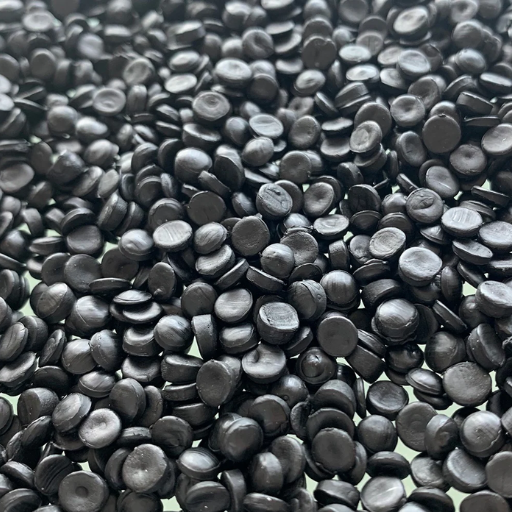
- Recycled black HDPE: $0.70–1.00 per kg
- Recycled LDPE film grade: $600–900 per ton
- Premium certified recycled grades: $0.05–0.15 per kg above standard
The global HDPE market is projected to reach $62–87 billion by 2026. Growth is expected at 3.4–5.4% CAGR. LDPE demand is also expanding. Global volume should rise from 27.23 million tons in 2025 to 28.21 million tons in 2026. Packaging and infrastructure projects drive most of that growth.
For the most accurate pricing, reference ICIS or Platts CFR China indices and negotiate quarterly adjustments. Spot buying without a benchmark exposes you to sharp swings.
Where to Find Reliable HDPE and LDPE Pellet Suppliers
Direct Manufacturers
Direct manufacturers offer the most control over specifications and traceability. Major global producers include SABIC, LyondellBasell, Dow, ExxonMobil, Sinopec, and SCG Chemicals. However, large petrochemical companies often require high MOQs and long-term contracts.
Regional Suppliers and Traders
Regional suppliers in China, Southeast Asia, Turkey, and the Middle East can offer more flexible MOQs and faster response times. Traders add value when they have direct relationships with multiple mills and can source hard-to-find grades.
B2B Marketplaces
Platforms such as Alibaba and Made-in-China list thousands of polyethylene pellet suppliers. They are useful for initial market scanning, but you should still audit any supplier before placing a bulk order.
When sourcing from Asia, consider third-party inspection services such as SGS or TÜV for pre-shipment quality verification. The small inspection fee often prevents much larger losses from off-spec material.
Requesting Samples and Qualifying Trial Lots
A sample request should be specific. Ask for:
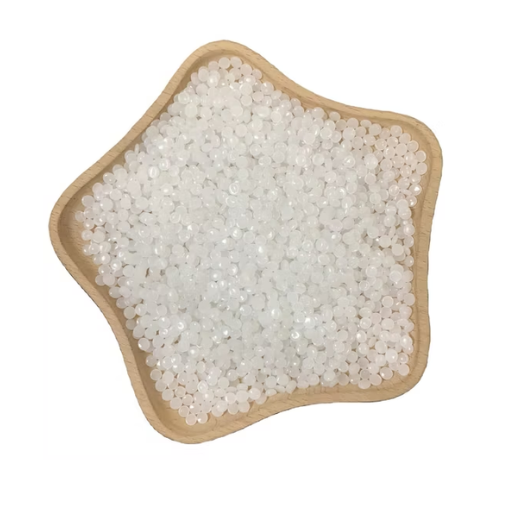
- 5–25 kg of the exact grade you intend to buy
- Technical data sheet and COA for the sample lot
- Certification copies relevant to your application
- Packaging and labeling details for the bulk shipment
After the sample passes visual and basic property checks, move to a production trial lot. Run it under normal conditions and compare the output against your current resin baseline. Only approve the supplier if the trial meets your quality, efficiency, and cost targets.
Common Sourcing Mistakes to Avoid
Buying on price alone. The cheapest pellet can increase scrap rates, cycle times, and downtime enough to erase any resin savings.
Skipping the COA review. Always verify that the Certificate of Analysis matches your incoming inspection standards.
Ignoring packaging and moisture. Polyethylene is not highly hygroscopic, but poor packaging or exposure during shipping can introduce contamination.
Misaligned MOQs. A supplier with a 25-ton minimum cannot support your 2-ton trial program.
Weak contract terms. Define what happens when material fails specification, including replacement, credit, and rejection rights.
When Marcus, a procurement director at a consumer goods company, consolidated his HDPE cap and LDPE film sourcing to one qualified supplier, he cut inbound freight costs by roughly 25%. His QC team also spent less time reconciling different COA formats. Most importantly, he stopped receiving surprise off-spec lots because the supplier understood his full material program.
Why Source HDPE and LDPE Pellets from Yifuhui
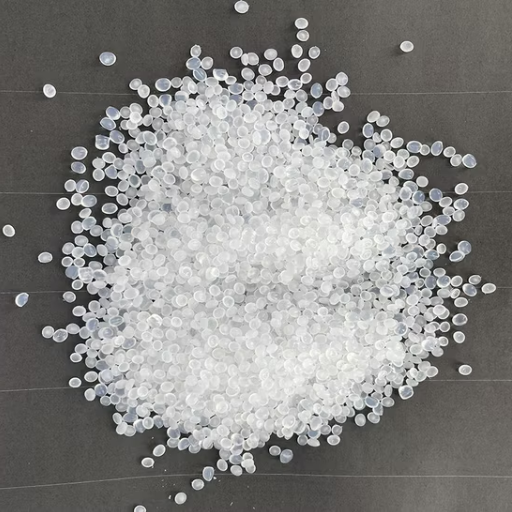
Suzhou Yifuhui New Material supplies HDPE, LDPE, LLDPE, PP, ABS, PC, and engineering resins from one catalog. That range lets you consolidate polyethylene procurement without sacrificing grade specificity.
We test every batch for MFI, density, and consistency. We provide Certificates of Analysis with clear lot tracking. Our materials engineers help you match the right grade to your process, whether you need HDPE pellets for rigid packaging or LDPE film-grade resin for flexible applications.
We also support trial lots, flexible MOQs, and transparent pricing tied to market benchmarks. If your team is evaluating how to source HDPE and LDPE pellets more efficiently, we can review your specifications and recommend a consolidated supply program.
Ready to streamline your polyethylene sourcing? Request a quote and our team will respond within 24 hours.
Conclusion
Sourcing HDPE and LDPE pellets successfully comes down to three practices: specification discipline, supplier vetting, and structured qualification. Define your grade requirements clearly. Request COAs and certifications that match your end-use. Run trial lots before committing to volume. Consider whether consolidating both resins with one supplier reduces your total cost of ownership.
Key takeaways:
- Specify resin family, MFI, density, color, and application in every RFQ.
- Use virgin pellets for food contact and color-critical parts; consider recycled grades for non-food applications.
- Verify certifications such as FDA, NSF/ANSI 61, REACH, and RoHS before ordering.
- Always run a 500 kg to 1,000 kg trial lot on your own equipment.
- Negotiate price terms against ICIS or Platts benchmarks.
If you want expert support on how to source HDPE and LDPE pellets with reliable quality and competitive pricing, contact Yifuhui today. We will help you build a supply program that keeps your production lines running smoothly.