A single charge of the wrong resin can ruin a production run worth thousands. When Marcus, a procurement manager at a mid-sized automotive supplier, received a batch of off-spec polypropylene last spring, his molding shop produced three straight days of warped bracket components before they traced the issue back to inconsistent melt flow. The delay cost him more than the material itself. It also cost him a long weekend and a lot of credibility with his production director.
Every molded part begins with one decision: selecting the right plastic pellets for injection molding. The resin you choose controls part performance, cycle time, defect rates, and total material cost. Yet too many buyers default to whatever pellet their predecessor ordered, or they chase the lowest quote without confirming whether the grade actually fits the application.
This guide is written from the supplier side of the equation. You will learn how to match resin to application, recognize quality problems before they reach your machines, and source plastic pellets for injection molding with confidence. Whether you are a procurement manager, a product engineer, or a plant manager, the framework below will help you make better buying decisions.
What Are Plastic Pellets for Injection Molding?
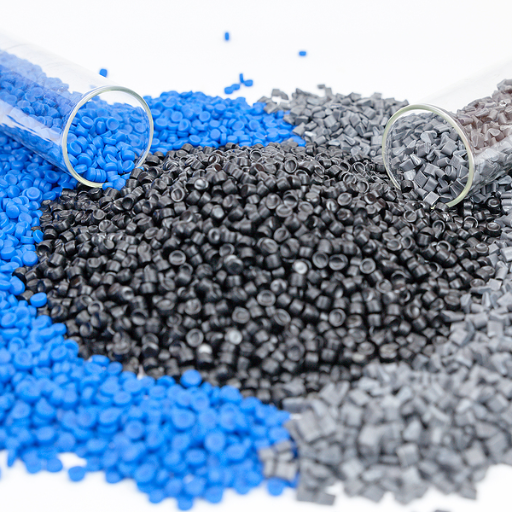
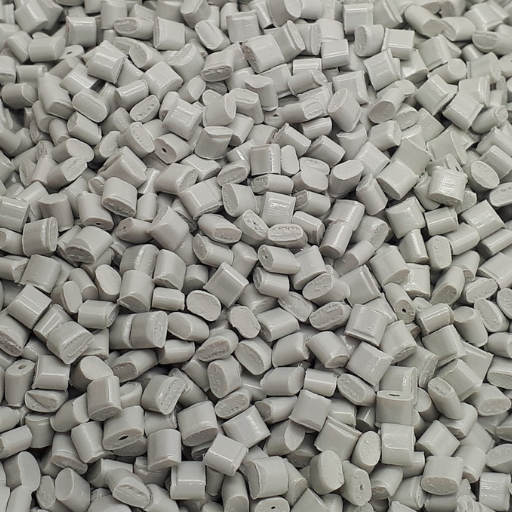
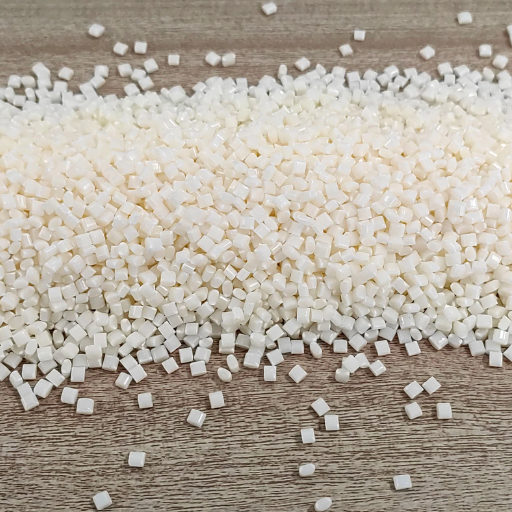
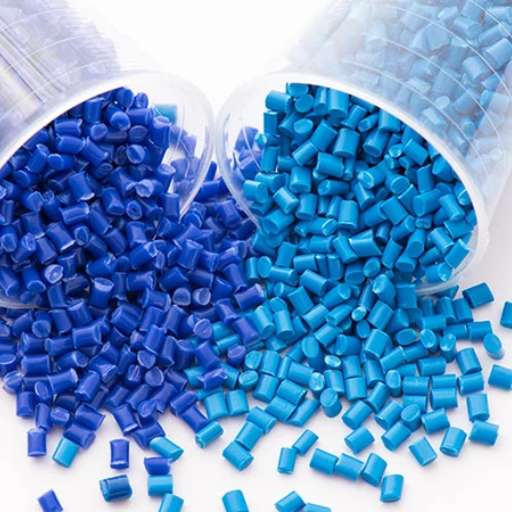
Plastic pellets for injection molding are small cylindrical or spherical granules of polymer resin that serve as the standard feedstock for injection molding machines. The pellets are fed into a heated barrel, melted, injected into a mold under pressure, cooled, and ejected as a finished part. Pellet form matters because it feeds consistently, doses precisely, and handles cleanly compared with powder or flake.
Pellet quality directly affects the success of the process. Inconsistent pellet size causes uneven melting. Excessive dust or fines can clog feeding systems. Contaminated or moist pellets produce surface defects and weak spots. In short, the pellet is not just a raw material; it is the foundation of the finished component.
Injection molding itself follows a straightforward cycle: feed, melt, inject, cool, eject. But within that simple sequence, the resin must withstand high shear, rapid temperature changes, and precise pressure control. The right pellet makes the difference between a smooth cycle and a scrap pile.
If you are new to polyethylene materials, our guide on HDPE pellets and LDPE pellets explains the differences between the two most common commodity resins.
Types of Plastic Pellets for Injection Molding
The market splits plastic pellets for injection molding into four broad families: commodity resins, engineering resins, high-performance polymers, and sustainable alternatives. Each family has a different cost, performance, and processing profile.
Commodity Resins
Polypropylene (PP) is the workhorse of injection molding. It is lightweight, chemically resistant, and inexpensive. PP dominates automotive interiors, packaging caps, consumer containers, and medical trays. Homopolymer PP offers higher stiffness, while copolymer PP delivers better impact resistance at low temperatures.
Polyethylene (PE) comes in two main forms for molding. HDPE is rigid, strong, and moisture resistant, making it ideal for bottles, crates, and industrial housings. LDPE is softer and more flexible, used for squeeze bottles, caps, and parts that need some give. If your application needs polyethylene, our guide to sourcing HDPE and LDPE pellets walks through grade selection and supplier evaluation.
Polystyrene (PS) is available as general-purpose PS for clear, rigid parts and high-impact polystyrene (HIPS) for applications that need better toughness. Think disposable cutlery, appliance housings, and yogurt cups.
Polyvinyl Chloride (PVC) can be formulated as rigid or flexible. Rigid PVC appears in construction fittings and electrical enclosures. Flexible PVC, softened with plasticizers, is used for gaskets, tubing, and wire insulation.
Engineering Resins
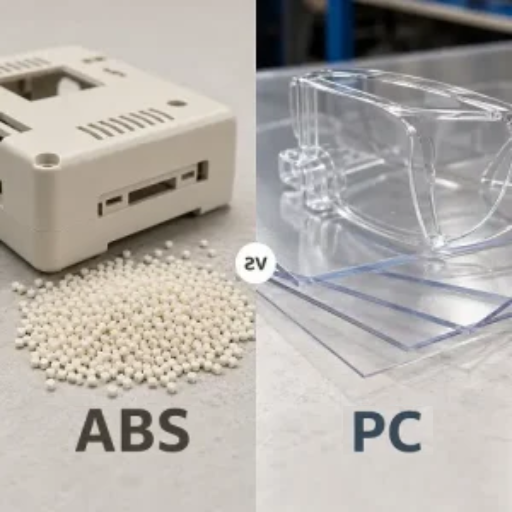
ABS (Acrylonitrile Butadiene Styrene) combines toughness, impact resistance, and an excellent surface finish. It is a favorite for automotive interior trim, electronics housings, and power-tool bodies. ABS also accepts color and plating well.
Polycarbonate (PC) provides outstanding impact strength, optical clarity, and heat resistance. It is the go-to resin for transparent lighting lenses, medical devices, safety eyewear, and electronic housings that must survive elevated temperatures.
Nylon (PA66) offers excellent wear resistance, low friction, and high mechanical strength. It is commonly specified for gears, bearings, bushings, and under-hood automotive components. Nylon is hygroscopic, which means it must be dried before processing. More on that below.
POM (Acetal) delivers exceptional dimensional stability and low friction. It is used for precision mechanical parts such as gears, conveyor links, and valve components where tight tolerances matter.
PET (Polyethylene Terephthalate) is valued for strength, clarity, and a good moisture barrier. Bottle-grade and food-contact PET are common in packaging, while reinforced grades appear in electronic and automotive parts.
High-Performance Polymers
PEEK (Polyetheretherketone) withstands extreme temperatures and aggressive chemicals. It is used in aerospace, oil and gas, and implantable medical devices.
PEI (Ultem) delivers high strength, heat resistance, and inherent flame retardancy at a lower cost than PEEK. It is common in aircraft interiors, electrical connectors, and sterilizable medical equipment.
PPS (Polyphenylene Sulfide) and PFA (Perfluoroalkoxy) excel where chemical resistance and thermal stability are non-negotiable, such as pump housings and semiconductor processing equipment.
Sustainable Alternatives
Recycled resins, including post-consumer recycled (PCR) and post-industrial blends, are growing rapidly. Recycled PP, HDPE, and PET are now used in packaging, automotive, and consumer goods where specifications allow. Bio-based plastics such as PLA and PHA fit niche applications with lower heat and moisture demands.
| Resin | Density (g/cm³) | Melt Temp (°C) | HDT (°C) | Key Properties | Common Injection Molding Applications |
|---|---|---|---|---|---|
| PP | 0.90–0.91 | 160–170 | 90–120 | Lightweight, chemical resistant, flexible | Automotive trim, packaging caps, containers |
| HDPE | 0.94–0.96 | 130–137 | 70–90 | Rigid, strong, moisture resistant | Bottles, crates, industrial housings |
| ABS | 1.03–1.06 | 200–240 | 90–115 | Tough, impact resistant, good finish | Electronics housings, automotive trim, toys |
| PC | 1.20 | 220–270 | 130–145 | Transparent, impact resistant, heat resistant | Lighting lenses, medical devices, eyewear |
| PA66 | 1.13–1.15 | 260–270 | 70–100 | Wear resistant, strong, low friction | Gears, bearings, under-hood parts |
| POM | 1.41–1.42 | 165–175 | 110–140 | Dimensional stability, low friction | Precision gears, valves, conveyor parts |
| PEEK | 1.32 | 340–400 | 150–315 | Extreme heat/chemical resistance | Aerospace, medical implants, oil & gas |
| PET | 1.38 | 250–260 | 60–80 | Strong, clear, good barrier | Food packaging, electronic parts |
How to Select Plastic Pellets for Injection Molding
Choosing the right resin is not guesswork. It is a sequence of checks that narrows the field from hundreds of grades to the one that fits your part, process, and budget.
1. Define Mechanical Requirements
Start with what the part must do. Does it need rigidity or flexibility? Will it bear load, or is it a cosmetic cover? High-impact parts call for ABS or toughened PP. Wear-prone moving parts usually need PA66 or POM. Transparent housings move toward PC or PET.
2. Assess Thermal Environment
Every resin has a heat deflection temperature (HDT) and a continuous service temperature. A part that sits in a hot engine bay needs PA66, PPS, or PEEK. A part exposed to steam sterilization needs PC or PEI. A disposable consumer item can safely use PS or PP.
3. Evaluate Chemical Exposure
Oils, solvents, acids, aromatics, and UV radiation can degrade the wrong resin. Polypropylene and HDPE resist many chemicals but not strong oxidizers. PC is sensitive to certain solvents and can stress crack. PEEK and PFA handle the harshest environments. Map the chemical profile of the end-use environment before you finalize a grade.
4. Confirm Regulatory Compliance
Food-contact parts need FDA-compliant resins. Medical devices may require ISO 10993 biocompatibility or USP Class VI testing. Automotive components often need OEM material approvals. Electronics sold in the EU must meet RoHS and REACH requirements. Always request relevant certifications from your supplier in writing.
5. Check Processing Characteristics
The melt flow index (MFI) tells you how easily a resin flows when molten. Higher MFI resins fill thin-walled molds more easily. Lower MFI resins generally retain more mechanical strength. Our article on virgin vs recycled plastic pellets explains how MFI consistency matters for recycled grades in particular.
Also consider shrinkage, mold release behavior, and cycle time. PA66 and POM have predictable shrinkage, which helps dimensional control. Amorphous resins like PC and ABS shrink less overall but can warp if wall thickness varies.
6. Balance Cost and Performance
The best material is the one that meets specifications at the lowest total cost. Sometimes a commodity resin with a small additive package outperforms a more expensive engineering resin. Sometimes moving from PC to PEEK is the only way to survive operating conditions. Run the math on part life, scrap rate, cycle time, and material cost per part, not just resin price per kilogram.
Processing and Quality Considerations
Even the right pellet will misbehave if it is not handled correctly. Moisture, contamination, and inconsistent lots are the three most common causes of scrap in injection molding.
Drying Requirements
Hygroscopic resins absorb moisture from the air. Nylon, PET, and polycarbonate must be dried with a desiccant dryer before processing. Typical drying conditions range from 70°C to 120°C for 2 to 6 hours depending on the resin and pellet size. Non-hygroscopic resins such as PE, PP, and PS usually need only minimal preparation if stored correctly.
Improper drying produces splay, silver streaking, hydrolysis degradation, and weak weld lines. In practice, proper drying of hygroscopic resins can reduce processing defect rates by 60% or more.
Incoming Inspection Checklist
When a new lot arrives, check the following before loading it into production:
- Visual appearance: uniform color, no discoloration, no foreign particles.
- Pellet size and shape: consistent dimensions, minimal fines or angel hair.
- Moisture content: verify with a moisture analyzer for hygroscopic resins.
- Melt flow index: compare the supplier certificate of analysis (COA) to your internal spec.
- Density and mechanical properties: spot-check against the technical data sheet (TDS).
- Documentation: confirm lot traceability, certifications, and shelf-life dates.
Red Flags in Pellet Quality
Watch for contamination, inconsistent color, excessive fines, off-spec odor, and signs of moisture absorption. Any of these should trigger a hold and a conversation with the supplier before the material enters the hopper.
Certifications to Request
At minimum, ask for ISO 9001 quality management certification. Depending on the application, you may also need RoHS, REACH, FDA, UL94, or automotive-grade documentation such as IMDS. A supplier who cannot provide clear certification paperwork is a supplier who cannot guarantee consistent performance.
Sourcing Plastic Pellets for Injection Molding
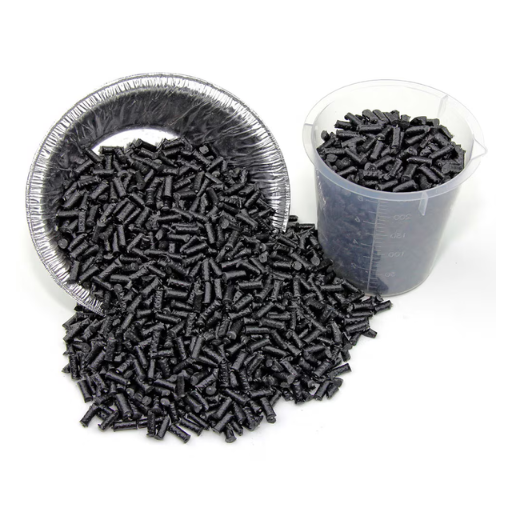
Finding a reliable supplier is as important as selecting the right resin. Price per kilogram is only one line in the total cost equation.
What to Look for in a Supplier
A strong pellet supplier offers consistent material availability, transparent pricing, responsive technical support, and complete quality documentation. They should understand your application well enough to recommend grades, not just take orders. They should also provide clear lot traceability and batch testing records.
Sampling and Trial Lots
Always run a sample before committing to a full order. A typical evaluation sample is 1–2 kilograms for lab testing, followed by a trial lot of 25–100 kilograms for production validation. Do not skip the trial lot. A resin that looks perfect on paper can behave differently on your specific machine, mold, and cycle.
MOQs, Lead Times, and Packaging
Minimum order quantities vary by resin and supplier. Standard packaging includes 25 kg bags, 500–1,000 kg bulk boxes, and silo deliveries for high-volume operations. Ask about lead times, especially for engineering and specialty resins that may not sit in local stock. A reliable supplier will communicate realistic timelines and offer contingency options.
Storage and Logistics
Pellets should be stored in a dry, temperature-controlled environment away from direct sunlight. Humidity control is essential for hygroscopic resins. During transport, avoid contamination from dust, moisture, or other materials. If you are importing pellets from overseas, plan for customs inspection, documentation review, and possible port delays.
Consolidated Sourcing
Working with fewer suppliers reduces complexity. It simplifies quality audits, improves volume pricing, and creates accountability when issues arise. One supplier who can cover your PP, ABS, PC, and PA66 needs is usually easier to manage than four separate vendors.
If sustainability is part of your sourcing strategy, our post on recycled plastic pellet suppliers explains how to evaluate PCR and post-industrial feedstock without sacrificing process stability.
Sustainability Trends in Injection Molding Pellets
Sustainability is no longer a side topic in material procurement. Regulatory pressure and corporate targets are pushing more manufacturers toward recycled and bio-based options.
The recycled plastic pellets segment is growing at roughly 9.1% CAGR, nearly double the rate of virgin pellets. Drivers include EU packaging rules, extended producer responsibility (EPR) mandates, and corporate recycled-content commitments. Post-industrial and post-consumer recycled pellets can offer 20–50% cost savings compared with virgin resin, depending on polymer type and quality.
That said, recycled resins are not plug-and-play replacements. Property retention, color consistency, and odor can vary between lots. Processors often need to adjust temperatures, cycle times, and mold design. Our comparison of virgin vs recycled plastic pellets covers when each option makes sense.
Bio-based plastics such as PLA and PHA fit specific niches, particularly food serviceware and packaging with limited heat exposure. They are not yet suitable for high-temperature or long-durability applications, but the technology is improving.
The best sustainability strategy is an honest one: use recycled or bio-based pellets where specifications allow, and rely on virgin engineering resins where performance demands require it.
Common Injection Molding Pellet Problems and How to Avoid Them
Even experienced molders run into pellet-related issues. Here is how to diagnose and prevent the most common ones.
Splay and Silver Streaking
These surface defects usually point to moisture in hygroscopic resins. The fix is proper drying and sealed storage. If the problem persists after drying, check whether the resin was exposed to moisture during shipping.
Short Shots and Poor Fill
Thin walls or complex geometries may need a higher-MFI grade, higher injection pressure, or hotter mold temperatures. Before blaming the machine, confirm that the pellet MFI matches the application.
Warping and Sink Marks
These are often caused by uneven cooling, excessive shrinkage, or wall thickness variation. Amorphous resins like ABS and PC are prone to warping if molds are not temperature-controlled. Crystalline resins like PP and PA66 shrink predictably but need uniform cooling to avoid distortion.
Color Inconsistency
Color variation can come from poor masterbatch dispersion, off-spec base resin, or contamination. Always verify color lots and request a color match sample before production starts.
Mini-Story: How the Right Pellet Saved a Launch
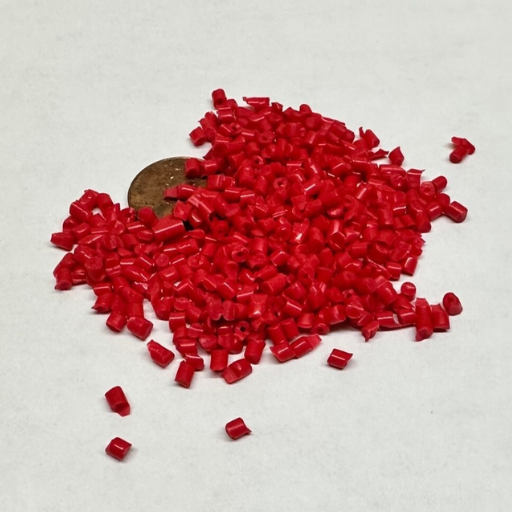
When the engineering team at a small electronics company chose a generic ABS for their new handheld device housing, the first production run failed drop testing. The corners cracked on impact. Their procurement manager, Linda, contacted our materials team and explained the failure mode. We recommended a high-impact ABS grade specifically formulated for thin-wall electronics housings. After a 2 kg sample passed testing and a 50 kg trial lot ran cleanly, they ran the full launch. The device passed every durability test, and Linda cut her scrap rate by roughly 40%. The right pellet did not cost more per kilogram. It simply matched the application better.
Why Suzhou Yifuhui for Injection Molding Pellets
At Suzhou Yifuhui, we supply a comprehensive range of plastic pellets for injection molding, including PP, HDPE, LDPE, ABS, PC, PA66, POM, PET, PEEK, PEI, PPS, PFA, TPE, and TPV. We focus on three things that matter to manufacturers: consistent quality, competitive pricing, and reliable supply.
Every batch we ship is backed by complete technical documentation. Our engineering team helps customers match resins to applications, troubleshoot processing issues, and plan bulk orders around production schedules. For international buyers, our export experience simplifies logistics, customs documentation, and quality assurance across borders.
If you are evaluating a new material or looking for a more reliable supplier, contact our materials team to discuss your requirements and request a customized quote.
Conclusion
Plastic pellets for injection molding are the foundation of every molded part. Selecting the right resin means balancing mechanical requirements, thermal limits, chemical exposure, regulatory compliance, processing behavior, and cost. Verifying pellet quality before it reaches your machines prevents defects, scrap, and missed deadlines. Partnering with a supplier who understands both the technical and procurement sides of the business makes the entire process more reliable. To learn more about Plastic Resin Pellets: The Complete Manufacturing and Procurement Guide, please click to refer to our accompanying guide.
Keep these takeaways in mind:
- Match the resin family to the application: commodity resins for cost, engineering resins for performance, high-performance polymers for extreme conditions.
- Always request certifications, COAs, and lot traceability.
- Dry hygroscopic resins properly and inspect every incoming lot.
- Run samples and trial lots before committing to volume orders.
- Consider recycled resins where specifications allow, but validate process stability.
The right pellet is not the cheapest one. It is the one that helps your production line run smoothly and your finished parts perform as designed. Contact Suzhou Yifuhui today to discuss your next project and request a tailored quote.