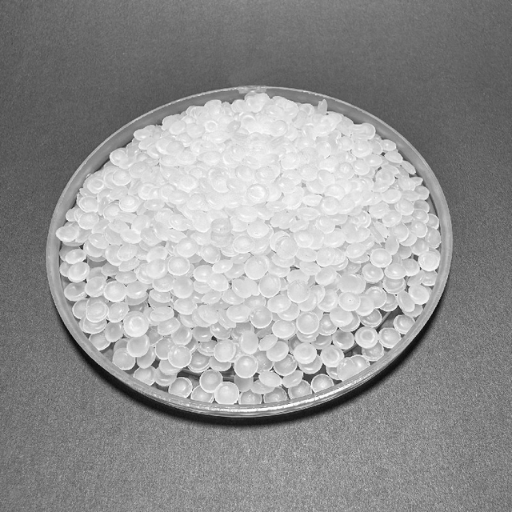
Every 2026 model year car rolling off the line carries between 120 and 200 kilograms of plastic, according to the automotive plastics market outlook. What most buyers do not realize is that almost none of that plastic started as raw, off-the-shelf polymer. It began as compounded pellets. Plastic pellets for automotive are modified with glass fiber, impact modifiers, flame retardants, and stabilizers, then documented for traceability and OEM approval before a single part is molded.
If you source materials for automotive parts, you have felt the pain this creates. Resin datasheets look similar. Suppliers quote different grades, MOQs, and certifications. One batch runs clean on your line, the next produces sink marks and rejected parts.
If you are new to the category, start with our plastic resin pellets guide for the fundamentals of pellet types and how they are processed. The promise of this guide is simple: by the end, you will know what automotive-grade pellets actually are, which pellets map to which car applications, what certification to demand from a supplier, what they cost, and how to qualify a source you can trust. We cover the full resin portfolio, from polypropylene to PPS, so you can make one informed decision instead of twenty scattered ones.
What Are Plastic Pellets for Automotive?
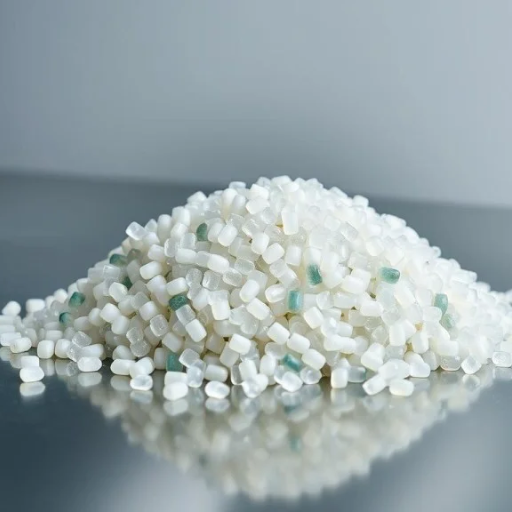
Plastic pellets for automotive are compounded polymer granules engineered and documented to meet the performance, safety, and traceability requirements of vehicle components. They pair a base resin such as PP, ABS, PC, PA66, or PPS with additives that deliver the exact impact strength, heat resistance, and flame behavior a part demands, then ship with batch test data and certification.
A plain polypropylene pellet is not an automotive pellet. Raw resin has useful properties, but a car bumper, a dashboard, and a battery tray each need different performance.
A bumper requires low-temperature impact toughness. A dashboard needs UV stability and low odor. A battery housing needs flame retardance. The supplier compounds the base resin with the right additives for each job, then verifies the result.
Take the experience of a tier 2 buyer we will call Marcus. In March 2026 he sourced glass-reinforced PA66 for an engine cover program at $3.10 per kilogram, about 15% below his previous supplier. The price looked great on paper.
By June, his line was rejecting 6% of molded parts because the glass fiber length had degraded during compounding. The fiber content was labeled 30%, but it delivered the strength of a 20% grade. The rework, scrap, and line downtime cost him more than the 15% discount had ever saved. That is the real difference between a pellet that meets an OEM spec and one that merely carries a label.
The Main Plastic Pellets Used in Cars
General-purpose thermoplastics make up roughly half to sixty percent of automotive plastic usage, with engineering plastics adding around fifteen percent. Polypropylene alone accounts for about 46% of modified plastics used in cars, the largest single resin family in the vehicle.
| Resin pellet | Typical automotive applications | Why it is used |
|---|---|---|
| PP (polypropylene) | Bumpers, door panels, dashboards, battery trays, HVAC ducts | ~46% of modified automotive plastics; low cost, light weight, chemical resistance |
| ABS | Interior trim, grilles, instrument housings, platable parts | Good impact strength, surface finish, and paint adhesion |
| PC / PC-ABS | Headlamp lenses, instrument panels, glazing, EV battery covers | High impact strength, heat resistance, optical clarity |
| PA6 / PA66 (nylon) | Intake manifolds, engine covers, connectors, cooling system | High strength and heat resistance, glass-filled grades dominate structural under-hood parts |
| POM (acetal) | Fuel system components, gears, seat-belt latches, window regulators | Low friction, stiffness, and excellent dimensional stability |
| PBT | Connectors, sensor housings, headlamp reflectors, throttle bodies | Strong electrical insulation and heat resistance |
| PPS | High-heat under-hood parts, EV power electronics | Continuous service up to 220C, inherent flame retardance |
| TPE / TPV | Weatherstripping, seals, soft-touch grips, CVJ boots | Rubber-like elasticity with thermoplastic processing |
Each of these pellet families has its own technical depth. If you are selecting a material for a specific part, our engineering plastics guide and the companion article on engineering plastics for automotive walk through resin-by-resin property data. Once you narrow the resin shortlist, PlasticMold’s automotive injection molding guide explains how part design and mold geometry change the grade you should specify.
What Does “Automotive Grade” Mean for Pellets?
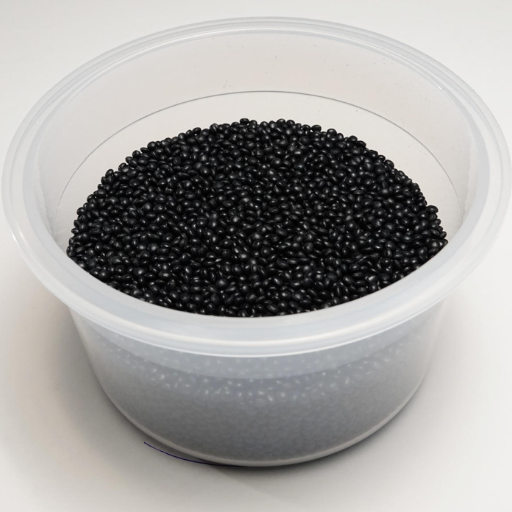
Automotive-grade plastic pellets differ from general-purpose pellets in three ways: how they are compounded, what certification they carry, and how well they are documented. Each matters to your production line.
Compounding and Modification
Most automotive pellets are compounds, not raw resin. Common modifications include:
- Glass-fiber reinforcement (GF15, GF30, GF50) for stiffness and creep resistance in structural parts
- Talc and mineral fillers for dimensional stability and reduced warpage in large panels
- Impact modifiers to prevent brittle failure at low temperature in bumpers and exterior trim
- Flame retardants for UL94 V-0 ratings required in EV high-voltage components
- UV and weather stabilizers for sun-exposed interior and exterior parts
- Low-odor, low-VOC grades for cabin interior components
Glass-filled grades typically cost about 20% more than unfilled resin, but they can roughly double tensile strength and heat resistance. The trade-off is worth it when the part demands it, which is why reinforced grades dominate structural automotive use.
Certification and Documentation
Certification is where many pellet suppliers fall short. A qualified automotive supplier should hold and provide:
- IATF 16949 quality management certification, the automotive-specific standard
- IMDS (International Material Data System) reporting for material declarations to OEMs
- PPAP and APQP documentation for program launches and part approval
- UL94 flame ratings where electrical or thermal safety requires them
- OEM material specifications such as GM GMW, Ford WSS-M, VW TL, and Toyota TSM
- Batch certificates of analysis showing MFI, tensile strength, impact, heat deflection, moisture, and color for every lot
What to Demand in Writing
Ask any prospective supplier for a current IATF 16949 certificate, a batch COA for every lot, IMDS data, and a documented change-notification process. A supplier that hesitates on any of these is not ready for automotive production. A supplier that provides them without being asked is signaling they understand the industry.
How to Qualify Automotive Plastic Pellets
Qualification does not end with a datasheet. You verify automotive grade plastic pellets on your own line before you commit volume, and an injection molding trial is the only honest test. A practical protocol looks like this:
- Request a trial lot of 25 to 100 kilograms, enough to run your actual mold or process.
- Check incoming quality: uniform pellet size and color, no contamination, low moisture.
- Verify MFI against the COA; a mismatch means the batch is not what the label says.
- Run the parts and measure: dimensional stability, surface finish, and impact performance.
- Check fiber-length retention for glass-filled grades; degraded fiber underperforms in fatigue and impact.
- Demand lot traceability so every batch maps back to raw materials and compounding conditions.
For a single-resin example of what those checks look like on the shop floor, this guide to identifying quality ABS plastic pellets for automotive parts walks through the visual and lab checks that catch bad batches early.
When the plant manager at a mid-size automotive supplier we will call Apex Plastics switched to a new nylon supplier last year, they skipped the trial lot to hit a delivery deadline. The first production batch of PA66-GF30 ran fine.
The second batch arrived with moisture content over specification. Parts that should have taken a 15-second cycle took 40 seconds of rework, and 11% of the output failed weld-line testing. The two-day delivery delay they had avoided cost them eleven days of production. A 50-kilogram trial lot would have flagged the supplier’s drying process before it ever touched their line.
Virgin vs. Recycled Pellets for Automotive
OEM sustainability targets are reshaping how automotive plastic pellets are sourced. The EU End-of-Life Vehicle directive targets 95% vehicle recoverability, and major automakers are committing to 25 to 30% post-consumer recycled content by 2030.
Recycled pellets work well in many applications: non-visible interior components, underbody shields, cable conduits, brackets, and wheel well liners. They typically save 20 to 55% versus virgin grades, and certified recycled industrial grades hold consistent properties.
Virgin pellets remain mandatory in others: glazing, safety-critical structural parts, and high-heat engine bay components. If a part requires a specific OEM spec or a UL94 rating, verify that the recycled grade carries the same certification before you substitute.
Our recycled plastic pellets guide and the virgin vs recycled comparison help you map which applications can use recycled content without risking compliance.
Automotive Plastic Pellet Prices
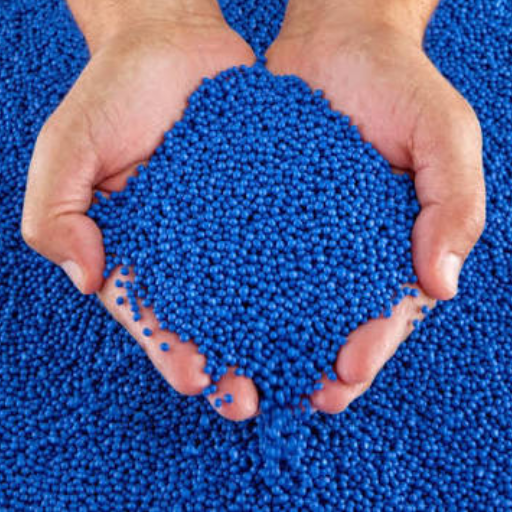
Prices vary with resin family, grade, and volume. These are indicative 2026 ranges in USD per kilogram, not guaranteed quotes:
| Resin pellet | Indicative range (USD/kg) |
|---|---|
| PP | $1.20 to $2.00 |
| ABS | $1.80 to $2.60 |
| PC | $2.80 to $4.20 |
| PA66-GF30 | $3.20 to $4.80 |
| POM | $2.50 to $3.80 |
| PBT-GF30 | $2.80 to $4.20 |
| PPS-GF40 | $7.50 to $12.00 |
| TPV | $3.50 to $6.50 |
Volume moves the number more than most buyers expect. A pellet that costs $3.50 per kilogram at one ton can drop toward $2.80 at twenty tons.
MOQs run from 25 to 50 kilograms for samples, 250 to 500 kilograms from distributors, and five to twenty metric tons manufacturer-direct. Resin prices move with feedstock costs, and 2026 has been volatile, so validate current spot data at quote time. For a full breakdown of price drivers and negotiation tactics, see our plastic resin pellets price guide. To learn more about Plastic Pellets for Injection Molding: A Complete Selection & Sourcing Guide, please click to refer to our accompanying guide.
How to Choose Automotive Plastic Pellet Suppliers
The supplier you choose determines whether your line runs smoothly or eats your margin in scrap, and not all automotive plastic pellet suppliers are created equal. Compare candidates across two tiers, then run them through a checklist.
Global Majors vs. Qualified Chinese Suppliers
The premium tier includes Covestro, SABIC, BASF, DuPont, Celanese, and LANXESS. These suppliers bring deep R&D, global footprint, and long OEM track records. They also carry premium pricing and longer lead times.
The cost-competitive tier includes qualified Chinese modified-plastics producers. Companies such as Kingfa and PRET, plus automotive-specialist compounders, hold approvals from Mercedes-Benz, GM North America, VW, Ford, Toyota, and the major NEV brands including BYD, NIO, XPeng, and Li Auto. Chinese suppliers commonly quote 15 to 30% below Western majors for equivalent grades, and the gap in quality and certification has narrowed dramatically over the past decade.
Choose the premium tier when a program demands a specific global brand spec or when your engineering team requires their application support. Choose a qualified Chinese supplier when total cost, lead time, and supply-chain flexibility matter more, as they do for many tier 1 and tier 2 programs.
Supplier Evaluation Checklist
Before you commit volume, verify each candidate against these criteria:
- Current IATF 16949 certificate, not an expired or pending one
- OEM approval lists relevant to your program
- In-house lab with documented batch testing and COA per lot
- IMDS capability and willingness to provide material declarations
- Glass-fiber length retention data for reinforced grades
- Lead time and MOQ aligned with your production schedule
- Logistics from Chinese ports to your assembly plant
- Change notification process for any formula or process modification
An EV startup we worked with spent three weeks comparing suppliers for a battery pack lower housing. They shortlisted one Western major and two Chinese compounders, requested trial lots from all three, and ran the same dimensional and flame test on each. The Chinese supplier passed every requirement at 22% lower cost with a six-week shorter lead time. The lesson: certification and price mean nothing until the pellet passes your own line test.
Plastic Pellets for EV and NEV Battery Programs
Electric vehicle programs are expanding the automotive pellet portfolio faster than any other vehicle segment, and they demand documents most interior suppliers have never seen. A single battery pack lower housing can carry 40 to 80 kilograms of plastic, and each component needs properties that change with its distance from the cells.
The battery lower housing is usually PC/ABS or a halogen-free flame-retardant blend rated UL94 V-0, because it has to contain a thermal event long enough for occupants to exit. Busbars and connector housings move to PPA or PPS where they sit near power electronics running above 150C for sustained periods. Cell spacers and cooling manifolds favor glass-filled PA66 or PBT for dimensional stability under thermal cycling and electrolyte exposure.
China’s NEV market is a useful benchmark for anyone sourcing pellets today. Brands such as BYD, NIO, XPeng, and Li Auto certify compounds directly to their own material standards, and their tier 1 suppliers routinely qualify compounds from domestic Chinese producers alongside Western majors. For EV programs, the three documents to demand are a UL94 rating, a CTI (comparative tracking index) value for insulation, and IMDS data for battery-adjacent components. Skip any of the three and you risk a part that fails during certification testing rather than in the mold.
Frequently Asked Questions
What plastic pellets are used in cars?
Polypropylene is the most used plastic pellet in vehicles, accounting for roughly 46% of modified automotive plastics. ABS, PC and PC/ABS blends, glass-filled nylon (PA66), POM, PBT, PPS, and TPE/TPV handle interior trim, lighting, under-hood, electrical, and sealing applications.
Are plastic pellets for automotive different from regular pellets?
Yes. Automotive-grade pellets are compounded with reinforcement, impact modifiers, and stabilizers, and must meet OEM material specifications with documented batch quality and IATF 16949-certified supply. Regular general-purpose pellets do not carry this certification or documentation.
Can I use recycled plastic pellets for automotive parts?
In many non-visible, low-stress applications, yes. Safety-critical, high-heat, and glazing parts generally require virgin grades. OEMs increasingly require 25 to 30% post-consumer recycled content by 2030, so expect recycled grades to appear in more approved applications over time.
How do I verify pellet quality before ordering?
Request batch certificates of analysis, run a 25 to 100 kilogram trial lot through your line, and inspect for MFI versus spec, moisture, pellet uniformity, and contamination. Verify the supplier holds current IATF 16949 certification.
Conclusion
Plastic pellets for automotive are compounded, certified, and documented materials. The buyer’s job is to match the grade to the application, demand the right certification, and qualify the supplier with a real trial lot.
Three takeaways to act on:
- Know the resin map: PP leads by volume, but ABS, PC, PA66, POM, PBT, PPS, and TPV each own specific applications.
- Demand documentation: IATF 16949, batch COA, IMDS, and OEM spec compliance should all come in writing.
- Qualify before you commit: a 25 to 100 kilogram trial lot through your own line is the only reliable test.
At Suzhou Yifuhui New Material, we supply the full automotive pellet portfolio, from PP and ABS to PC, PA66, POM, PBT, PPS, PEI, and TPE/TPV, under one supplier relationship. Every batch ships with documented test data, and our engineering team helps you match the right grade to your application. Contact our materials team for a quote, sample lot, or grade selection support. We respond within 24 hours, and we will help you keep your production line moving. To learn more about ABS Plastic Pellets and Polycarbonate Pellets, please click to refer to our accompanying guide.