Ravi quoted a coastal retail park 30 outdoor lightbox faces in standard clear polycarbonate. The material looked identical to acrylic in the sample book, and his supplier had it in stock. Two summers later, the faces had yellowed to a dull amber, the vinyl graphics had bubbled from trapped moisture, and the client wanted every panel replaced.
The quote was cheaper. The job was not. When you weigh polycarbonate vs acrylic for signage, the material choice sets a performance promise that runs for a decade or more on someone else’s building.
Get the material and the grade right, and the sign simply works. Get them wrong, and you own the warranty claim.
This guide covers the property differences that matter for signs, the fabrication traps that catch even experienced shops, and what each material really costs in 2026. We write it from the resin side, because a sign face is a material decision before it’s a fabrication decision. For the property picture behind both resins, start with our complete polycarbonate vs acrylic comparison.
Polycarbonate vs Acrylic for Signage: The Quick Verdict
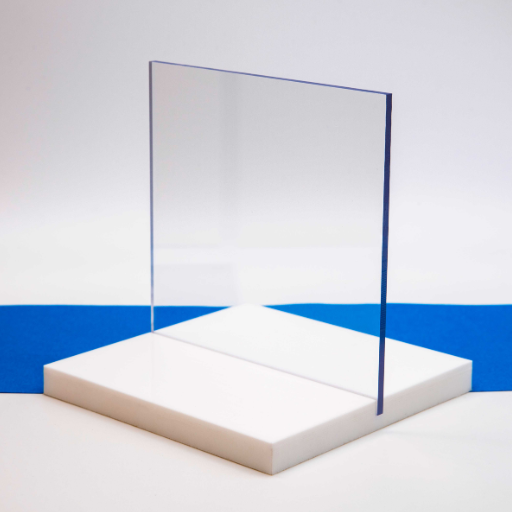
Acrylic is the better sign material for most applications, indoor and lit. Polycarbonate wins only where impact or vandalism is the real risk.
Acrylic (PMMA) delivers up to 92% light transmission, a glass-like gloss, and natural UV stability, which is why it faces most illuminated signs, channel letters, and display work. Polycarbonate (PC) is roughly 30 to 50 times tougher, but it’s less clear, scratches more easily, and yellows outdoors without a UV protective layer. Match the material to the environment, then match the grade to the job.
- Choose acrylic when: the sign is indoor or sheltered, it’s backlit or edge-lit, it needs crisp engraved or laser-cut lettering, you need thick channel letters up to ½ to 1½ inches, or budget and colour choice lead.
- Choose polycarbonate when: the sign faces outdoor weather and high traffic, it’s large format at roughly 3.5 to 4 feet and above, it sits in a vandal-prone or safety-critical location, it needs a wind or hurricane rating, or it’s installed in a cold climate where acrylic turns brittle.
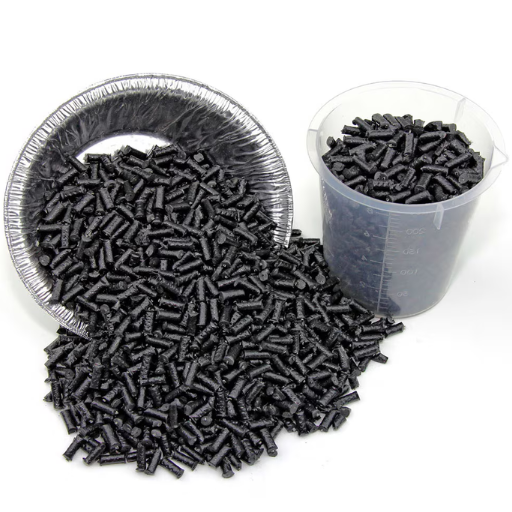
Comparing grades for a project right now? Browse our polycarbonate pellet grades and our PMMA acrylic pellet range to see what we supply.
What You Are Choosing: PMMA vs PC for Sign Faces
Acrylic, or polymethyl methacrylate, is a clear thermoplastic with excellent optics and a hard, glossy surface. It takes solvent bonding and flame polishing beautifully, which is why it produces near-invisible joins and clean, glass-like edges. Its weakness is brittleness. Under a sharp impact, acrylic cracks rather than bends.
You will also find these resins under trade names. Acrylic is sold as Plexiglas, Perspex, and Acrylite. Polycarbonate is sold as Lexan, Makrolon, and Tuffak. When a supplier quotes “Lexan vs acrylic for signs,” they are comparing polycarbonate sheet against acrylic sheet, not a different material category.
Polycarbonate is an engineering resin built for toughness. It flexes and absorbs impact instead of shattering, which is why it’s used in machine guards, security glazing, and safety shields. Its trade-offs are lower surface hardness, a slight haze, and poor natural UV stability.
The two resins look like siblings in a sample book and behave like strangers on a facade.
Signage Grades Explained
The grade you specify matters as much as the resin. Suppliers rarely spell this out, so here is the short version.
- Cast acrylic (cell-cast): best clarity, best for engraving and laser work, and the standard for premium display and illuminated faces. Sold in a wider thickness range.
- Extruded acrylic: tighter thickness tolerance and lower cost, suited to high-volume printed and standard signage. Slightly softer and less optically pure than cast.
- Impact-modified acrylic: a middle ground such as impact-modified sheet grades that resist cracking better than standard PMMA while keeping most of its clarity.
- Standard polycarbonate: for indoor or sheltered work only. It yellows quickly in direct sun.
- UV-capped or UV-stabilized polycarbonate (SL grades): the outdoor polycarbonate. A co-extruded cap or compounded stabilizer package, often backed by a 10-year warranty. Never specify bare PC outdoors.
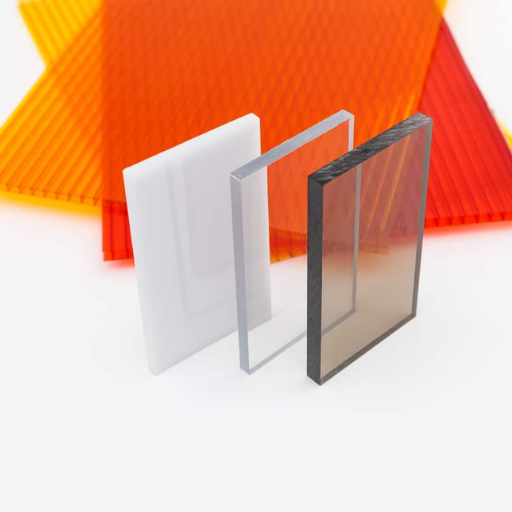
- Opal or frosted polycarbonate: used for light diffusion in outdoor lightboxes, where even brightness beats sharp clarity.
If you buy resin rather than sheet, our PMMA acrylic pellets guide explains how these grades are supplied in pellet form.
Polycarbonate vs Acrylic for Signage: Property Comparison
Here is the head-to-head in one table. These are typical published values from manufacturer datasheets and material suppliers, and they describe standard clear grades unless a UV package is stated. Aggregate figures of this kind also appear in Curbell Plastics’ industrial comparison of the two resins.
| Signage property | Acrylic (PMMA) | Polycarbonate (PC) |
|---|---|---|
| Light transmission | Up to 92% | About 88% |
| Optical clarity and gloss | Excellent, glass-like | Good, slight haze |
| Impact resistance | Brittle, cracks on sharp impact | About 250x glass, roughly 30 to 50x acrylic |
| Scratch resistance | Higher surface hardness | Softer, scratches more easily |
| Natural UV stability | Excellent, no coating needed | Poor, yellows without UV protection |
| Heat resistance | Moderate | Higher |
| Thickness availability (sign grade) | ½ to 1½ inches for thick letters | Typically stops near ¼ inch |
| Fabrication ease | Excellent, clean laser edges, easy bonding | Harder, melts under laser, needs pre-drying |
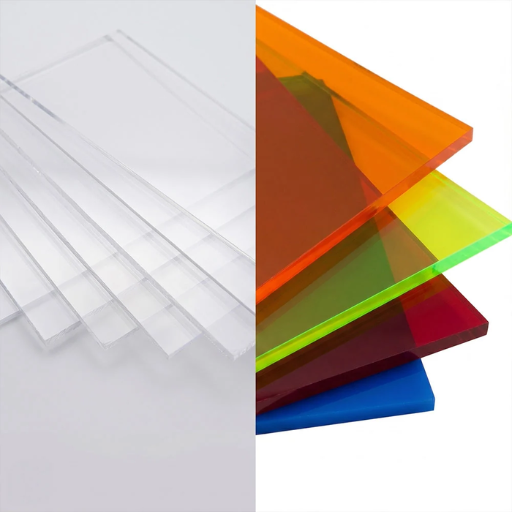
| Colour range | Wide | Narrower, mostly clear, opal, bronze, grey |
| Relative cost | Lower | 30 to 50% higher |
| Typical outdoor life | 15 to 20 years | 10 to 15 years when UV-protected |
Clarity and Light Transmission
Acrylic transmits up to 92% of visible light, against about 88% for polycarbonate. That gap is small on a datasheet and obvious on a lit sign. Acrylic also holds a glossier finish and truer colour, which is why it dominates face-lit and edge-lit signage.
A persistent myth says polycarbonate is brighter than acrylic. It isn’t. The advantage PC offers is toughness, not optics.
If brightness and colour fidelity lead your spec, acrylic is the correct choice. For a deeper look at how each resin ages in sunlight, see our polycarbonate vs acrylic UV resistance guide.
Impact Resistance and How Each Material Fails
Polycarbonate is the clear winner here. It carries roughly 250 times the impact resistance of glass and about 30 to 50 times that of acrylic, and it fails by bending rather than shattering. For signs near parking lots, loading bays, or busy walkways, that difference prevents a break.
Acrylic fails in a brittle mode. It cracks at fixing holes, at tight corners, and in cold weather. In practice, many acrylic failures are installation failures: over-tightened fasteners that leave no room for thermal expansion crack the panel at the fixing point. For the underlying mechanics, read our guide on which material is stronger, polycarbonate or acrylic.
Scratch Resistance and Surface Hardness
Acrylic is the more scratch-resistant of the two. Polycarbonate’s softer surface scuffs more easily and often needs a hard coat or mar-resistant treatment in high-contact areas. For a lobby sign that customers brush past or a menu board that gets cleaned daily, acrylic holds its finish longer.
Fabricating Sign Faces: Where the Material Choice Gets Expensive
Material cost is only the first line on the job sheet. Fabrication is where the choice between polycarbonate and acrylic for signage changes the labour and the scrap rate.
Cutting and Machining
Acrylic laser-cuts with a polished, flame-finished edge that needs little or no post-processing. It suits intricate lettering and shaped panels. Polycarbonate melts and re-fuses under laser energy rather than vaporising cleanly, so it produces rough or discoloured edges. Cut PC with a CNC router using sharp, high-speed tooling instead.
Thermoforming and Curving
Acrylic thermoforms forgivingly and is the fabricator’s default for curved faces. Polycarbonate absorbs moisture from the air, so it needs an oven pre-bake, often overnight, before forming.
Form it wet and you get bubbles and crazing, and a much higher rejection rate. Our guide to drying polycarbonate pellets before processing covers the full routine. This is one of the most under-quoted costs in the whole comparison.
Bonding and Assembly
Acrylic solvent-bonds into near-invisible joins, which is why it’s the choice for trim-cap channel letters and thick push-through designs. Polycarbonate doesn’t solvent-bond as cleanly and usually needs mechanical fasteners or specialist adhesives.
Vinyl and Print
Vinyl applies cleanly to acrylic. On polycarbonate, absorbed moisture can outgas under the vinyl and cause bubbles, and removing old graphics can leave a ghost silhouette behind. For a sign shop that re-brands faces every few years, this is a recurring cost that never appears on the material quote.
Kenji runs a fabrication shop near a coastal city, and he learned the vinyl lesson on a hotel rebrand. The original faces were polycarbonate, chosen for storm resistance.
When the client refreshed the branding two years later, stripping the old vinyl left ghosted outlines across every panel, and the fresh graphics bubbled within a season. The replacement faces were acrylic for the sheltered elevations and UV-capped polycarbonate for the exposed side. Same job, two materials, chosen by exposure rather than habit.
Lighted, Backlit, and Lightbox Signage
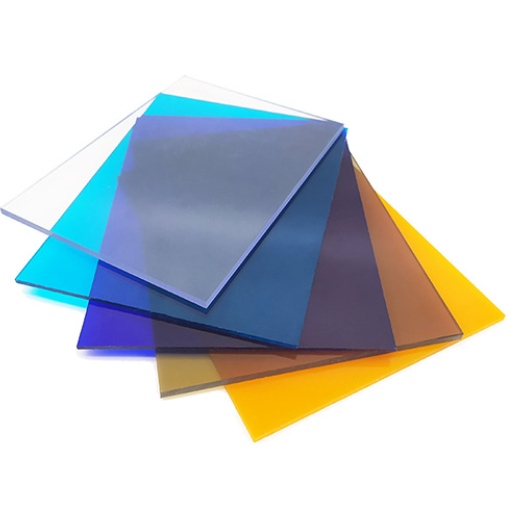
Illuminated signs push the two materials apart further, because here the sign face also has an optical job to do.
Acrylic is the standard for face-lit and edge-lit signs. Its high transmission and gloss deliver crisp, bright lettering and a clean light spread. In one documented edge-lit project, the fabricator chose cast acrylic over polycarbonate precisely because PC could not produce the required edge-lighting effect.
Polycarbonate holds its own in outdoor lightboxes in its opal form, where even diffusion matters more than sharpness. If you need a backlit panel that survives a knocked-over shopping cart, opal polycarbonate is a sensible compromise.
One rule matters for both materials. Do not use standard clear or coloured sheet as a diffuser. It will show visible LED hot spots. Specify a purpose-made light-diffusing sheet, as explained in Associated Plastics’ guide to diffuser materials.
What Sign Faces Cost in 2026
Acrylic is the cheaper resin. Polycarbonate typically runs 30 to 50% higher than acrylic at equal thickness as sheet, and 15 to 35% higher per kilogram as resin. The 2026 market has widened that gap at times, with China spot polycarbonate reaching roughly 45% above PMMA in mid-year, according to 2026 China spot market reports.
Coatings widen it further. UV-stabilized or UV-capped polycarbonate costs more than bare sheet because the protective layer adds a production step. Acrylic is naturally UV-stable, so it skips that cost entirely.
But the price per sheet isn’t the cost of the sign. The honest comparison is cost per saleable face, and it includes the factors the material quote leaves out:
- Scrap and rejection. Polycarbonate’s moisture-driven thermoforming rejection rate is real, and every failed panel carries the full material and labour cost.
- Rework. Vinyl outgassing means re-application or face replacement. Acrylic rarely needs it.
- Replacement and claims. An unprotected PC face that yellows in two years costs a full replacement cycle plus the customer relationship. Acrylic’s natural UV stability avoids that call.
For a small indoor job, acrylic’s lower price and easier fabrication make it the obvious choice. For a large outdoor installation where impact is likely, the polycarbonate premium buys down a replacement risk you can price. Our polycarbonate vs acrylic cost comparison walks through that total cost of ownership model in detail.
Want the cost per saleable face for your own sign project? Request a current quote and our engineers will help you compare both resins against your geometry, volume, and exposure.
Specifying Signage Resin: What Manufacturers Should Ask
If you buy pellets rather than sheet, the specification work moves upstream. A few questions separate a reliable supply from a future claim.
- Which exact grade? Cast, extruded, or impact-modified acrylic; standard, UV-capped, or opal polycarbonate. A generic “sign grade” label hides real performance differences.
- What UV package is documented? For outdoor polycarbonate, ask for the stabilizer type or the co-extruded cap, plus the weathering test report and warranty.
- What is the thickness range? Confirm that the grade you’re buying is produced in the thickness your sign needs, especially for thick channel letters where polycarbonate availability stops early.
- How consistent is the batch? Colour and optical consistency matter for multi-panel, engraved, and printed signage, where a batch mismatch is visible across a whole elevation.
- What does the certificate of analysis show? Verify MFI, colour, and moisture limits on every batch. See our plastic pellet quality control guide for what a complete COA should contain.
- Can one supplier cover both resins? Signage programs often need acrylic for faces and polycarbonate for structural or impact zones. Sourcing both from one partner simplifies the grade conversation and cuts freight and admin.
Tom, a procurement manager for a display manufacturer, now refuses any outdoor polycarbonate order without the UV specification and weathering report on file. He was burned once by an imported “UV PC” panel that went chalky after two winters, and the replacement program cost his company more in freight and goodwill than every quote he had ever saved on material. He treats a documented UV package as a purchasing requirement, not a nice-to-have.
FAQ: Polycarbonate vs Acrylic for Signage
What is the best material for outdoor signs?
It depends on the threat. Acrylic is the better choice where clarity, colour, and long-term appearance lead, and it’s naturally UV-stable. UV-capped polycarbonate is the better choice where impact, vandalism, or wind rating is the real risk. Match the material to the exposure.
Is acrylic or polycarbonate cheaper for signs?
Acrylic is cheaper. Polycarbonate typically costs 30 to 50% more as sheet at equal thickness. The gap narrows when you count PC’s higher rejection rate, rework, and replacement costs, so compare cost per saleable face, not per sheet.
Does polycarbonate yellow on signs?
Yes, if it’s unprotected. Standard clear polycarbonate yellows and hazes within a few years of direct sun. UV-capped or UV-stabilized polycarbonate, often sold with a 10-year warranty, resists this far better but still won’t match acrylic’s long-term clarity.
What is the best material for backlit signs?
Acrylic is the standard for face-lit and edge-lit signs, where sharpness and brightness matter most. For outdoor lightboxes, opal polycarbonate is the better choice, because it balances toughness with even light diffusion.
What thickness acrylic should a sign face be?
It depends on the sign size and span. Thin faces suit small panels, while thick cast acrylic from ½ to 1½ inches is used for channel and push-through letters. Check the grade’s available thickness range before you commit, because sign-grade polycarbonate usually stops near ¼ inch.
Should I use cast or extruded acrylic for signage?
Choose cast for premium display and illuminated faces, engraving, and the widest thickness range. Choose extruded for high-volume printed and standard signage where tighter thickness tolerance and lower cost matter more than optical purity.
Why does vinyl bubble on polycarbonate signs?
Polycarbonate absorbs atmospheric moisture. That moisture outgasses under the vinyl and forms bubbles, and removing old graphics can leave a ghost outline. Acrylic doesn’t have this problem to the same degree, so it takes vinyl more reliably.
Conclusion
The right answer to polycarbonate vs acrylic for signage is the material matched to where the sign will live. Acrylic is the clarity and colour leader, naturally UV-stable, cheaper, and easier to fabricate, which makes it right for most indoor, display, backlit, and edge-lit work. Polycarbonate is the toughness leader, the correct choice for outdoor, high-traffic, vandal-prone, and wind-rated installations, provided you specify a UV-capped or UV-stabilized grade.
Three takeaways decide most projects:
- Location sets the resin. Indoor and sheltered points to acrylic. Exposed and impact-prone points to polycarbonate.
- Grade sets the outcome. Cast versus extruded, UV-capped versus bare, and the thickness range matter as much as the resin choice.
- Fabrication sets the real cost. Pre-baking, vinyl outgassing, and rejection rates decide whether the cheaper resin stays cheaper.
At Suzhou Yifuhui, we supply both sides of the decision. We carry polycarbonate pellets, including UV-stabilized grades for outdoor sign parts, and PMMA acrylic pellets for applications where clarity is the priority. Because we supply both resins, you can source the right signage material and its documentation from one partner, with batch-tested quality and certificates of analysis on every shipment.
Contact Suzhou Yifuhui to discuss polycarbonate or acrylic pellets for your signage application. Our engineers will help you match the resin and grade to your exposure, thickness, and fabrication method, and we respond to every inquiry within 24 hours.