Drop a steel ball bearing on a sheet of acrylic and it shatters into sharp fragments. Drop the same ball on a sheet of polycarbonate and it bounces. Then hand an engineer the datasheets for both materials, and here is the surprise: the acrylic shows the higher tensile number. So which is stronger, polycarbonate or acrylic?
The honest answer? It depends on which kind of strength you mean. Both are clear thermoplastics, but they win in completely different categories. Polycarbonate is the toughness champion. Acrylic is the stiffness and surface-strength champion.
Buy on a one-word answer and you can end up with a part that cracks, bends, or shatters when it shouldn’t.
This guide separates the types of strength, explains why the two materials fail so differently, and shows the real numbers for molded grades so you can specify the right resin for your part. As a supplier of both polycarbonate and acrylic pellets, we want you to pick the material that matches your actual failure mode, not a marketing slogan.
The Quick Verdict on Which Is Stronger
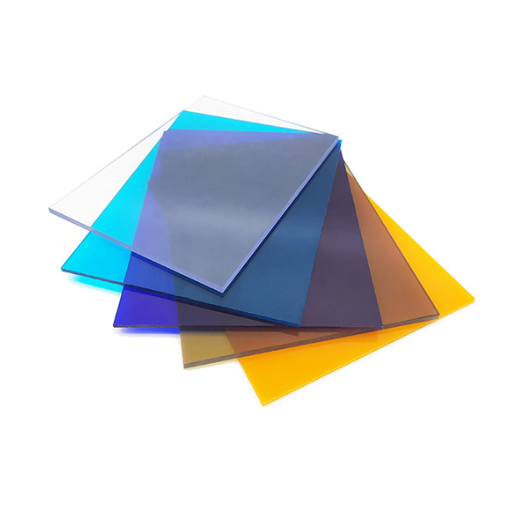
Polycarbonate is stronger under impact. Acrylic is stronger under tension and bending, and it is stiffer. Polycarbonate is tough; acrylic is strong and hard.
Here is the plain-language version. Polycarbonate absorbs roughly 20 to 30 times the impact energy of acrylic before it breaks. It bends, dents, and deforms instead of shattering. Acrylic, on the other hand, resists being pulled apart or bent more effectively. Its tensile strength runs about 70 to 80 MPa versus roughly 60 to 70 MPa for standard polycarbonate, and it’s noticeably stiffer.
The trade-off is that acrylic is brittle. It has almost no ability to stretch, so when it finally fails, it fails suddenly. No dent, no warning, just a break.
- Choose polycarbonate when the part must survive a blow. Machine guards, safety glazing, protective housings, and any part that will be dropped, struck, or loaded hard.
- Choose acrylic when the part must hold a steady load, resist deflection, and stay clear and scratch-free. Signage, light fixtures, lenses, and displays fit here, as long as impact risk stays low.
If you want the full property picture before committing to a material, start with our polycarbonate vs acrylic pellet comparison, then come back here for the strength detail.
Comparing grades while you read? Browse our polycarbonate pellet grades and our PMMA acrylic pellet range.
“Stronger” Means Three Different Things
The confusion behind this question is real, because engineers use the word “stronger” to describe three separate properties. Matching the right property to the way your part actually fails is the whole game.
Impact Strength (Toughness)
Impact strength is the energy a material absorbs before it breaks. Think of a dropped tool, a kicked guard, a stone thrown at a glazing panel. This is where polycarbonate wins by a wide margin. Standard PC grades carry roughly 20 to 30 times the notched Izod impact energy of cast acrylic, which is why security glazing and protective guards are polycarbonate jobs.
Tensile and Flexural Strength
Tensile strength is the force required to pull a material apart. Flexural strength is the stress it resists when bent. On both numbers, acrylic comes out ahead. Typical PMMA grades reach 70 to 80 MPa in tensile strength, while standard polycarbonate sits closer to 60 to 70 MPa. That seems to contradict the “polycarbonate is stronger” story, and it’s exactly why this question needs a careful answer.
Stiffness (Modulus) and Surface Hardness
Stiffness, or modulus, measures how much a material resists bending under load. Acrylic is stiffer, with a tensile modulus around 3.0 to 3.3 GPa versus roughly 2.3 to 2.4 GPa for PC. Acrylic also has a harder surface and resists scratching better than uncoated polycarbonate. For a part that must not flex and must stay cosmetically clean, acrylic is the stronger material in practice even though it is not the tougher one.
Heat resistance is worth a mention too. Polycarbonate holds its strength at far higher temperatures, with a heat deflection temperature around 124 to 140°C versus roughly 85 to 100°C for acrylic. If your part gets hot, PC is the stronger resin even before impact enters the picture.
Why Polycarbonate Bends and Acrylic Shatters
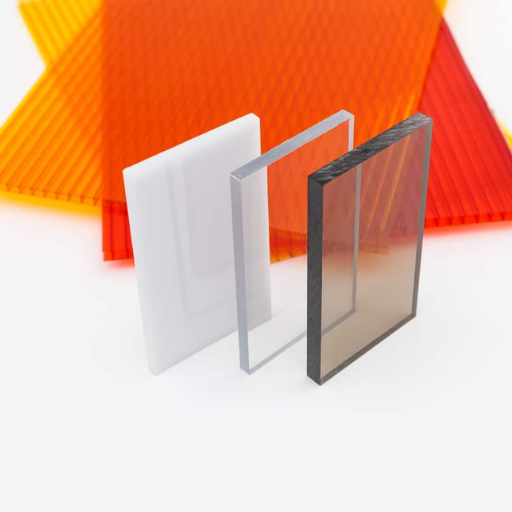
The mechanical difference comes down to how each polymer behaves as it is stressed, and that behavior explains every real-world failure you will see.
Ductile Versus Brittle
Polycarbonate is a ductile polymer. Under load, it yields first, then draws and stretches, elongating 100% to 150% before it finally breaks. That stretching absorbs energy, which is why a PC part dents or flexes instead of failing instantly.
Acrylic is stiff but brittle. It doesn’t yield. It deforms only 2% to 5% and then fails by sudden crack propagation. There is no warning stretch, no energy absorption, just a clean break. As one engineer put it, the two materials have similar tensile numbers, but acrylic’s is a brittle fracture stress while polycarbonate’s is a yield point. Size a part for equal tensile strength and the acrylic one can shatter where the PC one would simply dent.
Why Sharp Corners Kill Acrylic
Brittle materials are also notch-sensitive. A sharp corner, a scratch, or a fastener hole acts as a stress concentrator that multiplies local stress many times over. In ductile PC, the polymer blunts that concentration by yielding. In brittle PMMA, the concentration grows until the part cracks.
This is why molded acrylic parts demand generous radii, and why you will see acrylic crack around a tight fastener boss or a sharp internal corner that polycarbonate would have survived. Designers who treat PMMA like PC on the drawing board are designing their own failures. Our PC vs PMMA injection molding guide covers these design and processing differences in detail.
The “250x Stronger Than Glass” Myth
You’ll read that polycarbonate is 250 times stronger than glass. That famous figure came from manufacturer ball-drop testing in the 1970s, and it’s marketing shorthand rather than a measured property. Modern notched Izod testing puts polycarbonate at roughly 60 to 100 times the impact resistance of glass and about 20 to 30 times that of cast acrylic. Polycarbonate is still the clear winner on impact. You simply don’t need to exaggerate to make the point, and material suppliers like P&M Plastics are upfront about correcting the old number.
Polycarbonate vs Acrylic Mechanical Strength: The Numbers
Here is the head-to-head in one table. Values are typical published figures from resin datasheets and material suppliers. They vary by grade, test method, and specimen, so always verify against the datasheet for the exact resin you plan to buy. Broader property surveys of both materials, like Curbell Plastics’ acrylic vs polycarbonate comparison, use the same ballpark figures.
| Mechanical property | Acrylic (PMMA) | Polycarbonate (PC) | Wins |
|---|---|---|---|
| Notched Izod impact (ASTM D256) | About 0.4 to 1.1 ft-lb/in | About 12 to 16 ft-lb/in | PC, by 20 to 30x |
| Impact resistance vs glass | About 10 to 17x | About 60 to 100x (modern Izod) | PC |
| Elongation at break | 2 to 5% (brittle) | 100 to 150% (ductile) | PC |
| Tensile strength | 70 to 80 MPa | 60 to 70 MPa | PMMA |
| Flexural strength | About 110 to 125 MPa | About 85 to 95 MPa | PMMA |
| Tensile modulus (stiffness) | About 3.0 to 3.3 GPa | About 2.3 to 2.4 GPa | PMMA |
| Surface hardness / scratch | Harder, scratches less easily | Softer; hard-coated grades exist | PMMA |
| Heat deflection temperature | About 85 to 100°C | About 124 to 140°C | PC |
| Light transmission (new) | About 92% | About 88% | PMMA |
How to Read This Table
Polycarbonate is toughness and heat. Acrylic is strength, stiffness, and surface quality. If you ask “which is stronger,” the honest answer is that each is stronger in the property the other lacks, so you have to define which load will kill your part.
An impact engineer at an automation company put it to us this way: polycarbonate is the material that survives the baseball bat, and acrylic is the material that survives the scratch test. Those are different promises, and you should pick the one your customer actually needs.
What Molded Grades Actually Deliver
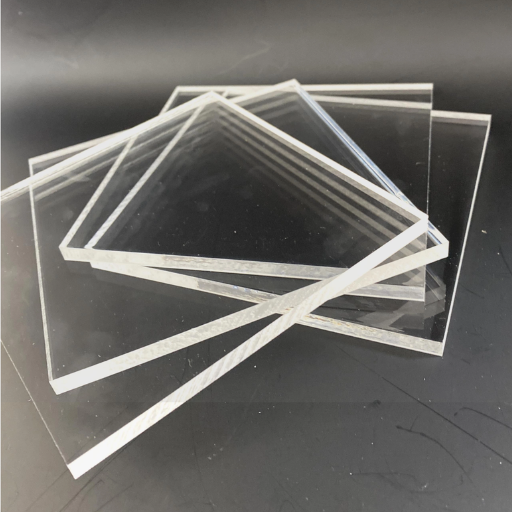
Sheet sellers can quote the table above, but most of you reading this buy pellets and mold parts, and the molded numbers tell a more useful story. This is the data you should care about.
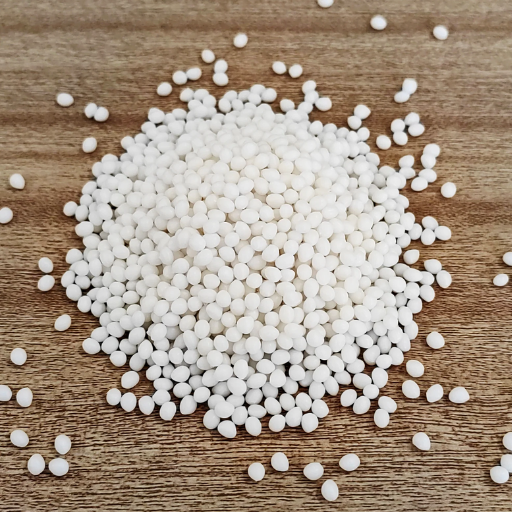
Standard injection-molding polycarbonate is the toughness benchmark. Typical notched Izod values run roughly 600 to 900 J/m on general-purpose grades, and unnotched PC specimens often record “no break” at both room temperature and minus 30°C. A standard PC pellet will take a drop that destroys most other clear plastics.
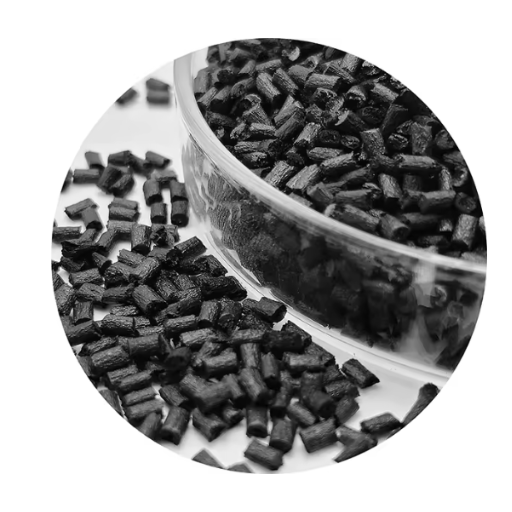
Glass-reinforced PC is a different trade. Add 10% glass fiber and tensile strength climbs to around 110 MPa while flexural modulus jumps past 5 GPa. That makes reinforced PC far stiffer and better in heat, but the glass fibers also cut notched Izod impact down to roughly 100 to 110 J/m. Reinforced PC is stronger in the stiffness sense and weaker in the toughness sense. Choose it for rigidity and heat, not for impact.
Molded acrylic is the brittle one. Notched Izod for a standard PMMA molding grade typically lands around 15 to 25 J/m, an order of magnitude below PC. The material gives you excellent stiffness, clarity, and dimensional stability, but you must design for a part that will not be hit and will not see sharp stress concentrators. For molding guidance on acrylic, see our PMMA acrylic pellets guide.
Impact-modified acrylic and PC/PMMA alloys sit in between. These specialty pellets blend toughness into the acrylic chemistry, lifting impact performance well above standard PMMA while keeping more clarity and a lower price than PC. If you need a bit of both worlds, one of these is often the smarter buy than an over-specified PC grade. Tell us your requirements and our engineers will point you to the right blend.
These figures are directional. Every grade is different, which is why any trustworthy supplier hands you a datasheet with the exact Izod value, the test standard, and the grade name on it. We cover how to read that document in our plastic pellet quality control guide.
When Each Material Is the Right “Strong” Choice
Use this map as a starting point, then let your own failure modes decide.
- Polycarbonate for impact-critical parts: machine guards and safety glazing, riot shields and protective barriers, automotive glazing and headlamp lenses, high-impact housings and enclosures, helmet visors and motorcycle windshields, and any part in a school, station, or plant that will be deliberately or accidentally hit.
- Acrylic for strength, stiffness, and surface quality: signage and retail displays, light diffusers and luminaire covers, lenses and optical parts, display cases and aquariums, and nameplates where clarity and scratch resistance matter more than brute toughness.
- UV-protected polycarbonate when impact and outdoor life both matter. If a guard or glazing sits in the sun, plain PC will yellow and embrittle. That is a separate question, and our polycarbonate vs acrylic UV resistance guide covers it in depth.
When Mark, a maintenance manager at a metal fabrication plant, kept replacing acrylic machine guards, the pattern was always the same. A forklift or a swinging workpiece would strike a guard, and the acrylic would crack and throw a sharp splinter onto the floor. After the second near-miss, he re-specified the guards in polycarbonate. The first time a pallet struck the new guard, it dented instead of shattering. He has not replaced one since, and the incident reports on his board stopped mentioning flying fragments.
The counterpoint came from a lighting OEM that builds indoor LED troffer housings. Their diffuser tray had to hold a steady load without sagging and had to resist scuffs during assembly. Polycarbonate flexed too much and marked too easily, so they chose acrylic for the tray. Nothing ever hits that tray, so its brittleness never matters. It is simply the stronger material for that specific job.
Need a second opinion on which grade survives your application? Contact our engineers and we will match the material to your load case, and we respond to every inquiry within 24 hours.
FAQ: Is Polycarbonate Bulletproof? Does Acrylic Shatter?
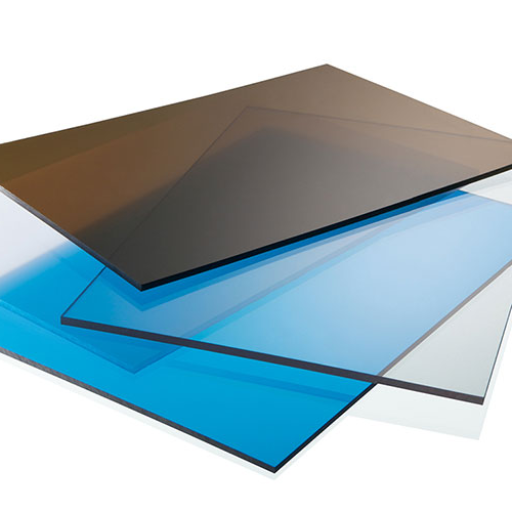
Which is stronger, polycarbonate or acrylic? Under impact, polycarbonate is stronger, absorbing roughly 20 to 30 times the impact energy of acrylic. Under tension and bending, acrylic is slightly stronger and stiffer. Define the load before you pick a material.
Is acrylic stronger than polycarbonate? On pure tensile and flexural numbers, yes, marginally, and it is stiffer. But acrylic fails by shattering with almost no warning, while polycarbonate bends and absorbs energy. They offer different kinds of strength.
Is polycarbonate stronger than acrylic? In impact strength and toughness, decisively. This is why machine guards, safety glazing, and protective housings are made from PC rather than acrylic.
Is polycarbonate bulletproof? No single sheet is. Polycarbonate is the tough, ductile layer inside engineered bullet-resistant laminates. It flexes and deforms to catch a projectile without spalling, which is why security specialists like Defenselite describe it as the no-shatter layer in a laminated system. Real bullet resistance comes from the system, not one sheet.
Does acrylic shatter? Yes. Acrylic is brittle. Under a hard or sharp impact it cracks, and in thinner sections it can shatter into fragments. Polycarbonate deforms and does not shatter.
Is acrylic stronger than glass? Yes. Acrylic resists roughly 10 to 17 times the impact of glass and does not splinter into dangerous shards. Polycarbonate is roughly 60 to 100 times stronger than glass on modern Izod testing.
Which scratches more easily, acrylic or polycarbonate? Polycarbonate. Acrylic has the harder surface. If your part is in a high-abrasion environment, plan on a hard coating for PC or choose acrylic.
How to Verify a Supplier’s Strength Claim
Strength is grade-dependent and test-dependent, so a serious supplier should be able to answer these questions in writing.
- Ask for the test standard. Is the value a notched Izod (ASTM D256), an ISO 180 figure, or a Charpy result? They are not interchangeable, and neither is directly comparable to a “ft-lb/in” marketing number.
- Ask for the exact grade and its melt flow. Impact values vary with molecular weight and additives, so a generic “polycarbonate” claim tells you nothing about the specific pellet in the bag.
- Ask whether the value is molded or extruded. Processing changes morphology, and molded-part impact depends on your drying, melt temperature, and part design as much as on the resin spec.
- Ask for a COA on every batch. Izod and tensile values shift batch to batch. A certificate of analysis ties each shipment to its datasheet and proves the resin you received matches the resin you approved. Our plastic pellet quality control guide shows what a complete COA contains.
- Design for the failure mode. If your part is acrylic, add radii to every corner and keep impact away from stress concentrators. If it is polycarbonate, remember that “stronger” under a hammer does not mean it cannot scratch, yellow outdoors, or soften in heat.
Lena, a senior buyer for an appliance maker in Guangdong, learned to demand this paperwork after a low-cost “PC” pellet lot produced housings that cracked in cold-weather field tests. The supplier’s brochure promised high impact strength, but the COA was silent on Izod, and the batch was short-filled with regrind. The recall cost her company more than the material savings it had chased. Today she approves no resin without a datasheet, a COA, and a named test method, and she has not had a brittle failure since.
Conclusion
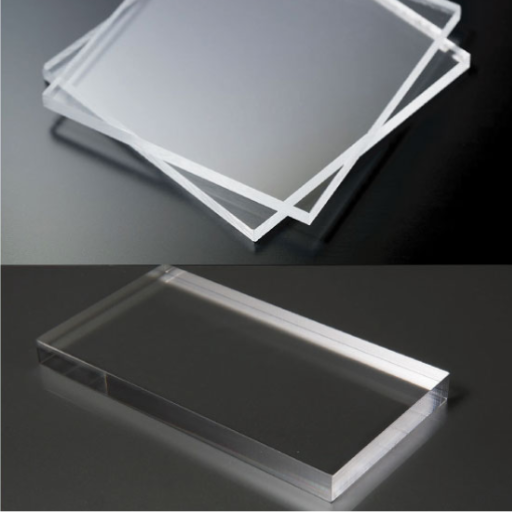
When someone asks which is stronger, polycarbonate or acrylic, the correct reply is another question: what will this part have to survive? Polycarbonate is the tougher resin, absorbing 20 to 30 times the impact energy of acrylic and deforming instead of shattering, and it keeps its strength in heat. Acrylic is the stronger resin under tension and bending, is stiffer, has a harder scratch-resistant surface, and costs less.
Choose polycarbonate when impact is the risk. Choose acrylic when stiffness, clarity, and surface quality are the job and nothing will strike the part. Then verify the numbers on a real datasheet, because grade and test method change everything.
At Suzhou Yifuhui, we supply both sides of this decision. Our range includes polycarbonate pellets in standard, high-flow, and glass-reinforced grades, plus PMMA acrylic pellets including impact-modified options. Because we carry both resins, we can recommend the genuinely stronger material for your part rather than the one we happen to sell, and every shipment ships with batch-tested quality and a certificate of analysis.
Contact Suzhou Yifuhui to discuss polycarbonate or acrylic pellets for your impact-critical or load-bearing part. Our engineers will help you match the grade to your failure mode, your processing, and your budget, and we respond to every inquiry within 24 hours.