In Q1 2026, polycarbonate and acrylic resin prices swung by more than 30% in a single quarter. Crude oil jumped on Middle East supply fears, and every transparent plastic buyer in the supply chain felt it.
Last March, Lin Wei, a procurement manager at a Guangdong electronics factory, faced a polycarbonate vs acrylic decision for a new lighting diffuser. She chose polycarbonate pellets. The resin performed well. Parts passed inspection.
But when she reviewed her quarterly material spend, she discovered the per-kilogram cost had consumed 28% more budget than projected. The project only needed PMMA. The specification error was invisible to quality control, but it was devastating to her margins.
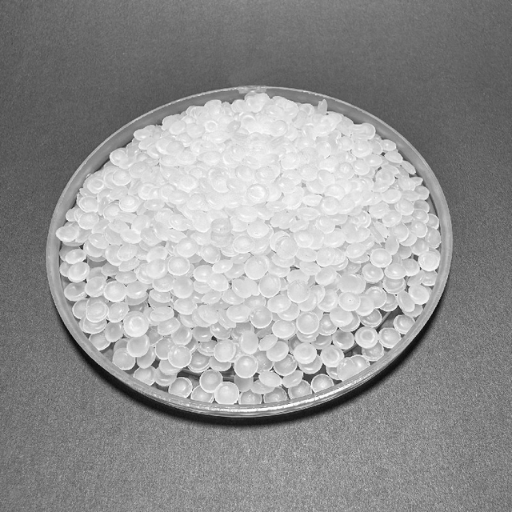
Choosing between transparent engineering resins is harder than it looks. Both materials arrive as similar-looking pellets. Both melt in an injection barrel. Both produce clear parts.
But the differences in impact strength, heat deflection temperature, and cost per kilogram can make or break your production economics, especially in a year when resin prices move fast.
This guide gives you the exact specifications that separate these two thermoplastics. You will learn how their chemistry drives processing behavior. You will see how their mechanical properties map to real applications.
You will also get verified 2026 price data that most comparison articles do not publish. And you will understand what to demand from your pellet supplier to keep your production line consistent.
Whether you are a procurement manager optimizing material spend or an engineer specifying resin for a new mold, this comparison delivers the data you need. No vague generalizations. No sheet-metal analogies. Just the pellet-level facts that drive manufacturing decisions.
The Quick Verdict: Polycarbonate vs Acrylic for Your Project
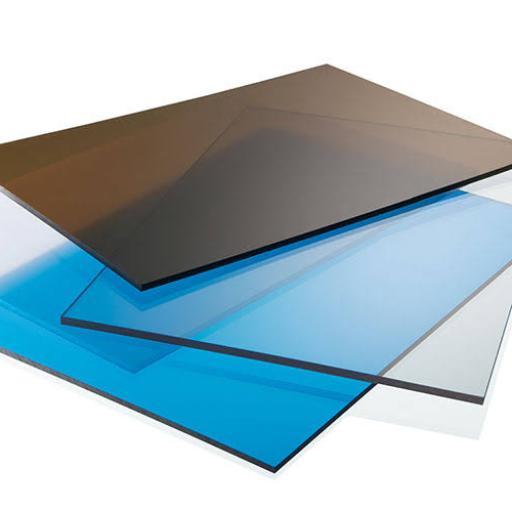
If you need impact resistance, heat tolerance, or structural integrity, choose polycarbonate (PC) pellets. If you need optical clarity, scratch resistance, or cost efficiency, choose acrylic (PMMA) pellets. That is the short answer. The complete answer depends on your application, your process, and your procurement strategy.
Choose polycarbonate pellets when:
- Impact resistance is critical (PC withstands roughly 250 times the impact of glass)
- Continuous operating temperatures exceed 85 degrees Celsius
- Parts must survive drops, vibration, or blunt force
- Flame retardancy is required (PC achieves UL 94 V-2 or V-0 ratings)
- You need a material that tolerates aggressive thermoforming or cold bending
Choose acrylic pellets when:
- Optical clarity is the priority (PMMA transmits 92-93% of visible light)
- Surface scratch resistance matters without secondary hard coats
- UV stability is needed for outdoor exposure
- Cost per kilogram drives the specification decision
- Parts will see minimal mechanical stress or impact
Most manufacturing teams encounter the polycarbonate vs acrylic question at least twice per year. New product development, vendor consolidation, and cost-reduction initiatives all force the issue. The wrong choice does not always fail in the field. Sometimes it fails quietly in your material budget, erasing margins that your pricing team already locked in.
Before you specify either resin, understand that these materials behave differently at every stage. They demand different drying protocols. They run at different melt temperatures. They shrink at different rates.
And they deliver different mechanical performance in the finished part. The next sections break down exactly what those differences mean for your operation.
What Is the Difference Between Polycarbonate and Acrylic?
The difference between polycarbonate and acrylic comes down to molecular structure and the performance it creates. Polycarbonate (PC) is built around bisphenol A and carbonate linkages, which give it extraordinary toughness, high heat deflection, and impact resistance that acrylic cannot match. Acrylic (PMMA) forms more linear polymer chains, which deliver superior optical clarity, surface hardness, and UV stability at a lower raw material cost.
In one sentence: polycarbonate is the structural workhorse, and acrylic is the optical specialist. If your part must survive impact or heat, you need PC. If your part must stay crystal-clear outdoors for years, you need PMMA. The rest of this guide gives you the specification-level data to make that call with confidence.
What You Are Actually Comparing: PC vs PMMA Chemistry
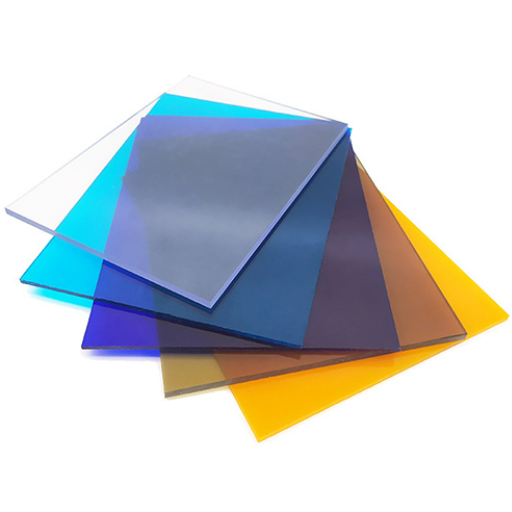
The polycarbonate vs acrylic comparison has to start with chemistry, because molecular structure drives every processing and performance difference that follows. When you compare PC vs PMMA pellets side by side, they look nearly identical in the bag. The real differences only appear under load, heat, or solvent exposure.
Polycarbonate is a polyester of carbonic acid and bisphenol A. Manufacturers produce it through a phosgene or transesterification process that links rigid aromatic rings with flexible carbonate groups. The result is an amorphous thermoplastic with exceptional toughness and heat resistance. That same molecular structure also makes PC vulnerable to certain solvents and UV degradation without stabilizers.
Acrylic, technically polymethyl methacrylate (PMMA), forms through the polymerization of methyl methacrylate monomers. The resulting polymer chains are more linear and regular than PC. This regularity gives PMMA its outstanding optical clarity and surface hardness. It also makes the material more brittle under impact because the polymer chains lack the energy-absorbing mobility found in polycarbonate.
Why does this chemistry lesson matter to a procurement manager? Because molecular structure dictates processing behavior. PC’s high melt viscosity demands hotter barrels and higher injection pressures. PMMA’s lower viscosity fills molds more easily but requires careful temperature control to avoid thermal degradation.
Understanding these differences prevents costly trial-and-error on your production floor.
Common Trade Names and Grades
You will rarely see raw material orders labeled simply as “polycarbonate” or “acrylic.” Suppliers and molders reference established trade names that signal quality and consistency. For the full landscape of engineering resins, start with our plastic resin pellets guide. Polycarbonate pellets commonly carry designations like Makrolon (Covestro), Lexan (SABIC), or Apec (Covestro high-heat grades). Acrylic pellets typically reference Plexiglas (Röhm), Perspex (Lucite International), or Acrylite (Mitsubishi Chemical).
Many buyers search for “plexiglass vs polycarbonate” without realizing the two terms are not parallel. Plexiglas is a brand name for PMMA, not a separate material family. That search is really the polycarbonate vs acrylic question in disguise, and every comparison in this guide applies to it.
Each trade name covers multiple grades optimized for specific processes. The table below maps common grades to their typical use so you can speak the same language as your supplier.
| Trade Name | Producer | Typical Use |
|---|---|---|
| Makrolon 2805 | Covestro | General-purpose PC injection molding |
| Makrolon 2405 | Covestro | Low-viscosity PC for thin-wall parts |
| Lexan 141R | SABIC | General-purpose PC, UV-stabilized options |
| Lexan LS2 | SABIC | Automotive glazing, weatherable |
| Plexiglas V045 | Röhm | High-flow PMMA for complex molds |
| Plexiglas V825 | Röhm | High-heat PMMA for automotive lighting |
| Acrylite M7 | Mitsubishi Chemical | General-purpose PMMA molding |
| CLARNATE | Wanhua Chemical | High-clarity PC, China-produced |
Your supplier should help you map these grades to your exact application requirements. When you source through Suzhou Yifuhui, you receive pellets matched to these international standards. Our engineering team cross-references your mold specifications against grade datasheets to ensure the melt flow index, heat deflection temperature, and impact strength align with your end-use requirements. This prevents the specification mismatch that cost Lin Wei her quarterly margin.
Head-to-Head: Polycarbonate vs Acrylic Properties Compared
The following comparison table summarizes the key differences between these two engineering resins. Use it as a quick reference for your polycarbonate vs acrylic evaluation, then read the detailed breakdowns below to understand how each property affects your manufacturing process.
| Property | Polycarbonate (PC) | Acrylic (PMMA) | Advantage |
|---|---|---|---|
| Impact Strength (Charpy, notched) | 65-90 kJ/m2 | 15-20 kJ/m2 | PC |
| Light Transmission | 88-91% | 92-93% | PMMA |
| Scratch Hardness (Rockwell M) | 70-75 | 85-95 | PMMA |
| UV Resistance (unstabilized) | Poor (yellows over time) | Excellent (10-20 years) | PMMA |
| Heat Deflection Temp (1.8 MPa) | 124-140 deg C | 85-95 deg C | PC |
| Density | 1.20 g/cm3 | 1.19 g/cm3 | Tie |
| Chemical Resistance (solvents) | Moderate | Good | PMMA |
| Raw Material Cost (2026) | Higher (~15-45% more) | Lower | PMMA |
Impact Resistance and Durability
Polycarbonate dominates impact resistance. Standard PC grades absorb roughly 65-90 kJ/m2 in Charpy notched impact tests. PMMA manages only 15-20 kJ/m2.
In practical terms, PC withstands approximately 250 times the impact of glass. PMMA withstands roughly 17 times that of glass. If your part might be dropped, struck, or exposed to vibration, polycarbonate is the safer specification.
However, impact resistance is not the whole story. Under static load, PMMA actually performs better. Its flexural strength of 90-110 MPa exceeds PC’s 90-95 MPa range. Acrylic resists scratching and surface abrasion more effectively. For display covers, lenses, and cosmetic panels that see gentle handling, PMMA’s surface durability can matter more than its brittleness.
Optical Clarity and Light Transmission
PMMA wins on optical clarity. Cast acrylic transmits 92-93% of visible light, approaching the clarity of optical glass. Polycarbonate transmits 88-91% depending on grade and thickness. The difference is subtle in thin sections but becomes noticeable in thick-walled parts or precision optical components.
For lighting diffusers, display windows, and medical devices where visual precision matters, PMMA is the standard choice. PC’s slight haze becomes more pronounced in sections thicker than 6 mm. If your application demands absolute transparency without secondary polishing, specify acrylic pellets and design for the material’s lower impact tolerance.
Scratch and Surface Hardness
Acrylic’s Rockwell M hardness of 85-95 outperforms polycarbonate’s 70-75 rating. This means PMMA resists surface scratching during assembly, shipping, and end-use. PC scratches more easily and often requires hard-coat treatments for cosmetic applications. That hard-coat adds cost and process complexity.
If your part will face frequent contact, abrasion, or cleaning cycles, factor the hard-coat requirement into your total cost analysis. Sometimes the “cheaper” PC pellet becomes the more expensive finished part once you add surface protection.
UV Resistance and Weathering
Acrylic offers superior inherent UV resistance. PMMA absorbs UV radiation in the 300-400 nm range without significant degradation for 10-20 years outdoors. Polycarbonate yellows and becomes brittle under prolonged UV exposure unless protected with UV-stabilizing additives or coatings.
Modern PC grades include UV-stabilized options that narrow this gap. Lexan SLX and similar grades incorporate co-extruded UV layers. These solutions work well but add cost. For long-term outdoor applications like greenhouses, skylights, or marine fixtures, acrylic remains the more predictable choice unless your budget accommodates stabilized PC.
Heat Resistance and Thermal Stability
Polycarbonate operates at higher temperatures. Its heat deflection temperature (HDT) at 1.8 MPa ranges from 124 to 140 degrees Celsius depending on grade. PMMA reaches only 85 to 95 degrees Celsius under the same load. For under-hood automotive components, electronics housings near heat sinks, or sterilizable medical devices, PC is the only viable option.
Processing temperatures follow the same pattern. PC pellets require barrel temperatures of 260 to 300 degrees Celsius. PMMA processes comfortably at 200 to 240 degrees Celsius. This 60-degree difference affects energy costs, cycle times, and mold cooling requirements. It also means PC demands more robust hot-runner systems and temperature control.
Chemical Resistance
PMMA resists dilute acids, alkalis, and many solvents better than uncoated PC. Polycarbonate suffers from stress cracking when exposed to certain organic solvents, including ketones, esters, and aromatic hydrocarbons. Even hand sanitizer residues can initiate micro-cracking in PC parts under mechanical load.
If your part will contact cleaning agents, fuels, or industrial chemicals, review compatibility charts carefully. PMMA is generally the safer choice for chemical exposure. For PC applications, design around the exposure risk or specify chemical-resistant grades that trade some optical clarity for improved solvent tolerance.
Density and Weight Considerations
Polycarbonate density is 1.20 g/cm3. PMMA density is 1.19 g/cm3. The difference is negligible for most applications. Both materials are roughly half the weight of glass.
If lightweighting is your primary goal, either resin serves you well. Choose based on other performance criteria.
Cost per Kilogram and Total Cost of Ownership
When buyers evaluate polycarbonate vs acrylic cost, the raw material price is the first number they check. Acrylic raw material typically costs 15 to 35% less than polycarbonate on a per-kilogram basis. In some 2026 market snapshots the gap widened further. This gap also grows when you factor in PC’s more demanding processing requirements. PC needs pre-drying, higher barrel temperatures, and sometimes annealing. PMMA processes more forgivingly straight from the bag.
But total cost of ownership depends on more than pellet price. Reject rates, cycle times, secondary operations, and warranty claims all matter. A part that fails in the field because you specified the cheaper resin can cost infinitely more than the material savings. Run the full calculation before you let procurement drive the specification.
Polycarbonate vs Acrylic Cost and Price Trends in 2026
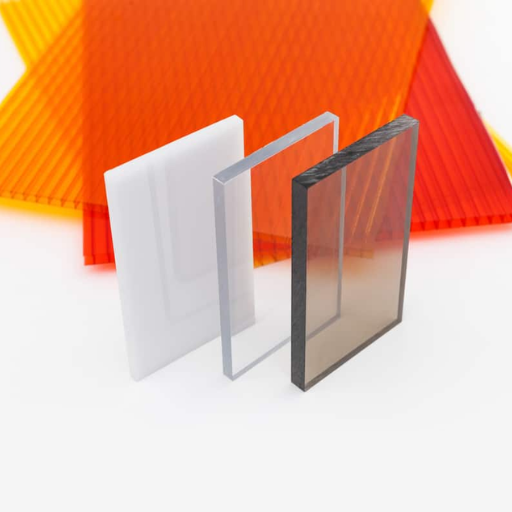
Most comparison articles stop at “acrylic is cheaper.” That is not enough for a buyer making decisions in 2026. Prices for both resins moved sharply this year, and the reasons matter for your sourcing strategy. This is the market intelligence that most guides skip.
Where PC and PMMA Prices Stand Today
Verified spot prices from May 2026 put global polycarbonate at roughly 2,007 USD per ton, against roughly 1,645 USD per ton for PMMA, according to industry polymer price tracking compiled by K-online. In China, the same period showed PC near 16,367 RMB per ton and PMMA near 15,867 RMB per ton.
By July 2026, the China snapshot had shifted. One industry comparison reported PC at 19,800 RMB per ton against PMMA at 13,650 RMB per ton. The premium for polycarbonate widened from roughly 15-35% in normal conditions to around 45% in that window, per ChemicalBook’s PC vs PMMA analysis.
| Market (2026) | Polycarbonate (PC) | Acrylic (PMMA) | PC Premium |
|---|---|---|---|
| Global spot, May 2026 | ~2,007 USD/t | ~1,645 USD/t | ~22% |
| China, May 2026 | ~16,367 RMB/t | ~15,867 RMB/t | ~3% |
| China, July 2026 | ~19,800 RMB/t | ~13,650 RMB/t | ~45% |
These numbers move quickly. Always confirm current pricing with your supplier before locking a budget. The point here is the pattern: PC carries a real premium, and that premium can spike.
Why 2026 Prices Are So Volatile
Both PC and PMMA are petroleum-linked. PC pricing tracks bisphenol A and benzene. PMMA pricing tracks MMA monomer.
When crude oil spiked on Middle East conflict concerns in Q1 2026, both resins swung by more than 30% in amplitude. PC recorded daily jumps of up to 2,000 RMB per ton in March. PMMA moved up to 1,000 RMB per day.
In Europe, January 2026 saw PC prices crash as producers could not pass through higher benzene costs against weak demand. This is a classic petrochemical squeeze. Buyers who planned on fixed annual budgets got caught off guard.
The PMMA Oversupply Signal
Here is the structural factor to watch. China is adding more than 1 million tons of new PMMA capacity, with projects from Rongsheng (180,000 tons), Shandong Zhemai (160,000 tons), and ZPC coming online through late 2025 and 2026. Existing PMMA plants already run at only 50-60% utilization. That oversupply points to sustained downward pressure on PMMA prices, which is good news if you buy acrylic.
Polycarbonate faces a different picture. China accounts for about 58% of global PC capacity, roughly 3.81 million tons at the end of 2024, per industry analysis in our polycarbonate pellets guide. PC’s supply-demand balance looks more stable, which supports its premium.
What Buyers Should Do Now
- Lock in contract pricing for PMMA if your application is already specified. Oversupply gives you negotiating leverage through 2026.
- Re-verify PC quotes before big buys. The premium can spike and erode your margins, as Lin Wei discovered.
- Consider grade substitution where performance allows. If you specified PC for surface hardness or optics, PMMA may deliver the same result at lower cost.
- Ask suppliers for price transparency. A supplier who shares current market data is one you can plan around.
This is the kind of sourcing intelligence you should expect from a resin partner. At Suzhou Yifuhui, we provide transparent pricing on both PC and PMMA pellets and help you time your orders around market swings. Request a current quote for polycarbonate or acrylic pellets and our team will confirm today’s pricing before you commit.
Processing Polycarbonate vs Acrylic on Your Shop Floor
The difference between polycarbonate and acrylic becomes most obvious on your production floor. These resins demand different handling, different machine settings, and different quality controls. Ignore those differences, and you will turn premium pellets into expensive scrap.
Injection Molding Parameters
When you compare polycarbonate vs acrylic for injection molding, the temperature envelope is your first checkpoint. PC pellets require barrel temperatures of 260 to 300 degrees Celsius. Mold temperatures typically run at 80 to 120 degrees Celsius. Injection pressures are high due to PC’s melt viscosity. Your machine needs robust clamping force and precise temperature control across all zones.
PMMA processes at lower temperatures. Barrel zones run at 200 to 240 degrees Celsius. Mold temperatures stay between 60 and 80 degrees Celsius. The lower thermal demand reduces energy consumption per cycle. It also means smaller machines can handle larger shot sizes, potentially reducing your hourly machine rate.
Melt Flow Index (MFI) varies widely by grade. General-purpose PC pellets might carry an MFI of 10-20 g/10min at 300 degrees Celsius. High-flow grades reach 25-35 g/10min. PMMA typically ranges from 2-25 g/10min at 230 degrees Celsius, depending on molecular weight.
Match the MFI to your wall thickness and flow length. Thin walls need high flow. Thick sections tolerate lower flow for better mechanical properties. For a deeper look at setting up PC molds, see our plastic pellet injection molding guide.
Drying Requirements: The Critical Difference
Here is where many molders stumble in the polycarbonate vs acrylic processing debate. Polycarbonate is hygroscopic. It absorbs moisture from ambient air.
If you mold PC with moisture content above 0.02%, you get silver streaking, hydrolysis degradation, and brittle parts. You must pre-dry PC pellets at 120 degrees Celsius for 3-4 hours before processing. Desiccant dryers are essential, not optional.
PMMA is more forgiving. It also absorbs moisture, but the tolerance is wider. Drying at 80 degrees Celsius for 2-3 hours usually suffices. Some processors run PMMA straight from sealed bags with minimal issues. This lower drying demand simplifies production scheduling and reduces energy costs.
When Chen Ran switched his factory from PMMA to PC for safety visors, he assumed the molding parameters would be similar. He was wrong. His first three batches showed severe silver streaking and sink marks.
A technician finally identified the culprit: the PC pellets had absorbed moisture during storage. Once Chen installed a proper drying system and pre-dried the resin to below 0.02% moisture content, the parts came out flawless. The lesson cost him two weeks of production. It taught him that polycarbonate processing demands respect.
Shrinkage and Dimensional Stability
When comparing polycarbonate vs acrylic shrinkage behavior, PC rates range from 0.5% to 0.8%. PMMA shrinks at 0.2% to 0.6%. The lower shrinkage of PMMA benefits tight-tolerance parts like optical lenses and precision covers. PC’s higher shrinkage requires more generous tolerances or post-mold machining for critical dimensions.
Both materials exhibit amorphous shrinkage behavior, meaning shrinkage is relatively uniform in all directions. This isotropic behavior simplifies mold design compared to crystalline materials like polypropylene. However, PC’s higher thermal expansion coefficient means parts grow more in high-temperature environments. Factor this into your tolerance stack-up.
Post-Processing: Polishing, Coating, and Annealing
In post-processing, the polycarbonate vs acrylic gap widens. PMMA accepts flame polishing easily. A quick pass with a propane flame restores optical clarity to machined edges. PC does not flame polish well. It requires multi-step mechanical polishing or vapor polishing with solvent exposure to achieve equivalent transparency.
PC parts with residual stress often require annealing at 125 to 135 degrees Celsius for 1-4 hours. This relieves molded-in stresses that would otherwise cause cracking during assembly or chemical exposure. PMMA rarely needs annealing unless the part has extremely tight tolerances or complex geometry with thick-to-thin transitions.
Extrusion and Blow Molding
Both materials extrude well, though the polycarbonate vs acrylic extrusion comparison favors PMMA for energy efficiency. PC’s higher temperature requirement demands more robust extruder screws and barrel heating. PMMA extrudes at lower energy cost and produces excellent sheet and profile clarity.
For blow molding, PMMA is rarely used due to its limited elongation. PC dominates in blow-molded medical and laboratory ware.
Application Matrix: Matching Pellets to Your Industry
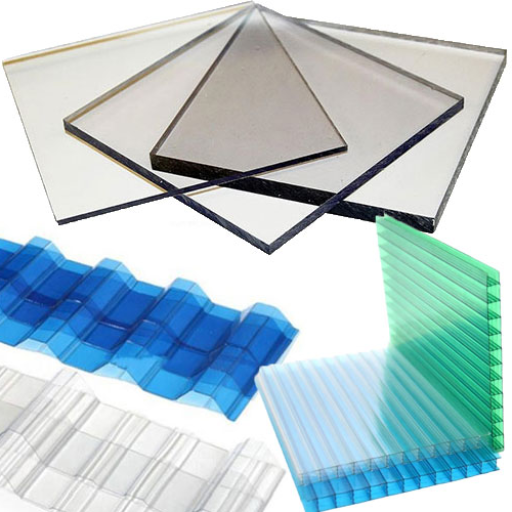
The right resin depends on where your part lives and what it must survive. The following matrix connects common industries to the optimal choice in the polycarbonate vs acrylic debate.
Automotive Components
Polycarbonate dominates automotive applications. Headlamp lenses, interior trim, instrument cluster covers, and under-hood components all demand PC’s heat resistance and impact strength. Modern grades like Lexan LS2 or Makrolon AL offer specialized UV stabilization and scratch resistance for exterior glazing. Specify PC pellets when your part must survive summer dashboard temperatures or winter road debris.
Exception: Decorative trim pieces with high-gloss cosmetic requirements sometimes use PMMA for its superior surface hardness and clarity. But these applications are secondary to PC’s structural role in automotive.
Electronics and Displays
For electronics, the comparison favors PMMA. Acrylic excels in smartphone light guides, tablet display windows, monitor bezels, and LED diffusers. The material’s excellent light transmission and ability to be molded with micro-optical structures make it ideal for display applications.
PC finds electronics use in enclosures and housings where impact protection matters. Laptop covers, power tool housings, and server chassis components leverage PC’s toughness. Choose based on whether your part faces the user (PMMA for optics) or protects internals (PC for structure).
Medical Devices
In medical applications, the polycarbonate vs acrylic decision depends on sterilization requirements. PC withstands gamma radiation, steam autoclaving, and EtO sterilization. It appears in surgical instruments, drug delivery devices, and sterilizable housings. Its high heat resistance allows repeated autoclave cycles at 121 degrees Celsius.
PMMA serves in dental applications, bone cements, and optical devices where biocompatibility and clarity are paramount. Some grades meet USP Class VI and ISO 10993 standards for limited body contact. Always verify biocompatibility certifications with your pellet supplier before specifying either resin for medical use. The regulatory pathway for medical-grade resins is stricter than industrial grades, and your supplier must provide full traceability and batch documentation.
Safety and Security Equipment
For safety equipment, polycarbonate wins every time. Face shields, safety goggles, machine guards, and ballistic glazing all rely on PC’s exceptional impact resistance. No other transparent thermoplastic matches its ability to absorb energy without sharding. If human safety depends on your part, specify PC without hesitation.
Signage and Lighting
PMMA dominates signage and lighting. For outdoor applications, the polycarbonate vs acrylic question usually resolves to acrylic. Channel letter faces, illuminated signs, light diffusers, and decorative panels all benefit from PMMA’s clarity, UV resistance, and ease of fabrication. The material laser-cuts cleanly and bonds with solvent cements for seamless assemblies.
PC appears in lighting where impact resistance matters, such as streetlight covers, industrial high-bay fixtures, and vandal-resistant luminaires. But for standard indoor lighting and retail signage, PMMA’s cost advantage and optical performance make it the default choice.
Consumer Goods and Packaging
PMMA wins in consumer goods where cosmetics and cost drive the decision. Cosmetic packaging, display stands, picture frames, and decorative items all favor acrylic. PC appears in durable consumer products like water bottles, food processors, and sporting equipment where toughness trumps scratch resistance.
One caution for food-contact use: polycarbonate contains bisphenol A (BPA). BPA concerns have pushed many food-container applications toward alternatives, and some regions restrict BPA in food-contact materials. PMMA is BPA-free but is rarely used for food contact due to cost and brittleness. Review FDA or EU food-contact approvals carefully when specifying either resin for packaging, and confirm your supplier’s regulatory documentation.
Sourcing Pellets: What Procurement Managers Need to Know
Selecting the right resin is only half the battle. Sourcing polycarbonate vs acrylic pellets consistently, cost-effectively, and on time completes the picture. The following guidance helps you evaluate pellet suppliers beyond their price lists.
Evaluating Pellet Quality and Consistency
Demand a Certificate of Analysis (COA) with every batch. The COA should verify melt flow index, heat deflection temperature, tensile strength, and impact resistance against the grade datasheet. Random testing at receiving is wise, but a reliable supplier’s COA should match your in-house measurements within tight tolerances. For a full framework, review our plastic pellet quality control checklist.
Check for visual contamination. Pellets should be uniform in color and size. Foreign particles, discoloration, or excessive dust indicate poor handling or regrind mixing. Premium virgin pellets look clean and consistent. Regrind or off-spec blends may save money upfront but create process variation that costs more in scrap and downtime.
Packaging, Storage, and Handling
Both PC and PMMA pellets arrive in 25 kg bags, bulk boxes, or bulk containers. Sealed bags with moisture barriers protect hygroscopic resins during shipping. Once opened, reseal bags immediately or transfer pellets to a dry storage hopper. Exposed PC pellets can reach problematic moisture levels in humid climates within hours.
Store pellets in a climate-controlled area below 30 degrees Celsius and 50% relative humidity. Elevated temperatures accelerate degradation. High humidity attacks PC before it even reaches your dryer. Good storage practices cost nothing. Poor storage practices cost production.
Supplier Evaluation Checklist
Before you commit to a pellet supplier, verify these fundamentals:
- Material range: Do they stock multiple grades, or will you need secondary sources for specialized applications?
- Quality protocols: Do they test every batch, or spot-check periodically?
- Lead times: Can they deliver within your production schedule, or do you need to carry excessive safety stock?
- Technical support: Will their engineering team help you troubleshoot molding issues, or do they only take orders?
- Certifications: Do they hold ISO 9001, ROHS, or REACH documentation for the grades you need?
- Price transparency: Will they share current market pricing and explain price movements?
After six months of inconsistent melt flow rates from her previous supplier, Wang Mei moved her PMMA orders to a partner who provided certificates of analysis with every batch.
Her scrap rate dropped from 4.2% to 0.8%. Her molding cycle times stabilized. And her procurement reports finally matched her production forecasts. The resin had not changed. The supplier accountability had.
At Suzhou Yifuhui, we treat pellet consistency as a non-negotiable. Every batch of polycarbonate and acrylic pellets undergoes quality verification before it leaves our facility. We provide full COA documentation, maintain ISO-certified processes, and keep engineering staff available to help you match the right grade to your mold. Our transparent pricing and reliable logistics eliminate the supply chain surprises that derail production schedules.
FAQ: Polycarbonate vs Acrylic
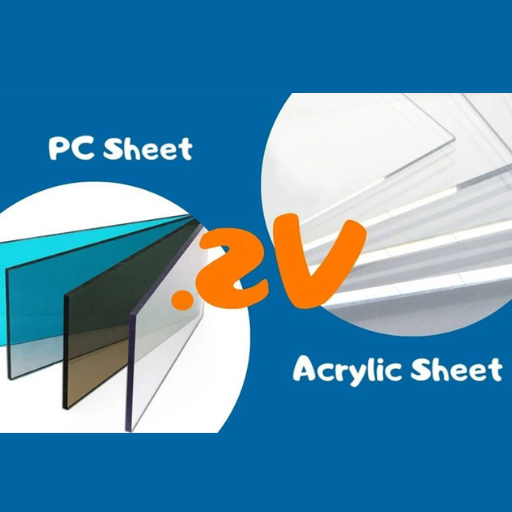
Which is stronger, polycarbonate or acrylic?
Polycarbonate is significantly stronger under impact. It absorbs roughly 250 times the impact of glass, while acrylic absorbs about 17 times that of glass. Acrylic has a harder surface and resists scratches better, but it is brittle and cracks under heavy impact. If the part can be dropped or struck, choose polycarbonate.
Which is clearer, polycarbonate or acrylic?
Acrylic is clearer. PMMA transmits 92-93% of visible light, while polycarbonate transmits 88-91%. For optical components, display windows, and lighting diffusers, acrylic is the standard choice.
Is polycarbonate more expensive than acrylic?
Yes. Polycarbonate typically costs 15-35% more per kilogram than acrylic, and the premium widened to roughly 45% in some July 2026 market snapshots. See the price section above for verified 2026 numbers.
Does polycarbonate yellow in the sun?
Unprotected polycarbonate yellows and degrades under prolonged UV exposure. UV-stabilized PC grades and hard coats reduce this, but acrylic is inherently UV-stable and lasts 10-20 years outdoors without yellowing.
Is acrylic UV resistant?
Yes. Acrylic has excellent inherent UV resistance and maintains clarity for 10-20 years outdoors, which is why it dominates outdoor signage and lighting.
Can acrylic be injection molded?
Yes. PMMA injection molds well at barrel temperatures of 200-240 degrees Celsius. It requires high mold surface finish for optical clarity and is sensitive to contamination and moisture, but it processes more forgivingly than PC.
Is polycarbonate food safe?
Polycarbonate contains BPA, and BPA restrictions have pushed many food-contact applications toward alternatives. If you need food-contact materials, confirm regulatory compliance and consider BPA-free options. Acrylic is BPA-free but is rarely used for food contact due to cost and brittleness.
Conclusion
The polycarbonate vs acrylic decision is not about finding a winner. It is about matching the right engineering resin to the right application. PC delivers unmatched toughness and heat resistance. PMMA delivers superior clarity, surface hardness, and cost efficiency. Both materials perform brilliantly when specified correctly.
Before you place your next pellet order, run through these five decision factors:
- Impact requirements: Will the part see drops, strikes, or vibration? If yes, lean toward PC.
- Optical demands: Does the part need glass-like clarity? If yes, specify PMMA.
- Temperature exposure: Will the part exceed 85 degrees Celsius continuously? If yes, PC is your only choice.
- Cost constraints: Is material spend the primary driver? If yes, PMMA offers significant savings, and 2026 oversupply strengthens your negotiating position.
- Processing capability: Do you have proper drying and temperature control? If not, PMMA is more forgiving.
Get any of these wrong, and you will pay for it in scrap, warranty claims, or eroded margins. Get them right, and your transparent parts will perform exactly as designed.
Ready to source polycarbonate or acrylic pellets for your next production run? Whether you have settled on polycarbonate vs acrylic or you are still comparing grades, request a custom quote today. Our engineering team reviews your specifications and responds within 24 hours with grade recommendations and competitive pricing tailored to your volume requirements.