A procurement manager at a mid-sized automotive Tier 1 supplier told us a story we hear almost every week. His team needed to switch interior trim components to recycled polypropylene to satisfy an OEM sustainability scorecard. The target was clear. The material specification was not. He had quotes for rPP pellets ranging from $700 to $1,500 per ton, with no consistent data on melt flow index, odor levels, or heat resistance. The wrong choice would waste money. It could also halt a production line that shipped 40,000 parts per month.
That conversation captures why recycled plastic pellets applications deserve more than a simple list of industries. Manufacturers need to know which pellet grade works for which product, what processing method suits each application, and which quality standards matter in each sector.
The global recycled plastic pellets market reached $13.9 billion in 2026, according to Business Research Insights. Packaging consumes the largest share. Automotive is the fastest-growing end-use segment. The expansion is driven by recycled-content mandates, OEM sustainability targets, and the practical reality that recycled pellets often cost less and carry a smaller carbon footprint than virgin resin.
In this guide, you will learn:
- What recycled plastic pellets are and how they are manufactured
- Which processing methods are used for different applications
- How major industries use recycled pellets today
- Which pellet types fit specific products and sectors
- Quality and certification requirements by application
- Market trends shaping where recycled pellet demand is heading
If you are evaluating recycled feedstock for a specific project, contact our engineering team for application-specific recommendations and material data sheets.
What Are Recycled Plastic Pellets?
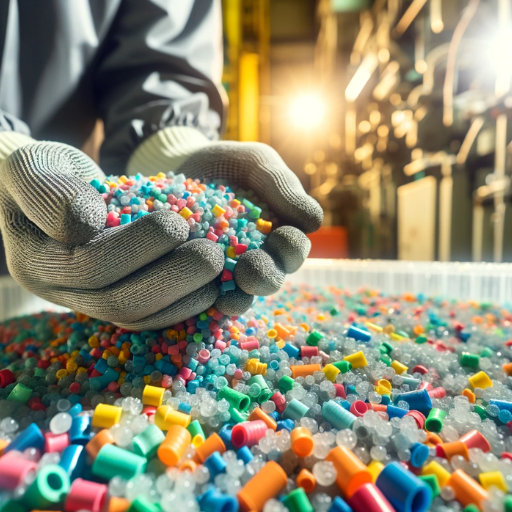
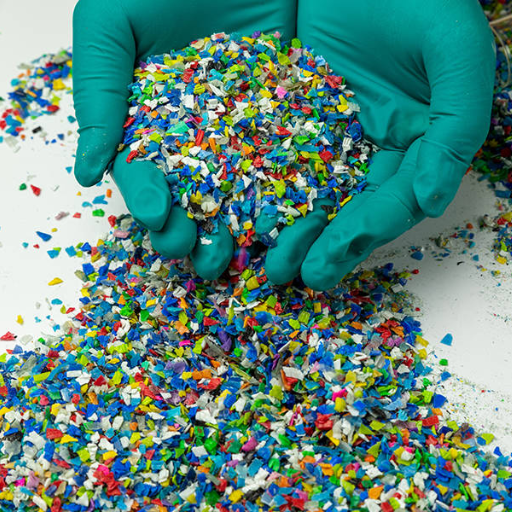
Recycled plastic pellets are small, uniform granules. They are produced by cleaning, shredding, melting, and re-extruding post-consumer or post-industrial plastic waste. They serve as a raw material substitute for virgin resin in standard plastic processing equipment.
The mechanical recycling process follows a clear sequence. First, waste plastic is collected and sorted by resin type, color, and contamination level. Next, it is washed to remove labels, adhesives, and residues. The clean plastic is shredded into flakes. It is then melted, filtered, and extruded through a die. The molten strand is cooled and cut into pellets. Final steps include drying, quality control, and packaging.
For a deeper look at the production process, see our overview of the recycled plastic pellet production process. If you are interested in the equipment side, our guide to plastic recycling pelletizing machines explains the main machine types used to convert waste into pellets. If you want a broader view that ties sourcing, pricing, and end use together, our Recycled Plastic Pellets: Complete Sourcing & Application Guide for Manufacturers walks through everything procurement teams need before placing an order.
PCR vs PIR Feedstock
Pellets are categorized by their waste source. Post-consumer recycled (PCR) pellets come from products that have completed their consumer life, such as bottles, containers, and packaging. They offer higher sustainability credentials but tend to show wider quality variation.
Post-industrial recycled (PIR) pellets come from manufacturing scrap, such as edge trim, rejected parts, or sprues. PIR material is generally cleaner, more consistent, and often 10-20% less expensive than PCR.
Understanding this distinction matters when specifying pellets. A cosmetic packaging application may need clear, food-grade PCR rPET to satisfy brand sustainability claims. An automotive underbody shield may perform identically with mixed-color PIR rPP at a lower cost.
How Recycled Plastic Pellets Are Used in Manufacturing
Recycled pellets feed directly into the same equipment that processes virgin resin. The most common conversion methods are injection molding, blow molding, extrusion, and thermoforming.
Processing Methods Overview
- Injection molding melts pellets and injects the molten plastic into a mold cavity under pressure. It is used for caps, closures, automotive interior parts, electronics housings, and consumer goods.
- Blow molding inflates a molten plastic tube inside a mold to create hollow parts such as bottles, containers, and fuel tanks.
- Extrusion pushes molten plastic through a shaped die to produce continuous products such as pipes, films, sheets, and profiles.
- Thermoforming heats extruded sheet material and forms it over a mold, commonly used for trays, blisters, and packaging inserts.
Each method demands specific pellet properties. Injection molding typically requires higher melt flow rates for thin-wall filling. Extrusion needs consistent bulk density and moisture control. Blow molding of bottles needs intrinsic viscosity and stretch characteristics that match the part design. Because injection molding is the most widely used method for recycled material, our Recycled Plastic Pellets for Injection Molding: A Complete Processing Guide explains how to set parameters, manage drying, and avoid common defects.
Application Selection Framework
Choosing the right recycled pellet for an application starts with five questions:
- What mechanical load, impact, or flexibility does the part require?
- What temperatures will the part encounter during use or processing?
- Does the application face chemical exposure, UV exposure, or moisture?
- Are there regulatory requirements such as food-contact approval, automotive OEM approval, or building code compliance?
- What aesthetic standards apply for color, clarity, or surface finish?
Answering these questions first prevents the common mistake of selecting a pellet based only on price or recycled percentage.
Recycled Plastic Pellets Applications by Industry

Recycled plastic pellets now serve almost every manufacturing sector. The sections below map each industry’s typical products, recommended pellet types, processing methods, and quality considerations.
Packaging Applications
Packaging is the largest end-use market for recycled plastic pellets. It accounts for more than 35% of global demand. The sector is also the most regulated. The European Union’s Packaging and Packaging Waste Regulation (PPWR) mandates minimum post-consumer recycled content in plastic packaging from 2030.
Common products include beverage bottles, detergent containers, food trays, films, bags, caps, closures, and blister packs. The dominant pellet types are rPET, rHDPE, rLDPE, rLLDPE, and rPP.
Beverage bottles and food trays often use rPET. This rPET is produced through super-clean recycling processes that meet food-contact safety standards. Detergent bottles and rigid containers frequently use rHDPE because of its chemical resistance and stiffness. Flexible films and carrier bags rely on rLDPE or rLLDPE for tear resistance and flexibility.
Processing methods include blow molding for bottles, injection molding for caps, film extrusion for bags, and thermoforming for trays.
Quality requirements for packaging focus on odor control, color consistency, clarity for transparent applications, and migration limits for food-contact materials. Food-grade recycled pellets typically cost 100% or more above non-food-grade equivalents. The premium reflects the additional sorting, washing, and certification steps required.
Automotive Applications
Automotive is the fastest-growing application for recycled plastic pellets. The segment is growing at a compound annual growth rate of 10.22%, according to Mordor Intelligence. OEMs use recycled plastics to reduce vehicle weight, lower emissions, and meet corporate sustainability commitments.
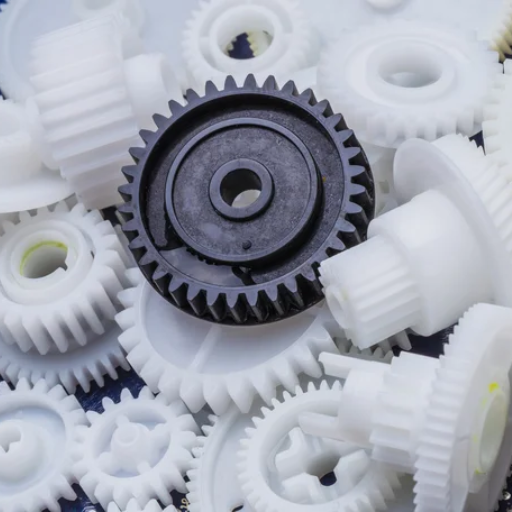
Typical products include interior panels, dashboards, door trims, seat fabrics, headliners, floor mats, bumpers, underbody shields, battery housings, and cable protection ducts. The most common pellet types are rPP, rABS, rHDPE, rPET, and rPC.
rPP dominates automotive interior applications because of its heat resistance, low density, and ability to meet interior trim specifications. rPET is widely used in carpets and textiles made from recycled polyester fibers. rABS and rPC appear in instrument panels, center consoles, and structural trim where impact resistance and dimensional stability matter.
Processing is almost entirely injection molding. Some larger panels use compression molding.
Quality standards in automotive are stringent. Suppliers must demonstrate low volatile organic compound (VOC) emissions, consistent color batch-to-batch, heat deflection temperature within specification, and often OEM material approvals. BMW has targeted 32 kg of recycled plastics per vehicle by 2026. Ford uses about 25 kg of recycled plastics in each F-150. These targets translate into large, recurring purchase orders for qualified pellet suppliers.
Construction Applications
Construction consumes roughly 25% of recycled plastic pellets. That totals over 6 million metric tons annually. The sector values durability, weather resistance, and long service life more than color consistency or clarity.
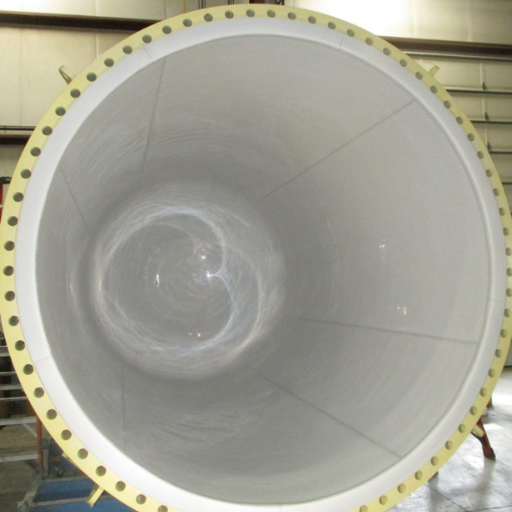
Typical products include pipes and fittings, drainage components, plastic lumber, decking, fencing, cladding, roofing sheets, insulation boards, flooring, and waterproof membranes. The main pellet types are rHDPE, rPVC, rPP, and rPE.
rHDPE is favored for outdoor decking and plastic lumber because of its strength-to-weight ratio and resistance to rot and moisture. rPVC is widely used in pipes, window profiles, and flooring. rPP appears in drainage components and modular building elements.
Extrusion is the dominant processing method. Injection molding is used for fittings and connectors.
Construction applications often accept mixed-color or black pellets because the final product is painted, capped, or hidden from view. This opens opportunities for lower-cost recycled feedstock. Products must still meet building code approvals, load-bearing standards, and long-term UV weatherability requirements.
Textile and Fiber Applications
The textile industry is one of the largest consumers of rPET pellets. Recycled PET is melted and extruded into fibers. These fibers are used for clothing, sportswear, carpets, upholstery, technical fabrics, geotextiles, and fillings.
rPET dominates this sector because PET’s molecular structure produces strong, dyeable fibers with good dimensional stability. The key quality metric is intrinsic viscosity (IV). IV indicates how well the polymer will spin into fiber without breaking.
Fiber extrusion and melt spinning are the primary processing methods. Quality requirements focus on IV consistency, low moisture content, color uniformity, and absence of contaminants that could break spinning lines or discolor fabric.
Many global apparel brands now specify recycled polyester content as part of their sustainability programs. This has created stable, high-volume demand for clear, high-IV rPET pellets from bottle recycling streams.
Agriculture Applications
Agriculture uses recycled pellets for products that must survive harsh outdoor conditions for multiple seasons. Common items include irrigation pipes, drip tubes, greenhouse films, mulch films, crop protection sheets, silage wrap, and pallet wrap.
rLDPE, rLLDPE, rHDPE, and rPP are the most common pellet types. rLDPE and rLLDPE dominate film applications because of their flexibility and tear resistance. rHDPE is used for rigid pipes and fittings. rPP appears in reusable containers and structural components.
Film extrusion and pipe extrusion are the main processing methods. Agricultural films require UV stabilizers to prevent rapid degradation in sunlight. Long-term performance depends heavily on pellet purity, additive dispersion, and consistent thickness during extrusion.
Electronics and Appliances
Electronics manufacturers use recycled pellets for housings, internal supports, keyboard keys, printer parts, appliance panels, and cable management components. The sector requires materials with good dimensional stability, surface finish, and often flame-retardant properties.
rABS, rPP, rPC, and rHIPS are the most common choices. rABS is popular for electronics housings because it retains good impact resistance and accepts surface finishes well. rPC is used where higher heat resistance or transparency is required. rHIPS appears in lower-cost housings and appliance interiors.
Injection molding is the dominant process. Quality requirements include tight dimensional tolerances, flame-retardant certifications where required, and RoHS and REACH compliance for restricted substances.
A procurement engineer at a consumer electronics company recently explained that his team switched to post-industrial rABS for a mid-range device housing. The material retained 90% of virgin ABS impact strength and cut resin costs by 25%, allowing the team to meet both cost and sustainability targets without redesigning the mold. If you are weighing this kind of trade-off, our comparison of Virgin vs Recycled Plastic Pellets: Cost, Performance & Sustainability Compared breaks down where recycled material matches virgin resin and where it falls short.
Consumer Goods and Household Products
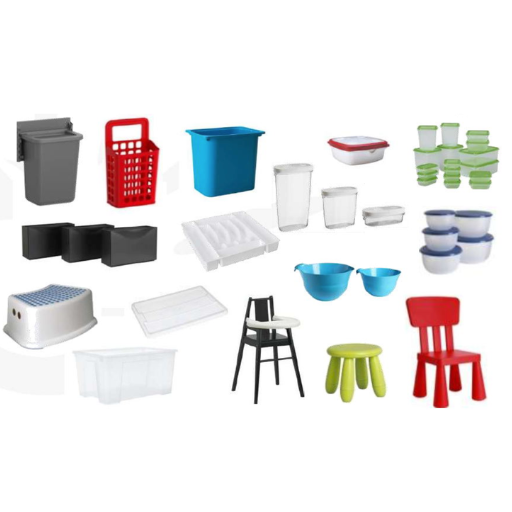
Consumer goods cover a wide range of durable and semi-durable products. These include storage containers, buckets, baskets, furniture, toys, cleaning tools, outdoor furniture, garden tools, and kitchenware.
rHDPE, rPP, rABS, and rPET are widely used. rHDPE works well for rigid containers and outdoor furniture. rPP is common for caps, closures, storage bins, and housewares that need heat resistance. rABS appears in toys and premium housewares where appearance matters.
Injection molding and blow molding are the main processing methods. Quality considerations include impact strength, color consistency, surface finish, and safety certifications for toys or food-contact items.
Medical and Pharmaceutical Applications
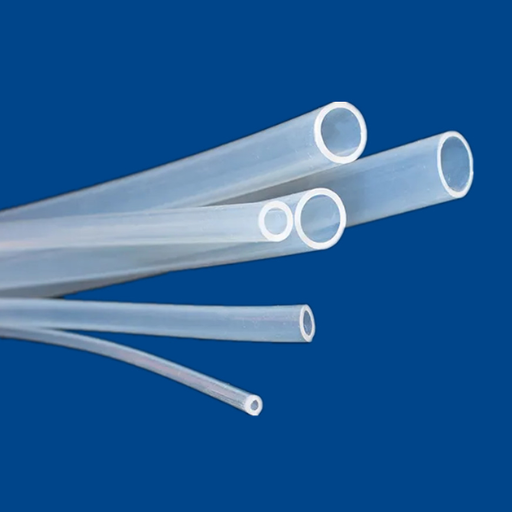
Medical applications for recycled pellets are more limited but growing. They are used for non-contact packaging, secondary containers, and certain tubing products. Strict purity and traceability requirements mean that only high-grade, food-contact or medical-grade recycled pellets are suitable.
Food-grade rPET, medical-grade rPVC, and carefully controlled rPP are the primary options. Applications must demonstrate compliance with FDA, EFSA, or equivalent regulations. They also need full batch traceability and decontamination validation.
Injection molding and extrusion are used depending on the product. Medical buyers should expect extensive documentation, certificate of analysis (COA) review, and possibly on-site supplier audits before qualifying recycled material.
Recycled Pellet Types and Their Best-Fit Applications
Different pellet types bring different property profiles. The table below summarizes the best-fit applications for each major recycled pellet type.
| Pellet Type | Key Properties | Best-Fit Applications | Common Processing Methods |
|---|---|---|---|
| rPET | High tensile strength, barrier properties, clear when sorted | Bottles, food trays, textile fibers, films, thermoformed packaging | Blow molding, injection-stretch blow molding, fiber extrusion, thermoforming |
| rHDPE | High stiffness, chemical resistance, impact resistance | Rigid containers, pipes, plastic lumber, drums, automotive liners | Blow molding, extrusion, injection molding |
| rPP | Heat resistance, low density, fatigue resistance | Automotive interiors, battery cases, food containers, caps, furniture | Injection molding, extrusion |
| rLDPE / rLLDPE | Flexible, tear-resistant, good moisture barrier | Films, bags, agricultural sheeting, pallet wrap | Film extrusion, blow molding |
| rPVC | Rigid or flexible formulations, durable, chemical resistant | Pipes, window frames, flooring, cable insulation | Extrusion, injection molding |
| rABS | High impact resistance, dimensional stability, good surface finish | Electronics housings, automotive dashboards, appliances, toys | Injection molding |
This table gives a starting point, but final material selection should always be validated with processing trials and end-use testing. For a more detailed breakdown of each resin’s grades, properties, and limitations, see our full guide to the Types of Recycled Plastic Pellets: Complete Guide to rPET, rHDPE, rPP & More. Suzhou Yifuhui maintains engineering resin expertise across PC, PA66, PPS, ABS, and other polymers to support buyers who need standard, recycled, or blended material solutions.
Quality and Specification Considerations by Application
Consistency is the single biggest concern when switching to recycled pellets. Virgin resin is produced under tightly controlled conditions. Recycled material inherits variation from its feedstock. Buyers who understand the key specifications can manage that variation.
Critical Specifications
- Melt Flow Index (MFI) indicates how easily the material flows when melted. Batch-to-batch MFI tolerance should typically stay within plus or minus 10% to avoid processing problems.
- Moisture content must be low, generally below 0.1%. High moisture causes bubbles, splay marks, or weak spots in molded parts.
- Bulk density and pellet uniformity affect feeding consistency in hoppers and extruders.
- Contamination levels including paper, metal, other polymers, or organic residues must match the application tolerance.
- Color and appearance must be consistent enough for the final product’s aesthetic requirements.
Certifications by Sector
Different industries require different certifications. Packaging for food contact may need FDA or EFSA approval. Automotive suppliers often need IATF 16949 certification and OEM material approvals. Construction products may require building code or weatherability certification. Textile brands frequently request GRS certification to verify recycled content claims. Electronics manufacturers need RoHS and REACH compliance.
Suppliers should provide certificates of analysis, traceability documentation, and relevant compliance certificates for each batch.
Market Trends Driving Application Growth
Several trends are expanding the range of recycled plastic pellets applications.
Regulation is the strongest driver. The EU PPWR requires minimum post-consumer recycled content in plastic packaging beginning in 2030. Extended Producer Responsibility (EPR) schemes are spreading globally. These policies create mandatory demand rather than optional sustainability preference.
OEM sustainability commitments are another major force. Automakers are embedding recycled content targets into new vehicle programs, especially electric vehicles launching after 2026. Packaging brands are making public commitments to recycled content that outpace regulatory minimums.
Technology is also opening new applications. Chemical recycling and advanced sorting are improving the quality of recycled pellets from mixed or contaminated waste streams. This enables recycled content in higher-value applications that previously required virgin resin.
Finally, cost stability matters. Recycled pellet pricing is not directly tied to oil-linked virgin resin markets. For procurement teams managing budgets under sustainability pressure, this predictability is increasingly valuable.
Conclusion
Recycled plastic pellets now serve applications across packaging, automotive, construction, textiles, agriculture, electronics, and consumer goods. The right pellet for a given application depends on more than resin type. It depends on mechanical requirements, thermal demands, regulatory constraints, processing methods, and aesthetic standards.
Key takeaways:
- Packaging remains the largest market, but automotive is growing fastest.
- rPET dominates bottles and textiles, rPP leads automotive interiors, and rHDPE excels in construction and rigid packaging.
- Quality specifications such as MFI, moisture content, and contamination limits must match the application.
- Certifications vary by industry, from FDA food-contact approval to automotive OEM specifications.
- Suzhou Yifuhui supplies a wide range of plastic pellets and engineering resins to support standard, recycled, and blended material needs.
If you are evaluating recycled plastic pellets applications for your next project, contact our team. We provide material recommendations, technical data sheets, samples, and competitive quotes tailored to your specifications.