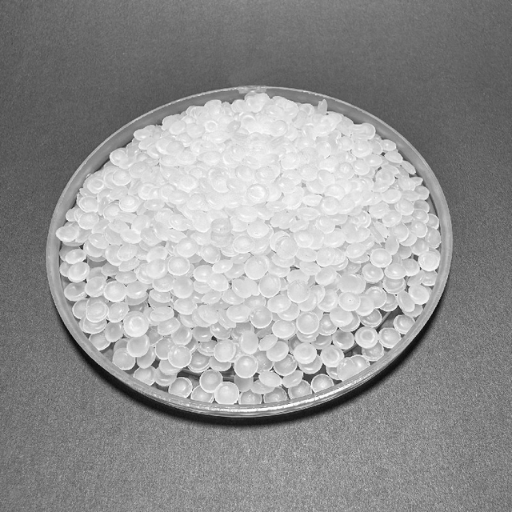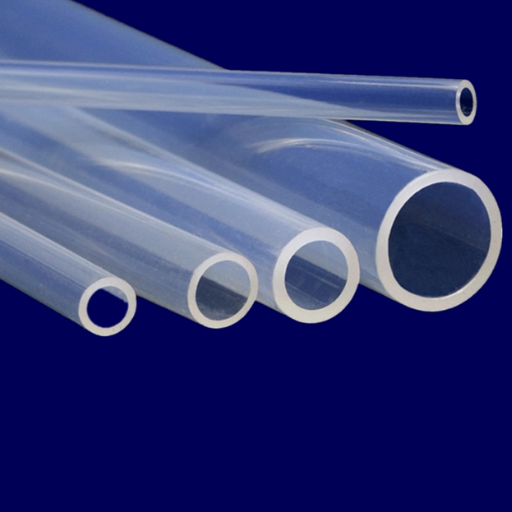
A sealed bag of plastic resin pellets leaves the supplier’s plant dry, uniform, and ready to run. Whether it still is when it reaches your hopper depends less on the truck than on your warehouse. A pellet that absorbs moisture or picks up contamination today becomes the splay, black specks, and scrap on your molding floor tomorrow.
That is why knowing how to store plastic resin pellets is a quality skill, not a housekeeping chore. Get it right and your material runs clean, your reject rate stays low, and your inventory stays predictable. Get it wrong and you chase defects that trace straight back to a storage decision made weeks earlier.
This guide covers everything you need to protect your resin, from hygroscopic versus non-hygroscopic classification to drying, contamination control, shelf life, and plant safety. By the end, you will have a practical storage procedure you can post in your warehouse and audit on a walk-through.
Why Proper Storage of Plastic Resin Pellets Matters

Resin quality is determined after delivery, not at receiving. That is the first thing experienced plant managers learn. The bag arrives with a certificate of analysis and a clean visual check, but the real test happens over the weeks it sits in storage.
Four enemies work against your pellets while they wait:
- Moisture. Hygroscopic resins pull water out of the air, even through a seemingly closed bag.
- Contamination. Dust, grinding fines, and oil mist settle into open containers and ruin batches.
- Heat. Elevated temperatures accelerate oxidation, additive breakdown, and color fade.
- Time. Every day in poor conditions shortens usable shelf life and widens quality drift.
The downstream cost is real. Moisture in nylon or polycarbonate turns into splay, silver streaking, and voids on your parts. Contamination produces black specks and barrel deposits. Heat and time cause clumping, hydrolysis, and a quiet loss of mechanical properties. Every one of those outcomes means scrap, rework, and lost production hours.
Consider the experience of a plant manager we worked with in the electronics sector. His team kept polycarbonate pellets on an open rack near a window, directly under a roof vent that carried grinding fines from a neighboring bay.
Over one summer, reject rates on transparent housings climbed from under 1 percent to nearly 8 percent. The culprit was not the resin or the molding machine. It was a storage location that exposed the material to heat, UV, and airborne dust for weeks. Moving the stock to a sealed, climate-controlled area and switching to covered bins dropped reject rates back to baseline within a month.
The lesson is simple: storage is the last quality step your supplier cannot control, and the first one you can.
Want to make sure the resin you order arrives ready to run? Browse our range of plastic resin pellets and see the batch documentation we ship with every lot.
Hygroscopic vs. Non-Hygroscopic Resins: Know What You’re Storing
The single most important classification in resin storage is whether a polymer is hygroscopic. Hygroscopic resins absorb moisture internally, deep inside the pellet, where water molecules bond to the polymer chains. Non-hygroscopic resins do not absorb internal moisture; they only pick up surface moisture, usually from condensation.
This difference dictates your entire storage and drying protocol. If you treat every material the same way, you will either over-dry resins that do not need it or under-protect the ones that do.
Which Resins Are Which
| Resin | Behavior | Storage Priority |
|---|---|---|
| Nylon (PA6, PA66) | Highly hygroscopic; absorbs up to 2-8% by weight at saturation | Sealed bags, low humidity, re-dry before use |
| Polycarbonate (PC) | Hygroscopic | Sealed bags, low humidity, re-dry before use |
| PET / PBT | Hygroscopic; very fast reabsorption | Sealed bags, dry-air handling, dry immediately before processing |
| ABS | Hygroscopic | Sealed bags, re-dry after long storage |
| PMMA (Acrylic) | Hygroscopic | Sealed bags, re-dry after exposure |
| POM (Acetal) | Semi-hygroscopic; impact-modified grades absorb more | Sealed bags, minimal open time |
| PE (HDPE, LDPE) | Non-hygroscopic | Keep dry and clean; remove surface moisture |
| PP | Non-hygroscopic | Keep dry and clean; remove surface moisture |
| PS | Non-hygroscopic | Keep dry and clean |
| PVC | Non-hygroscopic | Dry storage; watch for condensation and filler moisture |
One important nuance: adding hygroscopic ingredients changes the rules. Glass-filled, flame-retardant, and impact-modified compounds are more moisture-sensitive than their base resin, because the fillers and additives absorb water. The same applies to recycled pellets, which often carry more moisture and fines than virgin material.
For grade-specific guidance, our engineering team has written dedicated guides for PA66 nylon pellets, PET pellets, polycarbonate pellets, and ABS plastic pellets. Each includes the drying parameters for that specific material.
Ideal Storage Conditions: Temperature, Humidity, and Light
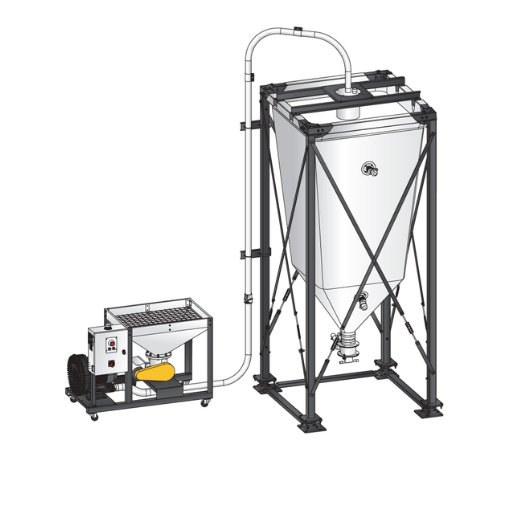
What Temperature Should Plastic Resin Pellets Be Stored At?
Store plastic resin pellets in a cool, dry, dark area. The target is 15-25°C (59-77°F) with relative humidity below 50 percent, and ideally below 40 percent. Most resins remain stable below 40-50°C, but the closer you stay to the 15-25°C range, the safer your material.
Resin manufacturers publish similar figures. For example, Arkema recommends storing Rilsan polyamide below 40-50°C, and NatureWorks specifies storage below 40°C for Ingeo biopolymers.
Humidity matters even more than temperature for hygroscopic resins. Nylon can absorb several percent of its weight in moisture from humid air, and polycarbonate behaves the same way on a smaller scale. In humid climates, install dehumidifiers in the resin warehouse and monitor relative humidity with sensors that alert you when it crosses 50 percent.
Light and Heat Sources
Keep pellets out of direct sunlight. Ultraviolet light degrades the polymer and fades color over time. Keep stock away from windows, skylights, and heat sources such as radiators, ovens, and hot process lines. A location near a loading dock is also a poor choice, because door openings cause temperature swings and condensation.
Seasonal and Climate Handling
Storage discipline changes with the seasons. In summer, high humidity and heat accelerate moisture pickup and oxidation. In winter, cold pellets moved into a warm, humid molding hall develop surface condensation in minutes, which causes defects even in non-hygroscopic resins. A simple rule applies year-round: if a bag has been open for more than two hours in air above 50 percent relative humidity, re-dry the material before processing.
Never store pellets outdoors, even briefly. Rain-soaked resin is a costly mistake. If bags arrive wet or show condensation, quarantine the pallet and test the material before it reaches your production line.
Containers and Packaging: From Bags to Silos
Your storage container is the first line of defense. Choose it based on how much material you hold and how moisture-sensitive it is.
Original Moisture-Barrier Bags
The best protection is the packaging the resin shipped in. Multi-layer, heat-sealed moisture-barrier bags with a sealed inner liner keep hygroscopic resins dry for months. Keep bags sealed until you are ready to use them.
After partial use, reseal tightly with tape or a heat sealer, or transfer the remainder to a clean, airtight, labeled bin. A moisture-proof big bag with a polyethylene inner liner reduces moisture absorption by roughly 70 percent compared with open storage. That is why resealing and covered bins matter so much.
Gaylords, Octabins, and Big Bags
Medium-volume operations often use gaylords, octabins, or flexible intermediate bulk containers (FIBCs). Choose containers with puncture-resistant liners and keep them covered at all times. Cover the container whenever you are not actively drawing material from it, even during a shift.
Bulk Silos
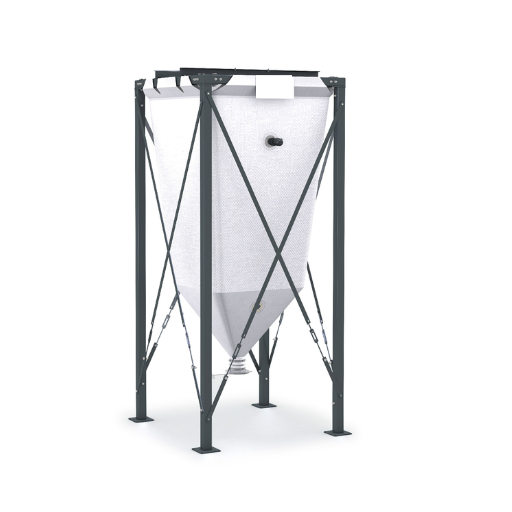
High-volume operations store resin in silos. Indoor or outdoor silos need a dry-air blanket over the resin, proper hopper slopes for flow, and dust collection and level indicators. Insulated silos reduce diurnal temperature swings that cause condensation.
Which Storage Format Fits Your Operation?
| Format | Best For | Moisture Protection | Cost |
|---|---|---|---|
| Sealed bags on pallets | Small operations, low volume | Excellent while sealed | Low |
| Gaylord / octabin | Medium operations | Good with lined, covered bins | Medium |
| FIBC big bag | Bulk with flexible handling | Good with PE liner | Medium |
| Silo | High-volume continuous use | Good with dry-air blanket | High |
Whatever format you choose, store all containers off the floor on pallets or shelving. Ground moisture seeps into bags left on concrete, especially in warm weather.
How to Store Plastic Resin Pellets in Your Warehouse
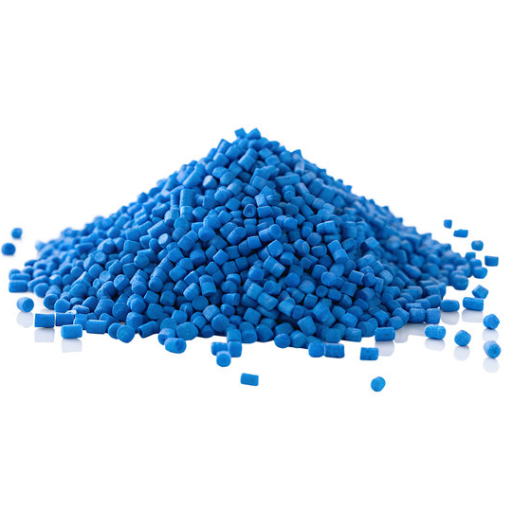
A reliable warehouse procedure follows the same logic as a molding procedure: repeatable steps, clear labels, and clean tools. Here is a proven sequence you can adopt.
- Inspect on receipt. Check every bag and drum for punctures, tears, water stains, and signs of condensation. Verify heat seals are intact and review the certificate of analysis.
- Quarantine suspects. Set aside any pallet with damaged packaging, visible moisture, or an unusual odor. Test it before release.
- Stage off the floor. Place stock on pallets or shelving, away from water sources, grinding operations, and high-traffic aisles.
- Control the climate. Keep the area at 15-25°C with relative humidity below 50 percent. Use dehumidifiers in humid seasons.
- Keep everything sealed. Reseal open bags immediately and cover all interim containers.
- Label and date. Mark every container with resin grade, lot number, and open date. This is essential for traceability and FIFO.
- Rotate FIFO. Use the oldest material first. First-in, first-out prevents aged stock from degrading silently in the back of the warehouse.
- Inspect periodically. Walk the storage area weekly. Look for clumps, discoloration, damaged bags, and any sign of pests or contamination.
Warehouse layout matters too. Separate different materials and keep virgin resin away from recycled stock to prevent mix-ups. Keep the storage area away from grinding, sawing, and sanding operations that generate airborne dust. Use dedicated scoops, wands, and bins for raw material, and keep them clean and covered. If you switch materials through shared conveying lines, purge the lines to prevent contamination.
Not sure which grade fits your process? Explore our guide to plastic pellets for injection molding to match the right resin to your application before you stock it.
Moisture Prevention and Drying Before Processing
Why Residual Moisture Ruins Parts
When resin with absorbed moisture is melted, the water turns to steam and creates defects: splay, silver streaks, bubbles, voids, clouding, and reduced strength. In hygroscopic resins like nylon, PC, PET, and PBT, the damage goes further. Absorbed water triggers hydrolysis, an irreversible chemical reaction that breaks polymer chains and permanently lowers molecular weight. That means weaker parts, not just cosmetically flawed ones.
Drying Fundamentals
Drying removes absorbed moisture using four controls: temperature, time, air dryness (dew point), and airflow. For hygroscopic resins, hot air alone is not enough. You need a dehumidifying desiccant dryer that delivers air with a dew point of at least -20°C, and often -40°C for demanding resins like PET. Non-hygroscopic resins generally only need a hot-air hopper dryer to remove surface moisture and preheat the material.
Representative Drying Targets
| Resin | Drying Temp | Time | Target Moisture |
|---|---|---|---|
| PA66 (Nylon 66) | 80-90°C | 4-6 hours | Below 0.2% |
| PET (bottle grade) | 150-180°C | 4-6 hours | Below 0.02% |
| PBT | 110-150°C | 3-6 hours | Below 0.03% |
| Polycarbonate | ~120°C | 3-4 hours | Below 0.02% |
| ABS | ~80°C | 3-4 hours | Below 0.1% |
Always follow the resin supplier’s technical data sheet for exact parameters. Over-drying is as harmful as under-drying: it can cause oxidation, yellowing, brittleness, and reduced intrinsic viscosity in sensitive resins like PET. When in doubt, verify actual moisture with a moisture analyzer rather than relying only on dryer settings.
The PET Reabsorption Caution
Dried polyester reabsorbs moisture alarmingly fast. At 50 percent relative humidity and room temperature, dried PET can climb from 0.01 percent back above its 0.02 percent processing limit in about 15 minutes. Treat dried polyester like a perishable material: move it under dry-air conveying directly into a sealed hopper, and avoid open bins or lengthy manual transfers.
For the full drying story, including how pellet quality is tested at the source, see our guide on how plastic pellets are made and our upcoming guide to plastic pellet quality control.
Contamination Prevention and Clean Handling
Contamination is the second killer of resin quality, and it is entirely preventable. The most common sources are airborne dust, grinding fines, oil mist, and cross-material mix-ups.
Follow these handling rules:
- Use dedicated scoops, wands, and bins for raw material only.
- Keep lids on interim containers at all times, even during a shift.
- Store pellets away from grinding, sawing, and sanding areas.
- Separate different materials and mark containers clearly.
- Purge conveying lines when switching materials.
- Keep the storage area swept and free of dust buildup.
A clean handling routine is cheap insurance. One contaminated batch can foul a barrel, produce black specks across thousands of parts, and take days to trace and purge.
Shelf Life, FIFO, and Inventory Management
How Long Do Plastic Resin Pellets Last in Storage?
Most thermoplastic pellets remain stable for 12-24 months when kept sealed in cool, dry, dark conditions. Some manufacturers guarantee specific shelf lives; Arkema, for example, states a two-year shelf life for Rilsan polyamide from delivery. The catch is that shelf life assumes proper storage. Heat, humidity, UV, and open exposure shorten it considerably.
Shelf life is not a hard cliff for most materials, but degradation is cumulative. Over months in poor conditions, resins lose impact strength, additives migrate, color fades, and hydrolysis advances in sensitive polymers. This is why FIFO rotation and dating every container are non-negotiable.
Before using any material that has sat for a long time, inspect it. Look for clumps, discoloration, damaged bags, and unusual odors. If anything looks off, quarantine the lot and run a small trial before full production.
Storage Safety and Spill Containment
Resin warehouses carry real safety risks that are easy to overlook. Plastic fines and dust can create an explosion hazard, so keep the area ventilated and ground conveying equipment against static buildup. Respect rack and forklift load limits, and avoid over-stacking bags and pallets. Excessive static load and temperature cause pellets to deform and block into clumps, so keep stacks reasonable.
Spilled pellets also pose a slipping hazard, and they matter beyond your plant. Roughly 230,000 tonnes of plastic pellets are lost to the environment each year, where they become a source of microplastic pollution. Responsible operations follow programs like Operation Clean Sweep and the PAS 510 specification, which set out handling and containment practices across the supply chain.
Practical containment measures include:
- Keep storage silos and containers in good condition to prevent leaks.
- Use catch pans under loading and unloading valves.
- Sweep and clean storage areas regularly, and dispose of spill sweepings properly.
- Train staff on spill response and containment.
Following these practices protects your team, your material, and your reputation.
A Storage SOP for Your Plant
Turn everything above into a posted, audited standard operating procedure. A simple seven-step SOP covers the essentials:
- Seal. Keep bags closed and containers covered.
- Stage. Store off the floor in a clean, dry, cool area.
- Dry. Re-dry hygroscopic resins that have been open or exposed.
- Clean. Use dedicated tools and keep the area dust-free.
- Place. Segregate materials and keep the layout logical.
- FIFO. Rotate stock so the oldest runs first.
- Quarantine. Isolate and test anything suspect.
Post the SOP where staff can see it, and audit it on a regular walk-through. Check that RH sensors work, dates are marked, labels are intact, and housekeeping standards hold.
FAQ
How should plastic resin pellets be stored?
Store pellets in a cool, dry, dark area at 15-25°C with relative humidity below 50 percent. Keep bags sealed, store off the floor on pallets, protect from sunlight and heat, and follow FIFO rotation.
Do all plastic pellets need to be dried before processing?
No. Only hygroscopic resins, or any resin that has been exposed to moisture or open air for more than two hours above 50 percent humidity, need drying. Non-hygroscopic resins like PE, PP, and PS usually only need surface moisture removed.
How much moisture can nylon absorb?
Nylon is the most moisture-sensitive common resin. It can absorb up to 2-8 percent of its weight in water at saturation, which is why sealed packaging and re-drying are critical.
What happens if plastic pellets get wet?
Wet pellets cause splay, bubbles, silver streaks, voids, and reduced strength. In hygroscopic resins, moisture also triggers hydrolysis, which permanently degrades mechanical properties. Re-dry the material before processing.
Can plastic pellets be stored outside?
No. Never store pellets outdoors. Rain, humidity, UV, and temperature swings will damage the material and its packaging.
How do I know if pellets are too wet?
Use a moisture analyzer to measure actual moisture content. As a rule of thumb, if a bag has been open more than two hours in air above 50 percent relative humidity, re-dry the material before use.
Conclusion
Storing plastic resin pellets correctly is one of the highest-return improvements a plant can make. Moisture, contamination, heat, and time are the four enemies, and every one of them is manageable with the right procedure.
The key takeaways from this guide:
- Classify your resins as hygroscopic or non-hygroscopic, because the storage protocol differs.
- Keep material at 15-25°C, below 50 percent relative humidity, sealed, and off the floor.
- Re-dry hygroscopic resins before processing, and follow supplier drying parameters.
- Control contamination with dedicated tools, segregation, and clean housekeeping.
- Rotate stock FIFO, date every container, and quarantine anything suspect.
- Post and audit a storage SOP, and practice spill containment.
At Suzhou Yifuhui New Material Co., Ltd., we ship every lot sealed, dry, and tested, with a certificate of analysis that ties results to a specific batch. Our engineering team also helps customers set up the right storage and drying practices for their resins. Contact our team today for a custom quote, and we will respond within 24 hours with the right material and the guidance to keep it running clean.